Xue Hua, Zeng Li, He Hongxian, Xu Dongxun, Ren Kaixin
Department of Neurology, Sichuan Taikang Hospital, Chengdu, Sichuan, China.
Department of Respiratory, Affiliated Hospital of Youjiang Medical University for Nationalities, Baise, Guangxi, China.
Front Neurosci. 2023 Jul 20;17:1203231. doi: 10.3389/fnins.2023.1203231. eCollection 2023.
Although more and more clinical studies have shown that acupuncture as an auxiliary combined with Western medicine is effective in the treatment of patients with epilepsy, no systematic reviews of acupuncture as a treatment for epilepsy have been published. Hence, we conducted this meta-analysis to evaluate the effect of acupuncture treatment on patients with epilepsy.
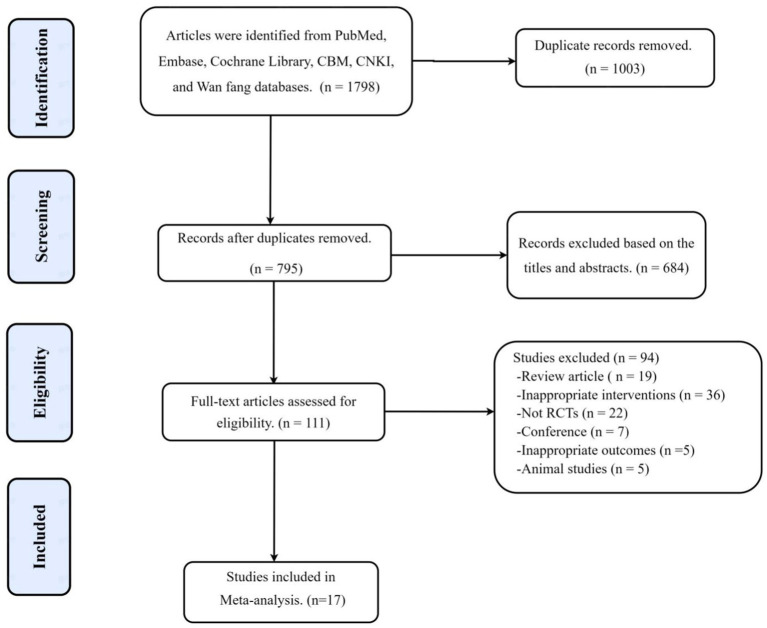
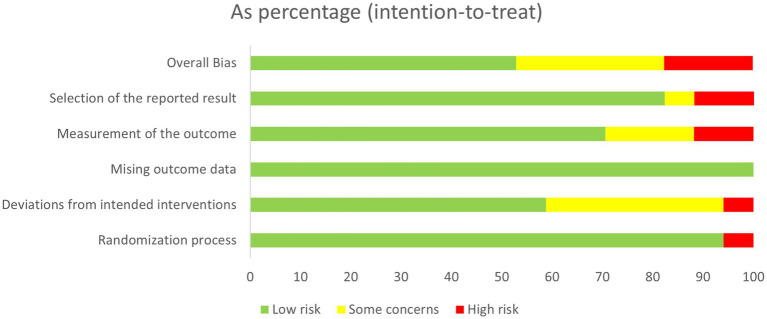
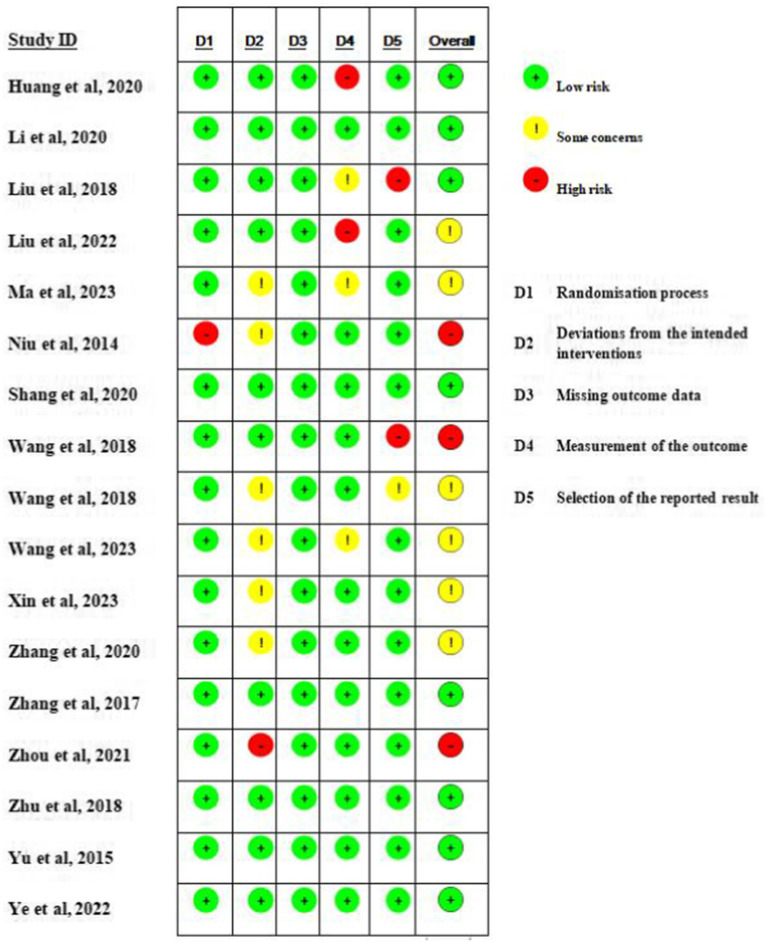
This study retrieved randomized controlled trials (RCTs) of acupuncture treatment for epilepsy from various electronic databases including PubMed, Embase, Cochrane Library, China National Knowledge Infrastructure, Chinese BioMedical Literature Database, and Wangfang database. These studies evaluated the effectiveness of acupuncture as an auxiliary treatment combined with Western medicine for patients with epilepsy. The methodological quality of the studies was assessed using the Cochrane Handbook for Systematic Reviews of Interventions.
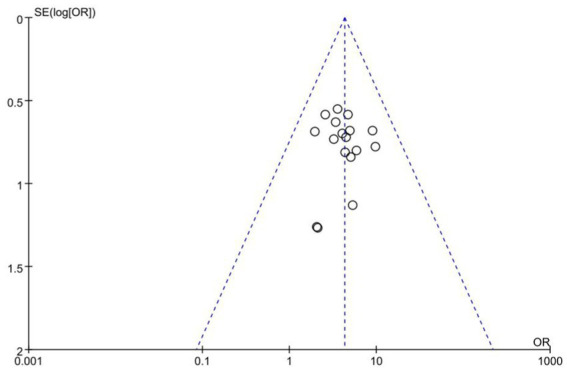
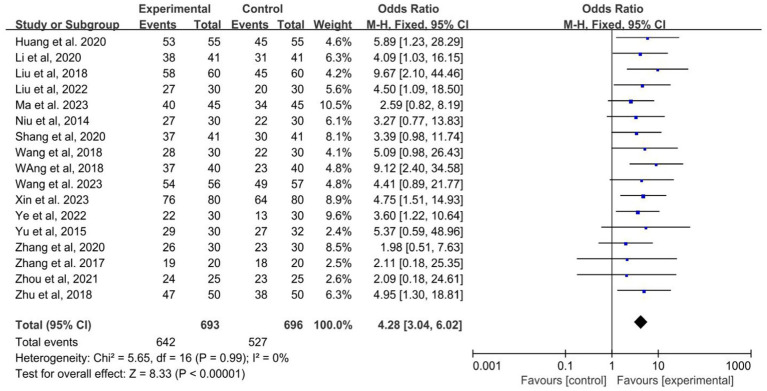
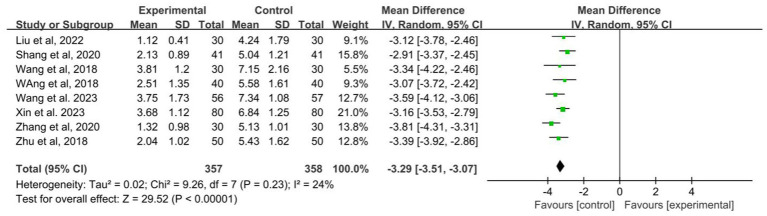
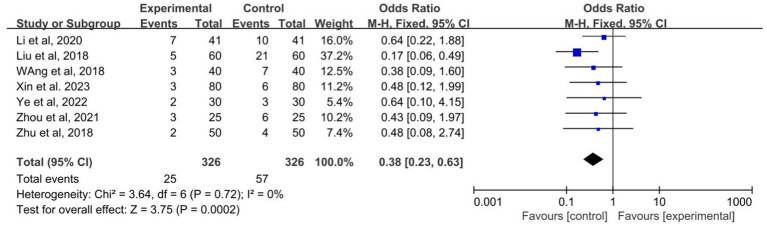
A total of 17 RCTs involving a total of 1,389 participants were included. The results showed that acupuncture combined with Western medicine improved the effective rates of treatment (OR: 4.28; 95% CI: 3.04-6.02; < 0.001), and reduced the seizure frequency of patients (SMD: -3.29; 95% CI: -3.51 to -3.07; < 0.001) and the EEG discharge frequency (SMD: -5.58; 95% CI: -7.02 to -4.14; < 0.001). Regarding the quality of life and adverse events, the acupuncture group was superior to the control group in improving the overall quality of life of patients with epilepsy (SMD: 14.41; 95% CI: 12.51-16.32; < 0.001) and decreased adverse events (OR: 0.38; 95% CI: 0.23-0.63, < 0.001).
The results of the analysis suggested that acupuncture combined with Western medicine is probably helpful in patients with epilepsy, but strong supportive data are not yet available. Given that this study is based on a low to moderate evidence-based analysis, the conclusions should be viewed with caution.
PROSPERO, identifier no. CRD42023409923.
尽管越来越多的临床研究表明,针灸作为辅助手段与西医结合治疗癫痫患者是有效的,但尚未发表关于针灸治疗癫痫的系统评价。因此,我们进行了这项荟萃分析,以评估针灸治疗对癫痫患者的效果。
本研究从多个电子数据库中检索了针灸治疗癫痫的随机对照试验(RCT),这些数据库包括PubMed、Embase、Cochrane图书馆、中国知网、中国生物医学文献数据库和万方数据库。这些研究评估了针灸作为辅助治疗与西医结合对癫痫患者的有效性。使用Cochrane干预措施系统评价手册评估研究的方法学质量。
共纳入17项RCT,涉及1389名参与者。结果表明,针灸联合西医提高了治疗有效率(OR:4.28;95%CI:3.04-6.02;P<0.001),降低了患者的癫痫发作频率(SMD:-3.29;95%CI:-3.51至-3.07;P<0.001)和脑电图放电频率(SMD:-5.58;95%CI:-7.02至-4.14;P<0.001)。在生活质量和不良事件方面,针灸组在改善癫痫患者的总体生活质量(SMD:14.41;95%CI:12.51-16.32;P<0.001)和减少不良事件(OR:0.38;95%CI:0.23-0.63,P<0.001)方面优于对照组。
分析结果表明,针灸联合西医可能对癫痫患者有帮助,但尚未有强有力的支持数据。鉴于本研究基于低至中等证据的分析,结论应谨慎看待。
PROSPERO,标识符编号CRD42023409923。