Manning Catherine, Scerif Gaia
School of Psychology and Clinical Language Sciences, University of Reading, UK.
Department of Experimental Psychology, University of Oxford, UK.
Curr Dir Psychol Sci. 2023 Aug;32(4):300-306. doi: 10.1177/09637214231162369. Epub 2023 Apr 16.
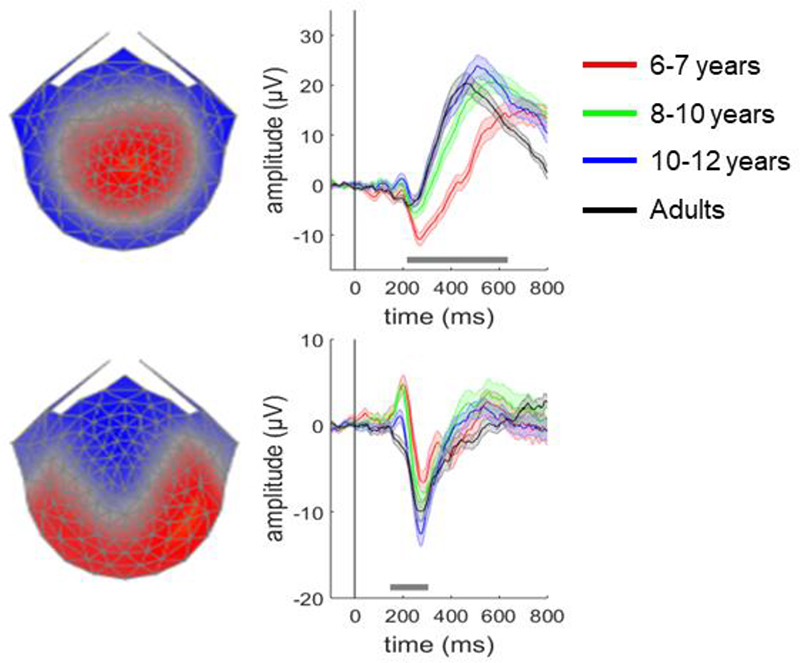
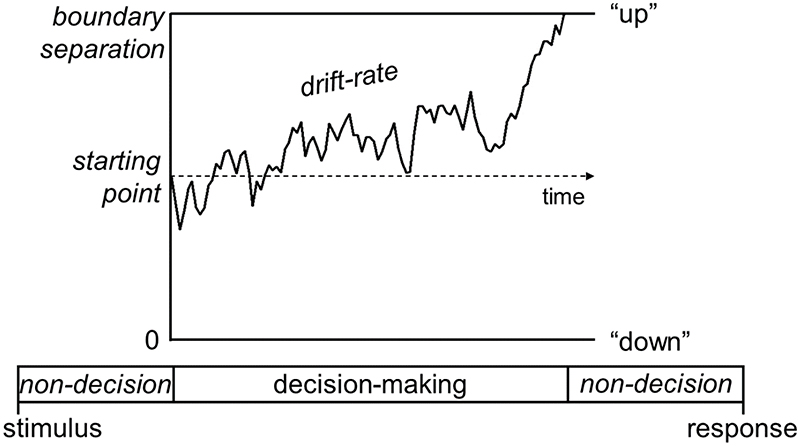
A cornerstone of human information processing is how we make decisions about incoming sensory percepts. Much of psychological science has focused on understanding how these judgements operate in skilled adult observers. While not typically the focus of this research, there is considerable variability in how adults make these judgements. Here, we review complementary computational modelling, electrophysiological data, eye-tracking and longitudinal approaches to the study of perceptual decisions across neurotypical development and in neurodivergent individuals. These data highlight multiple parameters and temporal dynamics feeding into how we become skilled adult perceptual decision makers, and which may help explain why we vary so much in how we make perceptual decisions.
人类信息处理的一个基石是我们如何对传入的感官感知做出决策。许多心理学研究都集中在理解这些判断在熟练的成年观察者中是如何运作的。虽然这通常不是该研究的重点,但成年人在做出这些判断的方式上存在相当大的差异。在这里,我们回顾了互补的计算建模、电生理数据、眼动追踪以及纵向研究方法,这些方法用于研究神经典型发育个体和神经差异个体在感知决策方面的情况。这些数据突出了多个参数和时间动态因素,这些因素影响着我们如何成为熟练的成年感知决策者,并且可能有助于解释为什么我们在做出感知决策的方式上存在如此大的差异。