State Key Laboratory of Medicinal Chemical Biology and College of life science, Nankai University, Tianjin, China.
CNBG-Nankai University Joint Research and Development Center, Tianjin, China.
Theranostics. 2023 Jul 9;13(12):4016-4029. doi: 10.7150/thno.83495. eCollection 2023.
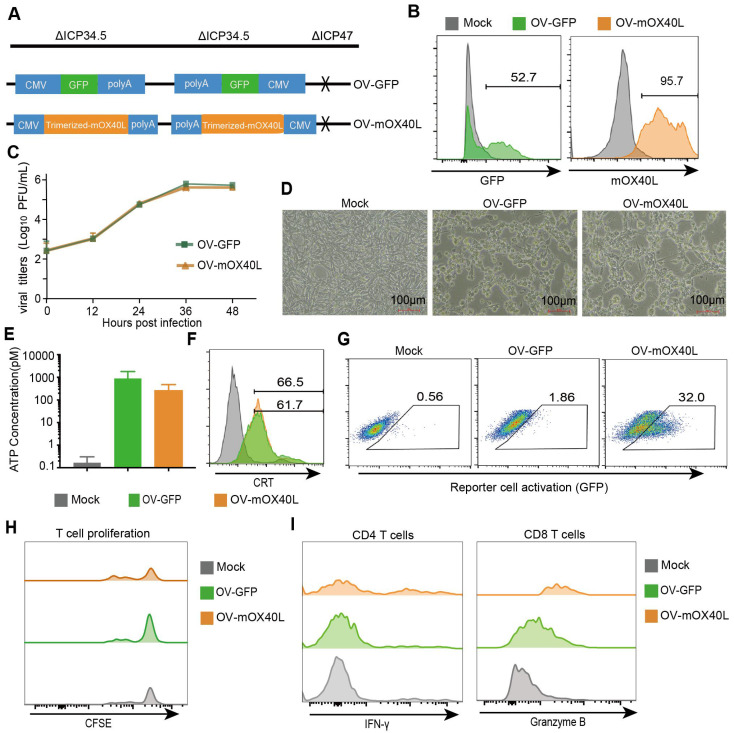
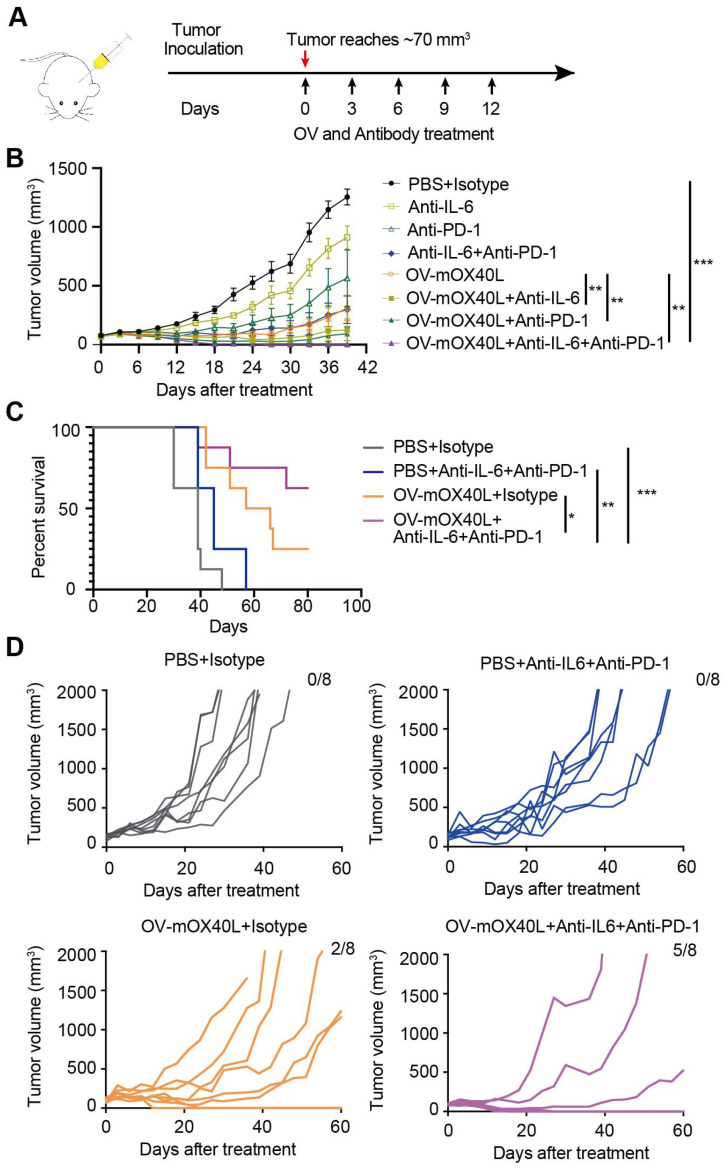
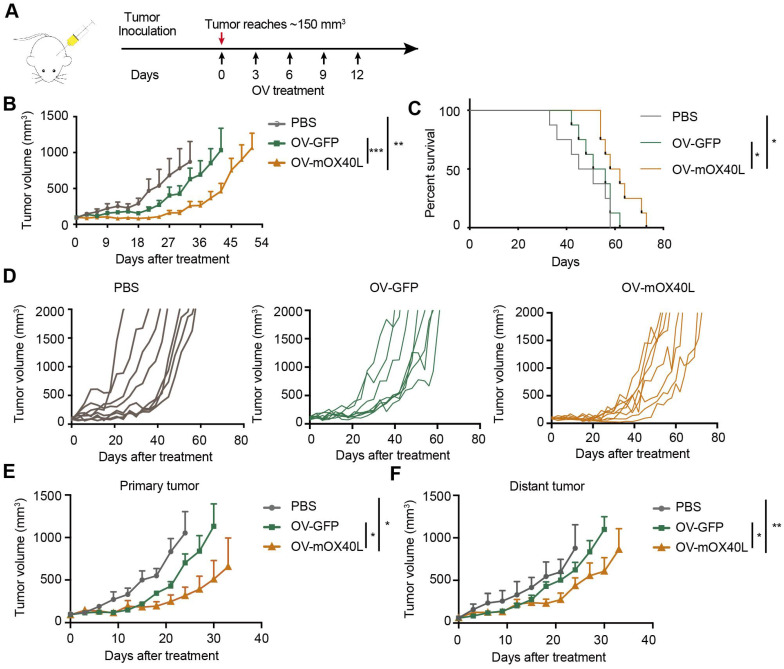
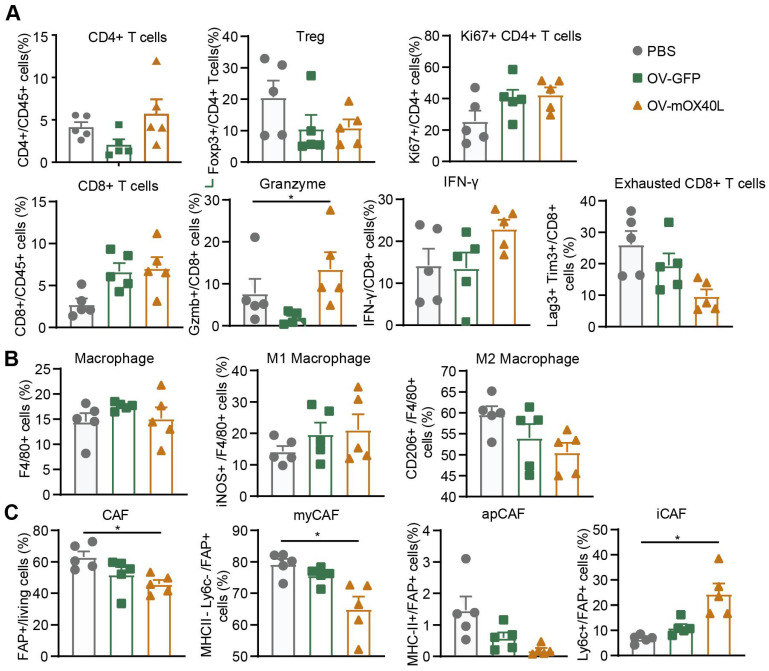
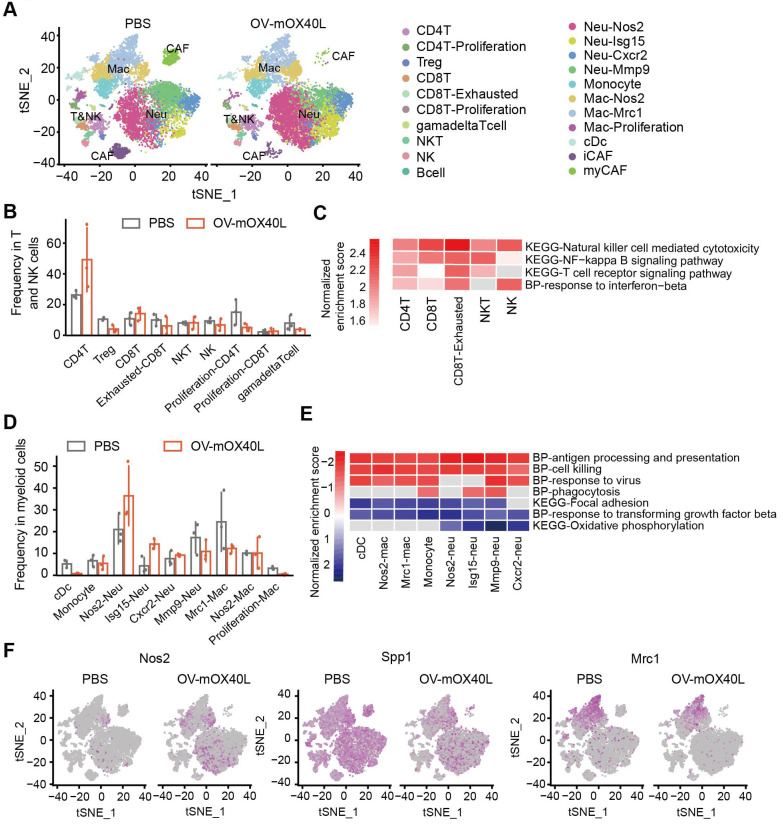
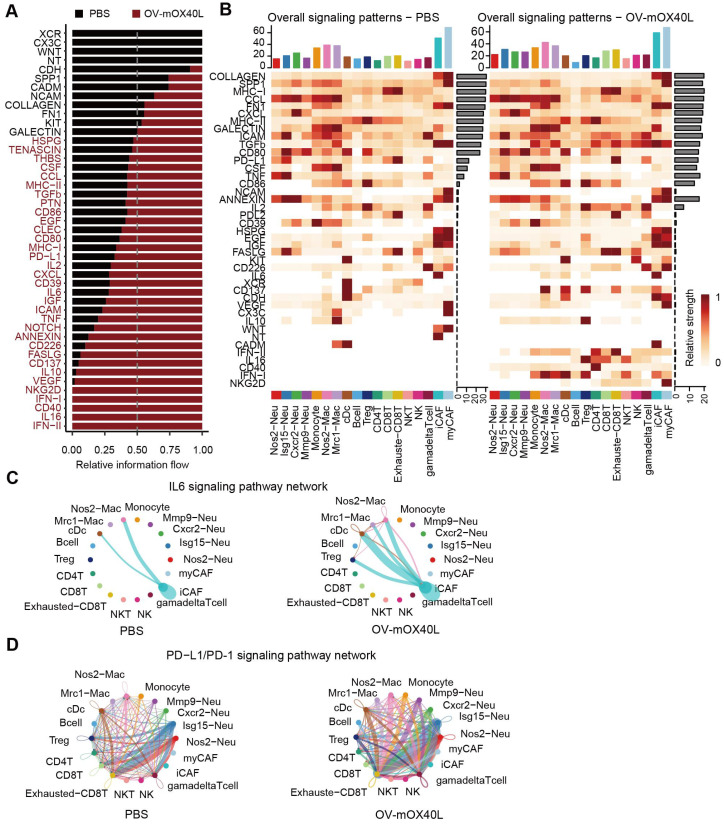
The resistance of pancreatic ductal adenocarcinoma (PDAC) to immunotherapies is caused by the immunosuppressive tumor microenvironment (TME) and dense extracellular matrix. Currently, the efficacy of an isolated strategy targeting stromal desmoplasia or immune cells has been met with limited success in the treatment of pancreatic cancer. Oncolytic virus (OV) therapy can remodel the TME and damage tumor cells either by directly killing them or by enhancing the anti-tumor immune response, which holds promise for the treatment of PDAC. This study aimed to investigate the therapeutic effect of OX40L-armed OV on PDAC and to elucidate the underlying mechanisms. Murine OX40L was inserted into herpes simplex virus-1 (HSV-1) to construct OV-mOX40L. Its expression and function were assessed using reporter cells, cytopathic effect, and immunogenic cell death assays. The efficacy of OV-mOX40L was then evaluated in a KPC syngeneic mouse model. Tumor-infiltrating immune and stromal cells were analyzed using flow cytometry and single-cell RNA sequencing to gain insight into the mechanisms of oncolytic virotherapy. OV-mOX40L treatment delayed tumor growth in KPC tumor-bearing C57BL/6 mice. It also boosted the tumor-infiltrating CD4+ T cell response, mitigated cytotoxic T lymphocyte (CTL) exhaustion, and reduced the number of regulatory T cells. The treatment of OV-mOX40L reprogrammed macrophages and neutrophils to a more pro-inflammatory anti-tumor state. In addition, the number of myofibroblastic cancer-associated fibroblasts (CAF) was reduced after treatment. Based on single-cell sequencing analysis, OV-mOX40L, in combination with anti-IL6 and anti-PD-1, significantly extended the lifespan of PDAC mice. OV-mOX40L converted the immunosuppressive tumor immune microenvironment to a more activated state, remodeled the stromal matrix, and enhanced T cell response. OV-mOX40L significantly prolonged the survival of PDAC mice, either as a monotherapy or in combination with synergistic antibodies. Thus, this study provides a multimodal therapeutic strategy for pancreatic cancer treatment.
胰腺导管腺癌 (PDAC) 对免疫疗法的抵抗是由免疫抑制性肿瘤微环境 (TME) 和致密的细胞外基质引起的。目前,靶向基质纤维增生或免疫细胞的孤立策略在治疗胰腺癌方面的疗效有限。溶瘤病毒 (OV) 治疗可以重塑 TME,通过直接杀死肿瘤细胞或增强抗肿瘤免疫反应来杀伤肿瘤细胞,为治疗 PDAC 带来了希望。本研究旨在探讨 OX40L 武装 OV 对 PDAC 的治疗效果,并阐明其潜在机制。
将鼠 OX40L 插入单纯疱疹病毒-1 (HSV-1) 构建 OV-mOX40L。使用报告细胞、细胞病变效应和免疫原性细胞死亡测定评估其表达和功能。然后在 KPC 同基因小鼠模型中评估 OV-mOX40L 的疗效。使用流式细胞术和单细胞 RNA 测序分析肿瘤浸润免疫和基质细胞,深入了解溶瘤病毒治疗的机制。
OV-mOX40L 治疗可延缓 KPC 荷瘤 C57BL/6 小鼠肿瘤生长。它还增强了肿瘤浸润性 CD4+T 细胞反应,减轻了细胞毒性 T 淋巴细胞 (CTL) 衰竭,并减少了调节性 T 细胞的数量。OV-mOX40L 治疗将巨噬细胞和中性粒细胞重新编程为更具促炎抗肿瘤状态。此外,治疗后肌成纤维性癌症相关成纤维细胞 (CAF) 的数量减少。基于单细胞测序分析,OV-mOX40L 与抗 IL6 和抗 PD-1 联合使用,显著延长了 PDAC 小鼠的寿命。
OV-mOX40L 将免疫抑制性肿瘤免疫微环境转化为更活跃的状态,重塑基质基质,并增强 T 细胞反应。OV-mOX40L 无论是作为单一疗法还是与协同抗体联合使用,都显著延长了 PDAC 小鼠的存活时间。因此,本研究为胰腺癌治疗提供了一种多模式治疗策略。