Xin Liping, Li Maomao, Pan Minli
Graduate School, Zhejiang University of Traditional Chinese Medicine, Ningbo, China.
Departments of Rehabilitation Medicine, Ningbo Yinzhou No. 2 Hospital, Ningbo, China.
Transl Androl Urol. 2023 Jul 31;12(7):1155-1166. doi: 10.21037/tau-23-337. Epub 2023 Jul 24.
Prostatectomy often causes urinary incontinence, especially stress Urinary incontinence, which has a serious impact on the quality of life of patients. Previous studies have proved that pelvic floor muscle training can help restore pelvic floor function and reduce Urinary incontinence, but the quantitative evaluation and systematic analysis of its effect have not yet been clear. This meta-analysis aimed to systematically evaluate the therapeutic effect of pelvic floor muscle training on managing stress urinary incontinence after prostatectomy.
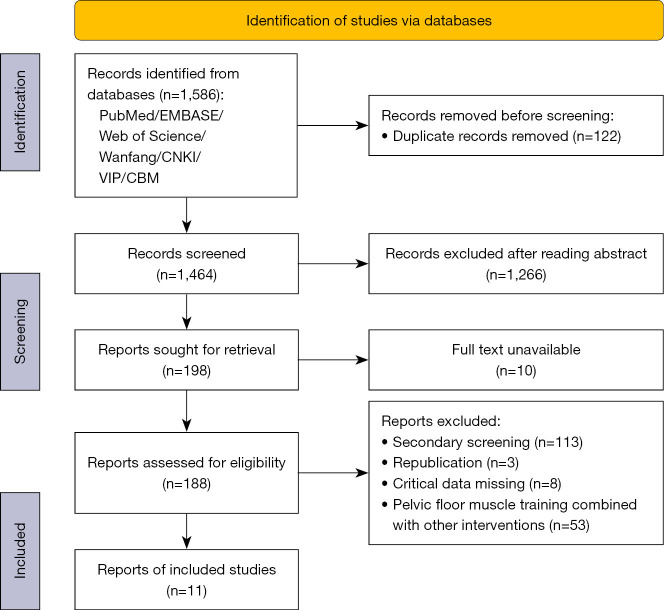
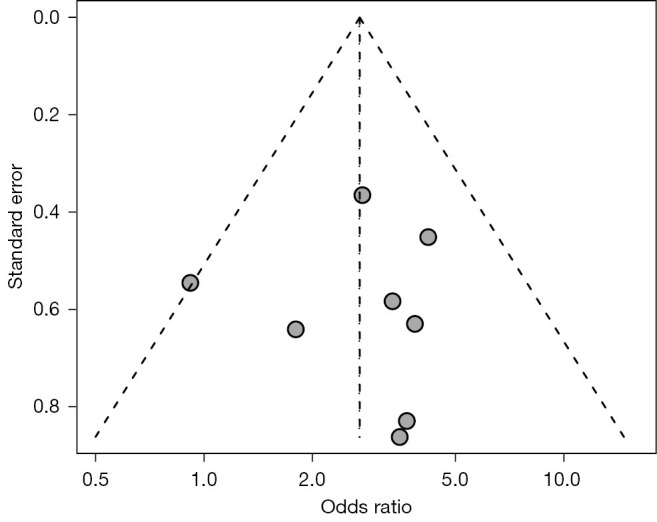
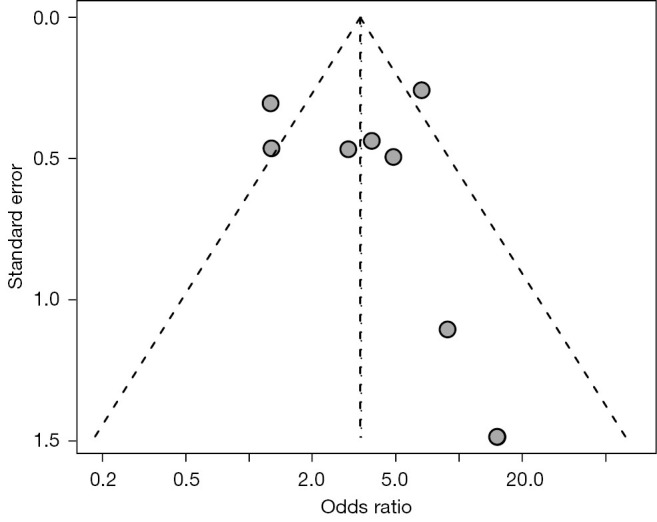
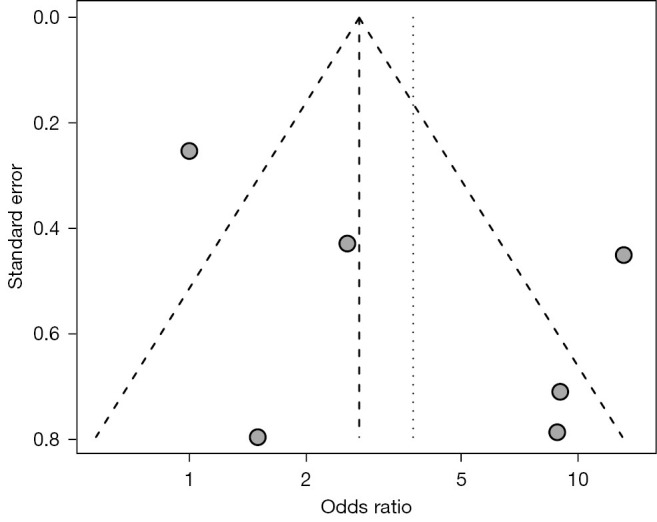
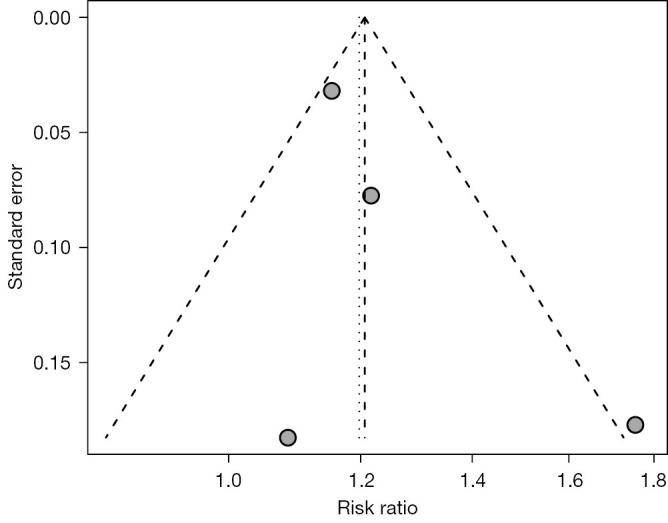
The literature on pelvic floor muscle training for patients after prostatectomy was searched in PubMed, Web of Science, EMBASE, CNKI, VIP, Wanfang, and China Biology Medical Literature Database (CBM) from database establishment up to January 30th, 2023. Risk bias assessment was conducted using RoB1, a risk assessment tool recommended by Cochrane for evaluating RCTs literature. Publication bias was evaluated through funnel plots. Meta-analysis of effect size was performed using R 4.2.2.
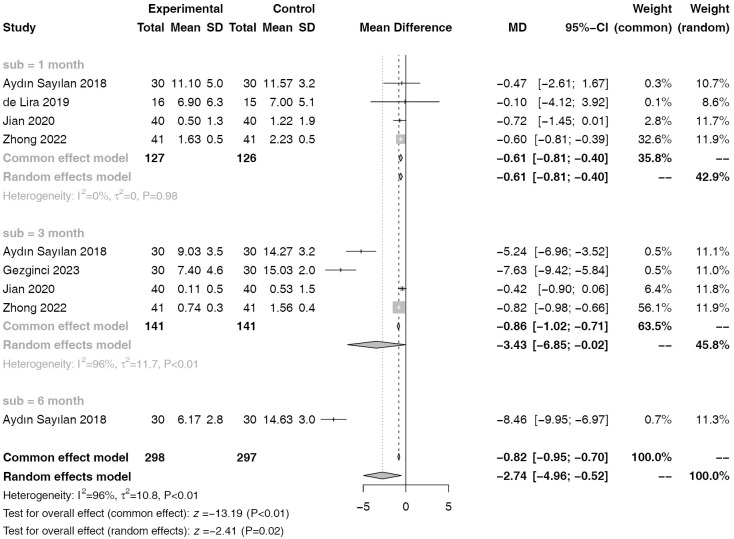
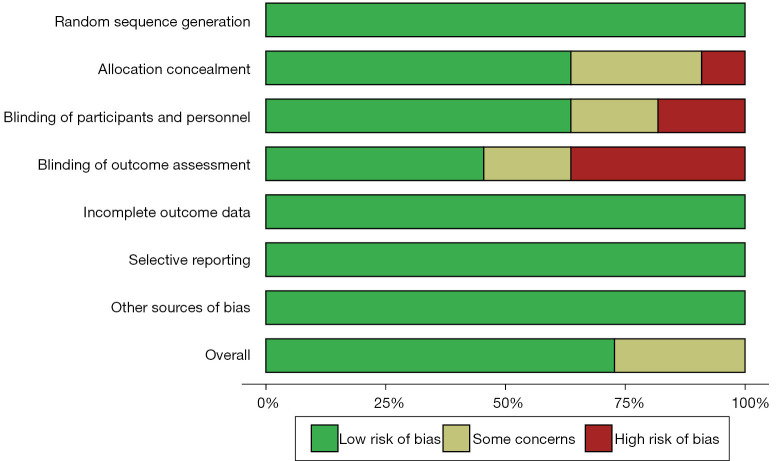
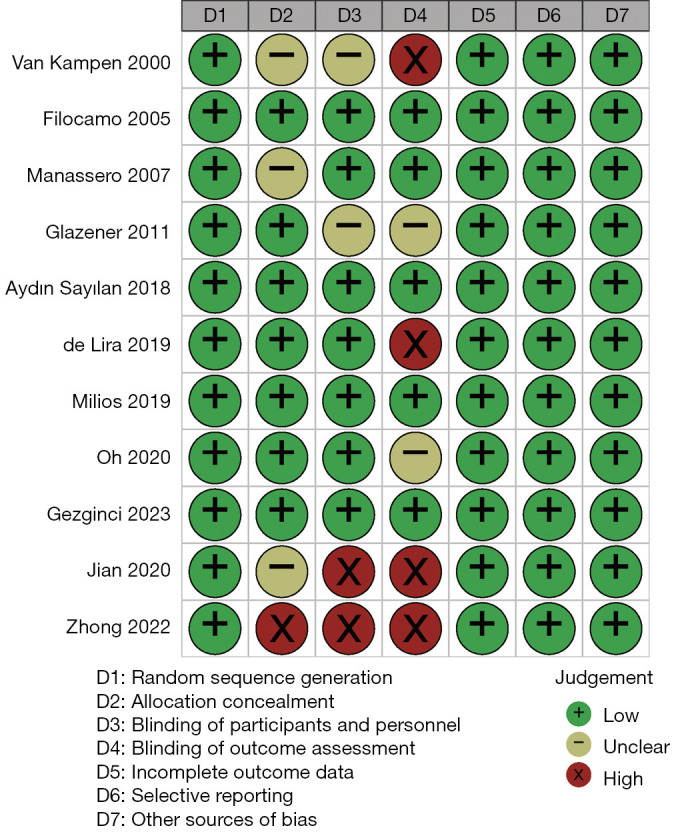
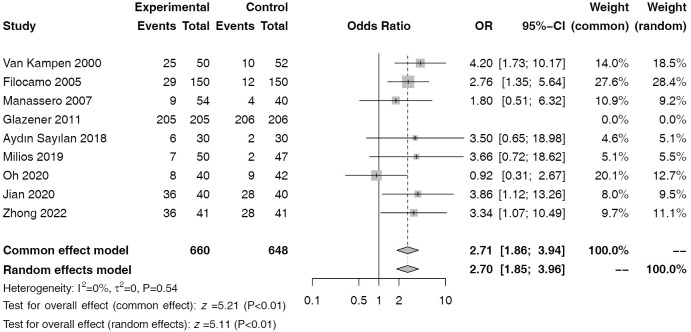
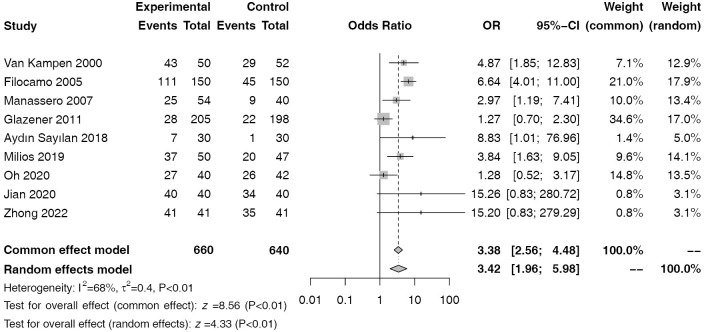
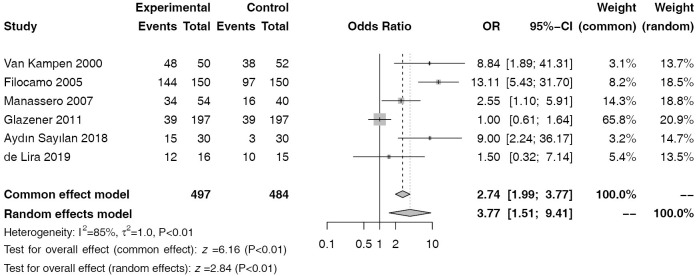
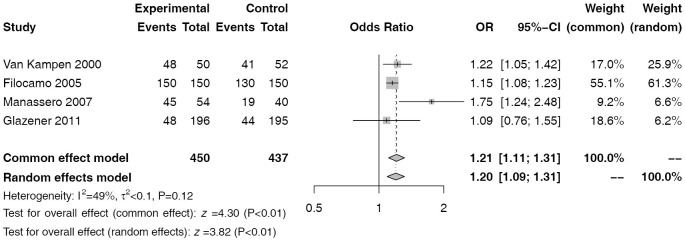
Eleven randomized controlled studies were included. The risk of bias assessment showed that three studies had a moderate risk of bias and eight had a low risk. The meta-analysis results showed that the patient-reported incontinence was improved after one month [odds ratio (OR): 2.71, 95% 95% confidence interval (CI): 1.86-3.94, P<0.01]; improved after three months (OR: 3.42, 95% CI: 1.96-5.98, P<0.01); improved after six months (OR: 3.77, 95% CI: 1.51-9.41, P<0.01); improved after 12 months (OR: 1.21, 95% CI: 1.11-1.31, P<0.01); and the International Consultation on Incontinence Questionnaire-Simple Form (ICIQ-SF) score decreased [mean difference (MD): -2.74, 95% CI: -4.96 to -0.52, P=0.02]. Subgroup analysis showed that the ICIQ-SF score decreased after one month (MD: -0.61, 95% CI: -0.81 to -0.40) and three months (MD: -3.43, 95% CI: -6.85 to -0.02).
Pelvic floor muscle training significantly improves stress urinary incontinence after prostatectomy, which can be improved by 2.77 times at most. However, due to the limited number of studies included, further validation is needed.
前列腺切除术常导致尿失禁,尤其是压力性尿失禁,这对患者的生活质量有严重影响。既往研究证明,盆底肌训练有助于恢复盆底功能并减少尿失禁,但对其效果的定量评估和系统分析尚不清楚。本荟萃分析旨在系统评价盆底肌训练对前列腺切除术后压力性尿失禁的治疗效果。
在PubMed、Web of Science、EMBASE、CNKI、维普、万方和中国生物医学文献数据库(CBM)中检索自建库至2023年1月30日有关前列腺切除术后患者盆底肌训练的文献。使用Cochrane推荐的用于评估随机对照试验文献的风险评估工具RoB1进行风险偏倚评估。通过漏斗图评估发表偏倚。使用R 4.2.2进行效应量的荟萃分析。
纳入11项随机对照研究。偏倚风险评估显示,3项研究存在中度偏倚风险,8项研究存在低度偏倚风险。荟萃分析结果显示,患者报告的尿失禁在1个月后有所改善[比值比(OR):2.71,95%置信区间(CI):1.86 - 3.94,P < 0.01];3个月后有所改善(OR:3.42,95% CI:1.96 - 5.98,P < 0.01);6个月后有所改善(OR:3.77,95% CI:1.51 - 9.41,P < 0.01);12个月后有所改善(OR:1.21,95% CI:1.11 - 1.31,P < 0.01);国际尿失禁咨询委员会简表(ICIQ - SF)评分降低[平均差(MD): - 2.74,95% CI: - 4.96至 - 0.52,P = 0.02]。亚组分析显示,ICIQ - SF评分在1个月后降低(MD: - 0.61,95% CI: - 0.81至 - 0.40),3个月后降低(MD: - 3.43,95% CI: - 6.85至 - 0.02)。
盆底肌训练能显著改善前列腺切除术后的压力性尿失禁,最多可改善2.77倍。然而,由于纳入研究数量有限,需要进一步验证。