College of Transportation Science and Engineering, Civil Aviation University of China, Tianjin, 300300, China.
College of Safety Science and Engineering, Civil Aviation University of China, Tianjin, 300300, China.
Sci Rep. 2023 Aug 11;13(1):13084. doi: 10.1038/s41598-023-40406-z.
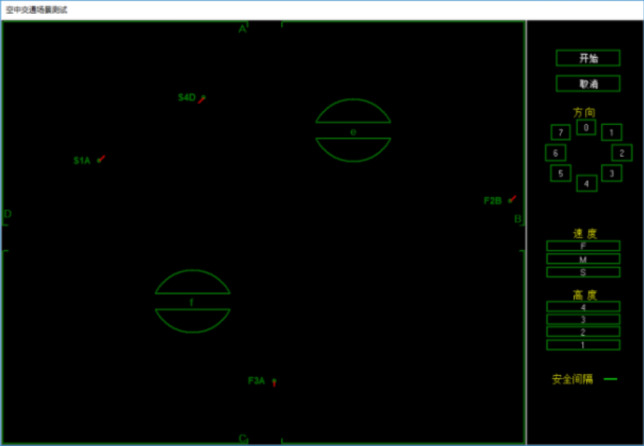
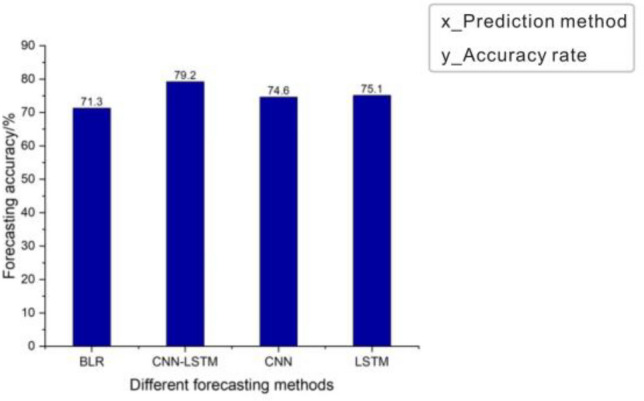
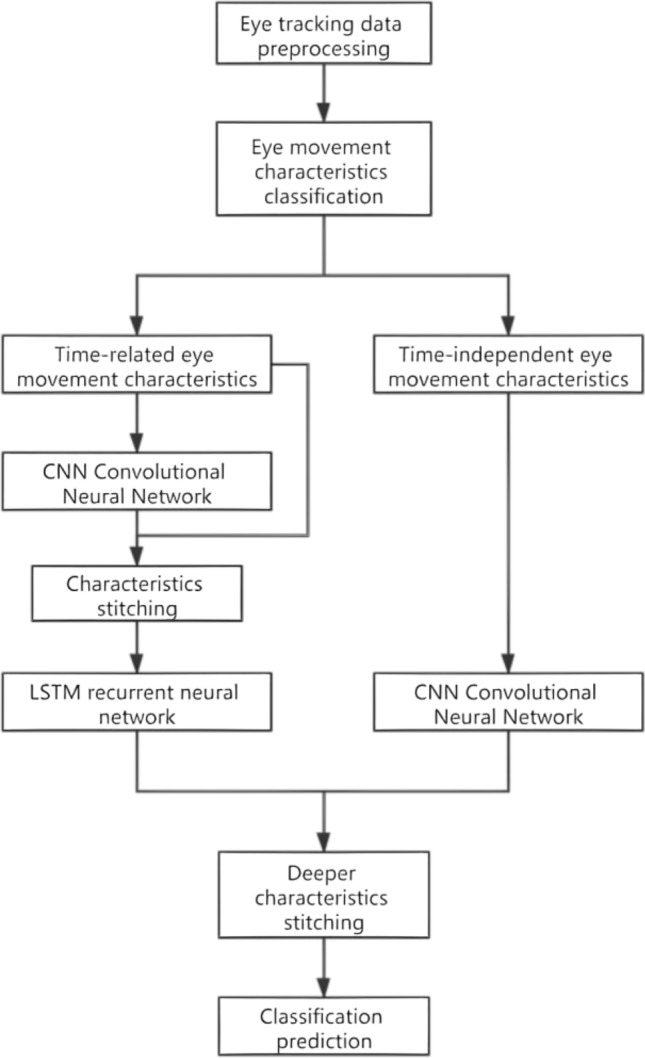
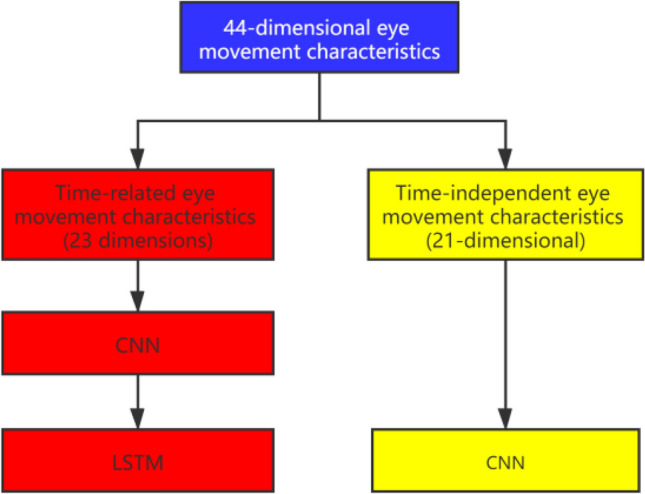
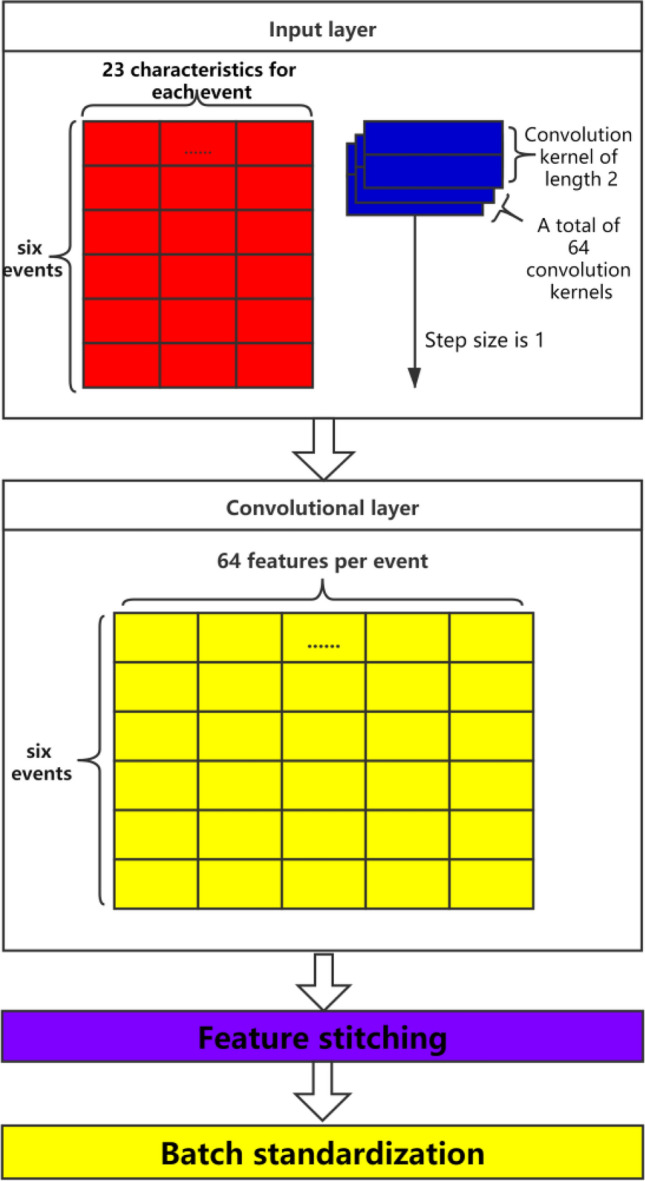
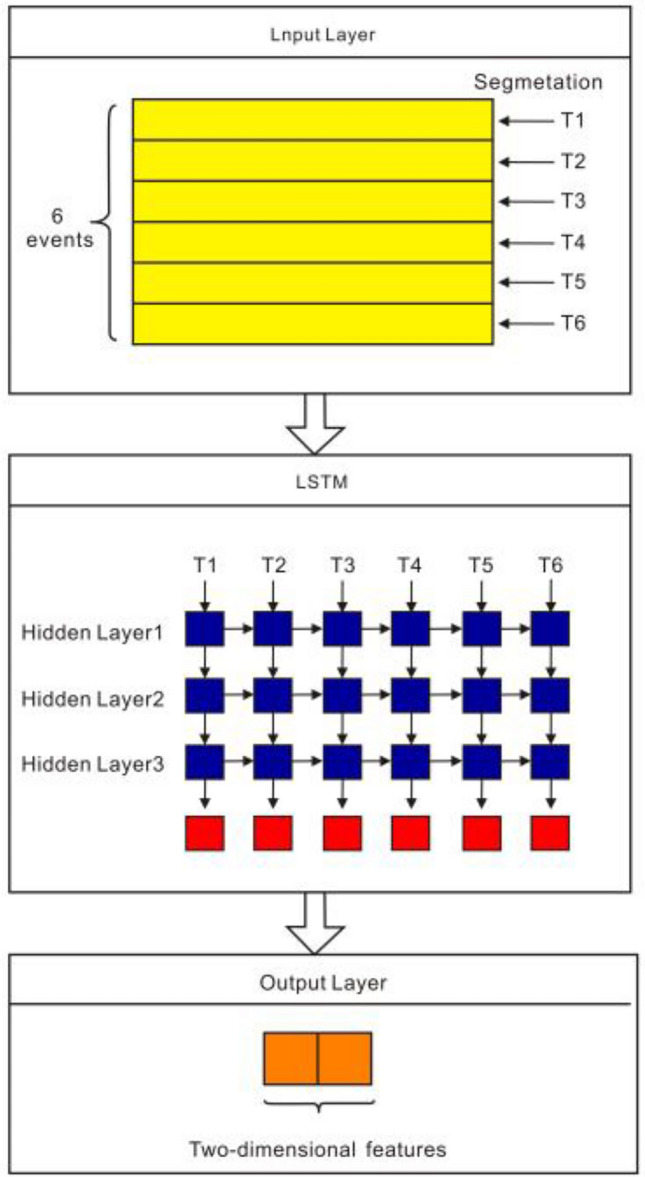
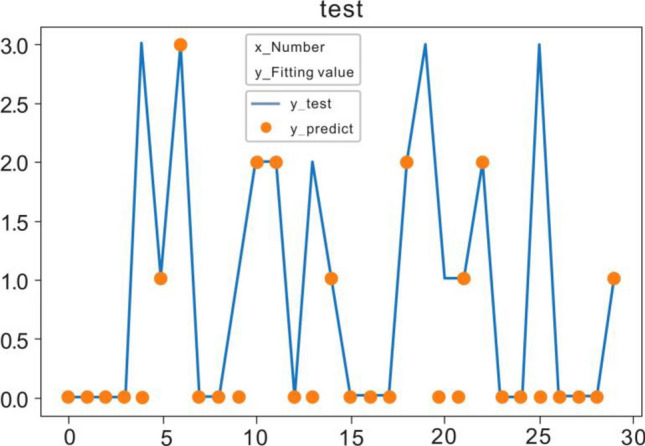
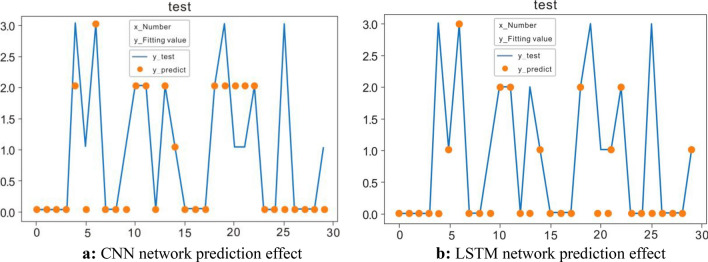
Control forgetting accounts for most of the current unsafe incidents. In the research field of radar surveillance control, how to avoid control forgetting to ensure the safety of flights is becoming a hot issue which attracts more and more attention. Meanwhile, aviation safety is substantially influenced by the way of eye movement. The exact relation of control forgetting with eye movement, however, still remains puzzling. Motivated by this, a control forgetting prediction method is proposed based on the combination of Convolutional Neural Networks and Long-Short Term Memory (CNN-LSTM). In this model, the eye movement characteristics are classified in terms of whether they are time-related, and then regulatory forgetting can be predicted by virtue of CNN-LSTM. The effectiveness of the method is verified by carrying out simulation experiments of eye movement during flight control. Results show that the prediction accuracy of this method is up to 79.2%, which is substantially higher than that of Binary Logistic Regression, CNN and LSTM (71.3%, 74.6%, and 75.1% respectively). This work tries to explore an innovative way to associate control forgetting with eye movement, so as to guarantee the safety of civil aviation.
控制遗忘占当前大多数不安全事件的大部分原因。在雷达监视控制的研究领域中,如何避免控制遗忘以确保飞行安全正成为一个热点问题,引起了越来越多的关注。同时,航空安全受到眼球运动方式的极大影响。然而,控制遗忘与眼球运动的确切关系仍然令人费解。受此启发,提出了一种基于卷积神经网络和长短时记忆网络(CNN-LSTM)结合的控制遗忘预测方法。在该模型中,根据眼动特征是否与时间相关对其进行分类,然后利用 CNN-LSTM 预测监管遗忘。通过对飞行控制过程中的眼动模拟实验验证了该方法的有效性。结果表明,该方法的预测精度高达 79.2%,明显高于二项逻辑回归、CNN 和 LSTM(分别为 71.3%、74.6%和 75.1%)。本工作试图探索一种将控制遗忘与眼球运动相关联的创新方法,以确保民航安全。