Wågberg Sophia, Stålnacke Britt-Marie, Magnusson Beatrice M
Department of Surgery and Perioperative Sciences, Anesthesiology and Intensive Care Medicine, Umeå University, 901 87 Umea, Sweden.
Department of Community Medicine and Rehabilitation, Rehabilitation Medicine, Umeå University, 901 87 Umea, Sweden.
J Clin Med. 2023 Jul 25;12(15):4883. doi: 10.3390/jcm12154883.
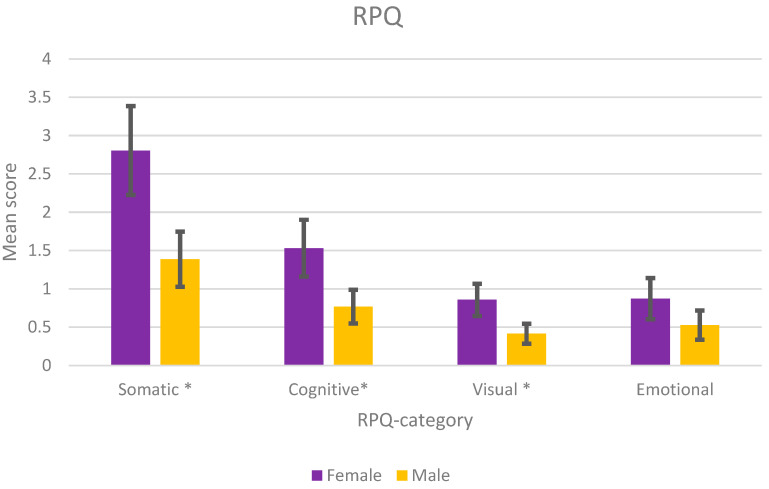
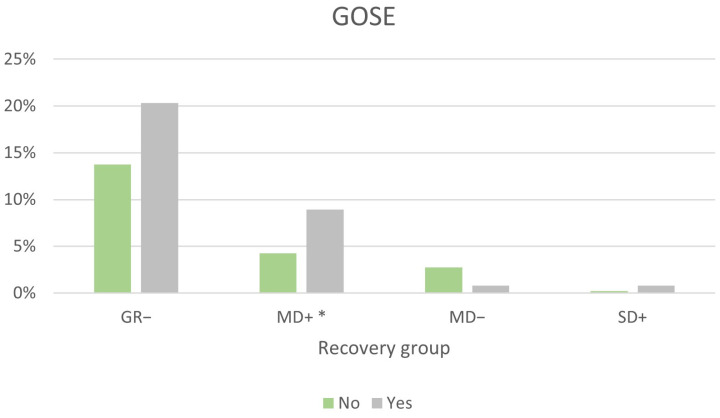
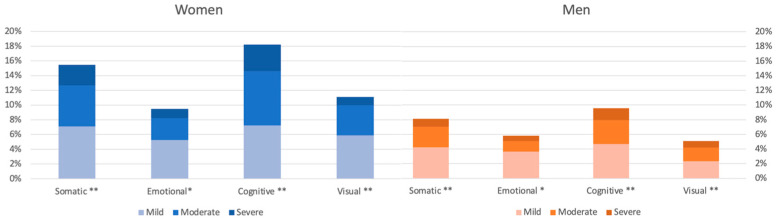
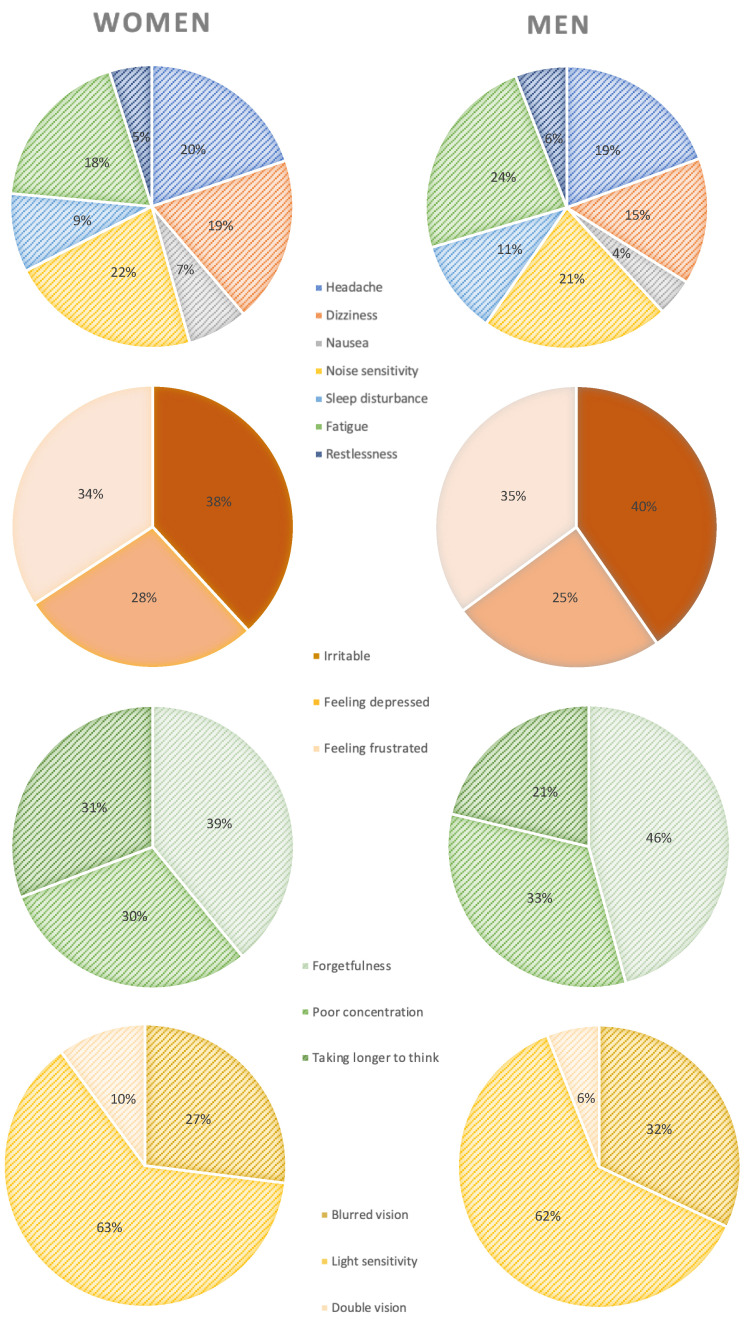
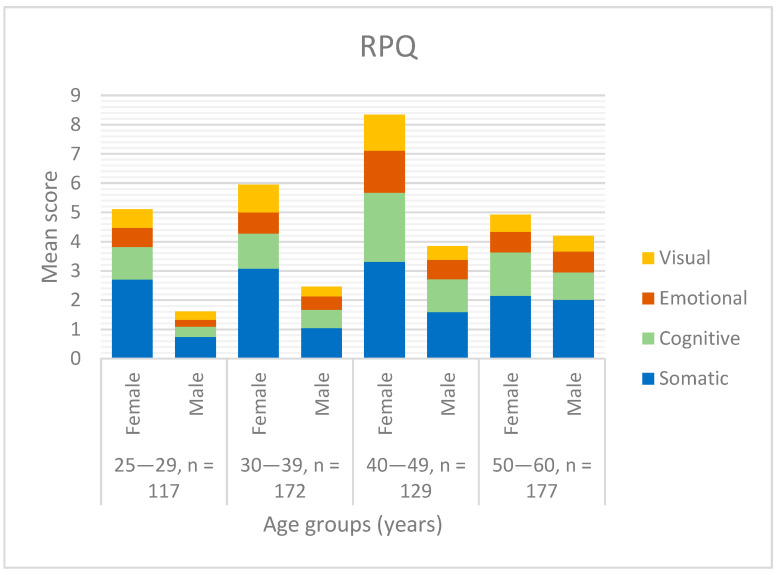
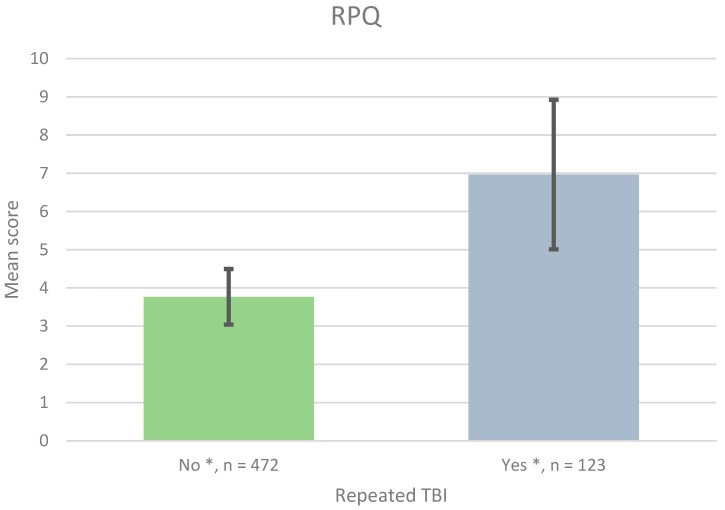
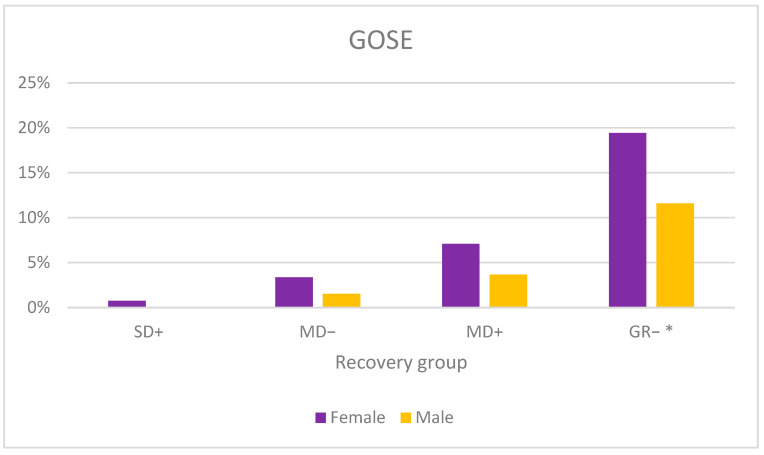
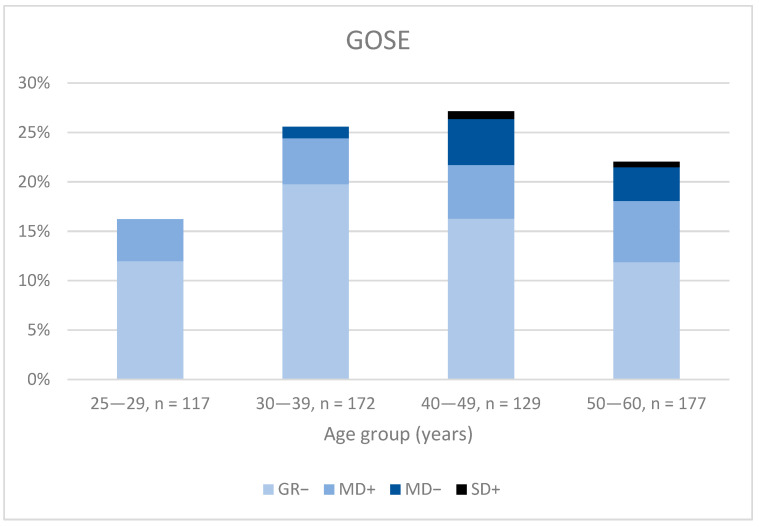
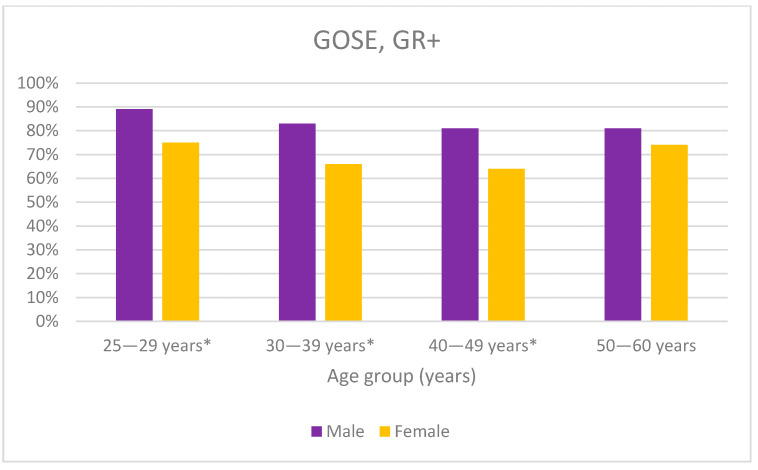
Many people who suffer traumatic brain injury (TBI) have long-term residual symptoms. This study evaluates post-TBI symptoms and disabilities seven to eight years after mild TBI (mTBI), with specific aims to evaluate gender and age differences, and whether repeated TBI leads to the deterioration of symptoms and function. Telephone interviews with 595 patients were conducted using the Rivermead Post-Concussion Symptoms Questionnaire (RPQ) to assess post-TBI symptoms, and the Glasgow Outcome Scale Extended (GOSE) was used to assess disability. Thirty-four percent reported post-concussion symptoms (40% of females and 29% of males). The symptom burden was higher in women than in men, and higher in patients with repeated TBI. The distribution of symptoms was similar for women and men. Women reported a significantly higher level of disability on GOSE; 31% had not returned fully to daily life, compared with 17% of men ( < 0.001), the biggest difference being in the age group of 25-49 years. Patients with repeated mTBI reported significantly lower scores on GOSE; 31% had not returned fully to daily life, compared with 21% of the single-TBI patients ( < 0.05). After mild TBI, one of three patients reported at least one post-TBI symptom. Women and individuals with repeated TBI presented a worse GOSE outcome. These findings have implications for clinical practice and research and should be taken into consideration when planning the rehabilitation and follow-up of mTBI patients. This also emphasises the importance of informing patients about post-concussion symptoms and when to seek healthcare.
许多遭受创伤性脑损伤(TBI)的人都有长期的残留症状。本研究评估了轻度创伤性脑损伤(mTBI)后七至八年的TBI后症状和残疾情况,具体目的是评估性别和年龄差异,以及重复性TBI是否会导致症状和功能恶化。使用Rivermead脑震荡后症状问卷(RPQ)对595名患者进行电话访谈,以评估TBI后症状,并使用扩展的格拉斯哥预后量表(GOSE)评估残疾情况。34%的患者报告有脑震荡后症状(女性为40%,男性为29%)。女性的症状负担高于男性,重复性TBI患者的症状负担更高。男女症状分布相似。女性在GOSE上报告的残疾水平明显更高;31%的女性尚未完全恢复日常生活,而男性为17%(<0.001),最大差异出现在25 - 49岁年龄组。重复性mTBI患者在GOSE上的得分明显更低;31%的患者尚未完全恢复日常生活,而单次TBI患者为21%(<0.05)。轻度TBI后,三分之一的患者报告至少有一种TBI后症状。女性和重复性TBI患者的GOSE结果更差。这些发现对临床实践和研究具有启示意义,在规划mTBI患者的康复和随访时应予以考虑。这也强调了告知患者脑震荡后症状以及何时寻求医疗护理的重要性。