Casarrubios Laura, Cicuéndez Mónica, Vallet-Regí María, Portolés María Teresa, Arcos Daniel, Feito María José
Departamento de Bioquímica y Biología Molecular, Facultad de Ciencias Químicas, Universidad Complutense de Madrid, 28040 Madrid, Spain.
Instituto de Investigación Sanitaria del Hospital Clínico San Carlos (IdISSC), 28040 Madrid, Spain.
Nanomaterials (Basel). 2023 Jul 26;13(15):2183. doi: 10.3390/nano13152183.
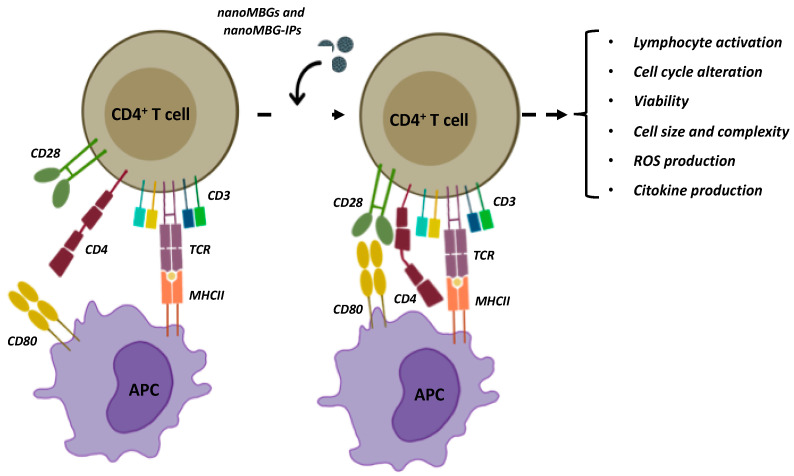
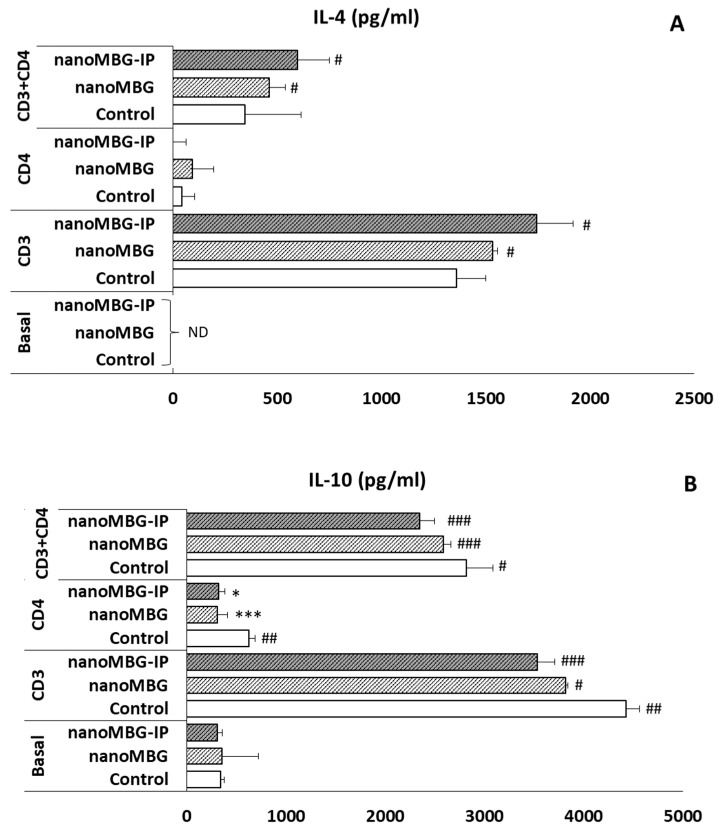
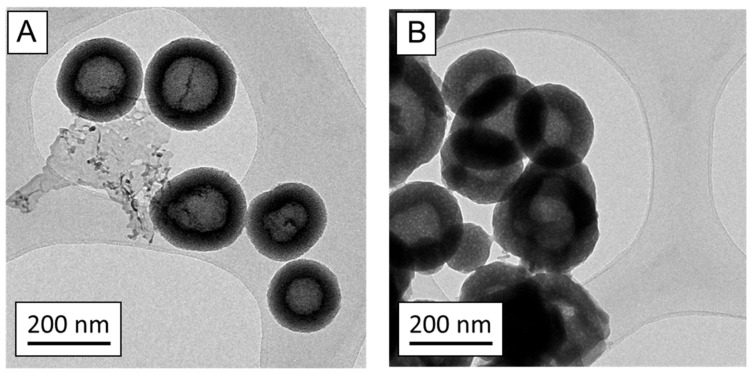
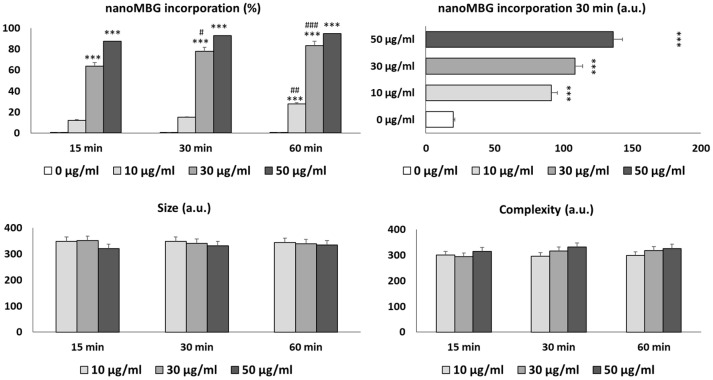
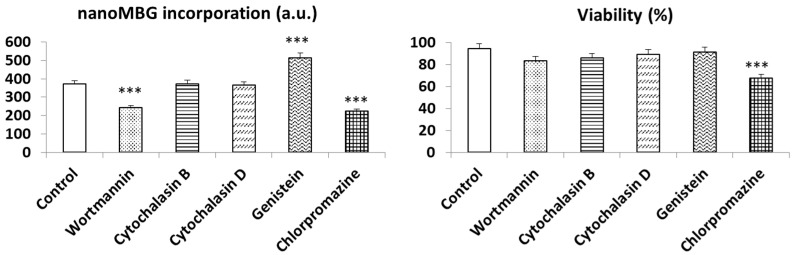
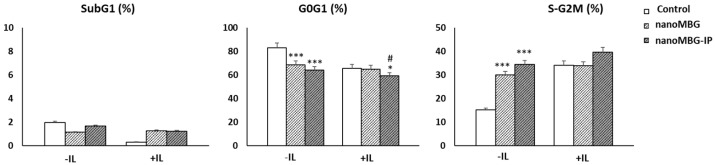
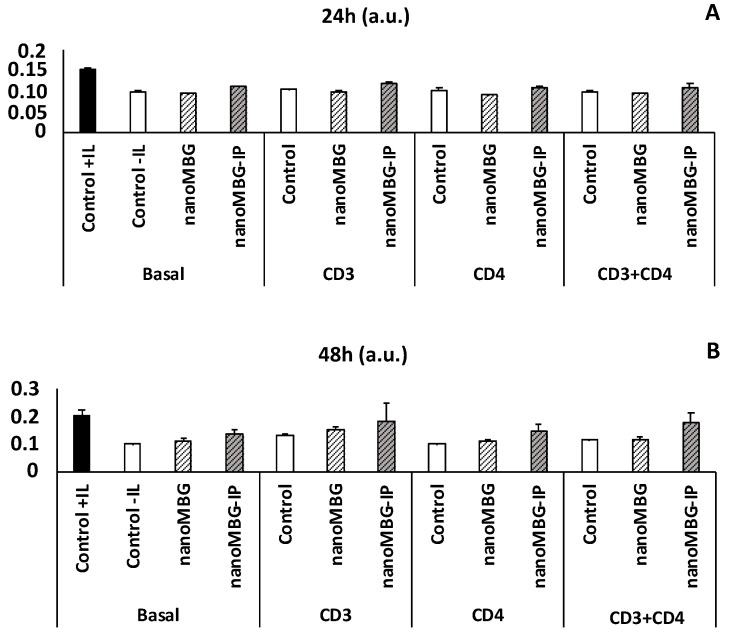
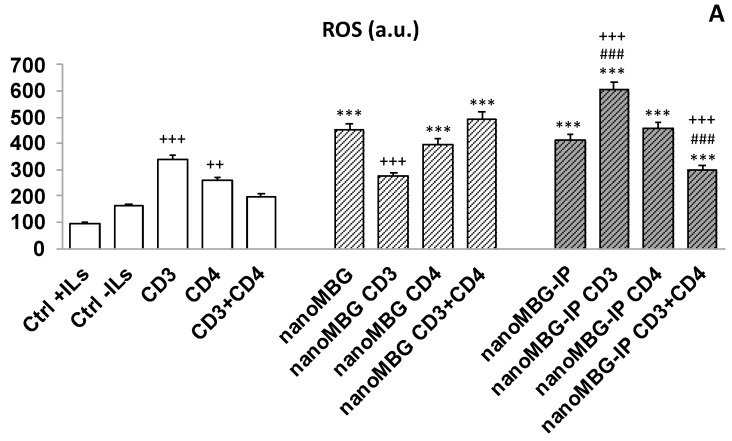
Bioactive mesoporous glass nanospheres (nanoMBGs) charged with antiosteoporotic drugs have great potential for the treatment of osteoporosis and fracture prevention. In this scenario, cells of the immune system are essential both in the development of disease and in their potential to stimulate therapeutic effects. In the present work, we hypothesize that nanoMBGs loaded with ipriflavone can exert a positive osteoimmune effect. With this objective, we assessed the effects of non-loaded and ipriflavone-loaded nanoparticles (nanoMBGs and nanoMBG-IPs, respectively) on CD4 Th2 lymphocytes because this kind of cell is implicated in the inhibition of osseous loss by reducing the RANKL/OPG relationship through the secretion of cytokines. The results indicate that nanoMBGs enter efficiently in CD4 Th2 lymphocytes, mainly through phagocytosis and clathrin-dependent mechanisms, without affecting the function of these T cells or inducing inflammatory mediators or oxidative stress, thus maintaining the reparative Th2 phenotype. Furthermore, the incorporation of the anti-osteoporotic drug ipriflavone reduces the potential unwanted inflammatory response by decreasing the presence of ROS and stimulating intracellular anti-inflammatory cytokine release like IL-4. These results evidenced that nanoMBG loaded with ipriflavone exerts a positive osteoimmune effect.
负载抗骨质疏松药物的生物活性介孔玻璃纳米球(nanoMBGs)在治疗骨质疏松症和预防骨折方面具有巨大潜力。在这种情况下,免疫系统细胞在疾病发展及其刺激治疗效果的潜力方面都至关重要。在本研究中,我们假设负载依普黄酮的nanoMBGs可发挥积极的骨免疫效应。出于这一目的,我们评估了未负载和负载依普黄酮的纳米颗粒(分别为nanoMBGs和nanoMBG-IPs)对CD4 Th2淋巴细胞的影响,因为这类细胞通过分泌细胞因子降低RANKL/OPG比值,从而参与抑制骨质流失。结果表明,nanoMBGs主要通过吞噬作用和网格蛋白依赖性机制高效进入CD4 Th2淋巴细胞,而不影响这些T细胞的功能,也不诱导炎症介质或氧化应激,从而维持修复性Th2表型。此外,抗骨质疏松药物依普黄酮的掺入通过减少活性氧的存在并刺激细胞内抗炎细胞因子如IL-4的释放,降低了潜在的不必要的炎症反应。这些结果证明,负载依普黄酮的nanoMBG发挥了积极的骨免疫效应。