Department of Maxillofacial and Otorhinolaryngological Oncology, Tianjin Medical University Cancer Institute & Hospital, National Clinical Research Center for Cancer; Key Laboratory of Cancer Prevention and Therapy, Tianjin; Tianjin's Clinical Research Center for Cancer, Tianjin, 300060, China.
Cell Death Dis. 2023 Aug 12;14(8):517. doi: 10.1038/s41419-023-06035-0.
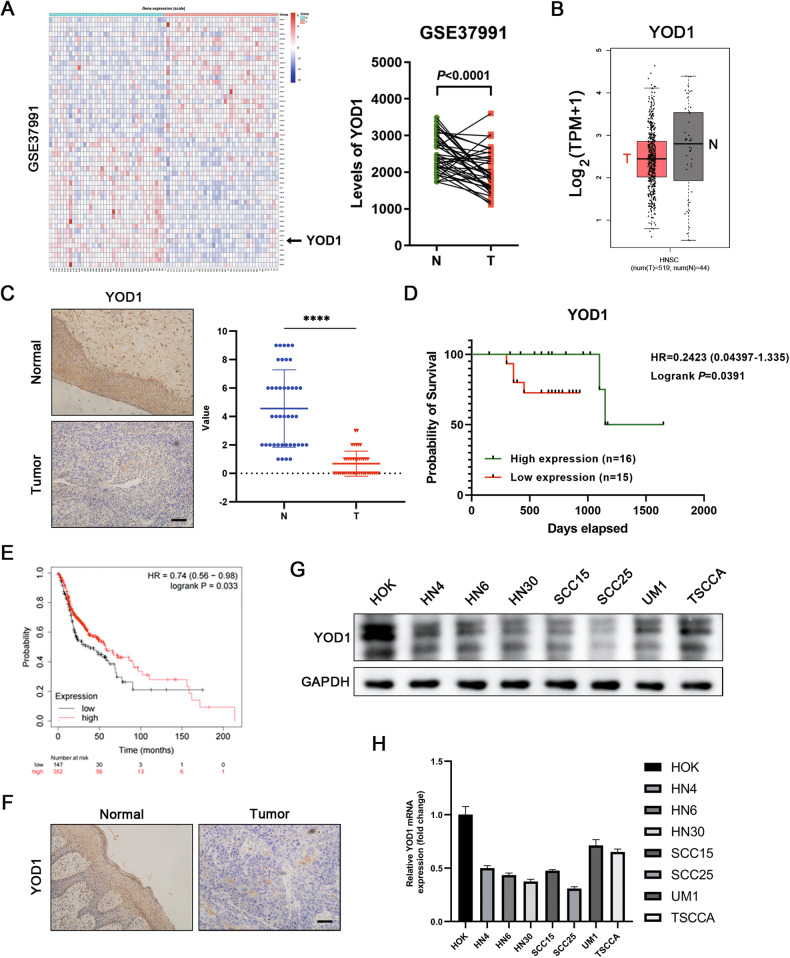
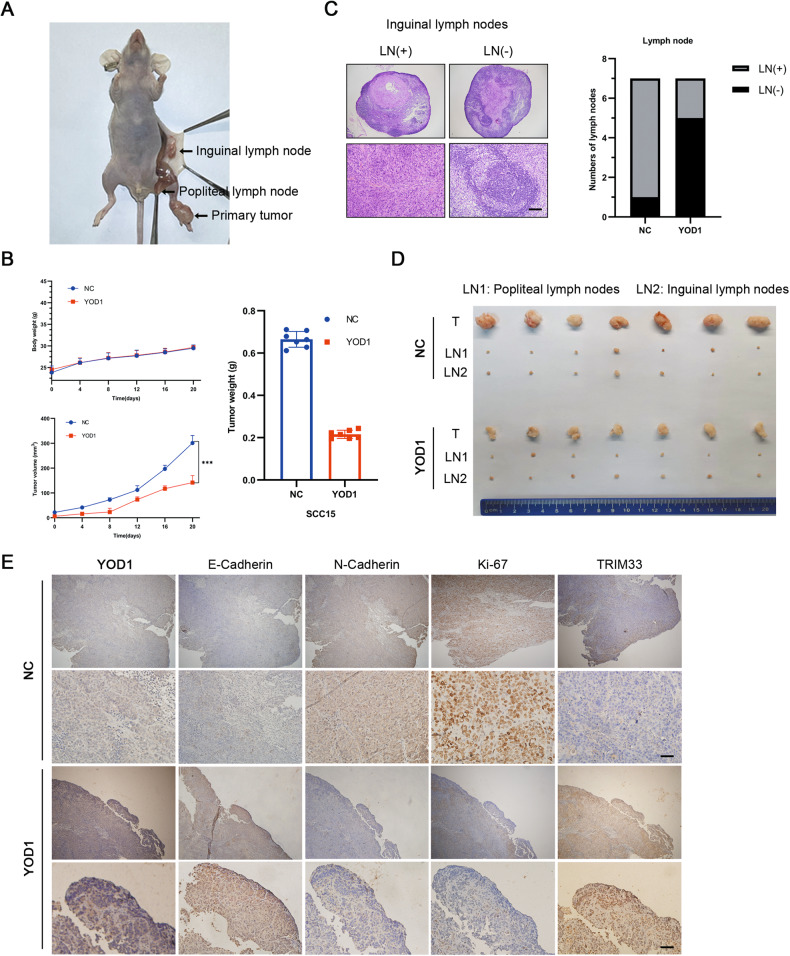
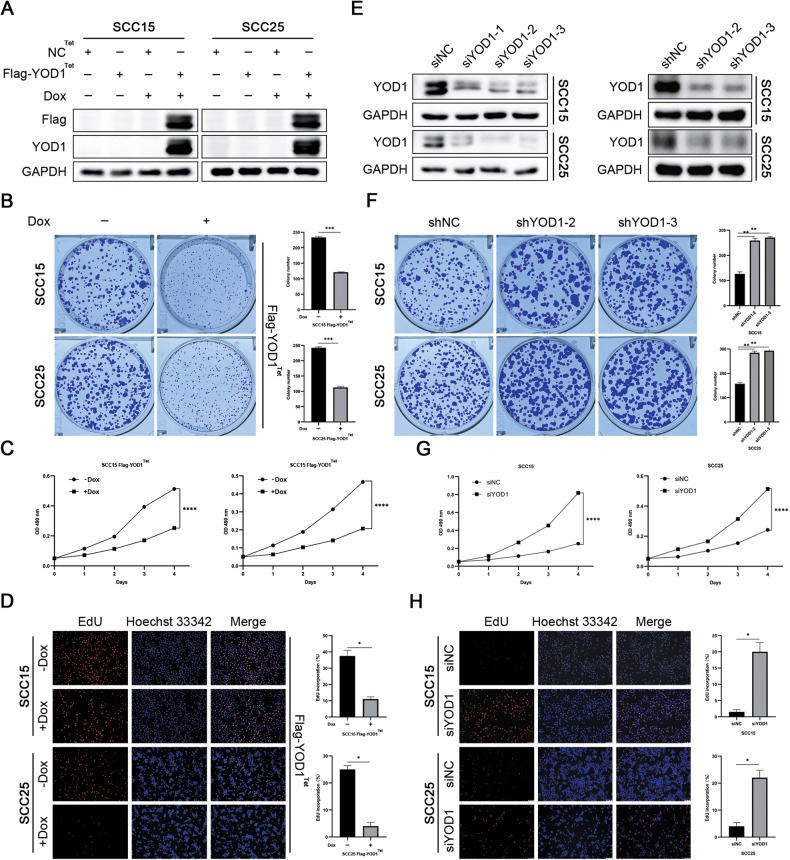
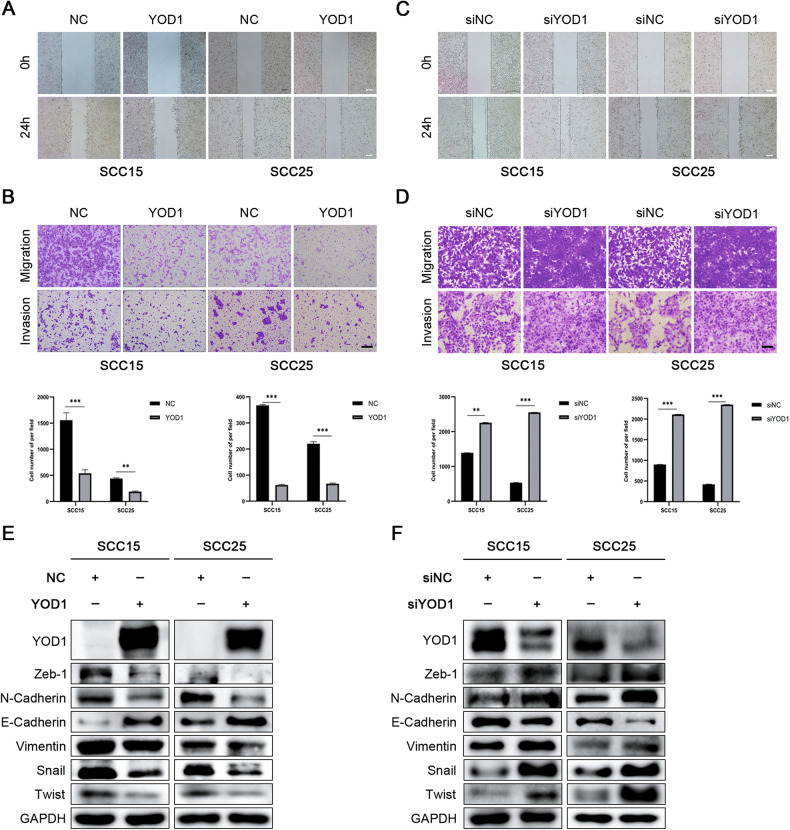
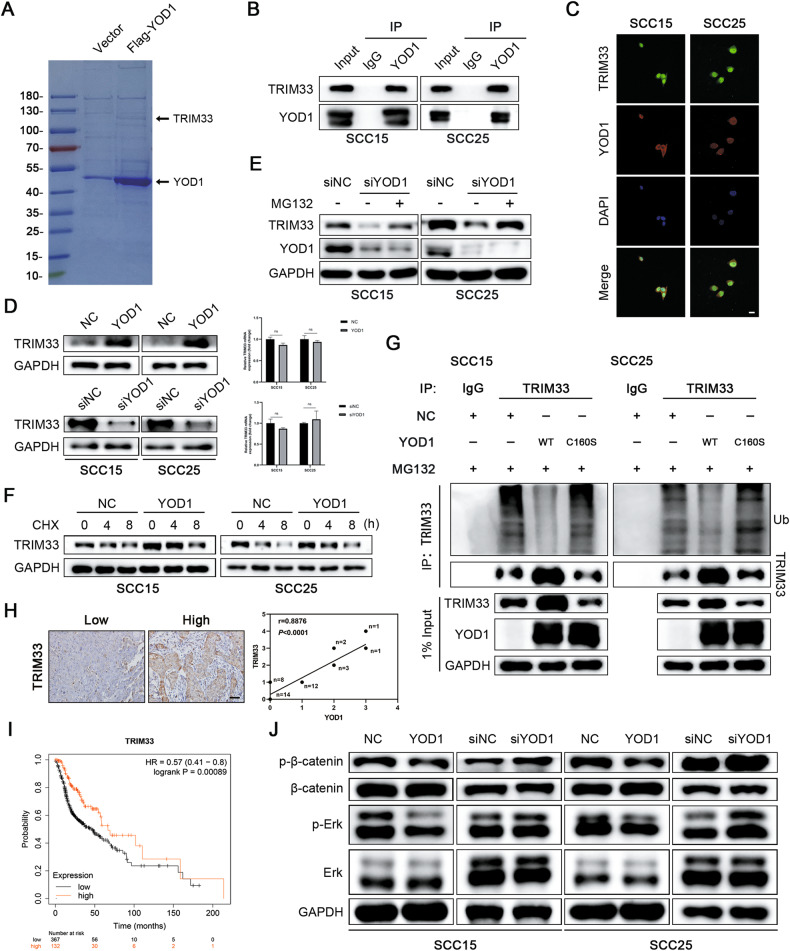
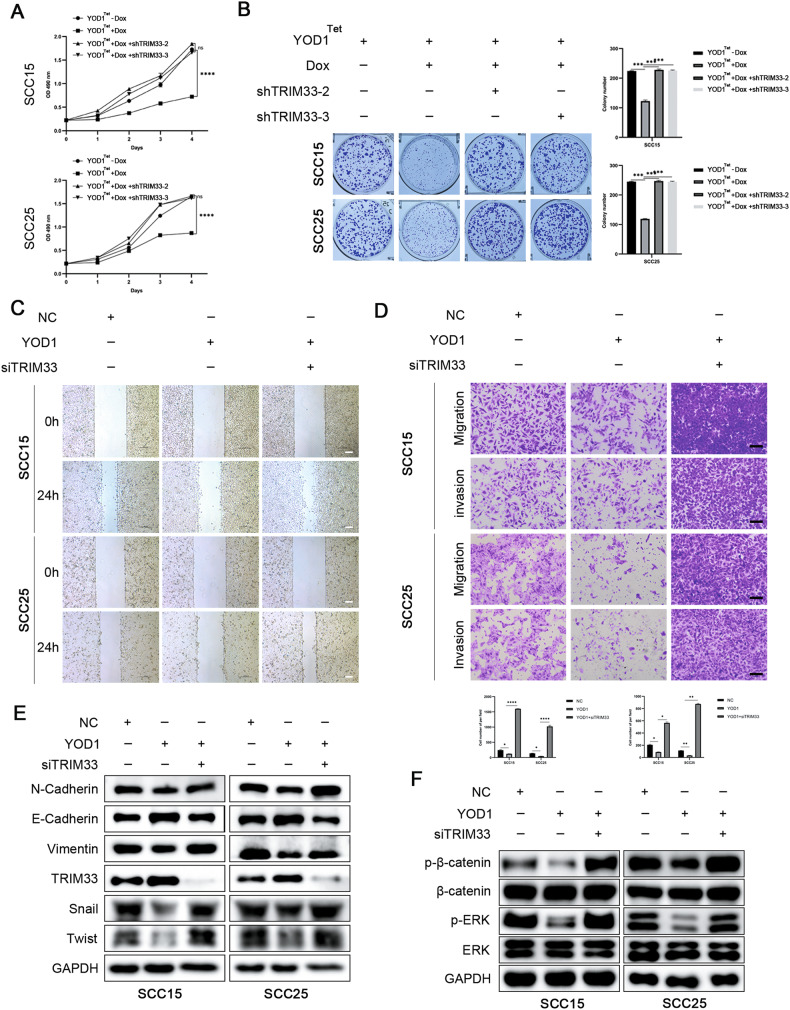
Ubiquitination is a reversible process that not only controls protein synthesis and degradation, but also is essential for protein transport, localization and biological activity. Deubiquitinating enzyme (DUB) dysfunction leads to various diseases, including cancer. In this study, we aimed to explore the functions and mechanisms of crucial DUBs in head and neck squamous cell carcinoma (HNSCC). Based on bioinformatic analysis and immunohistochemistry detection, YOD1 was identified to be significantly downregulated in HNSCC specimens compared with adjacent normal tissues. Further analysis revealed that reduced YOD1 expression was associated with the malignant progression of HNSCC and indicated poor prognosis. The results of the in vitro and in vivo experiments verified that YOD1 depletion significantly promoted growth, invasion, and epithelial-mesenchymal transition in HNSCC. Mechanistically, YOD1 inhibited the activation of the ERK/β-catenin pathway by suppressing the ubiquitination and degradation of TRIM33, leading to the constriction of HNSCC progression. Overall, our findings reveal the molecular mechanism underlying the role of YOD1 in tumor progression and provide a novel potential therapeutic target for HNSCC treatment.
泛素化是一个可逆的过程,不仅控制着蛋白质的合成和降解,而且对蛋白质的运输、定位和生物活性也至关重要。去泛素化酶(DUB)功能障碍会导致各种疾病,包括癌症。在这项研究中,我们旨在探索头颈部鳞状细胞癌(HNSCC)中关键 DUB 的功能和机制。基于生物信息学分析和免疫组织化学检测,发现 YOD1 在 HNSCC 标本中的表达明显低于相邻正常组织。进一步的分析表明,YOD1 表达的降低与 HNSCC 的恶性进展有关,并提示预后不良。体外和体内实验的结果证实,YOD1 的耗竭显著促进了 HNSCC 的生长、侵袭和上皮-间充质转化。在机制上,YOD1 通过抑制 TRIM33 的泛素化和降解来抑制 ERK/β-catenin 通路的激活,从而限制 HNSCC 的进展。总的来说,我们的研究结果揭示了 YOD1 在肿瘤进展中的作用的分子机制,并为 HNSCC 的治疗提供了一个新的潜在治疗靶点。