Adeoye Oluwatayo, Kozyreva Olga
Medicine, St. Elizabeth's Medical Center, Brighton, USA.
Medical Oncology, Dana-Farber Cancer Institute, Brighton, USA.
Cureus. 2023 Jul 12;15(7):e41783. doi: 10.7759/cureus.41783. eCollection 2023 Jul.
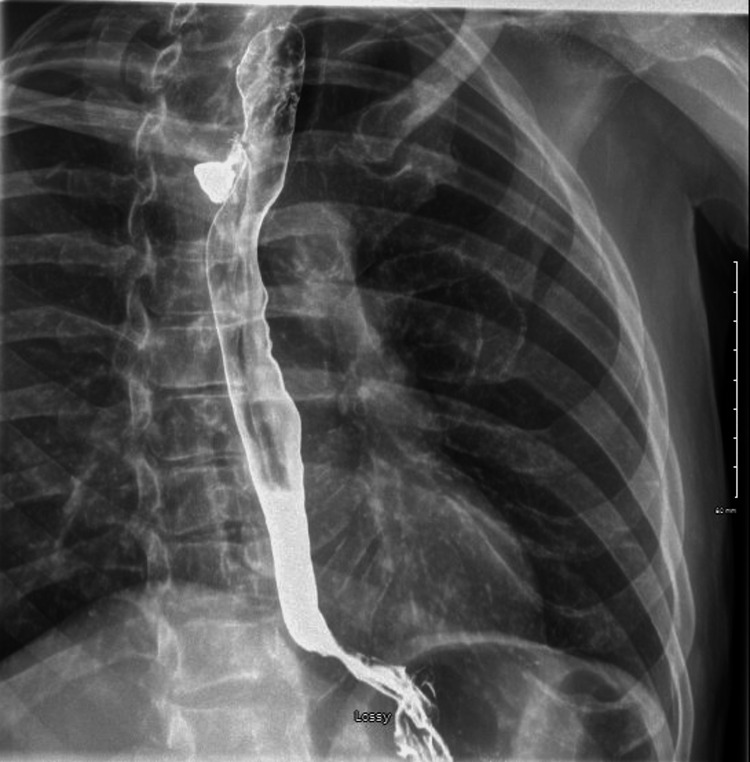
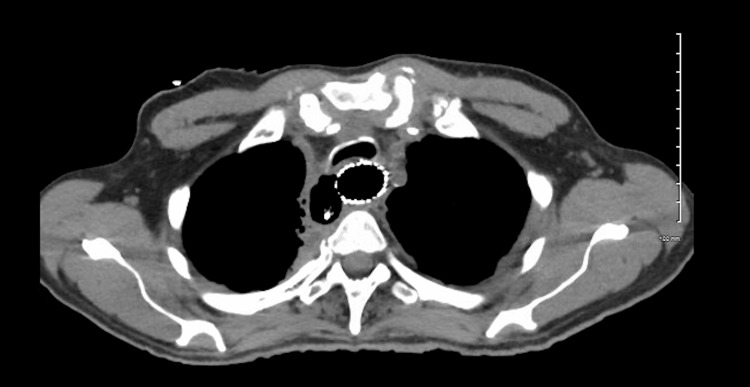
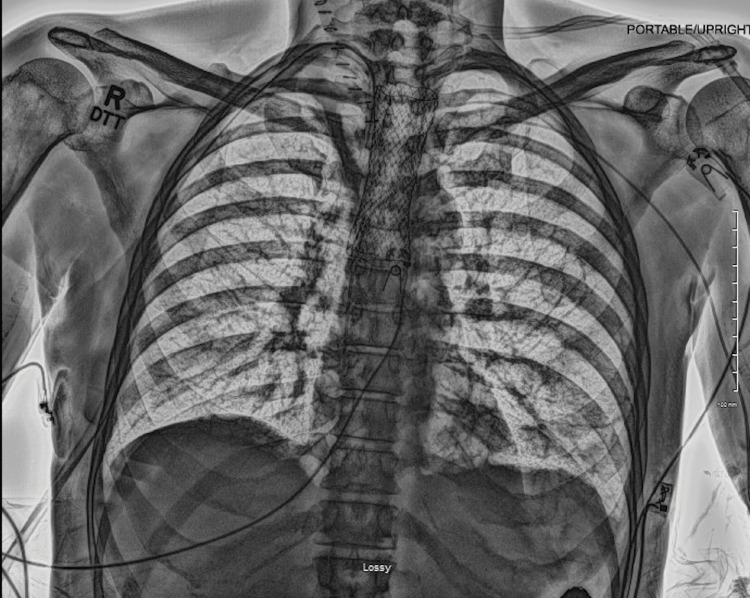
Treatment with antiangiogenic tyrosine kinase inhibitors (TKIs) has shown longer overall survival (OS) and progression-free survival (PFS) than with placebo in patients with advanced hepatocellular carcinoma (HCC) who have previously received systemic therapy. Unfortunately, TKIs are associated with some rare adverse events such as tracheoesophageal fistula formation (TEF). The common risk factors for TEF formation include radiation therapy, prior instrumentation of the esophagus/airway, surgery, and esophagitis. We present a case of a 64-year-old man with a history of HCC who developed TEF after three months of treatment with cabozantinib. Patients experiencing these events require prompt termination of the antiangiogenic TKI. Urgent intervention should be pursued to prevent respiratory failure. Clinicians should be aware of the potential adverse effects of antiangiogenic TKIs, especially in high-risk patients.
对于先前接受过全身治疗的晚期肝细胞癌(HCC)患者,与使用安慰剂相比,使用抗血管生成酪氨酸激酶抑制剂(TKIs)治疗可显示更长的总生存期(OS)和无进展生存期(PFS)。不幸的是,TKIs与一些罕见的不良事件相关,如气管食管瘘形成(TEF)。TEF形成的常见风险因素包括放射治疗、先前的食管/气道器械操作、手术和食管炎。我们报告一例64岁有HCC病史的男性患者,其在接受卡博替尼治疗三个月后发生了TEF。发生这些事件的患者需要立即停用抗血管生成TKI。应进行紧急干预以预防呼吸衰竭。临床医生应意识到抗血管生成TKIs的潜在不良反应,尤其是在高危患者中。