Department of Pulmonary and Critical Care Medicine, The First People's Hospital of Yunnan Province, Kunming, China.
The Affiliated Hospital of Kunming University of Science and Technology, Kunming, Yunnan, China.
Front Cell Infect Microbiol. 2023 Jul 28;13:1217984. doi: 10.3389/fcimb.2023.1217984. eCollection 2023.
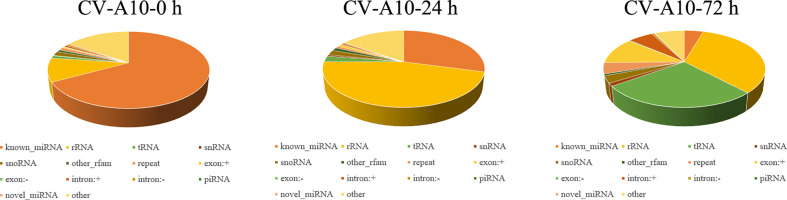
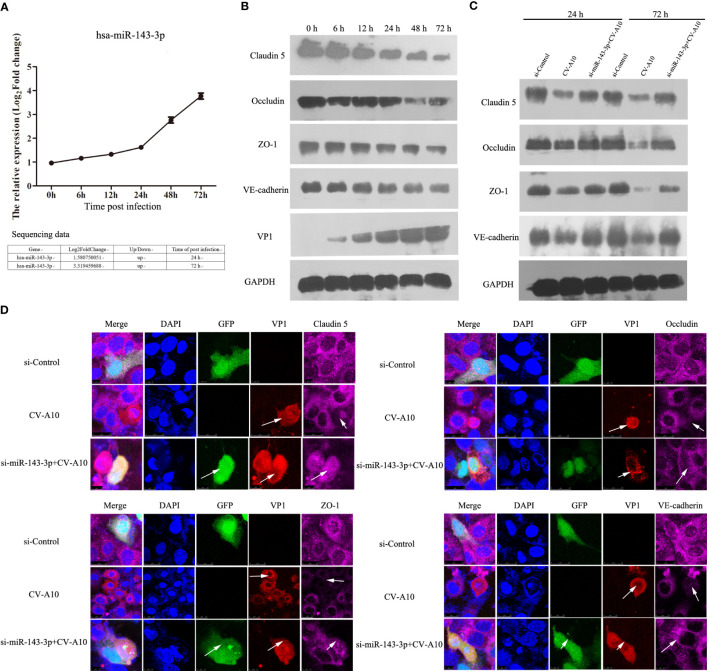
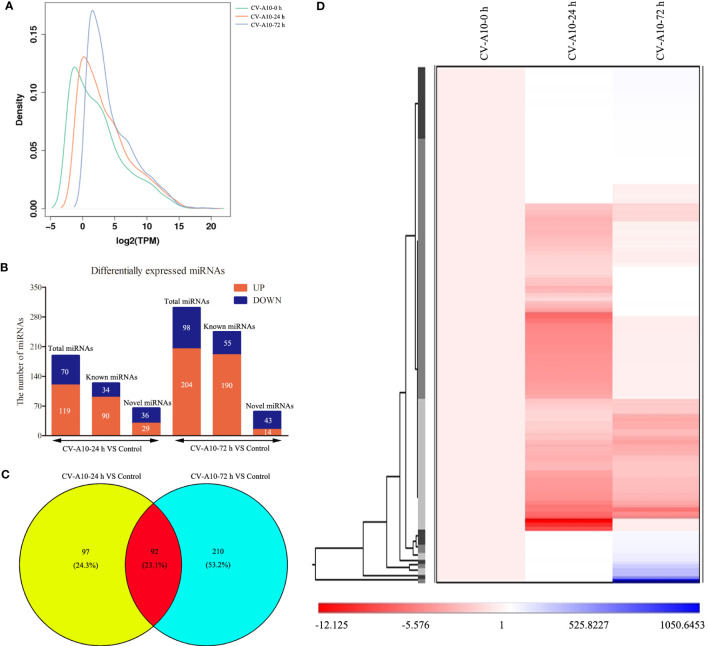
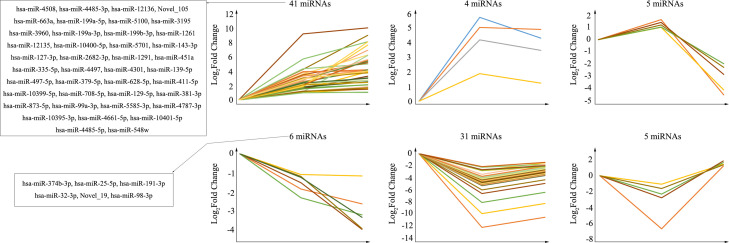
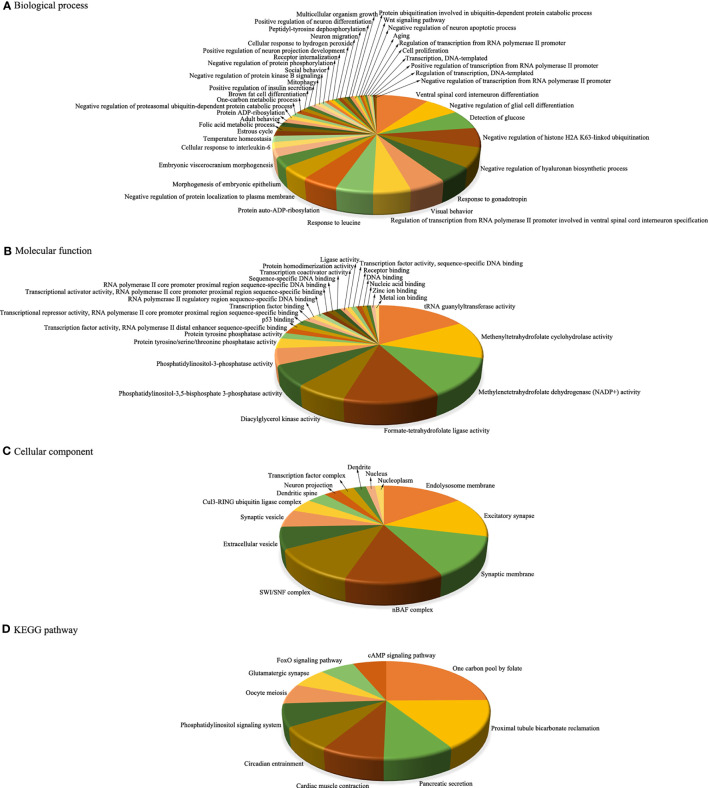
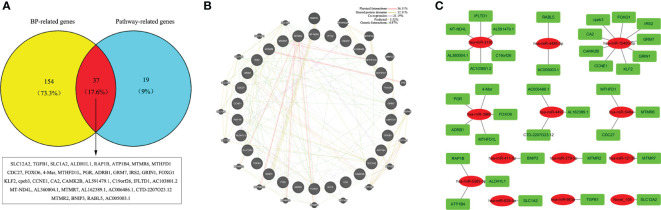
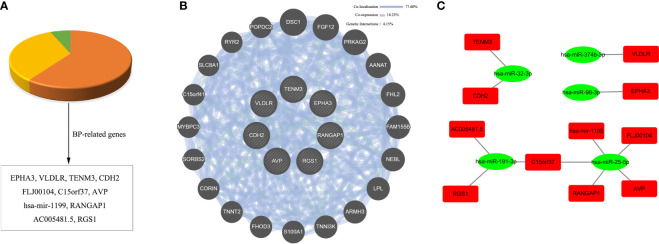
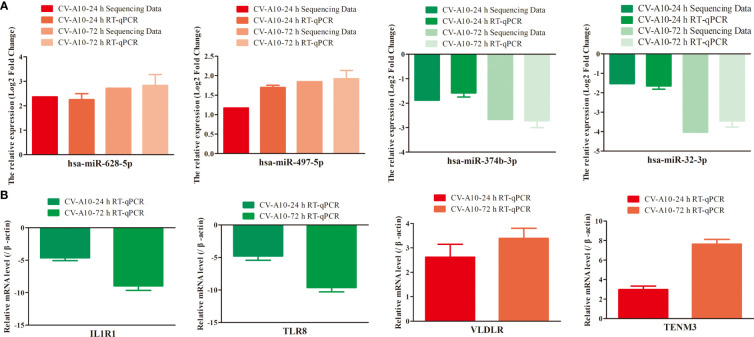
Coxsackievirus A10 (CV-A10) has been one of the main etiologies of hand, foot, and mouth disease (HFMD) epidemics in recent years and can cause mild to severe illness and even death. Most of these severe and fatal cases were closely associated with neurological impairments, but the potential mechanism of neuropathological injury triggered by CV-A10 infection has not been elucidated. MicroRNAs (miRNAs), implicated in the regulation of gene expression in a post-transcriptional manner, play a vital role in the pathogenesis of various central nervous system (CNS) diseases; therefore, they serve as diagnostic biomarkers and are emerging as novel therapeutic targets for CNS injuries. To gain insights into the CV-A10-induced regulation of host miRNA-processing machinery, we employed high-throughput sequencing to identify differentially expressed miRNAs in CV-A10-infected human umbilical vein endothelial cells (HUVECs) and further analyzed the potential functions of these miRNAs during CV-A10 infection. The results showed that CV-A10 infection could induce 189 and 302 significantly differentially expressed miRNAs in HUVECs at 24 and 72 hpi, respectively, compared with the uninfected control. Moreover, the expression of four selected miRNAs and their relevant mRNAs was determined to verify the sequencing data by quantitative reverse transcription-polymerase chain reaction (RT-qPCR) methods. After that, gene target prediction and functional annotation revealed that the targets of these dysregulated miRNAs were mostly enriched in cell proliferation, signal transduction, cAMP signalling pathway, cellular response to interleukin-6, ventral spinal cord interneuron differentiation, negative regulation of glial cell differentiation, neuron migration, positive regulation of neuron projection development, etc., which were primarily involved in the processes of basic physiology, host immunity, and neurological impairments and further reflected vital regulatory roles of miRNA in viral pathogenicity. Finally, the construction of a miRNA-regulated network also suggested that the complex regulatory mechanisms mediated by miRNAs might be involved in viral pathogenesis and virus-host interactions during CV-A10 infection. Furthermore, among these dysregulated miRNAs, miR-143-3p was demonstrated to be involved in the maintenance of blood-brain barrier (BBB) integrity.
柯萨奇病毒 A10(CV-A10)是近年来手足口病(HFMD)流行的主要病因之一,可引起轻症至重症甚至死亡。这些重症和致死病例大多与神经损伤密切相关,但 CV-A10 感染引发神经病理损伤的潜在机制尚未阐明。微小 RNA(miRNA)通过转录后水平调控基因表达,在多种中枢神经系统(CNS)疾病的发病机制中发挥重要作用;因此,它们可作为诊断生物标志物,并成为 CNS 损伤的新型治疗靶点。为了深入了解 CV-A10 诱导的宿主 miRNA 加工机制,我们采用高通量测序技术鉴定了 CV-A10 感染人脐静脉内皮细胞(HUVEC)中差异表达的 miRNA,并进一步分析了这些 miRNA 在 CV-A10 感染过程中的潜在功能。结果显示,与未感染对照组相比,CV-A10 感染 24 和 72 hpi 的 HUVEC 中分别有 189 个和 302 个 miRNA 显著差异表达。此外,我们通过定量逆转录聚合酶链反应(RT-qPCR)方法选择了四个差异表达 miRNA 及其相关 mRNA 进行验证测序数据。随后,通过基因靶标预测和功能注释发现,这些失调 miRNA 的靶标主要富集在细胞增殖、信号转导、cAMP 信号通路、细胞对白细胞介素-6 的反应、腹侧脊髓中间神经元分化、胶质细胞分化的负调控、神经元迁移、神经元投射发育的正调控等过程中,这些过程主要涉及基本生理、宿主免疫和神经损伤,进一步反映了 miRNA 在病毒发病机制中的重要调节作用。最后,构建 miRNA 调控网络也表明,miRNA 介导的复杂调控机制可能参与了 CV-A10 感染过程中的病毒发病机制和病毒-宿主相互作用。此外,在这些失调的 miRNA 中,miR-143-3p 被证明参与了血脑屏障(BBB)完整性的维持。