• 文献检索
  • 文档翻译
  • 深度研究
  • 学术资讯
  • Suppr Zotero 插件Zotero 插件
  • 邀请有礼
  • 套餐&价格
  • 历史记录
应用&插件
Suppr Zotero 插件Zotero 插件浏览器插件Mac 客户端Windows 客户端微信小程序
定价
高级版会员购买积分包购买API积分包
服务
文献检索文档翻译深度研究API 文档MCP 服务
关于我们
关于 Suppr公司介绍联系我们用户协议隐私条款
关注我们

Suppr 超能文献

核心技术专利:CN118964589B侵权必究
粤ICP备2023148730 号-1Suppr @ 2026

文献检索

告别复杂PubMed语法,用中文像聊天一样搜索,搜遍4000万医学文献。AI智能推荐,让科研检索更轻松。

立即免费搜索

文件翻译

保留排版,准确专业,支持PDF/Word/PPT等文件格式,支持 12+语言互译。

免费翻译文档

深度研究

AI帮你快速写综述,25分钟生成高质量综述,智能提取关键信息,辅助科研写作。

立即免费体验

幼虫冷痛觉感受的神经基质

Neural substrates of cold nociception in larva.

作者信息

Patel Atit A, Cardona Albert, Cox Daniel N

机构信息

Neuroscience Institute, Georgia State University, Atlanta, GA, USA.

HHMI Janelia Research Campus, Ashburn, VA, USA.

出版信息

bioRxiv. 2025 Jan 27:2023.07.31.551339. doi: 10.1101/2023.07.31.551339.

DOI:10.1101/2023.07.31.551339
PMID:37577520
原文链接:https://pmc.ncbi.nlm.nih.gov/articles/PMC10418107/
Abstract

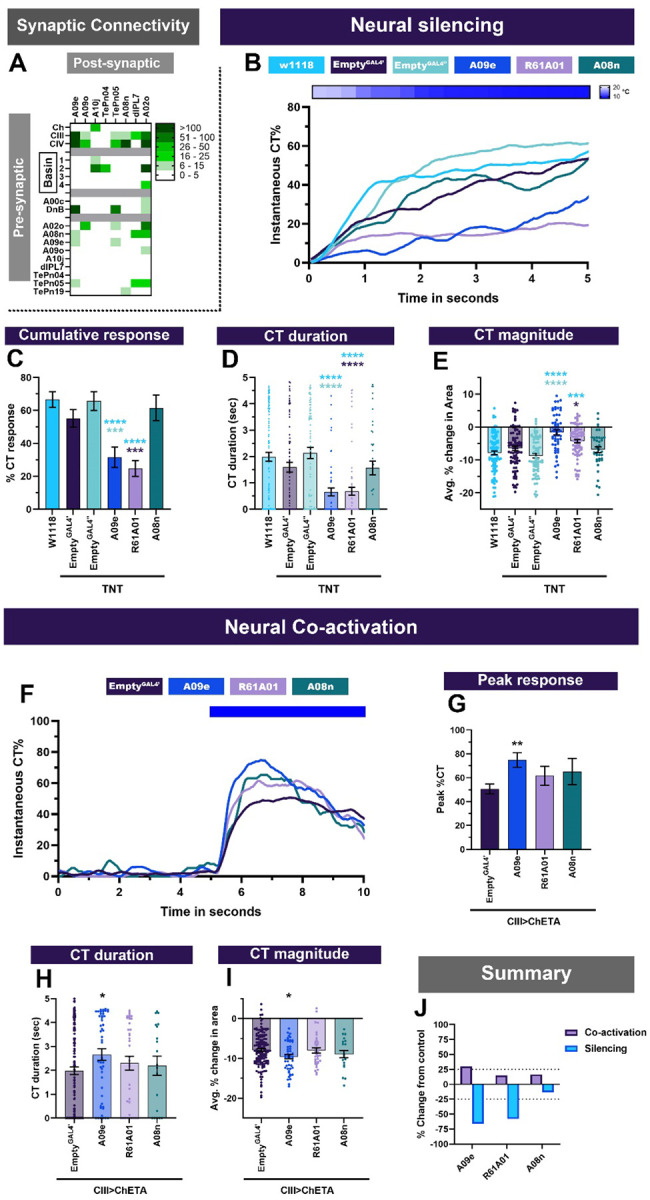
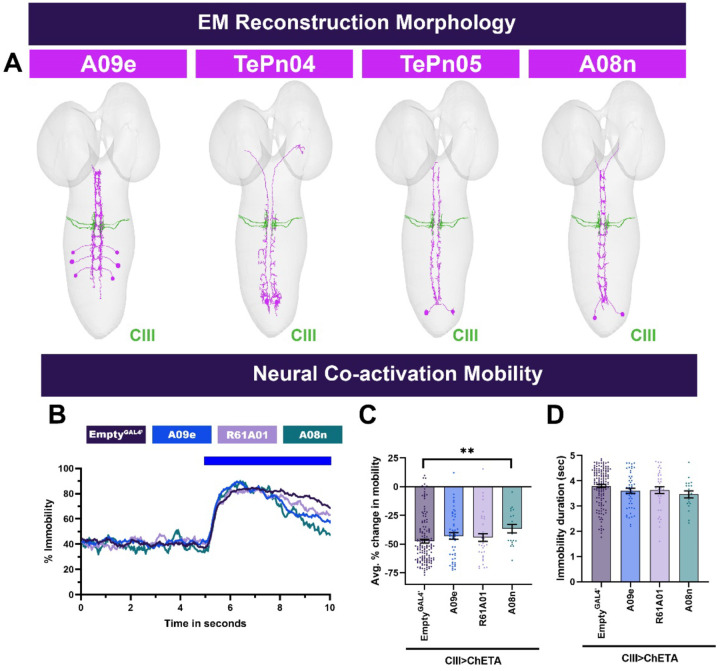
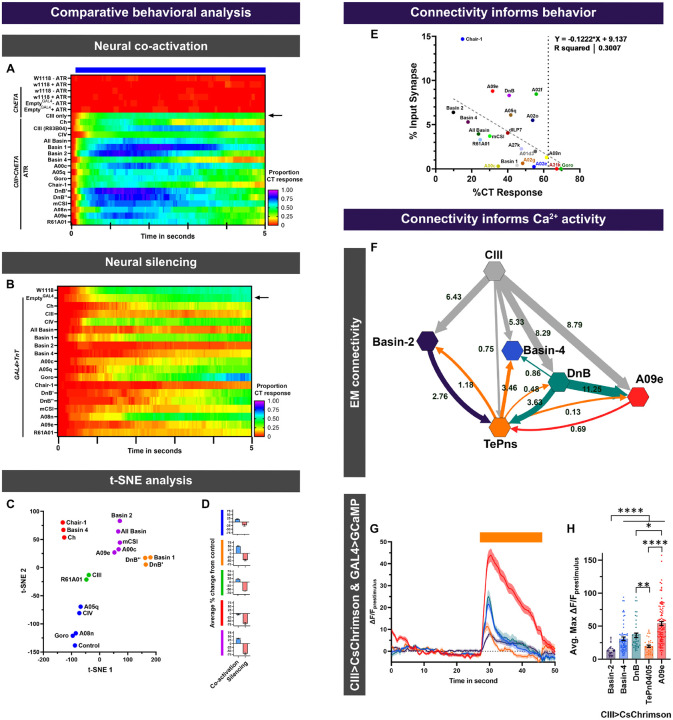
Metazoans detect and differentiate between innocuous (non-painful) and/or noxious (harmful) environmental cues using primary sensory neurons, which serve as the first node in a neural network that computes stimulus specific behaviors to either navigate away from injury-causing conditions or to perform protective behaviors that mitigate extensive injury. The ability of an animal to detect and respond to various sensory stimuli depends upon molecular diversity in the primary sensors and the underlying neural circuitry responsible for the relevant behavioral action selection. Recent studies in larvae have revealed that somatosensory class III multidendritic (CIII md) neurons function as multimodal sensors regulating distinct behavioral responses to innocuous mechanical and nociceptive thermal stimuli. Recent advances in circuit bases of behavior have identified and functionally validated larval somatosensory circuitry involved in innocuous (mechanical) and noxious (heat and mechanical) cues. However, central processing of cold nociceptive cues remained unexplored. We implicate multisensory integrators (Basins), premotor (Down-and-Back) and projection (A09e and TePns) neurons as neural substrates required for cold-evoked behavioral and calcium responses. Neural silencing of cell types downstream of CIII md neurons led to significant reductions in cold-evoked behaviors and neural co-activation of CIII md neurons plus additional cell types facilitated larval contraction (CT) responses. Further, we demonstrate that optogenetic activation of CIII md neurons evokes calcium increases in these neurons. Finally, we characterize the premotor to motor neuron network underlying cold-evoked CT and delineate the muscular basis of CT response. Collectively, we demonstrate how larvae process cold stimuli through functionally diverse somatosensory circuitry responsible for generating stimulus-specific behaviors.

摘要

后生动物利用初级感觉神经元来检测无害(非疼痛性)和/或有害(伤害性)的环境线索,并对它们加以区分。这些初级感觉神经元是神经网络中的第一个节点,该网络会计算特定刺激的行为,以便要么远离造成伤害的环境,要么执行减轻广泛损伤的保护行为。动物检测和响应各种感觉刺激的能力取决于初级传感器中的分子多样性以及负责相关行为动作选择的潜在神经回路。最近对幼虫的研究表明,躯体感觉III类多树突(CIII md)神经元作为多模式传感器,调节对无害机械刺激和伤害性热刺激的不同行为反应。行为的神经回路基础方面的最新进展已经确定并在功能上验证了参与无害(机械)和有害(热和机械)线索的幼虫躯体感觉神经回路。然而,冷伤害性线索的中枢处理仍未得到探索。我们认为多感觉整合器(Basins)、运动前(Down-and-Back)和投射(A09e和TePns)神经元是冷诱发行为和钙反应所需的神经基质。CIII md神经元下游细胞类型的神经沉默导致冷诱发行为显著减少,而CIII md神经元与其他细胞类型的神经共激活促进了幼虫收缩(CT)反应。此外,我们证明了CIII md神经元的光遗传学激活会引起这些神经元内钙的增加。最后,我们描述了冷诱发CT背后的运动前神经元到运动神经元网络,并阐明了CT反应的肌肉基础。总的来说,我们展示了幼虫如何通过功能多样的躯体感觉神经回路来处理冷刺激,这些神经回路负责产生特定刺激的行为。

https://cdn.ncbi.nlm.nih.gov/pmc/blobs/b2e4/11781473/5a4c09ca3853/nihpp-2023.07.31.551339v2-f0028.jpg
https://cdn.ncbi.nlm.nih.gov/pmc/blobs/b2e4/11781473/9243e2558675/nihpp-2023.07.31.551339v2-f0001.jpg
https://cdn.ncbi.nlm.nih.gov/pmc/blobs/b2e4/11781473/4c4507d19d6e/nihpp-2023.07.31.551339v2-f0011.jpg
https://cdn.ncbi.nlm.nih.gov/pmc/blobs/b2e4/11781473/6149e2b50e2c/nihpp-2023.07.31.551339v2-f0012.jpg
https://cdn.ncbi.nlm.nih.gov/pmc/blobs/b2e4/11781473/37c560aaf68f/nihpp-2023.07.31.551339v2-f0013.jpg
https://cdn.ncbi.nlm.nih.gov/pmc/blobs/b2e4/11781473/fff21ccd279b/nihpp-2023.07.31.551339v2-f0014.jpg
https://cdn.ncbi.nlm.nih.gov/pmc/blobs/b2e4/11781473/51792c1aec59/nihpp-2023.07.31.551339v2-f0015.jpg
https://cdn.ncbi.nlm.nih.gov/pmc/blobs/b2e4/11781473/4acbc7666347/nihpp-2023.07.31.551339v2-f0016.jpg
https://cdn.ncbi.nlm.nih.gov/pmc/blobs/b2e4/11781473/3c4c6c3a6329/nihpp-2023.07.31.551339v2-f0017.jpg
https://cdn.ncbi.nlm.nih.gov/pmc/blobs/b2e4/11781473/8a58a0842e94/nihpp-2023.07.31.551339v2-f0002.jpg
https://cdn.ncbi.nlm.nih.gov/pmc/blobs/b2e4/11781473/74363024d115/nihpp-2023.07.31.551339v2-f0018.jpg
https://cdn.ncbi.nlm.nih.gov/pmc/blobs/b2e4/11781473/70acffe5bacd/nihpp-2023.07.31.551339v2-f0019.jpg
https://cdn.ncbi.nlm.nih.gov/pmc/blobs/b2e4/11781473/0d9a834a5256/nihpp-2023.07.31.551339v2-f0003.jpg
https://cdn.ncbi.nlm.nih.gov/pmc/blobs/b2e4/11781473/7f1a037b3ee6/nihpp-2023.07.31.551339v2-f0020.jpg
https://cdn.ncbi.nlm.nih.gov/pmc/blobs/b2e4/11781473/9c21d19b5cc4/nihpp-2023.07.31.551339v2-f0004.jpg
https://cdn.ncbi.nlm.nih.gov/pmc/blobs/b2e4/11781473/946998e4f463/nihpp-2023.07.31.551339v2-f0021.jpg
https://cdn.ncbi.nlm.nih.gov/pmc/blobs/b2e4/11781473/2786fe7a390b/nihpp-2023.07.31.551339v2-f0005.jpg
https://cdn.ncbi.nlm.nih.gov/pmc/blobs/b2e4/11781473/f47810b03f93/nihpp-2023.07.31.551339v2-f0022.jpg
https://cdn.ncbi.nlm.nih.gov/pmc/blobs/b2e4/11781473/4e86d815355b/nihpp-2023.07.31.551339v2-f0023.jpg
https://cdn.ncbi.nlm.nih.gov/pmc/blobs/b2e4/11781473/509bfef21f77/nihpp-2023.07.31.551339v2-f0006.jpg
https://cdn.ncbi.nlm.nih.gov/pmc/blobs/b2e4/11781473/fd590996362a/nihpp-2023.07.31.551339v2-f0024.jpg
https://cdn.ncbi.nlm.nih.gov/pmc/blobs/b2e4/11781473/fcb656f11fc5/nihpp-2023.07.31.551339v2-f0007.jpg
https://cdn.ncbi.nlm.nih.gov/pmc/blobs/b2e4/11781473/b7cbbeb3ba1a/nihpp-2023.07.31.551339v2-f0025.jpg
https://cdn.ncbi.nlm.nih.gov/pmc/blobs/b2e4/11781473/d2095dfcdbd3/nihpp-2023.07.31.551339v2-f0026.jpg
https://cdn.ncbi.nlm.nih.gov/pmc/blobs/b2e4/11781473/5bcde7be0db6/nihpp-2023.07.31.551339v2-f0008.jpg
https://cdn.ncbi.nlm.nih.gov/pmc/blobs/b2e4/11781473/115108e15dec/nihpp-2023.07.31.551339v2-f0027.jpg
https://cdn.ncbi.nlm.nih.gov/pmc/blobs/b2e4/11781473/222753b79dd5/nihpp-2023.07.31.551339v2-f0009.jpg
https://cdn.ncbi.nlm.nih.gov/pmc/blobs/b2e4/11781473/92769a23f391/nihpp-2023.07.31.551339v2-f0010.jpg
https://cdn.ncbi.nlm.nih.gov/pmc/blobs/b2e4/11781473/5a4c09ca3853/nihpp-2023.07.31.551339v2-f0028.jpg
https://cdn.ncbi.nlm.nih.gov/pmc/blobs/b2e4/11781473/9243e2558675/nihpp-2023.07.31.551339v2-f0001.jpg
https://cdn.ncbi.nlm.nih.gov/pmc/blobs/b2e4/11781473/4c4507d19d6e/nihpp-2023.07.31.551339v2-f0011.jpg
https://cdn.ncbi.nlm.nih.gov/pmc/blobs/b2e4/11781473/6149e2b50e2c/nihpp-2023.07.31.551339v2-f0012.jpg
https://cdn.ncbi.nlm.nih.gov/pmc/blobs/b2e4/11781473/37c560aaf68f/nihpp-2023.07.31.551339v2-f0013.jpg
https://cdn.ncbi.nlm.nih.gov/pmc/blobs/b2e4/11781473/fff21ccd279b/nihpp-2023.07.31.551339v2-f0014.jpg
https://cdn.ncbi.nlm.nih.gov/pmc/blobs/b2e4/11781473/51792c1aec59/nihpp-2023.07.31.551339v2-f0015.jpg
https://cdn.ncbi.nlm.nih.gov/pmc/blobs/b2e4/11781473/4acbc7666347/nihpp-2023.07.31.551339v2-f0016.jpg
https://cdn.ncbi.nlm.nih.gov/pmc/blobs/b2e4/11781473/3c4c6c3a6329/nihpp-2023.07.31.551339v2-f0017.jpg
https://cdn.ncbi.nlm.nih.gov/pmc/blobs/b2e4/11781473/8a58a0842e94/nihpp-2023.07.31.551339v2-f0002.jpg
https://cdn.ncbi.nlm.nih.gov/pmc/blobs/b2e4/11781473/74363024d115/nihpp-2023.07.31.551339v2-f0018.jpg
https://cdn.ncbi.nlm.nih.gov/pmc/blobs/b2e4/11781473/70acffe5bacd/nihpp-2023.07.31.551339v2-f0019.jpg
https://cdn.ncbi.nlm.nih.gov/pmc/blobs/b2e4/11781473/0d9a834a5256/nihpp-2023.07.31.551339v2-f0003.jpg
https://cdn.ncbi.nlm.nih.gov/pmc/blobs/b2e4/11781473/7f1a037b3ee6/nihpp-2023.07.31.551339v2-f0020.jpg
https://cdn.ncbi.nlm.nih.gov/pmc/blobs/b2e4/11781473/9c21d19b5cc4/nihpp-2023.07.31.551339v2-f0004.jpg
https://cdn.ncbi.nlm.nih.gov/pmc/blobs/b2e4/11781473/946998e4f463/nihpp-2023.07.31.551339v2-f0021.jpg
https://cdn.ncbi.nlm.nih.gov/pmc/blobs/b2e4/11781473/2786fe7a390b/nihpp-2023.07.31.551339v2-f0005.jpg
https://cdn.ncbi.nlm.nih.gov/pmc/blobs/b2e4/11781473/f47810b03f93/nihpp-2023.07.31.551339v2-f0022.jpg
https://cdn.ncbi.nlm.nih.gov/pmc/blobs/b2e4/11781473/4e86d815355b/nihpp-2023.07.31.551339v2-f0023.jpg
https://cdn.ncbi.nlm.nih.gov/pmc/blobs/b2e4/11781473/509bfef21f77/nihpp-2023.07.31.551339v2-f0006.jpg
https://cdn.ncbi.nlm.nih.gov/pmc/blobs/b2e4/11781473/fd590996362a/nihpp-2023.07.31.551339v2-f0024.jpg
https://cdn.ncbi.nlm.nih.gov/pmc/blobs/b2e4/11781473/fcb656f11fc5/nihpp-2023.07.31.551339v2-f0007.jpg
https://cdn.ncbi.nlm.nih.gov/pmc/blobs/b2e4/11781473/b7cbbeb3ba1a/nihpp-2023.07.31.551339v2-f0025.jpg
https://cdn.ncbi.nlm.nih.gov/pmc/blobs/b2e4/11781473/d2095dfcdbd3/nihpp-2023.07.31.551339v2-f0026.jpg
https://cdn.ncbi.nlm.nih.gov/pmc/blobs/b2e4/11781473/5bcde7be0db6/nihpp-2023.07.31.551339v2-f0008.jpg
https://cdn.ncbi.nlm.nih.gov/pmc/blobs/b2e4/11781473/115108e15dec/nihpp-2023.07.31.551339v2-f0027.jpg
https://cdn.ncbi.nlm.nih.gov/pmc/blobs/b2e4/11781473/222753b79dd5/nihpp-2023.07.31.551339v2-f0009.jpg
https://cdn.ncbi.nlm.nih.gov/pmc/blobs/b2e4/11781473/92769a23f391/nihpp-2023.07.31.551339v2-f0010.jpg
https://cdn.ncbi.nlm.nih.gov/pmc/blobs/b2e4/11781473/5a4c09ca3853/nihpp-2023.07.31.551339v2-f0028.jpg

相似文献

1
Neural substrates of cold nociception in larva.幼虫冷痛觉感受的神经基质
bioRxiv. 2025 Jan 27:2023.07.31.551339. doi: 10.1101/2023.07.31.551339.
2
Neural substrates of cold nociception in larva.幼虫冷痛觉感受的神经基质
Elife. 2025 Jun 13;12:RP91582. doi: 10.7554/eLife.91582.
3
Modality specific roles for metabotropic GABAergic signaling and calcium induced calcium release mechanisms in regulating cold nociception.代谢型GABA能信号传导和钙诱导钙释放机制在调节冷痛觉中的模态特异性作用。
Front Mol Neurosci. 2022 Sep 9;15:942548. doi: 10.3389/fnmol.2022.942548. eCollection 2022.
4
The TRP Channels Pkd2, NompC, and Trpm Act in Cold-Sensing Neurons to Mediate Unique Aversive Behaviors to Noxious Cold in Drosophila.瞬时受体电位(TRP)通道Pkd2、NompC和Trpm在冷觉神经元中发挥作用,介导果蝇对有害寒冷产生独特的厌恶行为。
Curr Biol. 2016 Dec 5;26(23):3116-3128. doi: 10.1016/j.cub.2016.09.038. Epub 2016 Nov 3.
5
Behavioral and Functional Assays for Investigating Mechanisms of Noxious Cold Detection and Multimodal Sensory Processing in Larvae.用于研究幼虫有害冷觉检测机制和多模式感觉处理的行为学和功能分析
Bio Protoc. 2017 Jul 5;7(13). doi: 10.21769/BioProtoc.2388.
6
Chloride-dependent mechanisms of multimodal sensory discrimination and nociceptive sensitization in .氯离子依赖的多模态感觉分辨和伤害感受性致敏的机制在 中。
Elife. 2023 Jan 23;12:e76863. doi: 10.7554/eLife.76863.
7
Steroid hormone signaling activates thermal nociception during peripheral nervous system development.类固醇激素信号在周围神经系统发育过程中激活热伤害感受。
Elife. 2022 Mar 30;11:e76464. doi: 10.7554/eLife.76464.
8
Injury-induced cold sensitization in Drosophila larvae involves behavioral shifts that require the TRP channel Brv1.果蝇幼虫的损伤诱导性冷敏涉及需要 TRP 通道 Brv1 的行为转变。
PLoS One. 2018 Dec 26;13(12):e0209577. doi: 10.1371/journal.pone.0209577. eCollection 2018.
9
Neural Circuitry that Evokes Escape Behavior upon Activation of Nociceptive Sensory Neurons in Drosophila Larvae.果蝇幼虫中激活伤害感受感觉神经元会引发逃避行为的神经回路。
Curr Biol. 2017 Aug 21;27(16):2499-2504.e3. doi: 10.1016/j.cub.2017.06.068. Epub 2017 Aug 10.
10
Optogenetic Stimulation of Nociceptive Escape Behaviors in Larvae.幼虫伤害性逃避行为的光遗传学刺激
Cold Spring Harb Protoc. 2025 Apr 1;2025(4):pdb.prot108128. doi: 10.1101/pdb.prot108128.

本文引用的文献

1
Feedback inhibition by a descending GABAergic neuron regulates timing of escape behavior in larvae.下行 GABA 能神经元的反馈抑制调节幼虫逃避行为的时间。
Elife. 2024 Aug 28;13:RP93978. doi: 10.7554/eLife.93978.
2
Neuromuscular basis of larval rolling escape behavior.幼虫滚动逃逸行为的神经肌肉基础。
Proc Natl Acad Sci U S A. 2023 Dec 19;120(51):e2303641120. doi: 10.1073/pnas.2303641120. Epub 2023 Dec 14.
3
Cold-Temperature Coding with Bursting and Spiking Based on TRP Channel Dynamics in Larva Sensory Neurons.基于幼虫感觉神经元中 TRP 通道动力学的冷温度编码与突发和尖峰。
Int J Mol Sci. 2023 Sep 27;24(19):14638. doi: 10.3390/ijms241914638.
4
Synchronous multi-segmental activity between metachronal waves controls locomotion speed in larvae.虫龄幼虫中,顺行多节段活动通过协调波控制运动速度。
Elife. 2023 Aug 8;12:e83328. doi: 10.7554/eLife.83328.
5
Axon-axon interactions determine modality-specific wiring and subcellular synaptic specificity in a somatosensory circuit.轴突-轴突相互作用决定了感觉回路中特定模式的布线和亚细胞突触特异性。
Development. 2023 Mar 1;150(5). doi: 10.1242/dev.199832. Epub 2023 Mar 15.
6
The connectome of an insect brain.昆虫大脑的连接组图谱。
Science. 2023 Mar 10;379(6636):eadd9330. doi: 10.1126/science.add9330.
7
Chloride-dependent mechanisms of multimodal sensory discrimination and nociceptive sensitization in .氯离子依赖的多模态感觉分辨和伤害感受性致敏的机制在 中。
Elife. 2023 Jan 23;12:e76863. doi: 10.7554/eLife.76863.
8
Molecular identity of proprioceptor subtypes innervating different muscle groups in mice.支配不同肌肉群的本体感受器亚型在小鼠中的分子特征。
Nat Commun. 2022 Nov 11;13(1):6867. doi: 10.1038/s41467-022-34589-8.
9
Modality specific roles for metabotropic GABAergic signaling and calcium induced calcium release mechanisms in regulating cold nociception.代谢型GABA能信号传导和钙诱导钙释放机制在调节冷痛觉中的模态特异性作用。
Front Mol Neurosci. 2022 Sep 9;15:942548. doi: 10.3389/fnmol.2022.942548. eCollection 2022.
10
Transient and Steady-State Properties of Sensory Neurons Coding Noxious Cold Temperature.编码有害冷温度的感觉神经元的瞬态和稳态特性
Front Cell Neurosci. 2022 Jul 25;16:831803. doi: 10.3389/fncel.2022.831803. eCollection 2022.