Department of Biology, McGill University, Montreal, Canada.
Integrated Program of Neuroscience, McGill University, Montreal, Canada.
Elife. 2024 Aug 28;13:RP93978. doi: 10.7554/eLife.93978.
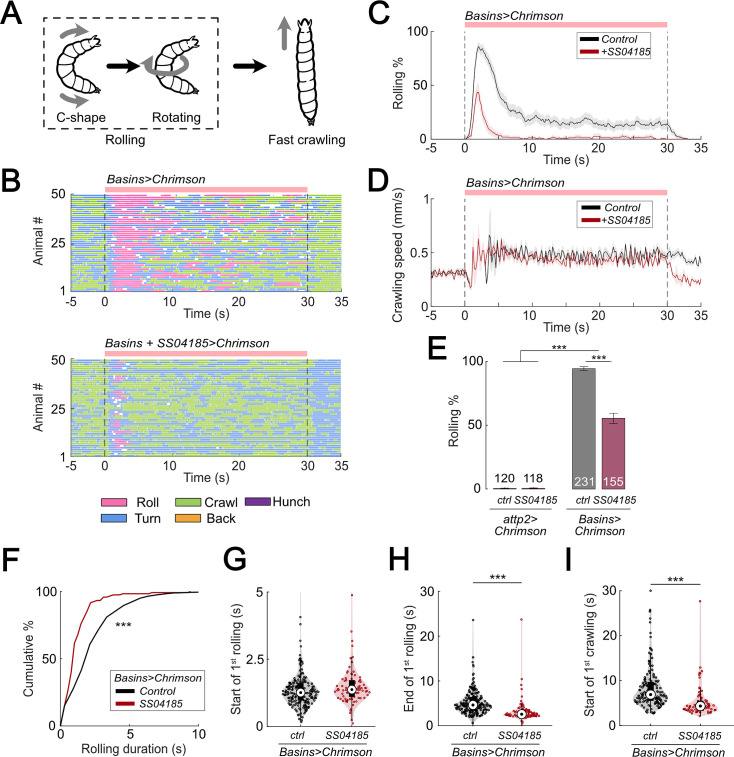
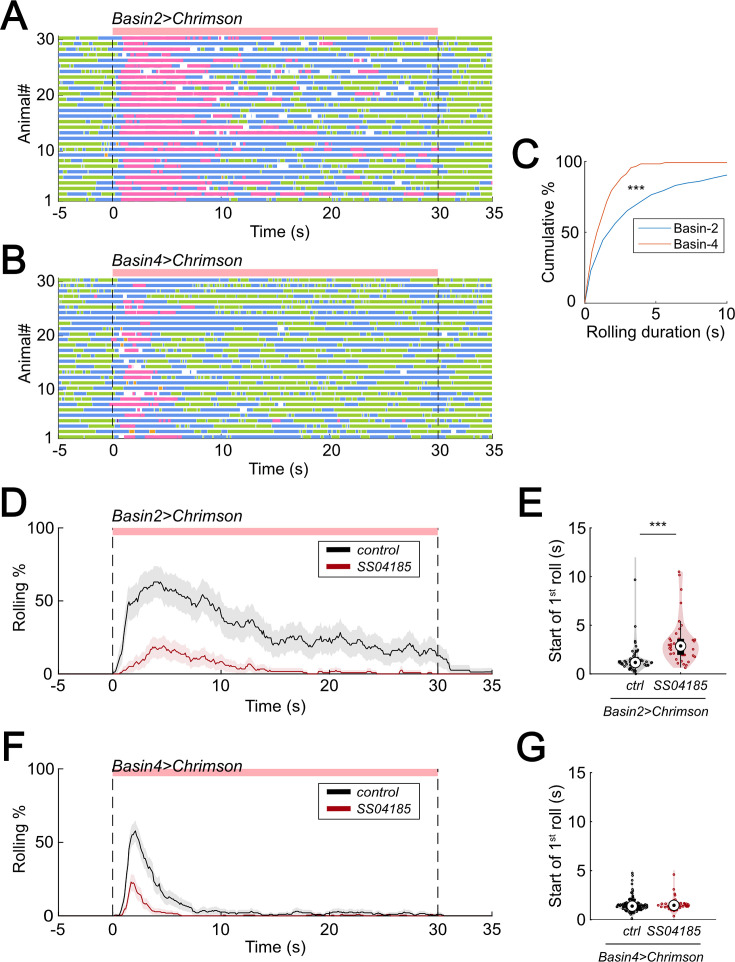
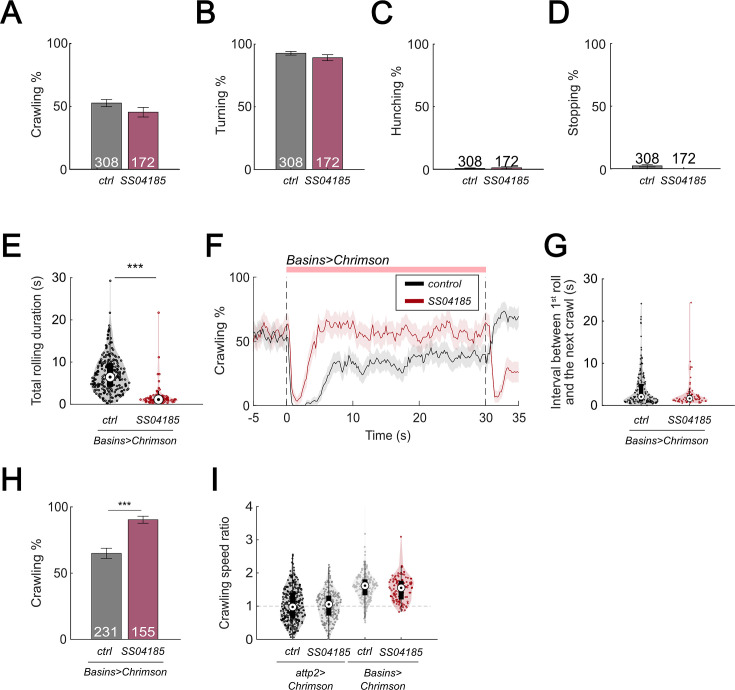
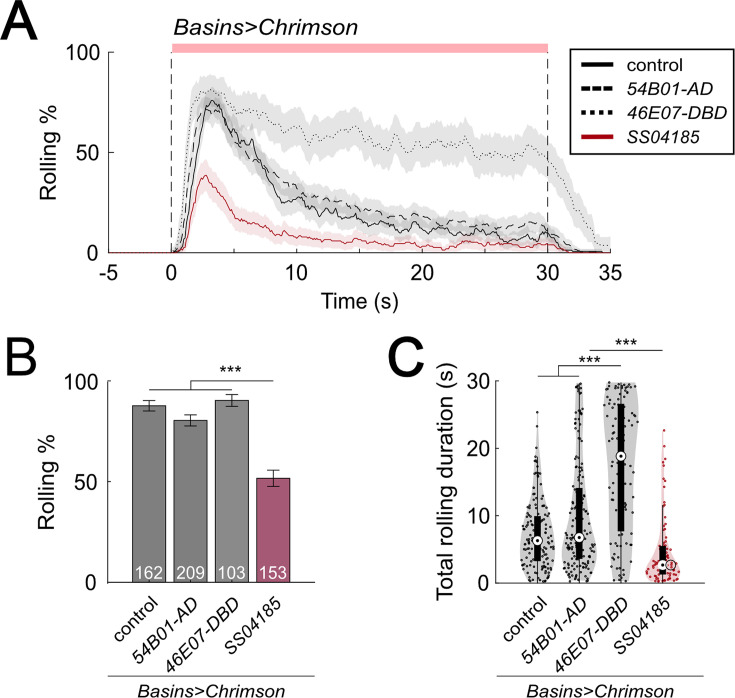
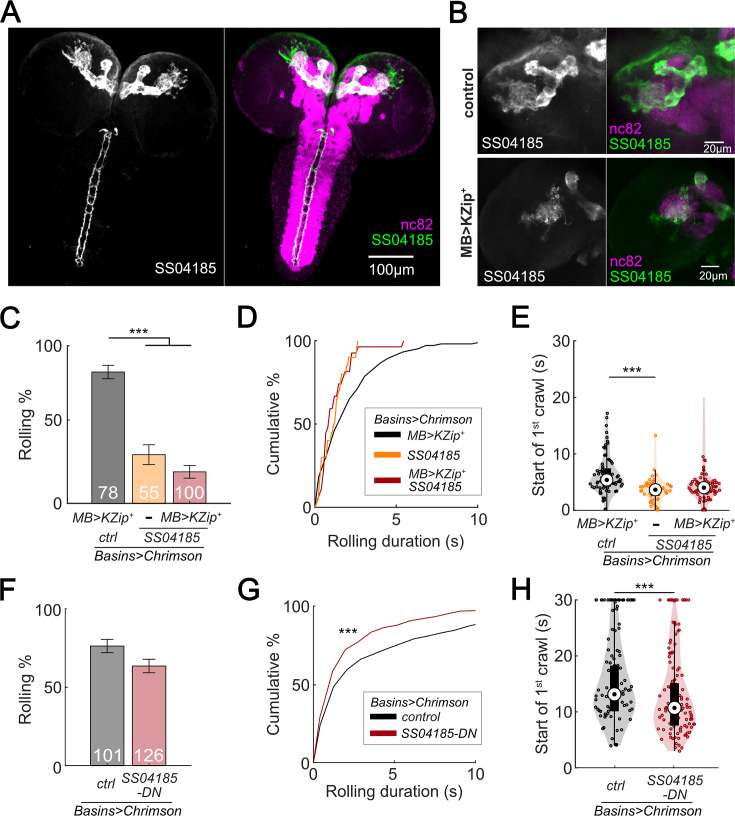
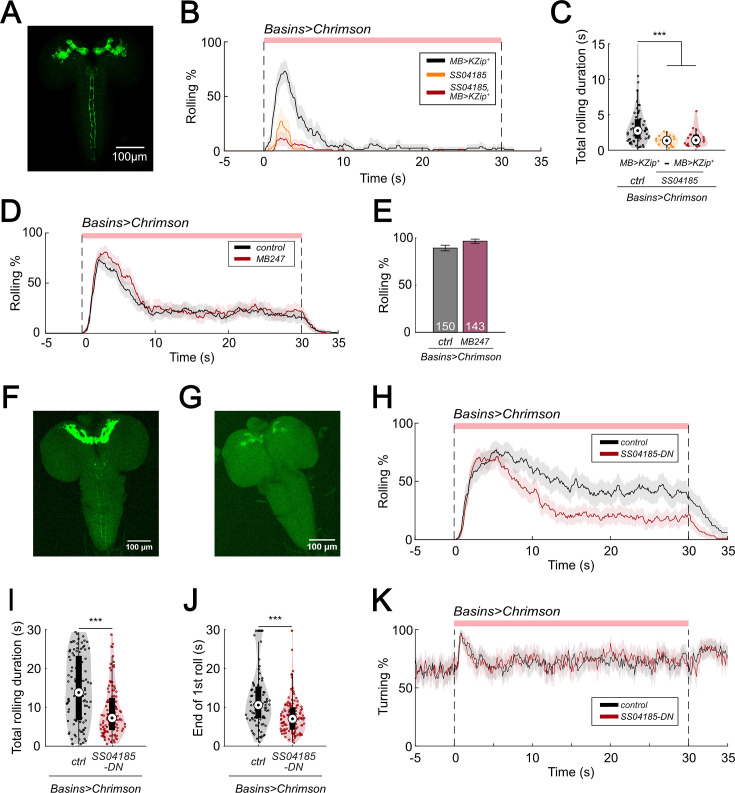
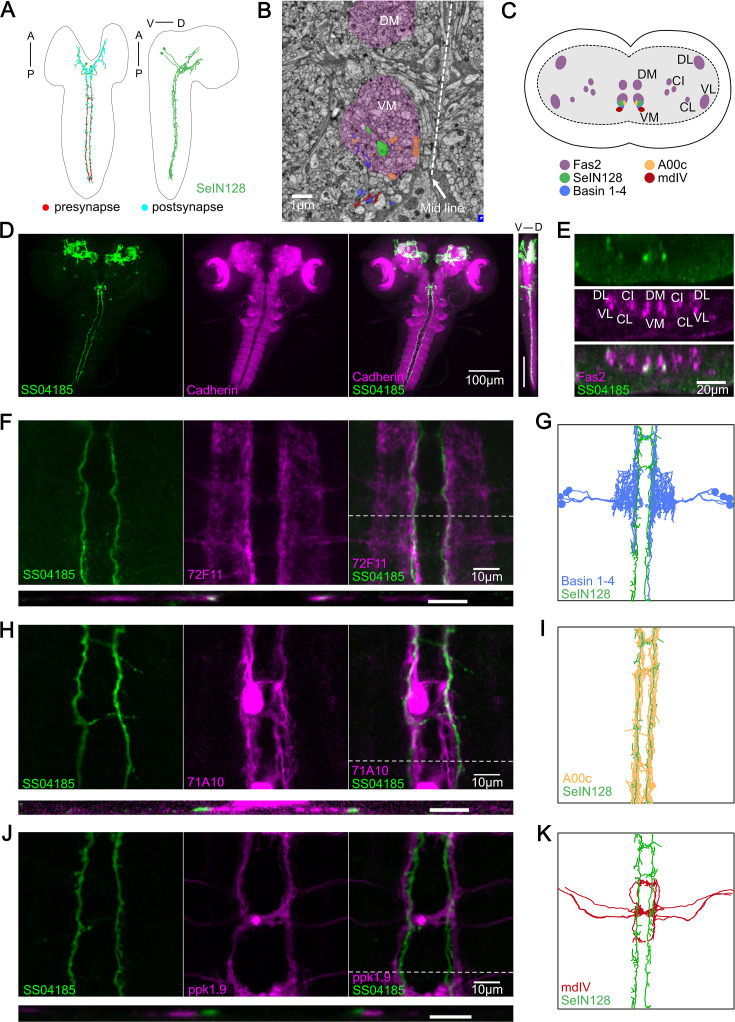
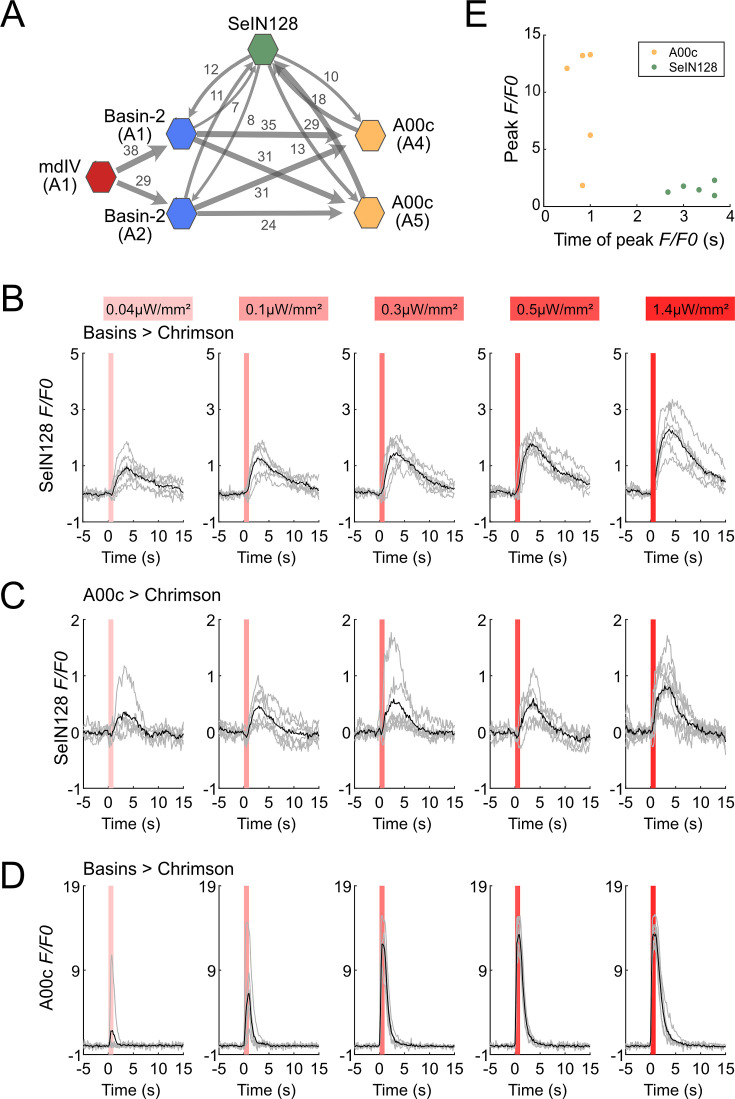
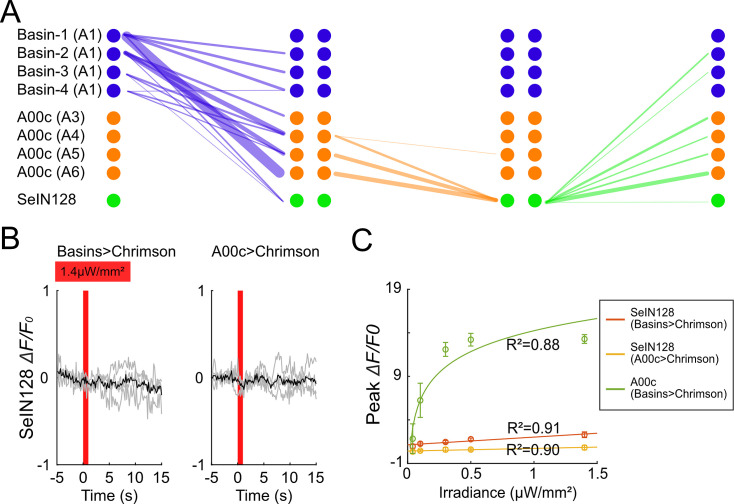
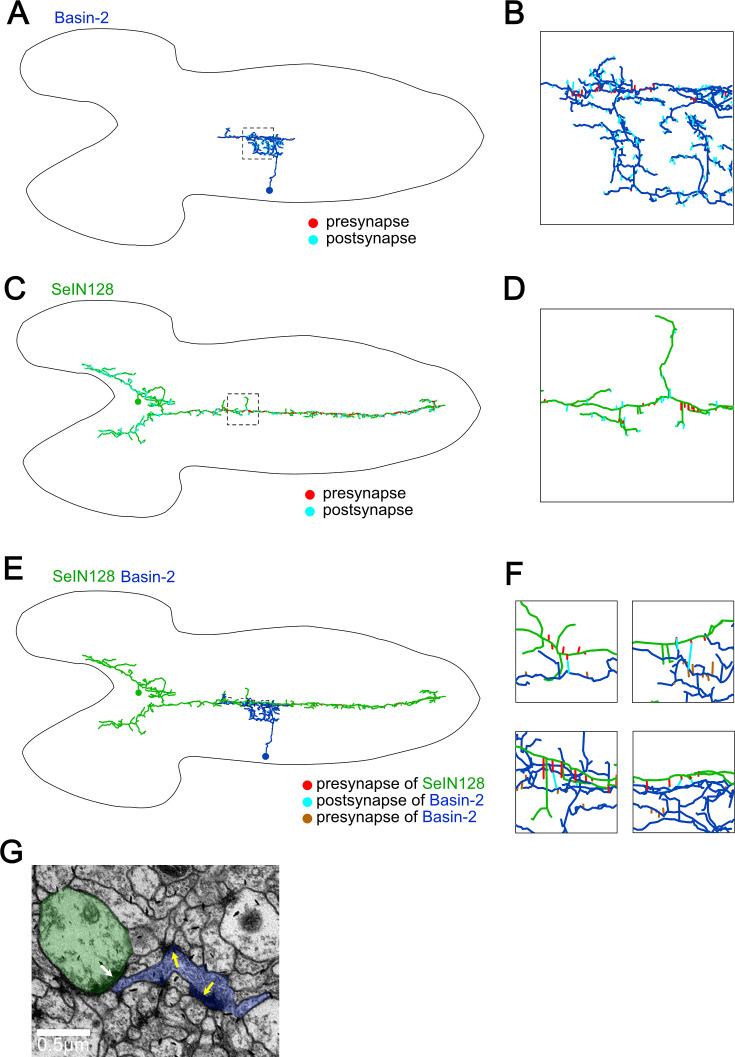
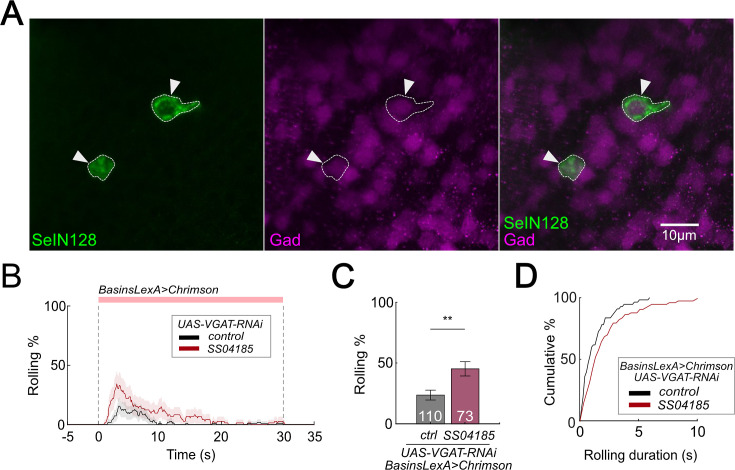
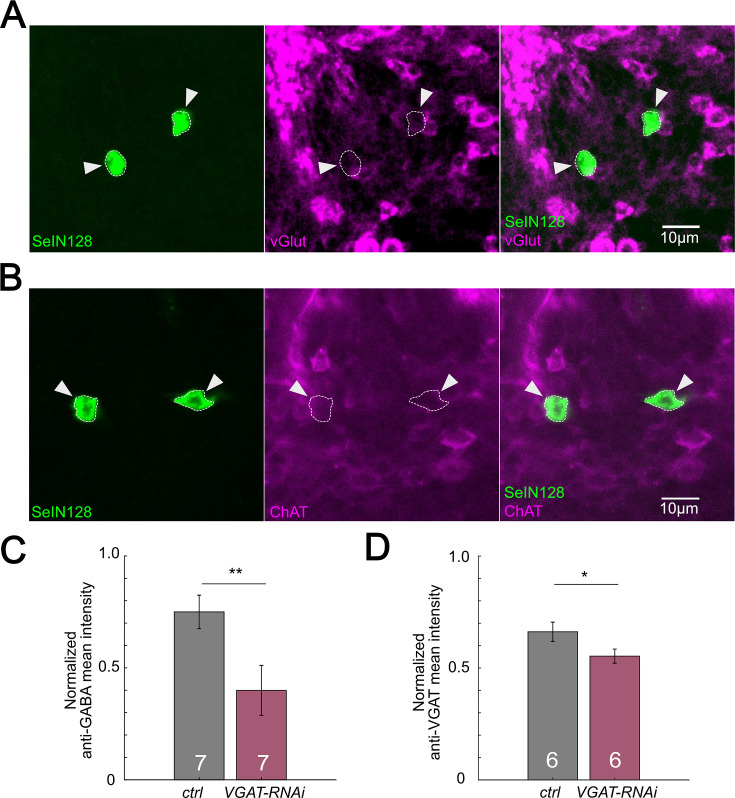
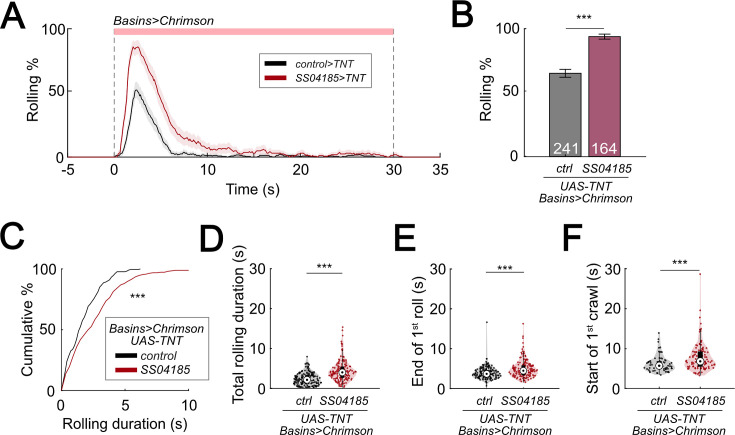
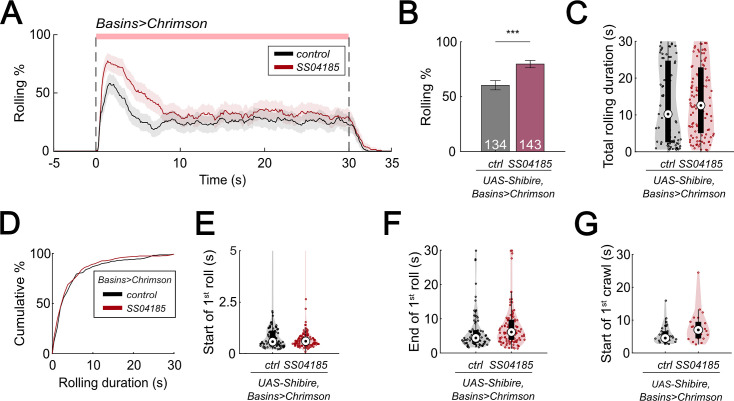
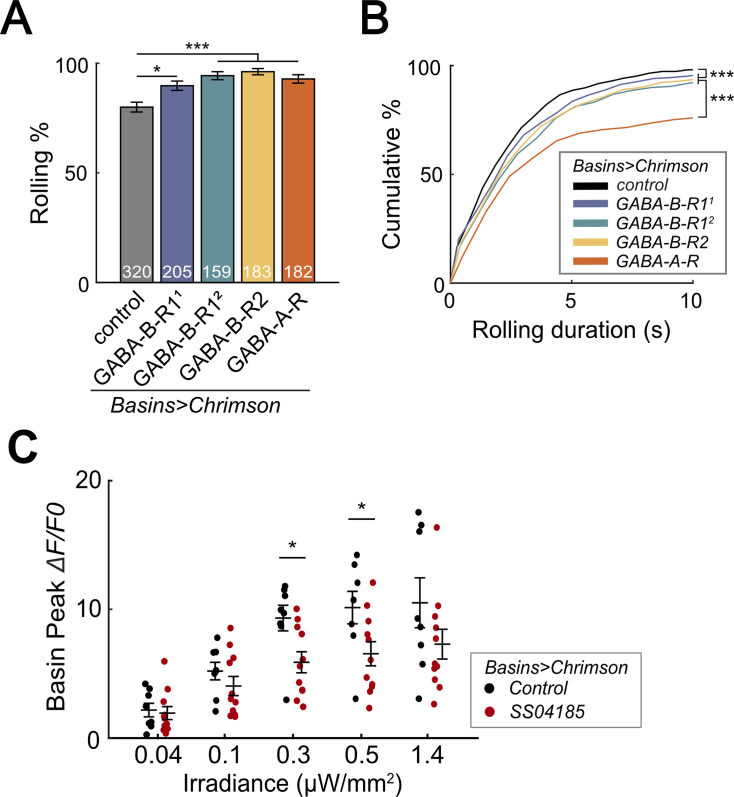
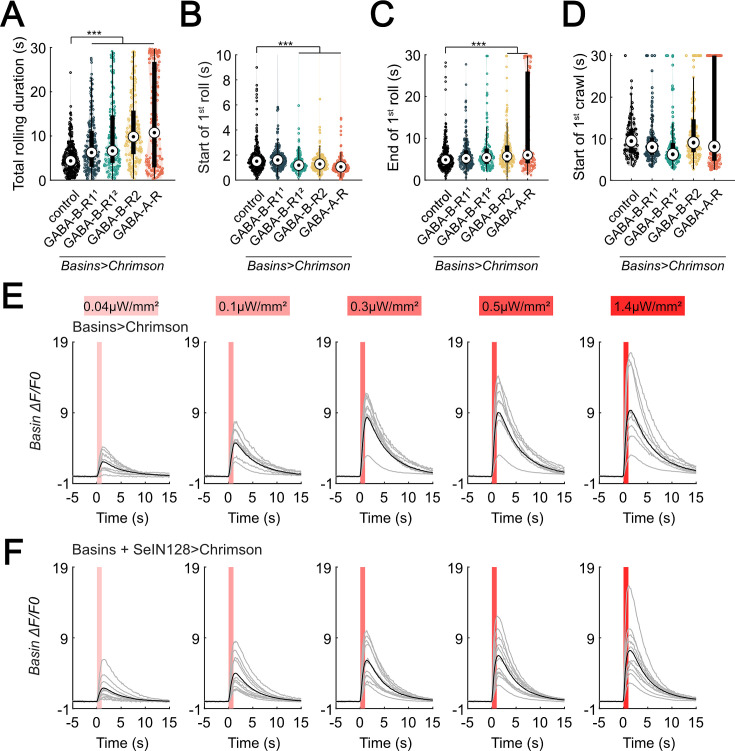
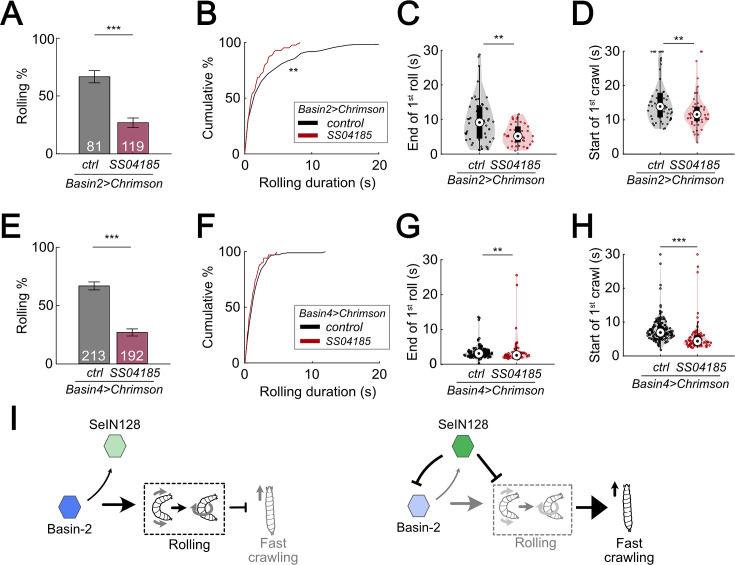
Escape behaviors help animals avoid harm from predators and other threats in the environment. Successful escape relies on integrating information from multiple stimulus modalities (of external or internal origin) to compute trajectories toward safe locations, choose between actions that satisfy competing motivations, and execute other strategies that ensure survival. To this end, escape behaviors must be adaptive. When a larva encounters a noxious stimulus, such as the focal pressure a parasitic wasp applies to the larval cuticle via its ovipositor, it initiates a characteristic escape response. The escape sequence consists of an initial abrupt bending, lateral rolling, and finally rapid crawling. Previous work has shown that the detection of noxious stimuli primarily relies on class IV multi-dendritic arborization neurons (Class IV neurons) located beneath the body wall, and more recent studies have identified several important components in the nociceptive neural circuitry involved in rolling. However, the neural mechanisms that underlie the rolling-escape sequence remain unclear. Here, we present both functional and anatomical evidence suggesting that bilateral descending neurons within the subesophageal zone of larva play a crucial role in regulating the termination of rolling and subsequent transition to escape crawling. We demonstrate that these descending neurons (designated SeIN128) are inhibitory and receive inputs from a second-order interneuron upstream (Basin-2) and an ascending neuron downstream of Basin-2 (A00c). Together with optogenetic experiments showing that co-activation of SeIN128 neurons and Basin-2 influence the temporal dynamics of rolling, our findings collectively suggest that the ensemble of SeIN128, Basin-2, and A00c neurons forms a GABAergic feedback loop onto Basin-2, which inhibits rolling and thereby facilitates the shift to escape crawling.
逃避行为帮助动物避免环境中捕食者和其他威胁的伤害。成功的逃避依赖于整合来自多个刺激模态(外部或内部来源)的信息,以计算出通往安全地点的轨迹,在满足竞争动机的行动之间做出选择,并执行其他确保生存的策略。为此,逃避行为必须是适应性的。当幼虫遇到有毒刺激物时,例如寄生蜂通过其产卵器施加在幼虫表皮上的焦点压力,它会启动特征性的逃避反应。逃避序列包括初始的突然弯曲、侧向滚动,最后是快速爬行。以前的工作表明,有毒刺激物的检测主要依赖于位于体壁下方的第四类多树突分支神经元(第四类神经元),最近的研究已经确定了参与滚动的痛觉神经回路中的几个重要组成部分。然而,滚动逃避序列背后的神经机制仍不清楚。在这里,我们提出了功能和解剖学证据,表明幼虫食管下区的双侧下行神经元在调节滚动的终止和随后向逃避爬行的转变中起着关键作用。我们证明这些下行神经元(命名为 SeIN128)是抑制性的,接收来自上游二级中间神经元(Basin-2)和 Basin-2 下游的上行神经元(A00c)的输入。与光遗传学实验一起表明,共同激活 SeIN128 神经元和 Basin-2 会影响滚动的时间动态,我们的发现共同表明,SeIN128、Basin-2 和 A00c 神经元的集合形成了一个 GABA 能反馈回路到 Basin-2,抑制滚动,从而促进向逃避爬行的转变。