Department of Biomedical Engineering, Vanderbilt University, Nashville, Tennessee 37235-1631, United States.
Department of Chemical and Biomolecular Engineering, Vanderbilt University, Nashville, Tennessee 37235-1631, United States.
ACS Nano. 2023 Sep 12;17(17):16412-16431. doi: 10.1021/acsnano.2c12261. Epub 2023 Aug 15.
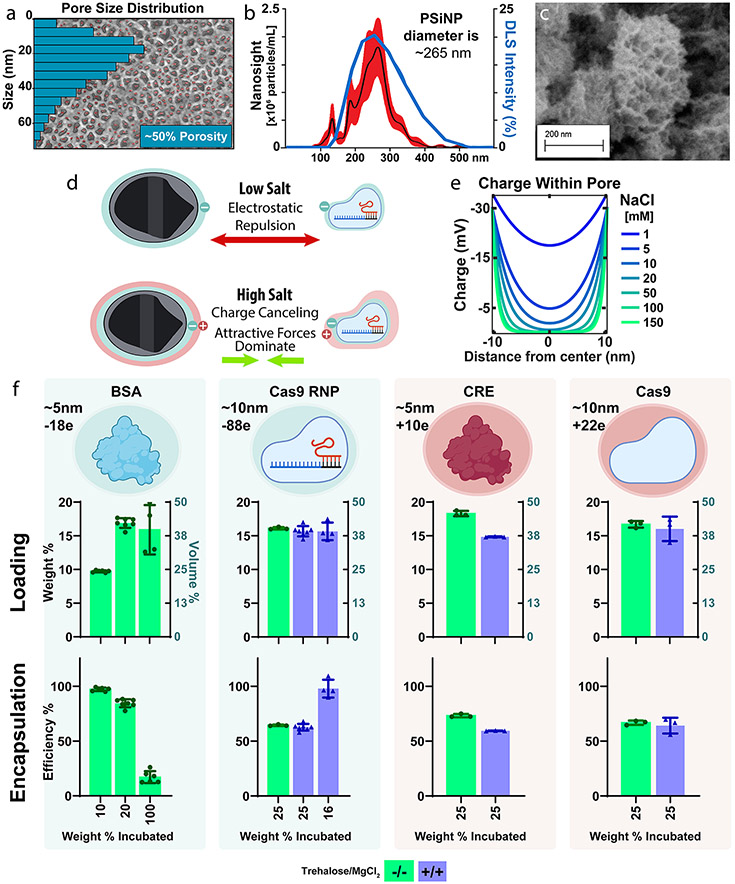
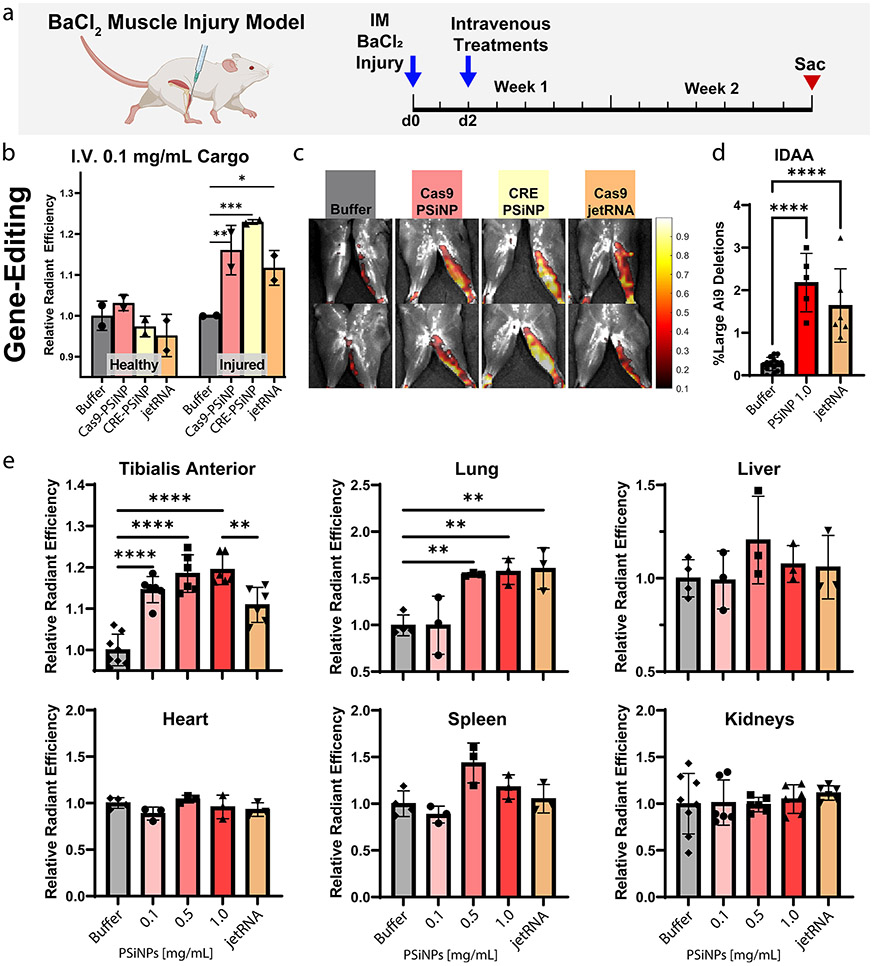
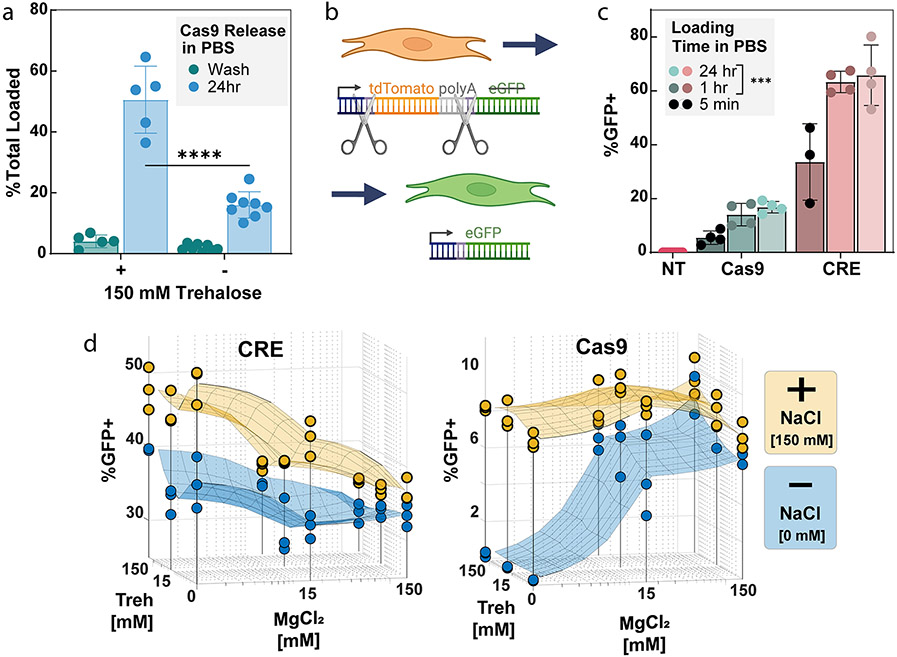
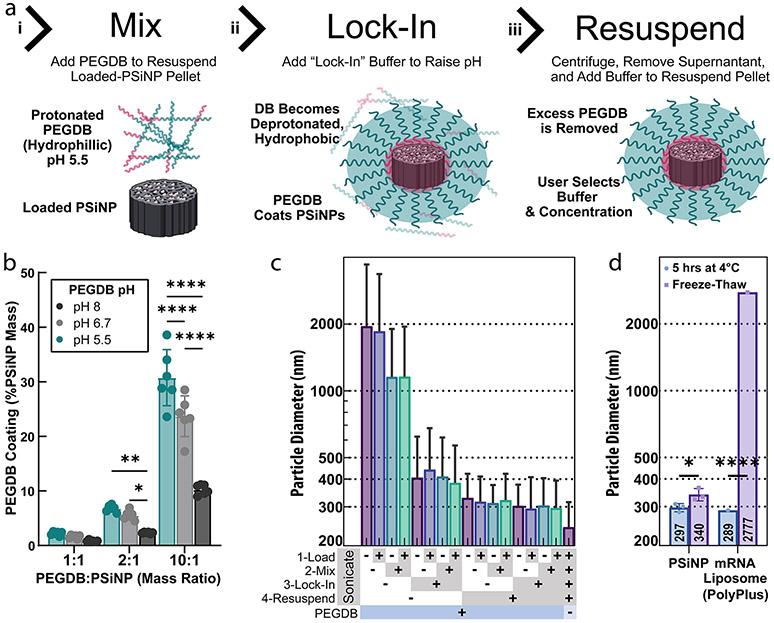
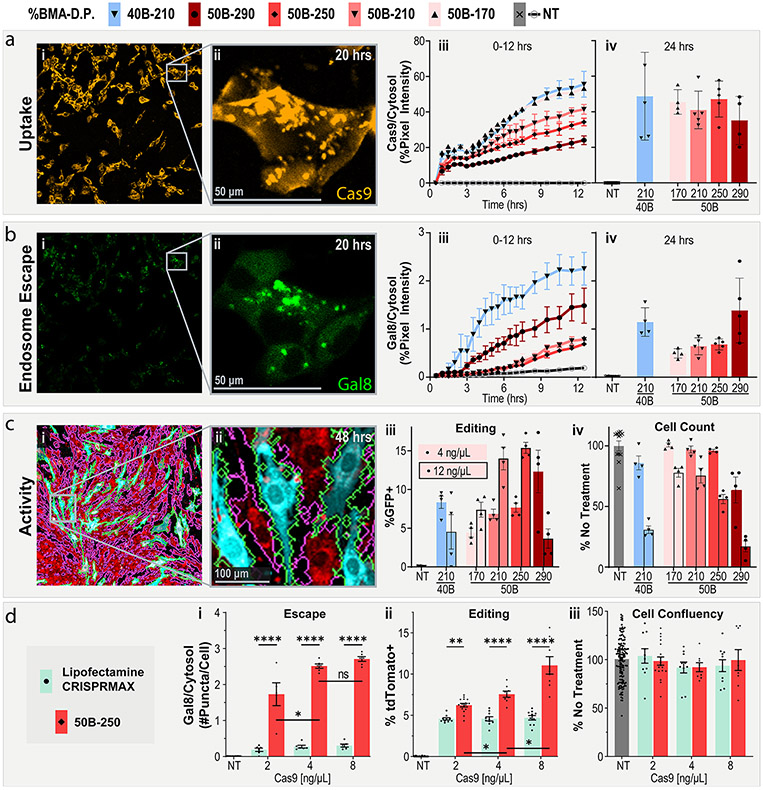
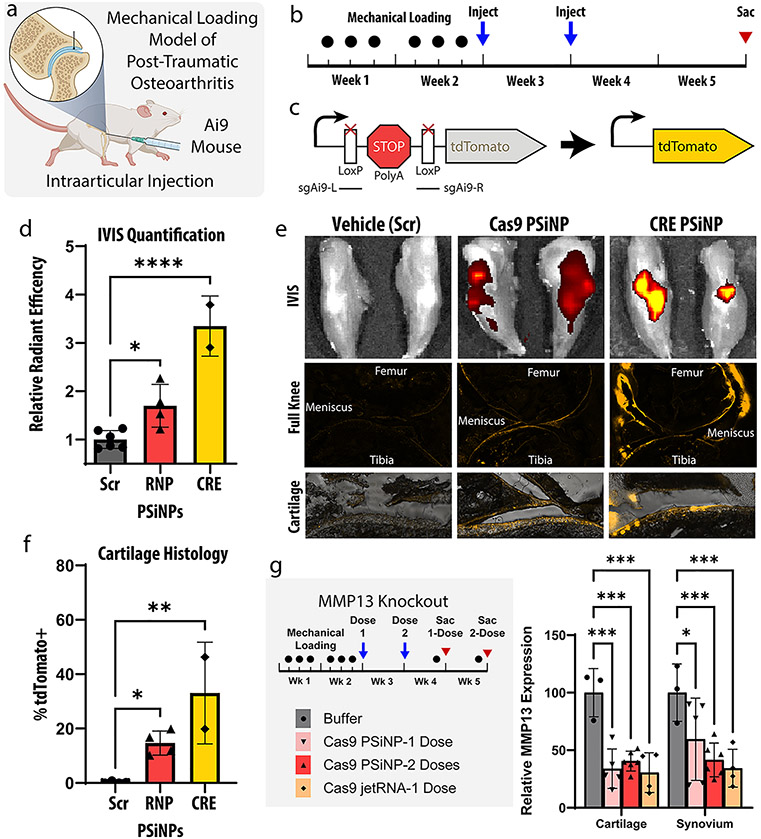
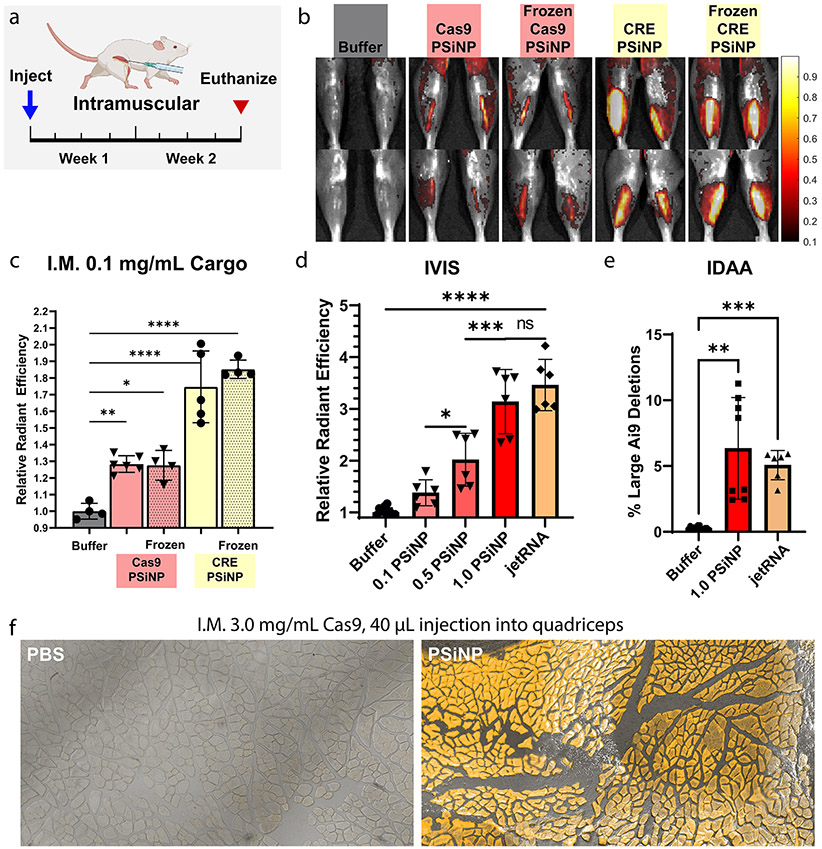
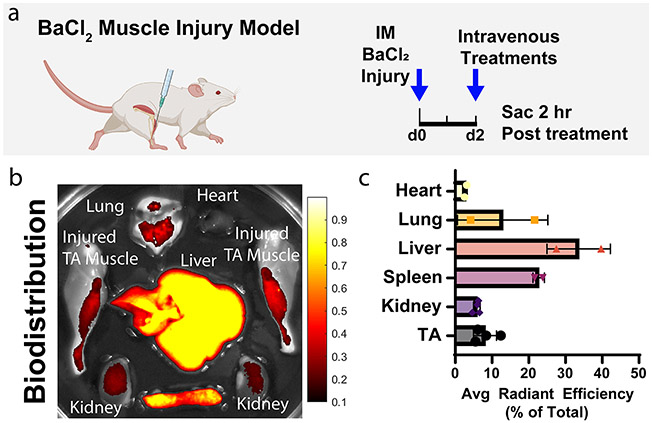
The complexity of CRISPR machinery is a challenge to its application for nonviral therapeutic gene editing. Here, we demonstrate that proteins, regardless of size or charge, efficiently load into porous silicon nanoparticles (PSiNPs). Optimizing the loading strategy yields formulations that are ultrahigh loading─>40% cargo by volume─and highly active. Further tuning of a polymeric coating on the loaded PSiNPs yields nanocomposites that achieve colloidal stability under cryopreservation, endosome escape, and gene editing efficiencies twice that of the commercial standard Lipofectamine CRISPRMAX. In a mouse model of arthritis, PSiNPs edit cells in both the cartilage and synovium of knee joints, and achieve 60% reduction in expression of the therapeutically relevant MMP13 gene. Administered intramuscularly, they are active over a broad dose range, with the highest tested dose yielding nearly 100% muscle fiber editing at the injection site. The nanocomposite PSiNPs are also amenable to systemic delivery. Administered intravenously in a model that mimics muscular dystrophy, they edit sites of inflamed muscle. Collectively, the results demonstrate that the PSiNP nanocomposites are a versatile system that can achieve high loading of diverse cargoes and can be applied for gene editing in both local and systemic delivery applications.
CRISPR 系统的复杂性给非病毒治疗性基因编辑的应用带来了挑战。在这里,我们证明了蛋白质无论大小和带电荷与否,都能有效地被装入多孔硅纳米颗粒(PSiNPs)中。通过优化加载策略,我们得到了超高载量的制剂,体积载量可达>40%,并且具有高度的活性。进一步对负载 PSiNPs 的聚合物涂层进行调整,得到了纳米复合材料,它们在冷冻保存、内体逃逸和基因编辑效率方面具有胶体稳定性,效率是商业标准 Lipofectamine CRISPRMAX 的两倍。在关节炎的小鼠模型中,PSiNPs 编辑了膝关节软骨和滑膜中的细胞,并使治疗相关的 MMP13 基因表达降低了 60%。肌肉内给药时,它们在广泛的剂量范围内都具有活性,测试的最高剂量在注射部位使近 100%的肌肉纤维被编辑。纳米复合材料 PSiNPs 也适用于系统给药。在模拟肌肉萎缩症的模型中静脉内给药时,它们编辑了发炎肌肉的部位。总的来说,这些结果表明 PSiNP 纳米复合材料是一种多功能系统,能够实现多种货物的高载量,并可应用于局部和系统递送应用中的基因编辑。