Third-Grade Pharmacological Laboratory On Traditional Chinese Medicine, State Administration of Traditional Chinese Medicine, College of Medicine and Health Sciences, China Three Gorges University, Yichang, China.
The First College of Clinical Medicine Science, China Three Gorges University, Yichang Central People's Hospital, Yichang, China.
BMC Complement Med Ther. 2023 Aug 19;23(1):291. doi: 10.1186/s12906-023-04084-8.
"Rhubarb-Peach Kernel" herb pair (RP) one of the most frequently used drug pairs, has been used in traditional medicine in China to treat inflammation and diseases associated with pain. Although it is widely used clinically and has a remarkable curative effect, the mechanism of RP treatment for endometriosis (EMs) remains unclear due to its complicated components. The aim of this study was to investigate the anti-endometriosis effect of RP, with emphasis on apoptosis via network pharmacology prediction, molecular docking and experimental verification.
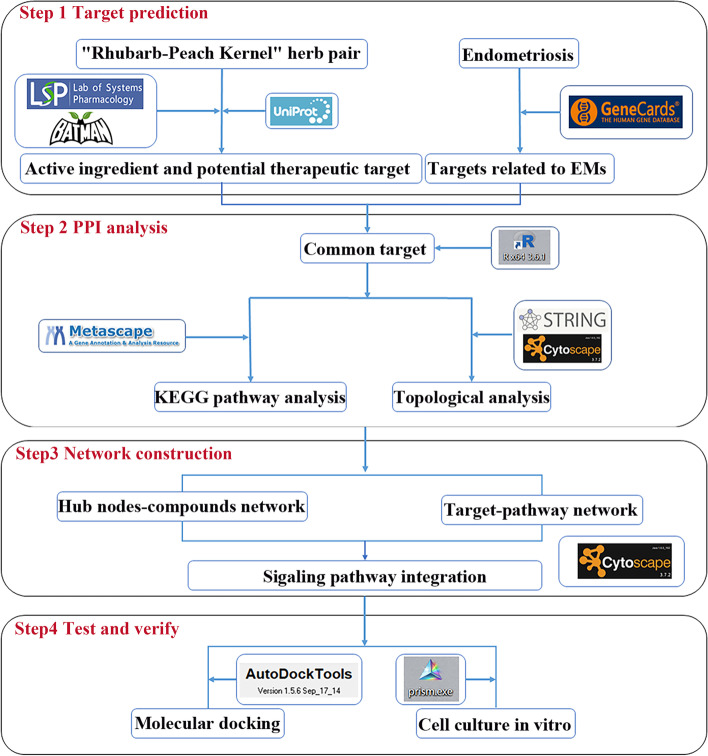
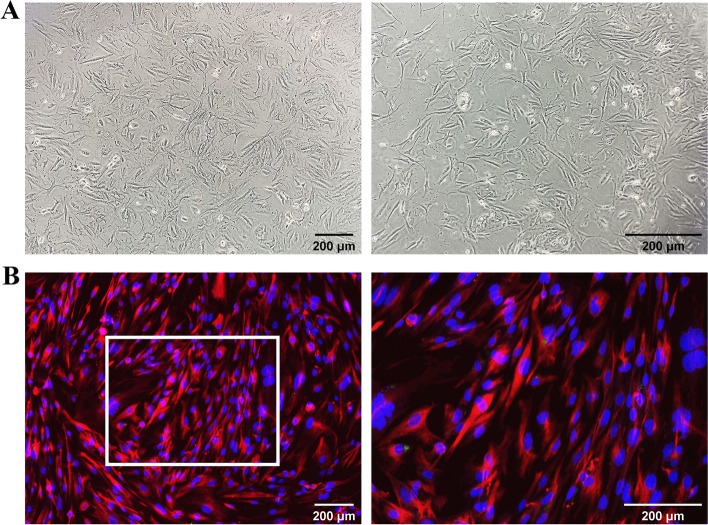
The related ingredients and targets of RP in treating EMs were screened out using Traditional Chinese Medicine Systems Pharmacology (TCMSP), Tool for Molecular mechanism of Traditional Chinese Medicine (BATMAN-TCM), and GeneCards database. The data of the protein-protein interaction (PPI) network was obtained by the Search Tool for the Retrieval of Interaction Gene/Proteins (STRING) Database. The Metascape database was adopt for Kyoto encyclopedia of genes and genomes (KEGG) enrichment analysis. After that, the molecular docking of the main active ingredients and apoptosis targets was performed. Finally, the pro-apoptotic effect of RP was verified in hEM15a cells.
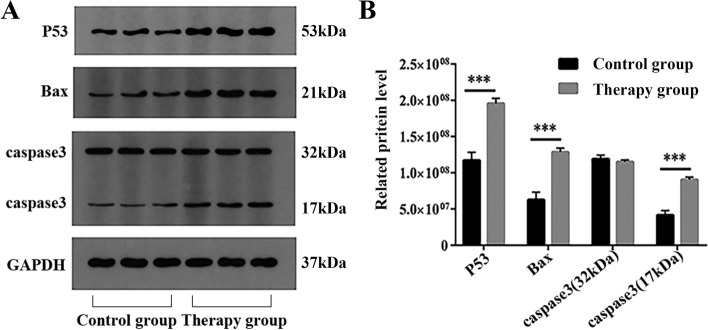
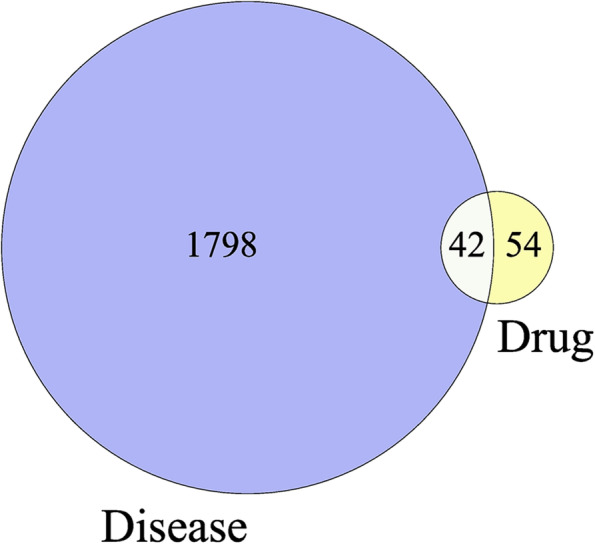
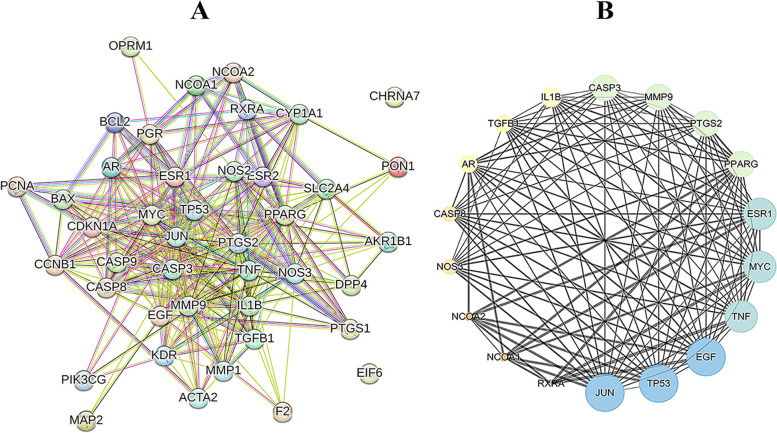
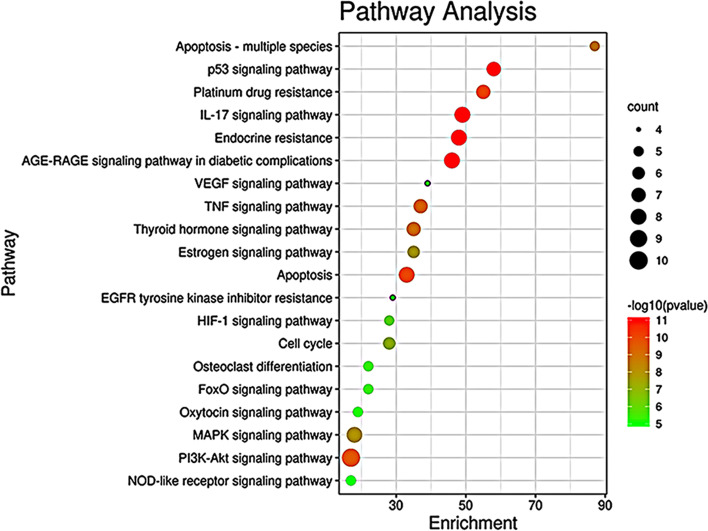
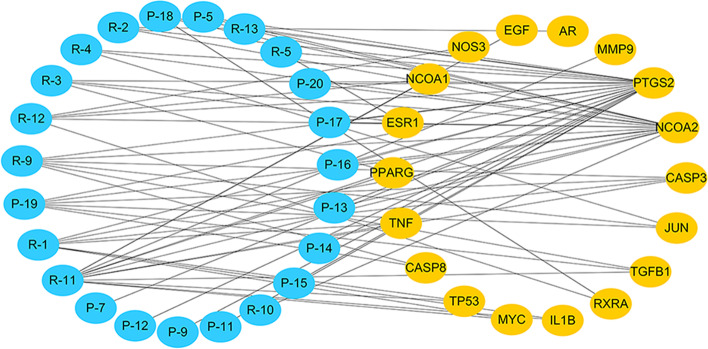
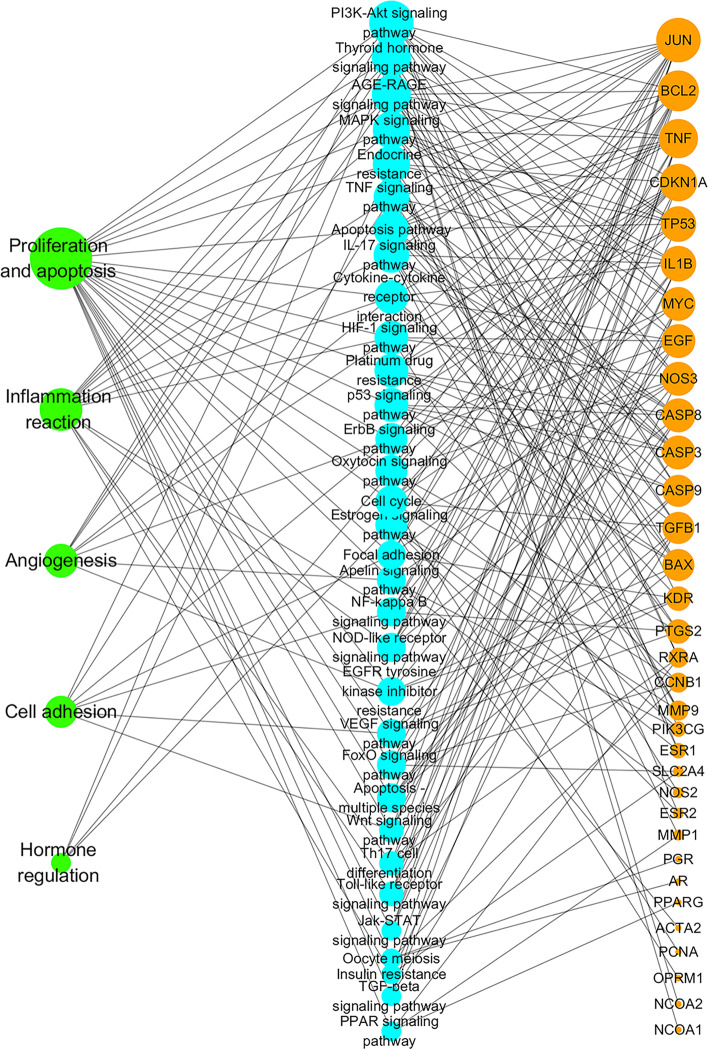
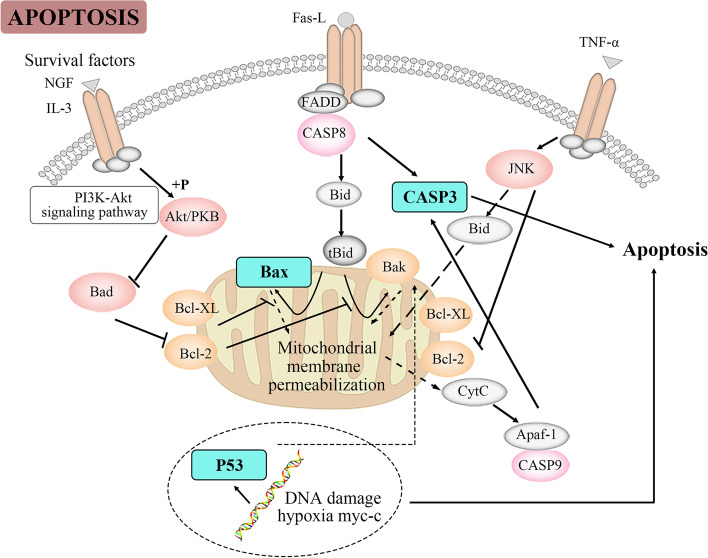
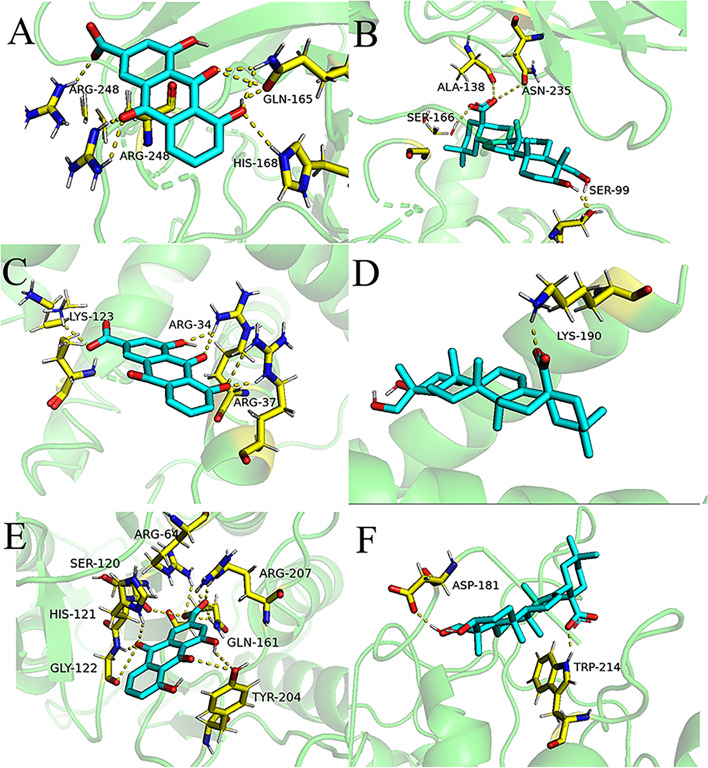
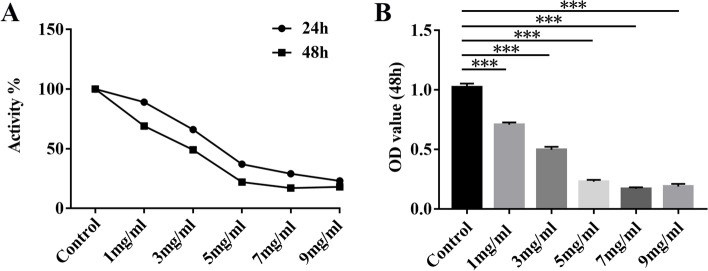
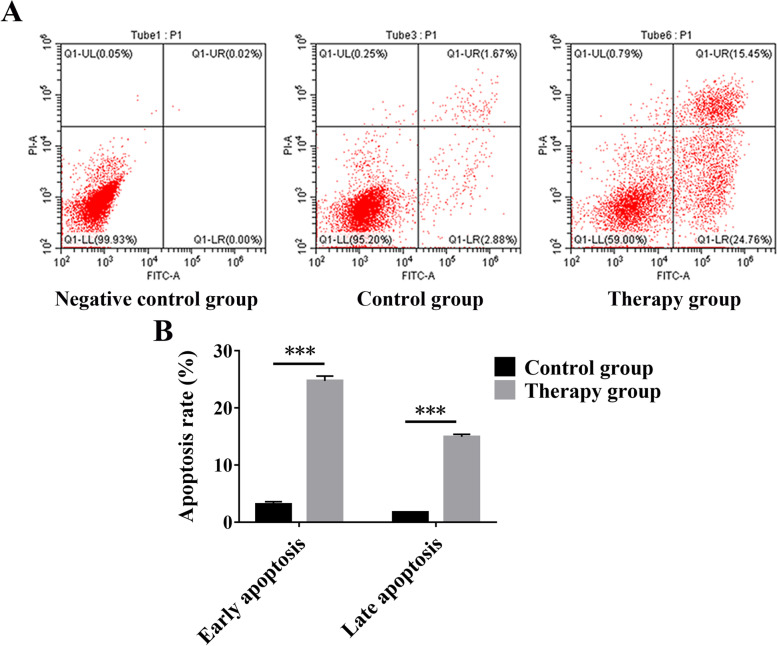
A total of 32 RP compounds were collected. Forty-two matching targets were picked out as the correlative targets of RP in treating EMs. Among these, 18 hub targets including P53, CASP3 were recognized by the PPI network. KEGG enrichment analysis discovered that the regulation of apoptosis was one of the potential mechanisms of RP against EMs. Anthraquinone compounds, flavonoids, and triterpenes in RP were identified as crucial active ingredients, involved in the pro-apoptotic effect, which were confirmed subsequently by molecular docking. Additionally, it was verified that RP treatment promoted apoptosis and inhibited the proliferation of EMs cells (assessed by MTT and Flow cytometry). Moreover, the induction of apoptosis in treated EMs cells may be due to the regulation of apoptosis-related protein expression, including P53, BAX, and CASP3.
The results of our study demonstrated that RP may exert its therapeutic effects on EMs through the potential mechanism of promoting apoptosis. Anthraquinones, flavonoids and triterpenoids are the possible pro-apoptotic components in RP.
“大黄-桃仁”药对(RP)是最常用的药对之一,在中国传统医学中用于治疗炎症和与疼痛相关的疾病。尽管它在临床上广泛应用且疗效显著,但由于其成分复杂,其治疗子宫内膜异位症(EMs)的机制尚不清楚。本研究旨在通过网络药理学预测、分子对接和实验验证,探讨 RP 治疗 EMs 的抗子宫内膜异位症作用,重点关注细胞凋亡。
采用中药系统药理学数据库和分析平台(TCMSP)、中药作用机制生物信息分析工具(BATMAN-TCM)和基因数据库(GeneCards)筛选 RP 治疗 EMs 的相关成分和靶点。通过 Search Tool for the Retrieval of Interaction Gene/Proteins(STRING)数据库获取蛋白质-蛋白质相互作用(PPI)网络数据。采用 Metascape 数据库进行京都基因与基因组百科全书(KEGG)富集分析。然后对主要活性成分和凋亡靶点进行分子对接。最后,在 hEM15a 细胞中验证 RP 的促凋亡作用。
共收集到 32 个 RP 化合物,筛选出 42 个与 RP 治疗 EMs 相关的靶标。其中,通过 PPI 网络识别出 18 个关键靶标,包括 P53、CASP3 等。KEGG 富集分析发现,调控细胞凋亡是 RP 治疗 EMs 的潜在机制之一。RP 中的蒽醌类化合物、黄酮类化合物和三萜类化合物被鉴定为关键活性成分,参与促凋亡作用,这一结果随后通过分子对接得到了验证。此外,实验还证实 RP 治疗可促进 EMs 细胞凋亡并抑制其增殖(通过 MTT 和流式细胞术评估)。此外,在治疗的 EMs 细胞中诱导凋亡可能是由于调节凋亡相关蛋白的表达,包括 P53、BAX 和 CASP3。
本研究结果表明,RP 可能通过促进细胞凋亡的潜在机制发挥对 EMs 的治疗作用。蒽醌类化合物、黄酮类化合物和三萜类化合物可能是 RP 中发挥促凋亡作用的潜在成分。