State Key Laboratory of Oncology in South China, Collaborative Innovation Center for Cancer Medicine, Guangdong Esophageal Cancer Institute, Sun Yat-sen University Cancer Center, Guangzhou, 510060, P.R. China.
Laboratory Animal Centre, The First Affiliated Hospital of Sun Yat-sen University, Guangzhou, 510080, P.R. China.
Signal Transduct Target Ther. 2023 Aug 23;8(1):312. doi: 10.1038/s41392-023-01545-x.
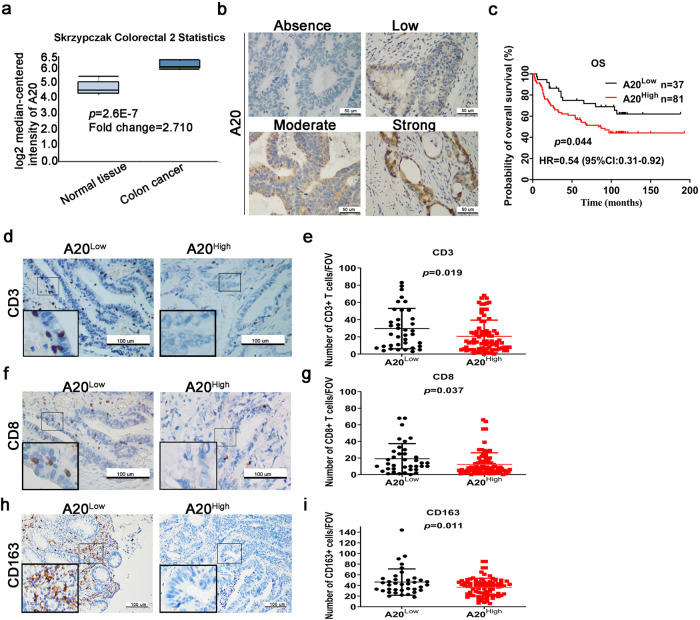
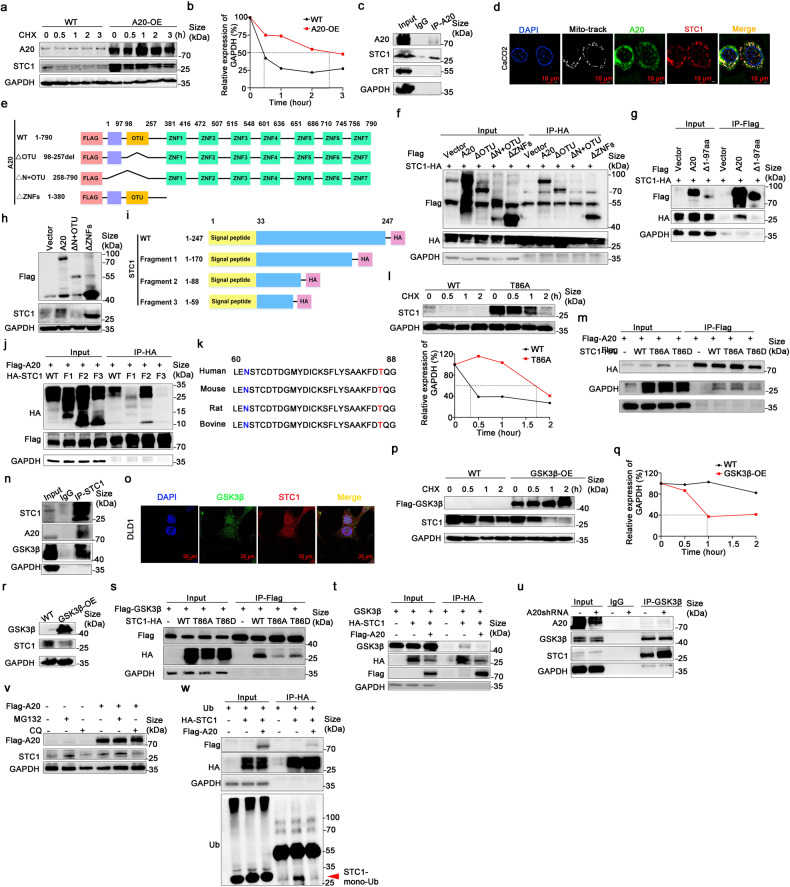
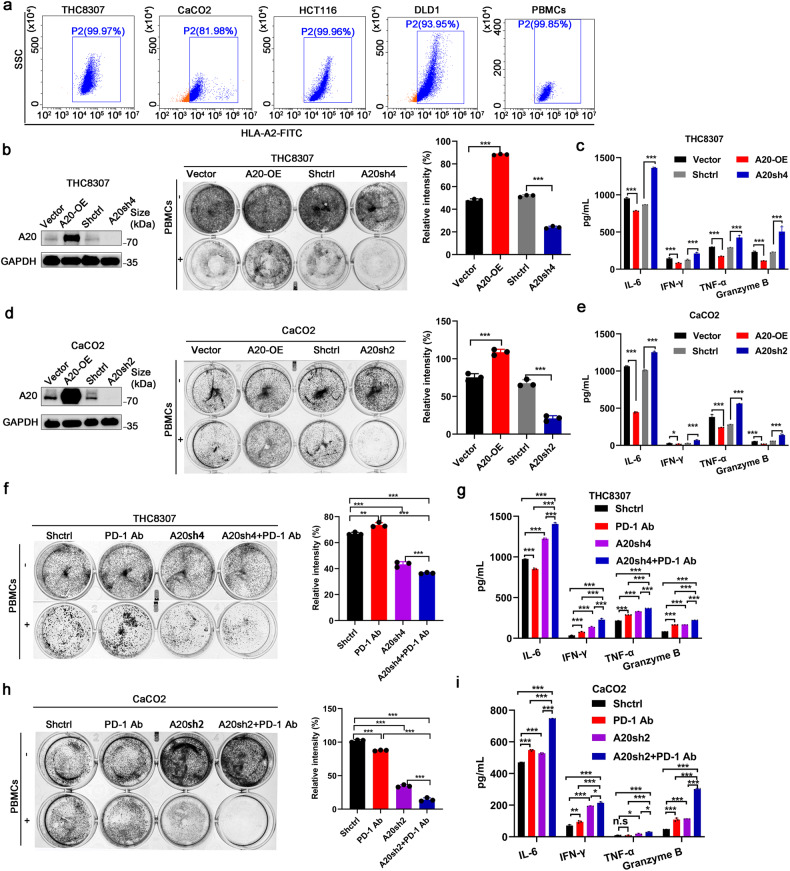
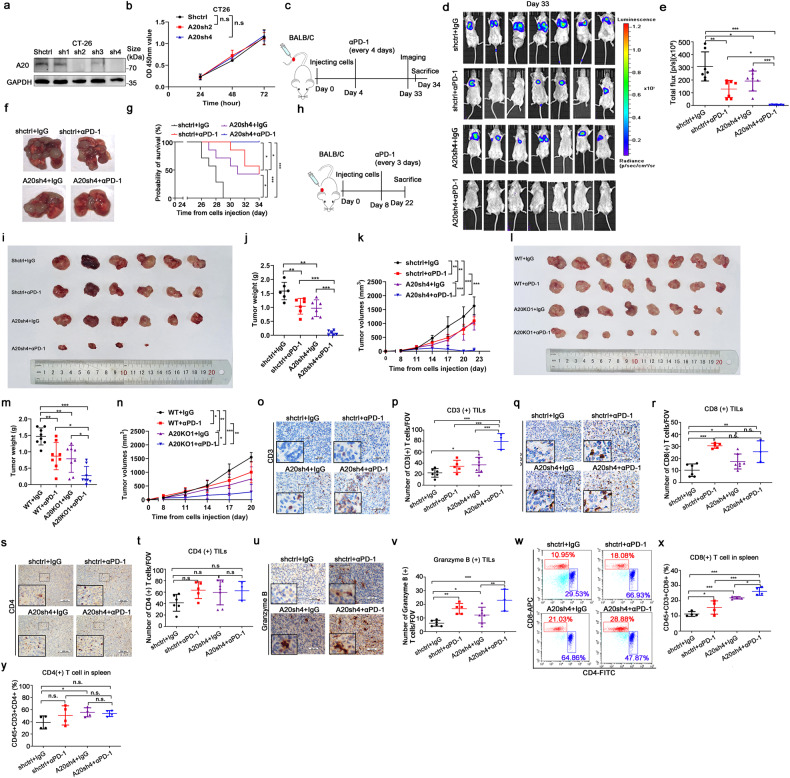
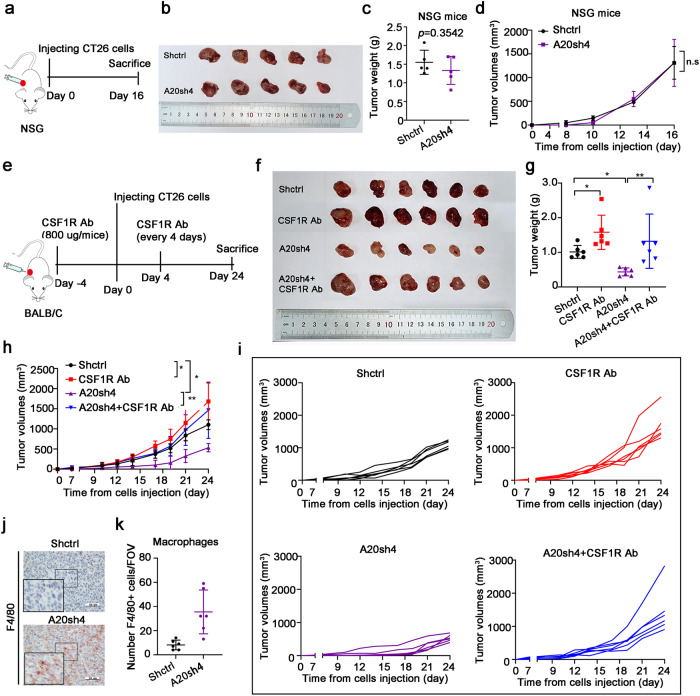
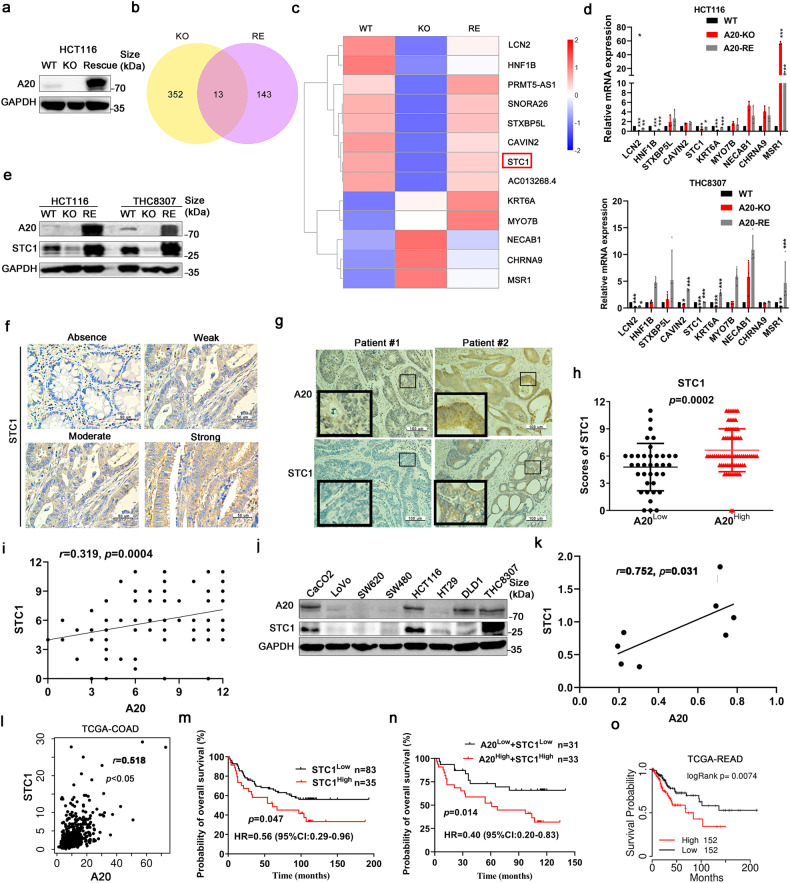
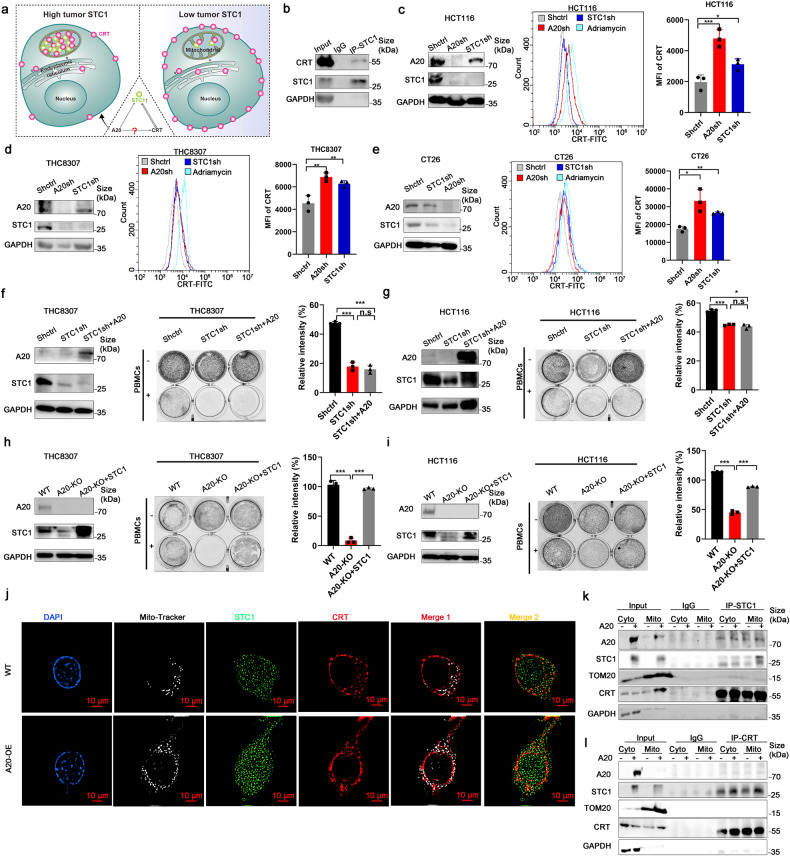
Immune checkpoint inhibitors (ICIs) have induced durable clinical responses in a subset of patients with colorectal cancer (CRC). However, the dis-satisfactory response rate and the lack of appropriate biomarkers for selecting suitable patients to be treated with ICIs pose a major challenge to current immunotherapies. Inflammation-related molecule A20 is closely related to cancer immune response, but the effect of A20 on "eat-me" signal and immunotherapy efficacy remains elusive. We found that A20 downregulation prominently improved the antitumor immune response and the efficacy of PD-1 inhibitor in CRC in vitro and in vivo. Higher A20 expression was associated with less infiltration of immune cells including CD3 (+), CD8 (+) T cells and macrophages in CRC tissues and also poorer prognosis. Gain- and loss-A20 functional studies proved that A20 could decrease the "eat-me" signal calreticulin (CRT) protein on cell membrane translocation via upregulating stanniocalcin 1 (STC1), binding to CRT and detaining in mitochondria. Mechanistically, A20 inhibited GSK3β phosphorylating STC1 at Thr86 to slow down the degradation of STC1 protein. Our findings reveal a new crosstalk between inflammatory molecule A20 and "eat-me" signal in CRC, which may represent a novel predictive biomarker for selecting CRC patients most likely to benefit from ICI therapy.
免疫检查点抑制剂(ICIs)在一部分结直肠癌(CRC)患者中诱导了持久的临床反应。然而,令人不满意的反应率和缺乏合适的生物标志物来选择适合接受 ICI 治疗的患者,这对当前的免疫疗法构成了重大挑战。炎症相关分子 A20 与癌症免疫反应密切相关,但 A20 对“吃我”信号和免疫治疗疗效的影响仍不清楚。我们发现 A20 的下调显著改善了 CRC 中抗肿瘤免疫反应和 PD-1 抑制剂的疗效,无论是在体外还是体内。CRC 组织中 A20 表达较高与免疫细胞浸润减少有关,包括 CD3(+)、CD8(+)T 细胞和巨噬细胞,预后也较差。Gain-和 loss-A20 功能研究证明,A20 可以通过上调 STC1,与 CRT 结合并滞留在线粒体中来减少细胞膜易位的“吃我”信号钙网蛋白(CRT)蛋白。在机制上,A20 抑制 GSK3β 在 Thr86 上磷酸化 STC1,从而减缓 STC1 蛋白的降解。我们的研究结果揭示了 CRC 中炎症分子 A20 和“吃我”信号之间的新串扰,这可能代表了一种新的预测生物标志物,用于选择最有可能从 ICI 治疗中获益的 CRC 患者。