Department of Pharmacy, Yonsei University, Incheon, 21983, Republic of Korea.
Graduate Program of Industrial Pharmaceutical Science, Yonsei University, Incheon, 21983, Republic of Korea.
Exp Mol Med. 2022 Sep;54(9):1563-1576. doi: 10.1038/s12276-022-00853-6. Epub 2022 Sep 21.
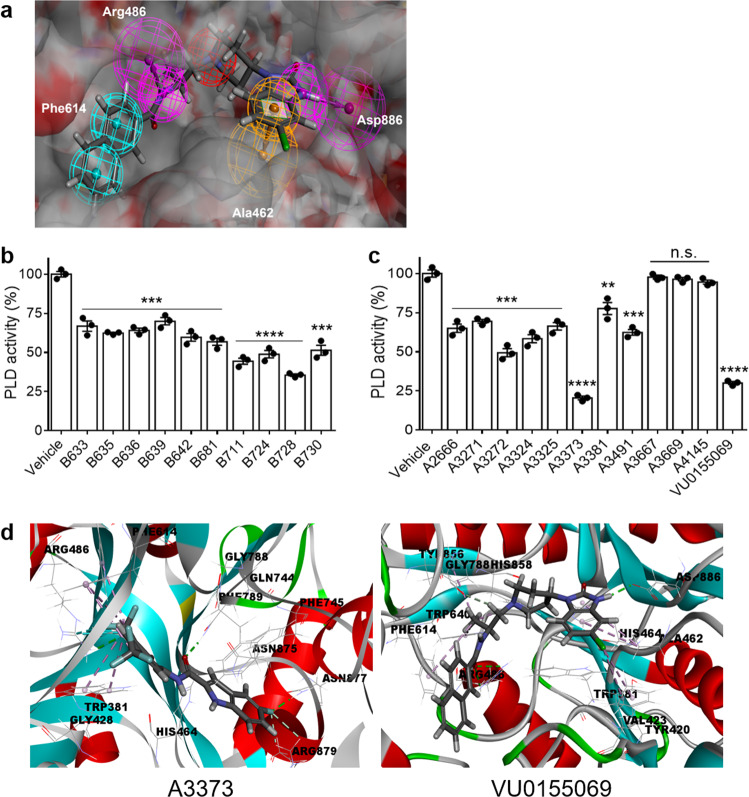
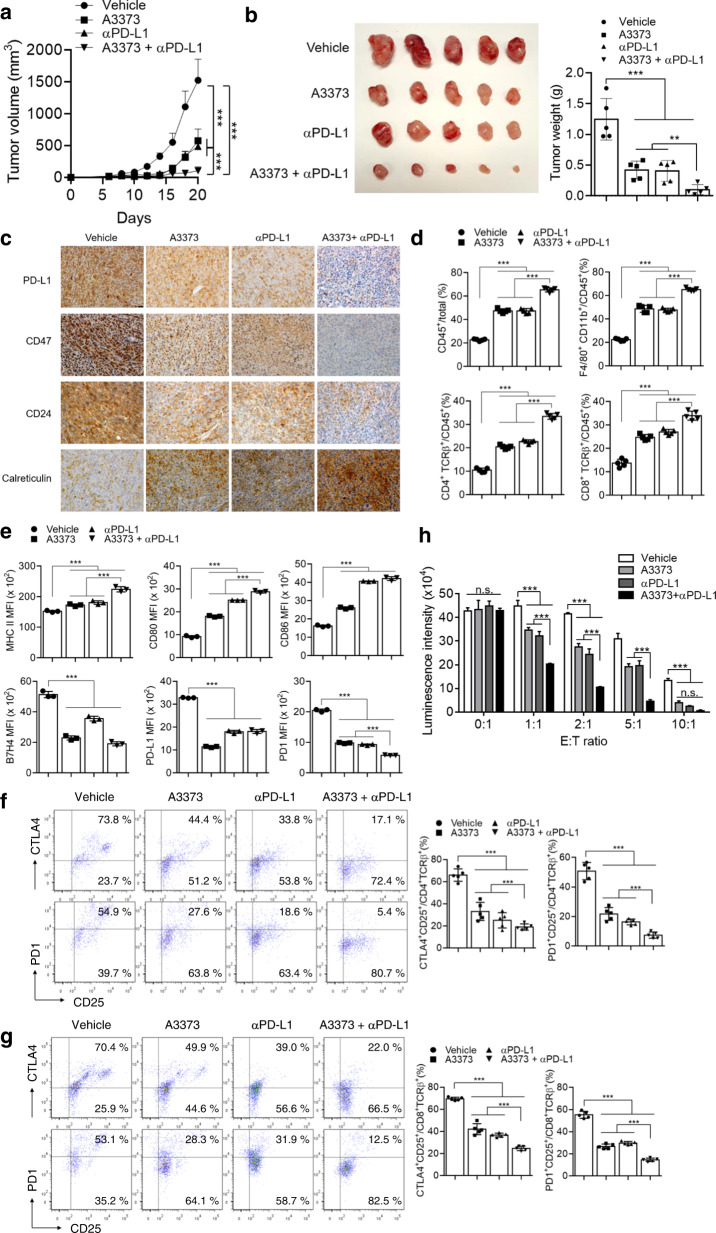
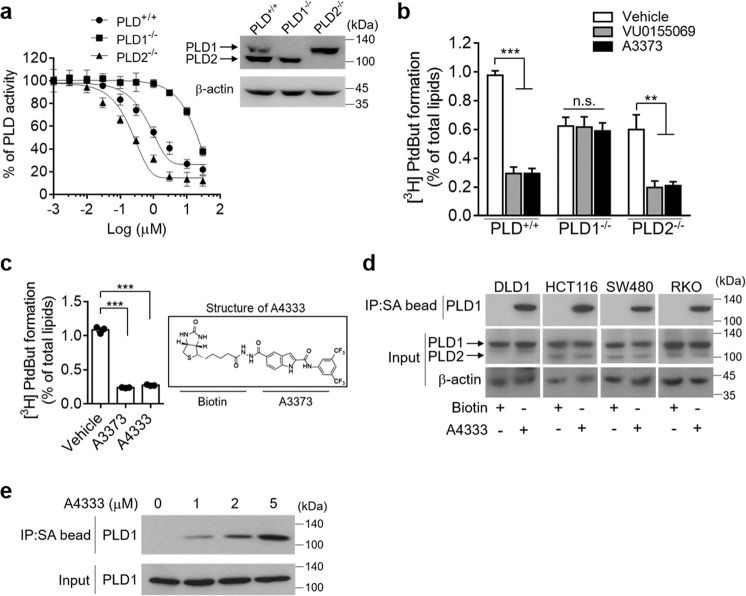
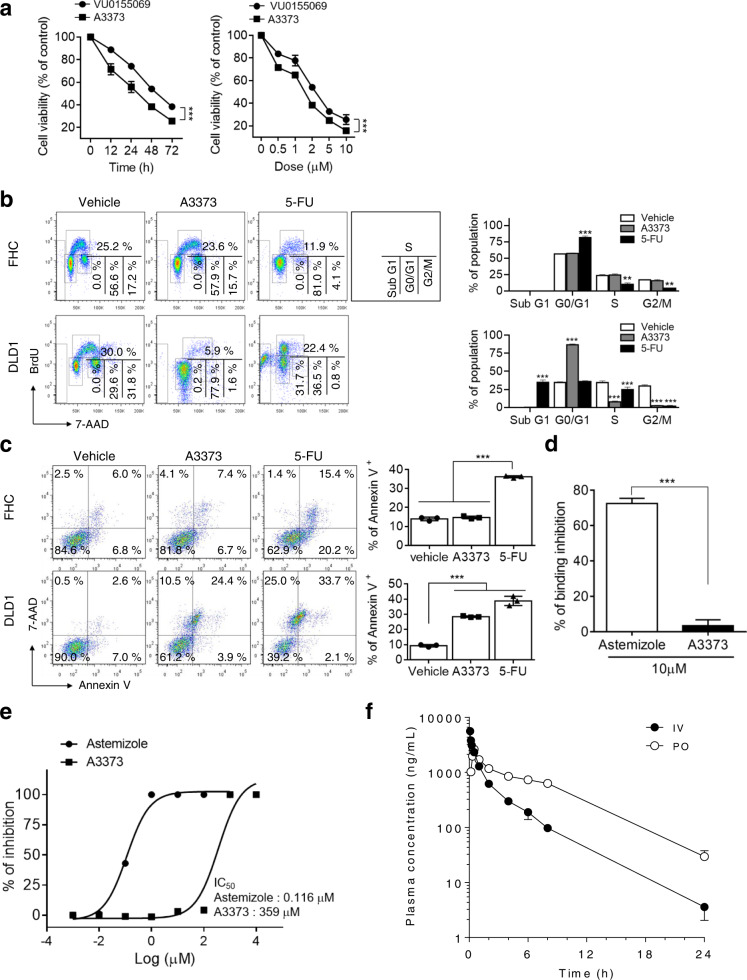
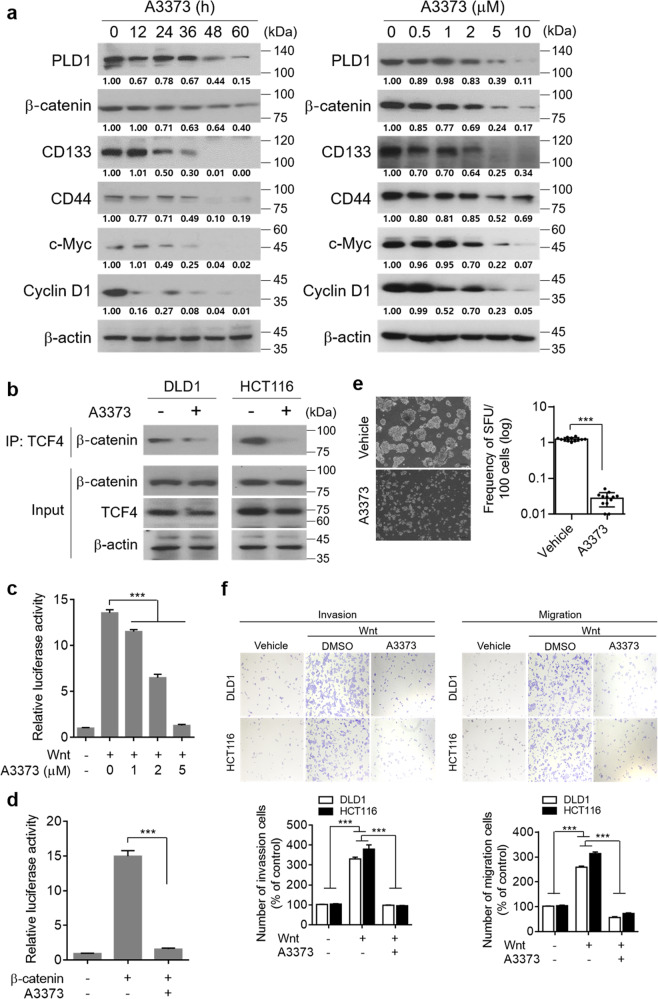
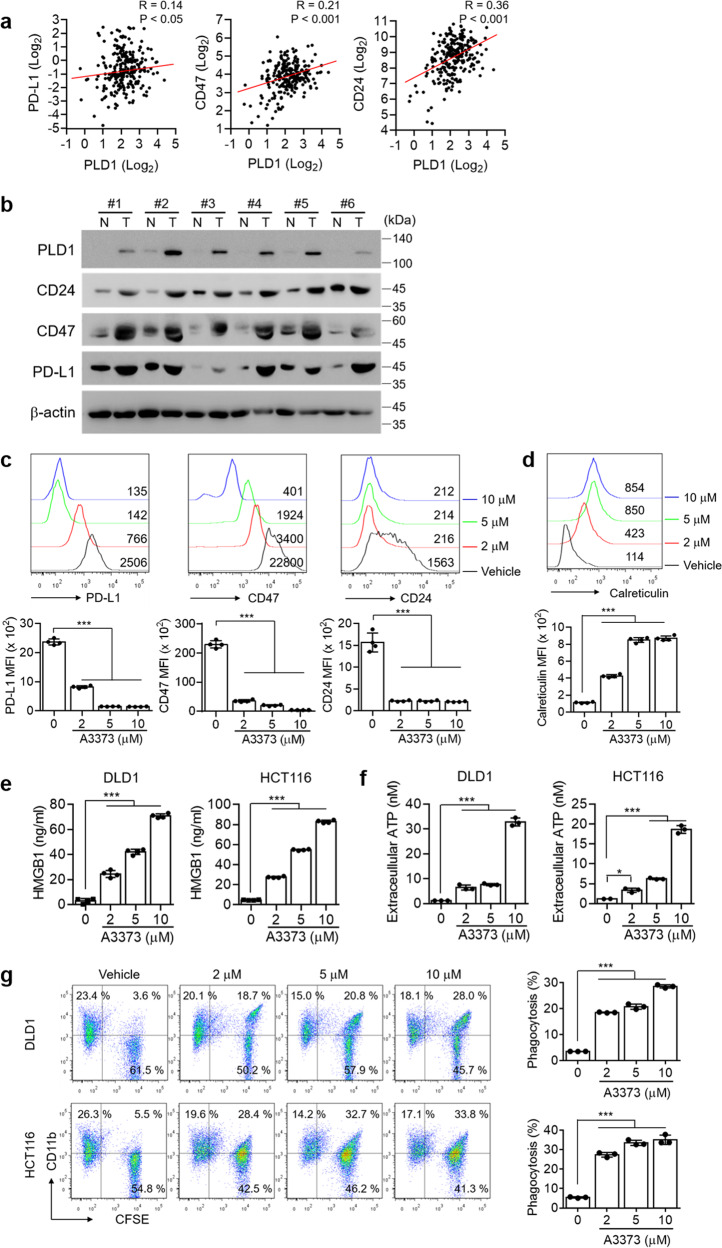
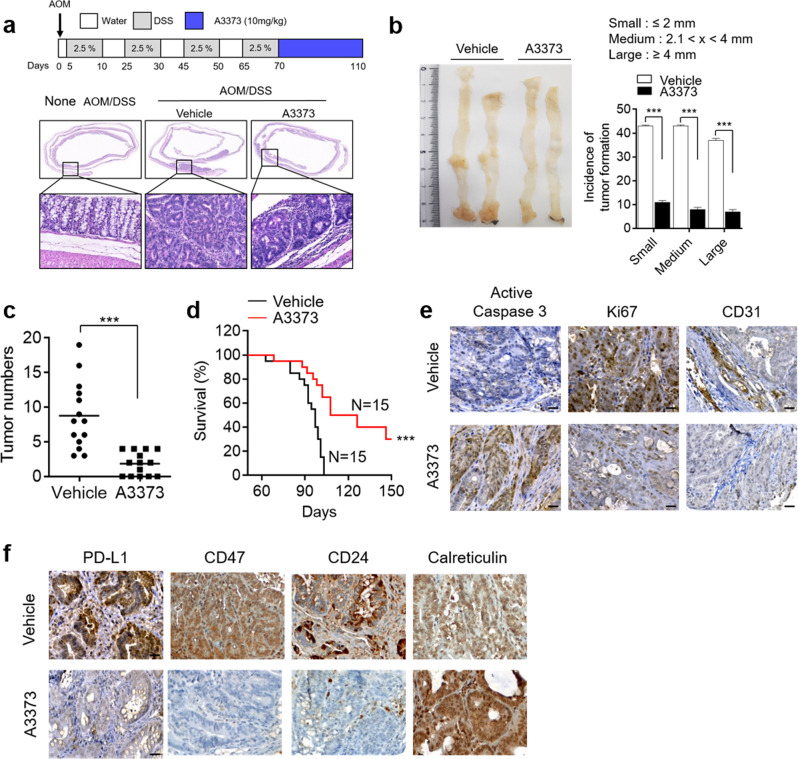
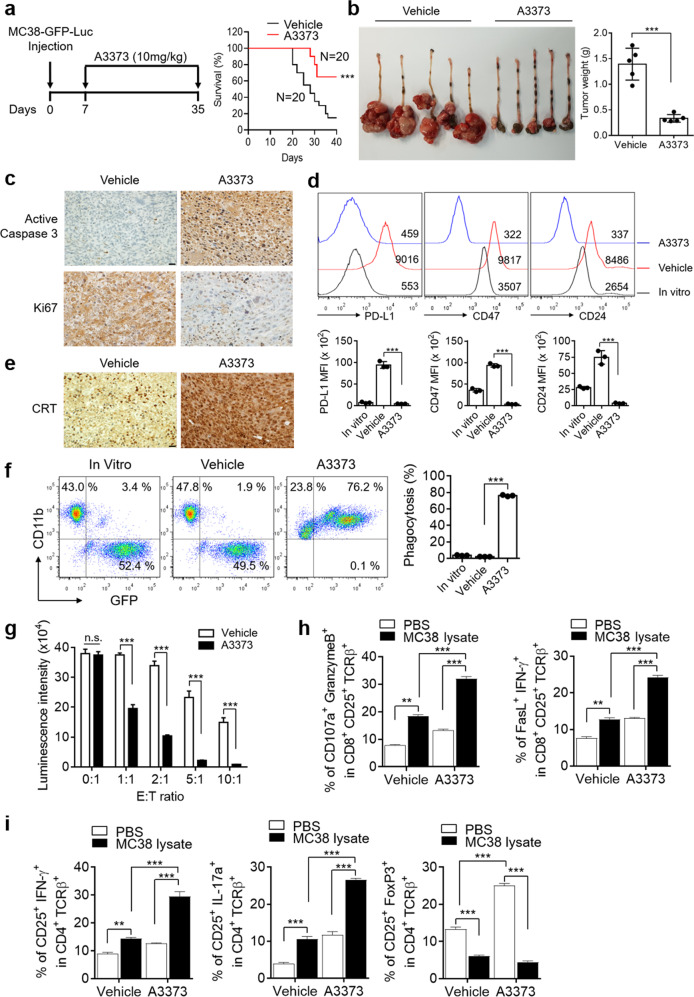
Phospholipase D (PLD) is a potential therapeutic target against cancer. However, the contribution of PLD inhibition to the antitumor response remains unknown. We developed a potent and selective PLD1 inhibitor based on computer-aided drug design. The inhibitor enhanced apoptosis in colorectal cancer (CRC) cells but not in normal colonic cells, and in vitro cardiotoxicity was not observed. The inhibitor downregulated the Wnt/β-catenin signaling pathway and reduced the migration, invasion, and self-renewal capacity of CRC cells. In cancer, therapeutic engagement of immunogenic cell death (ICD) leads to more effective responses by eliciting the antitumor immunity of T cells. The CRC cells treated with the inhibitor showed hallmarks of ICD, including downregulation of "do not eat-me" signals (CD24, CD47, programmed cell death ligand 1 [PD-L1]), upregulation of "eat-me" signal (calreticulin), release of high-mobility group Box 1, and ATP. PLD1 inhibition subsequently enhanced the phagocytosis of cancer cells by macrophages through the surface expression of costimulatory molecules; as a result, the cancer cells were more susceptible to cytotoxic T-cell-mediated killing. Moreover, PLD1 inhibition attenuated colitis-associated CRC and orthotopically injected tumors, probably by controlling multiple pathways, including Wnt signaling, phagocytosis checkpoints, and immune signaling. Furthermore, combination therapy with a PLD1 inhibitor and an anti-PD-L1 antibody further enhanced tumor regression via immune activation in the tumor environment. Collectively, in this study, PLD1 was identified as a critical regulator of the tumor microenvironment in colorectal cancer, suggesting the potential of PLD1 inhibitors for cancer immunotherapy based on ICD and immune activation. PLD1 inhibitors may act as promising immune modulators in antitumor treatment via ICD.
磷脂酶 D (PLD) 是一种针对癌症的潜在治疗靶点。然而,PLD 抑制作用对肿瘤的抗肿瘤反应的贡献尚不清楚。我们基于计算机辅助药物设计开发了一种有效的、选择性的 PLD1 抑制剂。该抑制剂增强了结直肠癌细胞 (CRC) 的凋亡,但对正常结肠细胞没有作用,也没有观察到体外的心脏毒性。抑制剂下调了 Wnt/β-catenin 信号通路,并降低了 CRC 细胞的迁移、侵袭和自我更新能力。在癌症中,通过引发 T 细胞的抗肿瘤免疫,治疗性免疫原性细胞死亡 (ICD) 的参与导致更有效的反应。用抑制剂处理的 CRC 细胞表现出 ICD 的特征,包括下调“不要吃我”信号 (CD24、CD47、程序性细胞死亡配体 1 [PD-L1]),上调“吃我”信号 (钙网蛋白),高迁移率族蛋白 Box 1 的释放和 ATP。PLD1 抑制随后通过表面表达共刺激分子增强了巨噬细胞对癌细胞的吞噬作用; 因此,癌细胞更容易被细胞毒性 T 细胞介导的杀伤。此外,PLD1 抑制减弱了结肠炎相关的 CRC 和原位注射肿瘤,可能是通过控制包括 Wnt 信号、吞噬检查点和免疫信号在内的多种途径。此外,PLD1 抑制剂与抗 PD-L1 抗体的联合治疗通过肿瘤微环境中的免疫激活进一步增强了肿瘤的消退。总之,在这项研究中,PLD1 被确定为结直肠癌肿瘤微环境的关键调节剂,这表明 PLD1 抑制剂在基于 ICD 和免疫激活的癌症免疫治疗中有潜力。PLD1 抑制剂可能通过 ICD 作为抗肿瘤治疗的有前途的免疫调节剂发挥作用。