Department of Respiratory Medicine, The First Affiliated Hospital of Guangxi Medical University, Nan'ning, China.
Department of Microbiology, School of Basic Medical Sciences, Guangxi Medical University, Nan'ning, China.
World J Surg Oncol. 2022 Sep 1;20(1):275. doi: 10.1186/s12957-022-02727-7.
Lung adenocarcinoma (LUAD) accounts for 50% of lung cancers, with high mortality and poor prognosis. Long non-coding RNA (lncRNA) plays a vital role in the progression of tumors. Cuproptosis is a newly discovered form of cell death that is highly investigated. Therefore, in the present study, we aimed to investigate the role of cuproptosis-related lncRNA signature in clinical prognosis prediction and immunotherapy and the relationship with drug sensitivity.
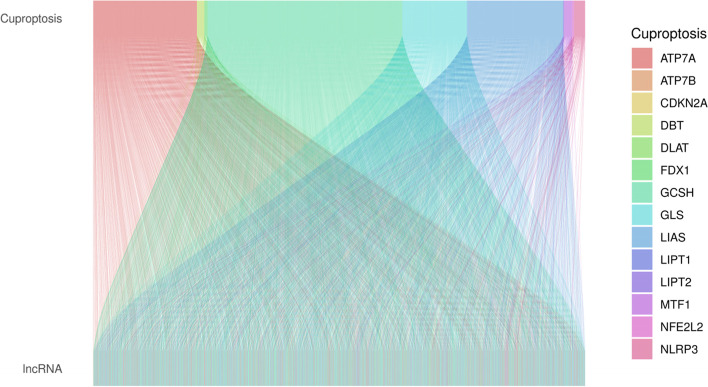
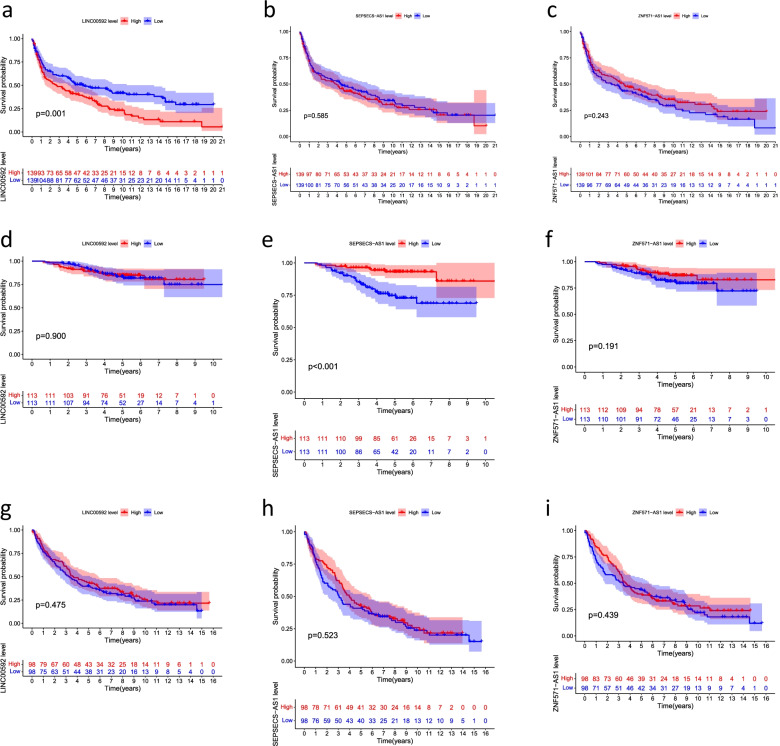
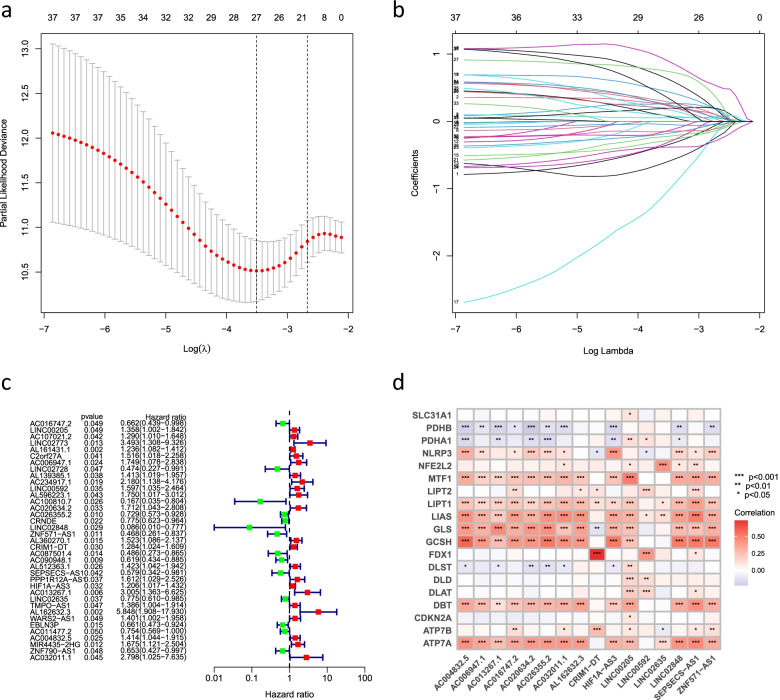
Genomic and clinical data were obtained from The Cancer Genome Atlas (TCGA) and Gene Expression Omnibus (GEO) databases, and cuproptosis-related genes were obtained from cuproptosis-related studies. The prognostic signature was constructed by co-expression analysis and Cox regression analysis. Patients were divided into high and low risk groups, and then, a further series of model validations were carried out to assess the prognostic value of the signature. Subsequently, lncRNAs were analyzed for gene ontology (GO), Kyoto Encyclopedia of Genes and Genomes Enrichment (KEGG), immune-related functions, and tumor mutation burden (TMB). Finally, we used tumor immune dysfunction and exclusion (TIDE) algorithms on immune escape and immunotherapy of cuproptosis-related lncRNAs, thereby identifying its sensitivity toward potential drugs for LUAD.
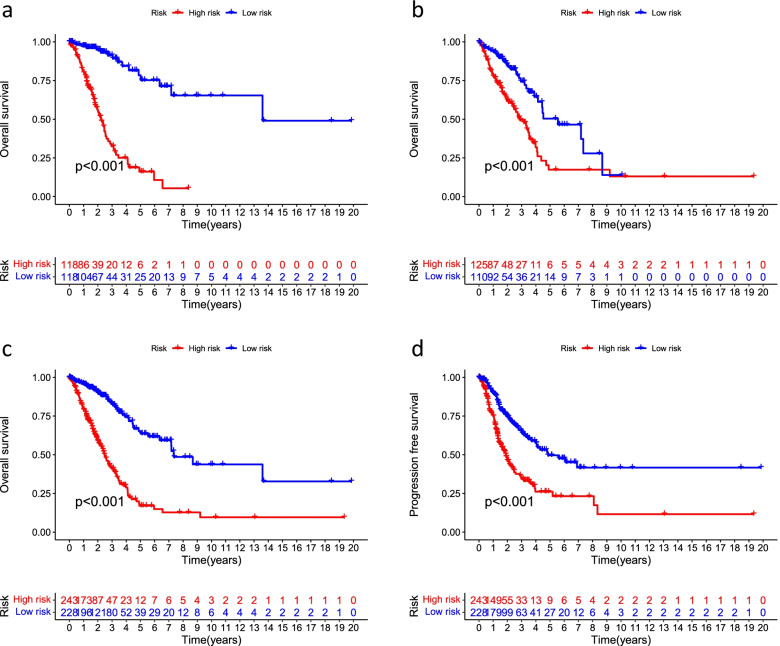
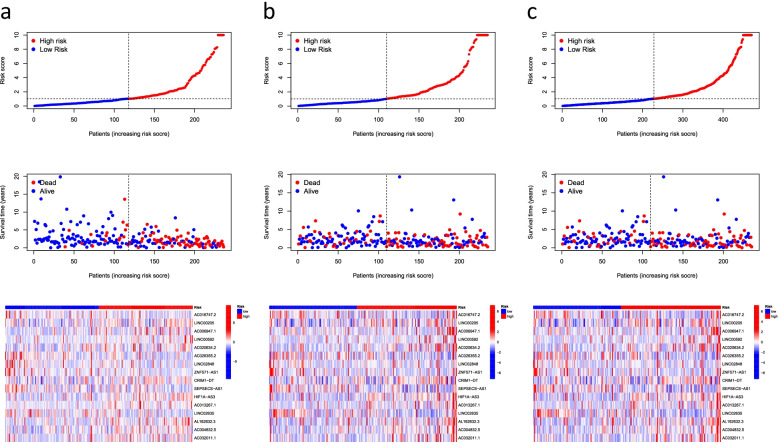
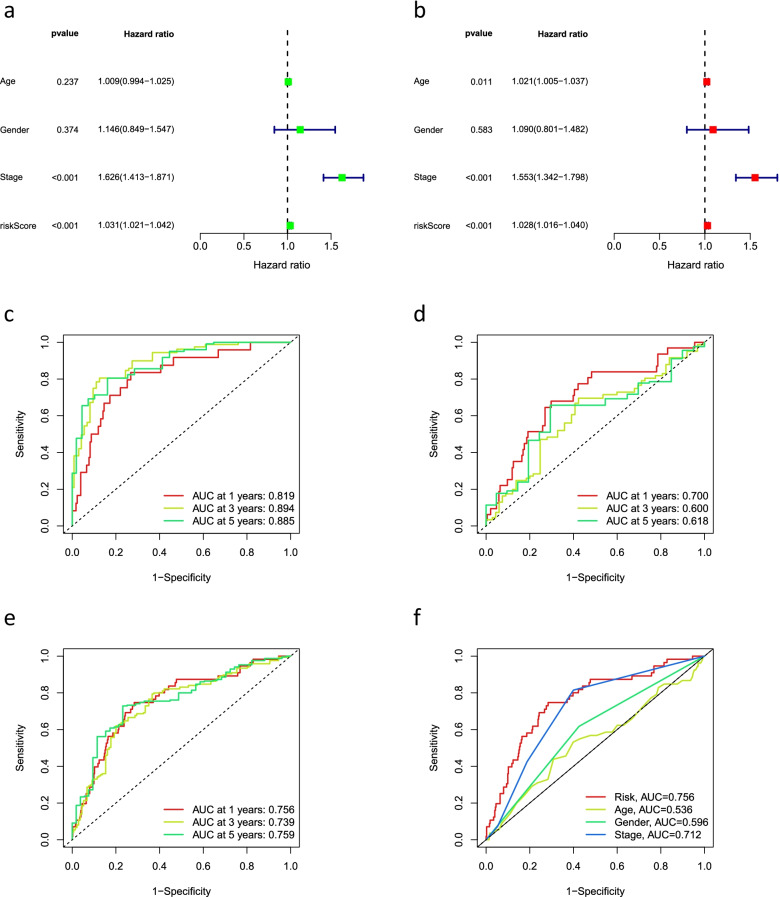
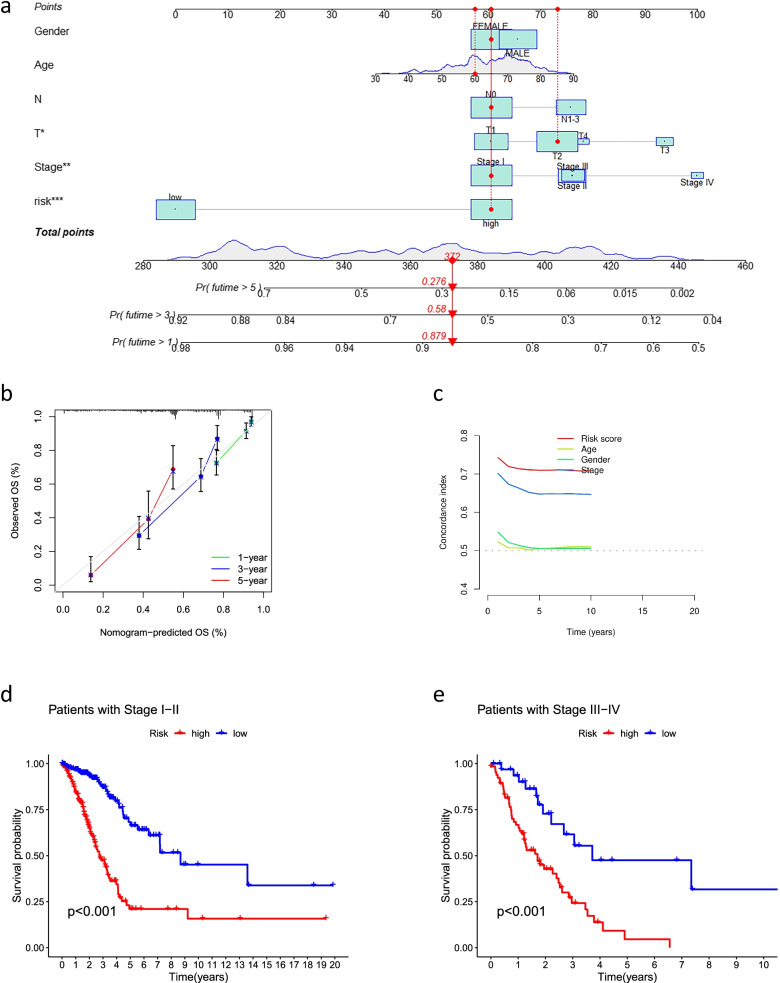
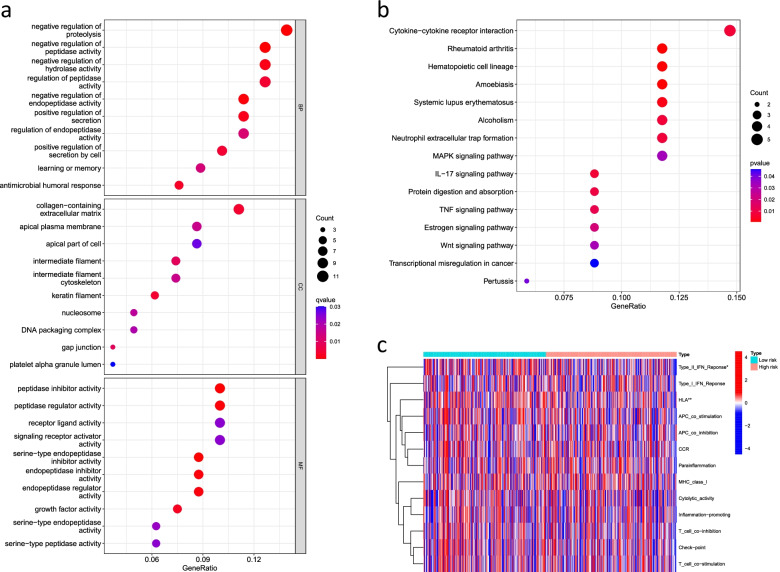
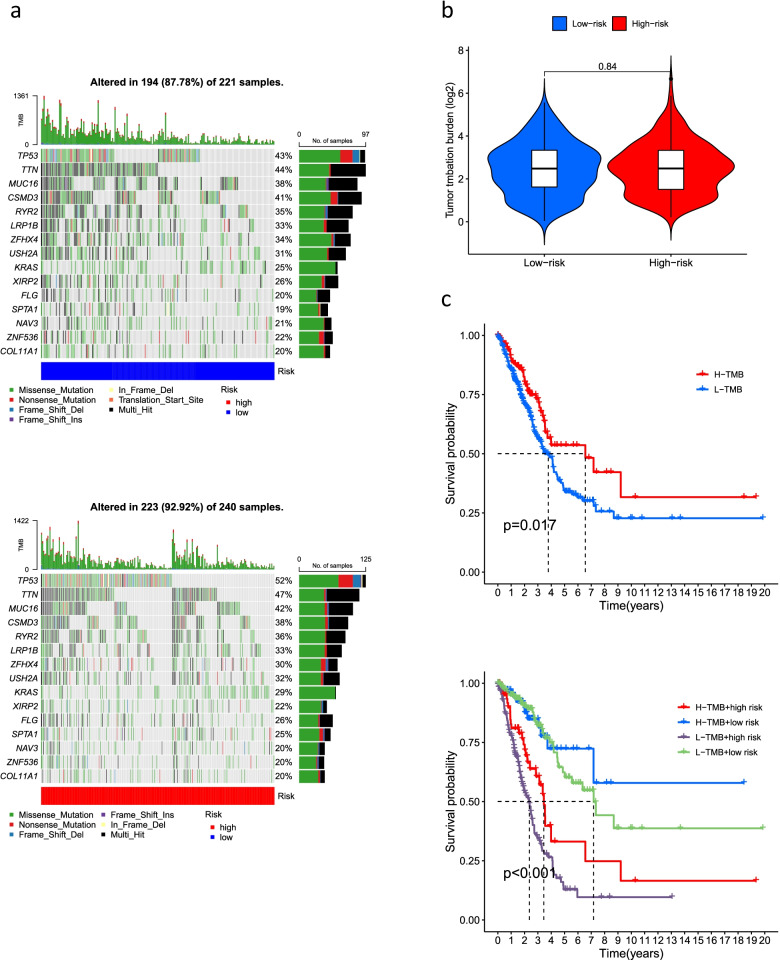
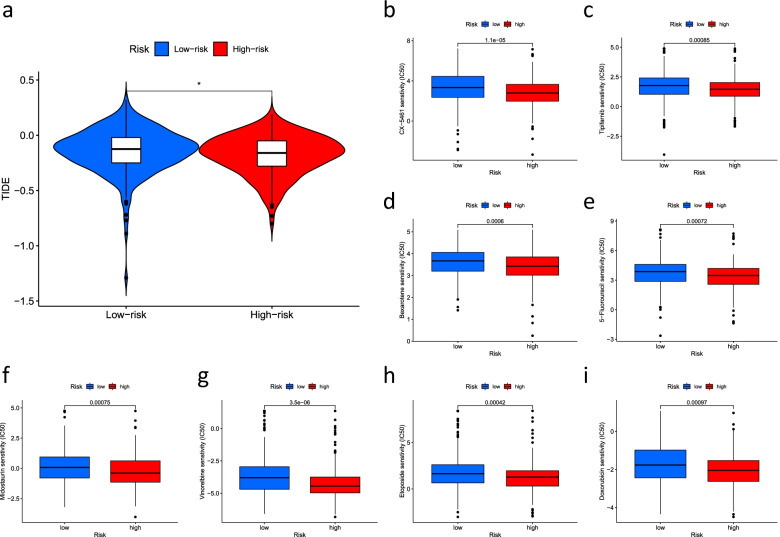
A total of 16 cuproptosis-related lncRNAs were obtained, and a prognostic signature was developed. We found that high-risk patients had worse overall survival (OS) and progression-free survival (PFS) and higher mortality. Independent prognostic analyses, ROC, C-index, and nomogram showed that the cuproptosis-related lncRNAs can accurately predict the prognosis of patients. The nomogram and heatmap showed a distinct distribution of the high- and low-risk cuproptosis-related lncRNAs. Enrichment analysis showed that the biological functions of lncRNAs are associated with tumor development. We also found that immune-related functions, such as antiviral activity, were suppressed in high-risk patients who had mutations in oncogenes. OS was poorer in patients with high TMB. TIDE algorithms showed that high-risk patients have a greater potential for immune escape and less effective immunotherapy.
To conclude, the 16 cuproptosis-related lncRNAs can accurately predict the prognosis of patients with LUAD and may provide new insights into clinical applications and immunotherapy.
肺腺癌 (LUAD) 约占肺癌的 50%,其死亡率和预后均较差。长链非编码 RNA(lncRNA)在肿瘤的进展中起着至关重要的作用。铜死亡是一种新发现的细胞死亡形式,目前正在深入研究。因此,本研究旨在探讨铜死亡相关 lncRNA 特征在临床预后预测和免疫治疗中的作用,以及与药物敏感性的关系。
从癌症基因组图谱(TCGA)和基因表达综合数据库(GEO)中获取基因组和临床数据,并从铜死亡相关研究中获取铜死亡相关基因。通过共表达分析和 Cox 回归分析构建预后特征。将患者分为高风险组和低风险组,然后进行进一步的模型验证,以评估特征的预后价值。随后,对 lncRNA 进行基因本体论(GO)、京都基因与基因组百科全书(KEGG)富集分析、免疫相关功能和肿瘤突变负荷(TMB)分析。最后,我们使用肿瘤免疫功能障碍和排斥(TIDE)算法分析铜死亡相关 lncRNA 的免疫逃逸和免疫治疗,从而确定其对 LUAD 潜在药物的敏感性。
共获得 16 个铜死亡相关 lncRNA,并构建了一个预后特征。我们发现,高危患者的总生存(OS)和无进展生存(PFS)更差,死亡率更高。独立预后分析、ROC、C 指数和列线图均表明,铜死亡相关 lncRNA 能准确预测患者的预后。列线图和热图显示高低危铜死亡相关 lncRNA 分布明显不同。富集分析表明,lncRNA 的生物学功能与肿瘤的发生发展有关。我们还发现,在具有致癌基因突变的高危患者中,免疫相关功能,如抗病毒活性,受到抑制。高 TMB 患者的 OS 较差。TIDE 算法表明,高危患者具有更大的免疫逃逸潜力,免疫治疗效果较差。
综上所述,这 16 个铜死亡相关 lncRNA 可以准确预测 LUAD 患者的预后,可能为临床应用和免疫治疗提供新的见解。