Tohoku Medical Megabank Organization, Tohoku University, Sendai, Japan.
Department of Molecular Hematology, Tohoku University Graduate School of Medicine, Sendai, Japan.
Commun Biol. 2023 Aug 25;6(1):875. doi: 10.1038/s42003-023-05251-w.
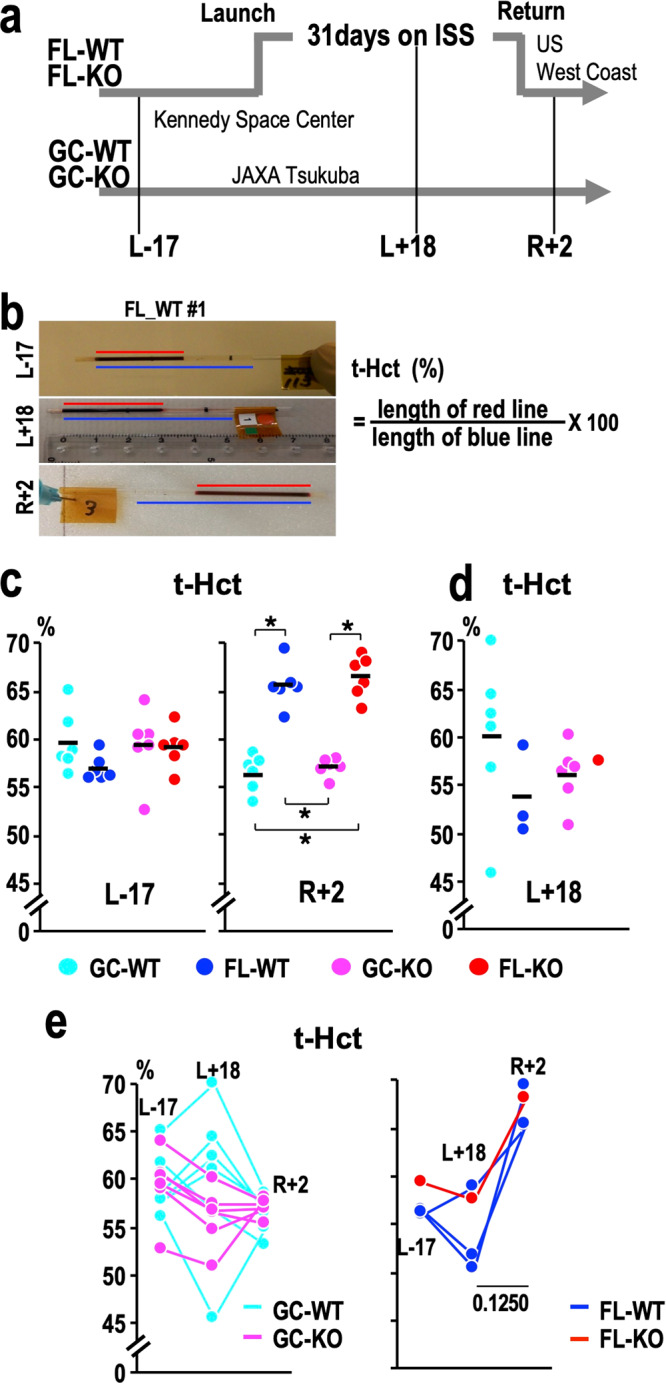
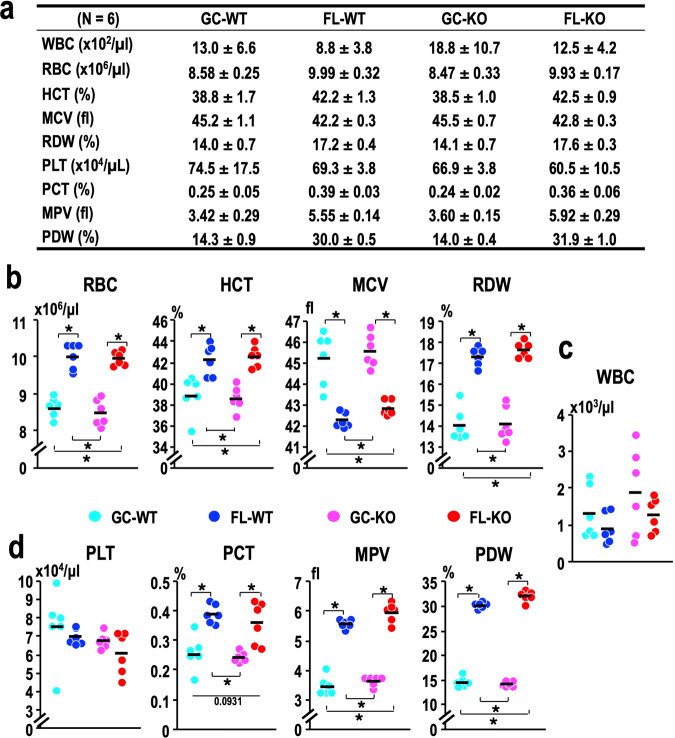
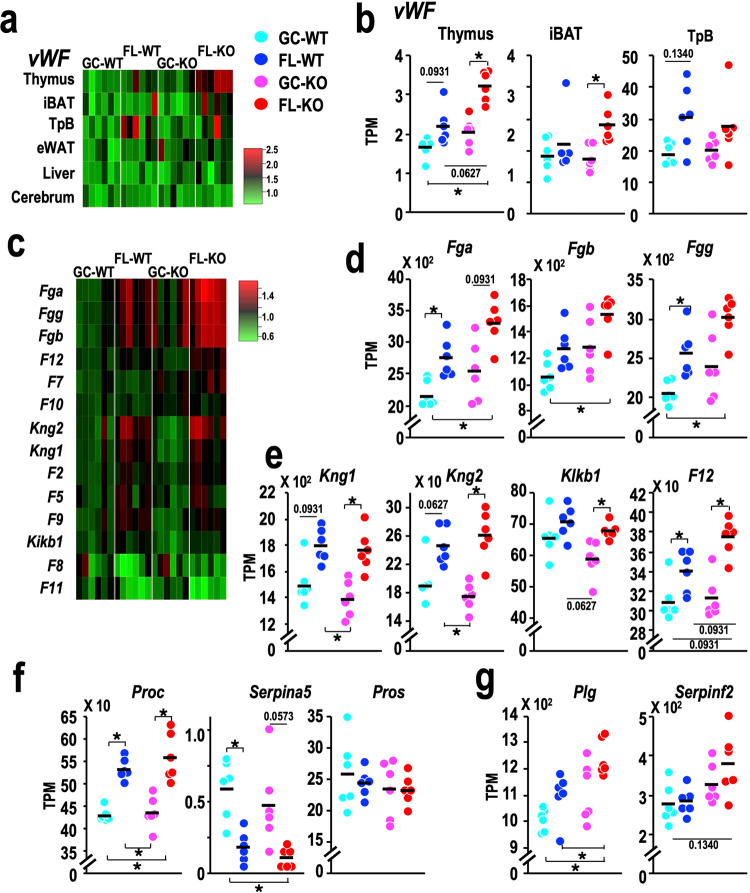
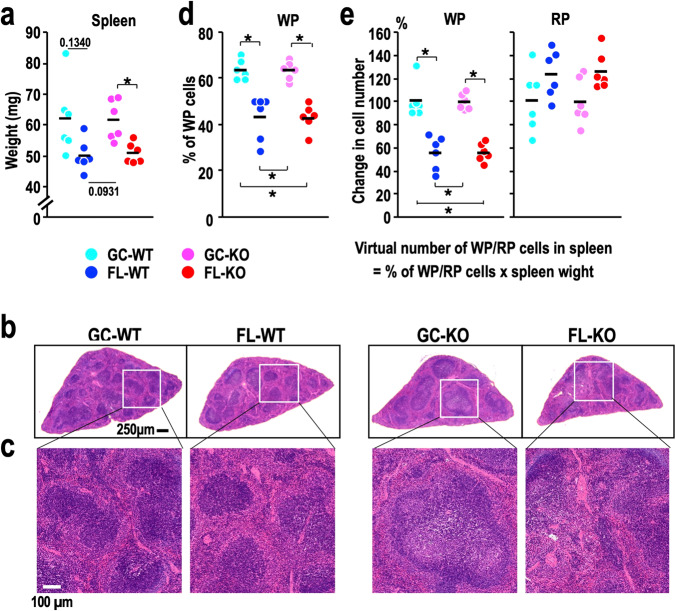
Spaceflight-related stresses impact health via various body systems, including the haematopoietic and immune systems, with effects ranging from moderate alterations of homoeostasis to serious illness. Oxidative stress appears to be involved in these changes, and the transcription factor Nrf2, which regulates expression of a set of cytoprotective and antioxidative stress response genes, has been implicated in the response to spaceflight-induced stresses. Here, we show through analyses of mice from the MHU-3 project, in which Nrf2-knockout mice travelled in space for 31 days, that mice lacking Nrf2 suffer more seriously from spaceflight-induced immunosuppression than wild-type mice. We discovered that a one-month spaceflight-triggered the expression of tissue inflammatory marker genes in wild-type mice, an effect that was even more pronounced in the absence of Nrf2. Concomitant with induction of inflammatory conditions, the consumption of coagulation-fibrinolytic factors and platelets was elevated by spaceflight and further accelerated by Nrf2 deficiency. These results highlight that Nrf2 mitigates spaceflight-induced inflammation, subsequent immunosuppression, and thrombotic microangiopathy. These observations reveal a new strategy to relieve health problems encountered during spaceflight.
航天相关的应激会通过多种身体系统影响健康,包括造血和免疫系统,其影响范围从体内平衡的适度改变到严重疾病。氧化应激似乎与这些变化有关,转录因子 Nrf2 调节一组细胞保护和抗氧化应激反应基因的表达,与对航天诱导应激的反应有关。在这里,我们通过分析 MHU-3 项目中的小鼠(其中 Nrf2 敲除小鼠在太空旅行了 31 天)表明,缺乏 Nrf2 的小鼠比野生型小鼠遭受更严重的航天诱导免疫抑制。我们发现,一个月的航天飞行会引发野生型小鼠组织炎症标志物基因的表达,而在缺乏 Nrf2 的情况下,这种效应更为明显。伴随着炎症状态的诱导,凝血-纤维蛋白溶解因子和血小板的消耗被航天飞行所增加,并因 Nrf2 缺乏而进一步加速。这些结果突出表明,Nrf2 减轻了航天诱导的炎症、随后的免疫抑制和血栓性微血管病。这些观察结果揭示了一种缓解航天期间遇到的健康问题的新策略。