Han Xinyu, Abdallah Mohammed O E, Breuer Peter, Stahl Fabian, Bakhit Yousuf, Potthoff Anna-Laura, Pregler Barbara E F, Schneider Matthias, Waha Andreas, Wüllner Ullrich, Evert Bernd O
Department of Neurology, University Hospital Bonn, Bonn, Germany.
Centre for Molecular Medicine and Therapeutics, University of British Columbia, Vancouver, Canada.
Neoplasia. 2023 Oct;44:100929. doi: 10.1016/j.neo.2023.100929. Epub 2023 Aug 25.
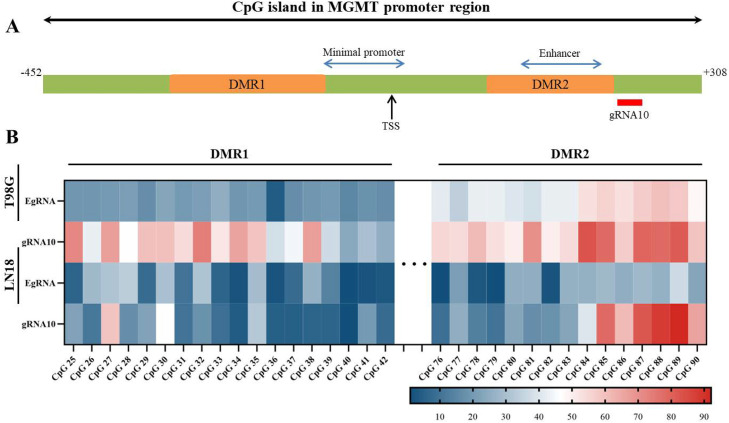
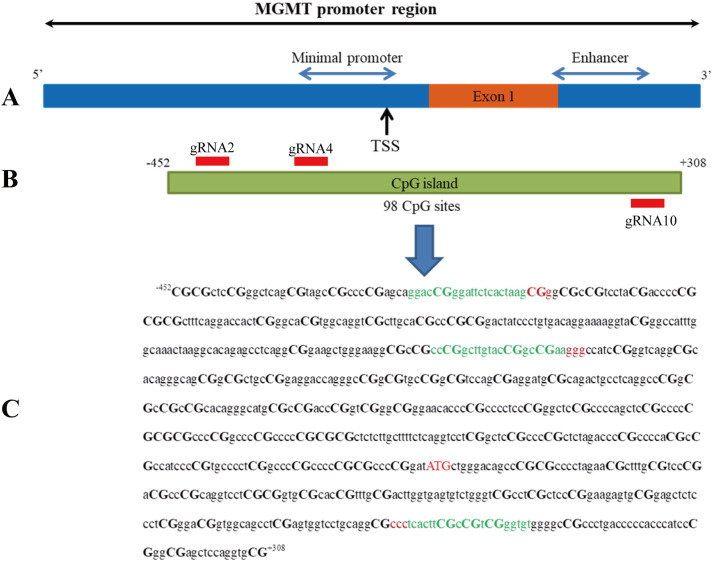
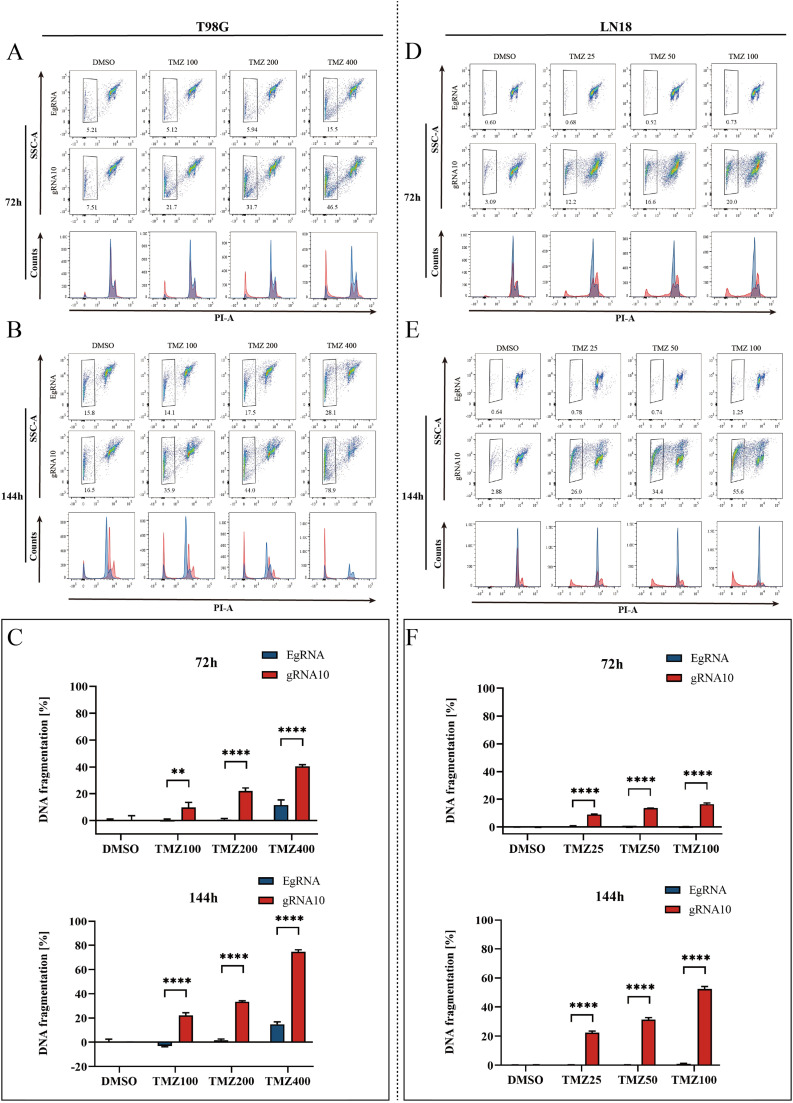
Glioblastoma is the most common and aggressive primary tumor of the central nervous system with poor outcome. Current gold standard treatment is surgical resection followed by a combination of radio- and chemotherapy. Efficacy of temozolomide (TMZ), the primary chemotherapeutic agent, depends on the DNA methylation status of the O6-methylguanine DNA methyltransferase (MGMT), which has been identified as a prognostic biomarker in glioblastoma patients. Clinical studies revealed that glioblastoma patients with hypermethylated MGMT promoter have a better response to TMZ treatment and a significantly improved overall survival. In this study, we thus used the CRISPRoff genome editing tool to mediate targeted DNA methylation within the MGMT promoter region. The system carrying a CRISPR-deactivated Cas9 (dCas9) fused with a methyltransferase (Dnmt3A/3L) domain downregulated MGMT expression in TMZ-resistant human glioblastoma cell lines through targeted DNA methylation. The reduction of MGMT expression levels reversed TMZ resistance in TMZ-resistant glioblastoma cell lines resulting in TMZ induced dose-dependent cell death rates. In conclusion, we demonstrate targeted RNA-guided methylation of the MGMT promoter as a promising tool to overcome chemoresistance and improve the cytotoxic effect of TMZ in glioblastoma.
胶质母细胞瘤是中枢神经系统最常见且侵袭性最强的原发性肿瘤,预后较差。当前的金标准治疗方法是手术切除,随后进行放疗和化疗联合治疗。替莫唑胺(TMZ)作为主要的化疗药物,其疗效取决于O6-甲基鸟嘌呤DNA甲基转移酶(MGMT)的DNA甲基化状态,MGMT已被确定为胶质母细胞瘤患者的预后生物标志物。临床研究表明,MGMT启动子高甲基化的胶质母细胞瘤患者对TMZ治疗反应更好,总生存期显著延长。因此,在本研究中,我们使用CRISPRoff基因组编辑工具介导MGMT启动子区域内的靶向DNA甲基化。携带与甲基转移酶(Dnmt3A/3L)结构域融合的CRISPR失活Cas9(dCas9)的系统通过靶向DNA甲基化下调了TMZ耐药的人胶质母细胞瘤细胞系中的MGMT表达。MGMT表达水平的降低逆转了TMZ耐药的胶质母细胞瘤细胞系中的TMZ耐药性,导致TMZ诱导剂量依赖性细胞死亡率。总之,我们证明了MGMT启动子的靶向RNA引导甲基化是一种有前景的工具,可克服胶质母细胞瘤的化疗耐药性并提高TMZ的细胞毒性作用。