Chen Xuenuo, Wang Zhijian, Wu Yilin, Lan Yinghua, Li Yongguo
Department of Infectious Diseases, The First Affiliated Hospital of Chongqing Medical University, Chongqing, China.
Department of Gastroenterology, The First Affiliated Hospital of Chongqing Medical University, Chongqing, China.
Front Oncol. 2023 Aug 11;13:1204335. doi: 10.3389/fonc.2023.1204335. eCollection 2023.
Hepatocellular carcinoma (HCC) is the most common type of cancer worldwide and is a major public health problem in the 21st century. Disulfidopathy, a novel cystine-associated programmed cell death, plays complex roles in various tumors. However, the relationship between disulfidoptosis and prognosis in patients with HCC remains unclear. This study aimed to explore the relationship between disulfideptosis and the prognosis of liver cancer and to develop a prognostic model based on amino acid metabolism and disulfideptosis genes.
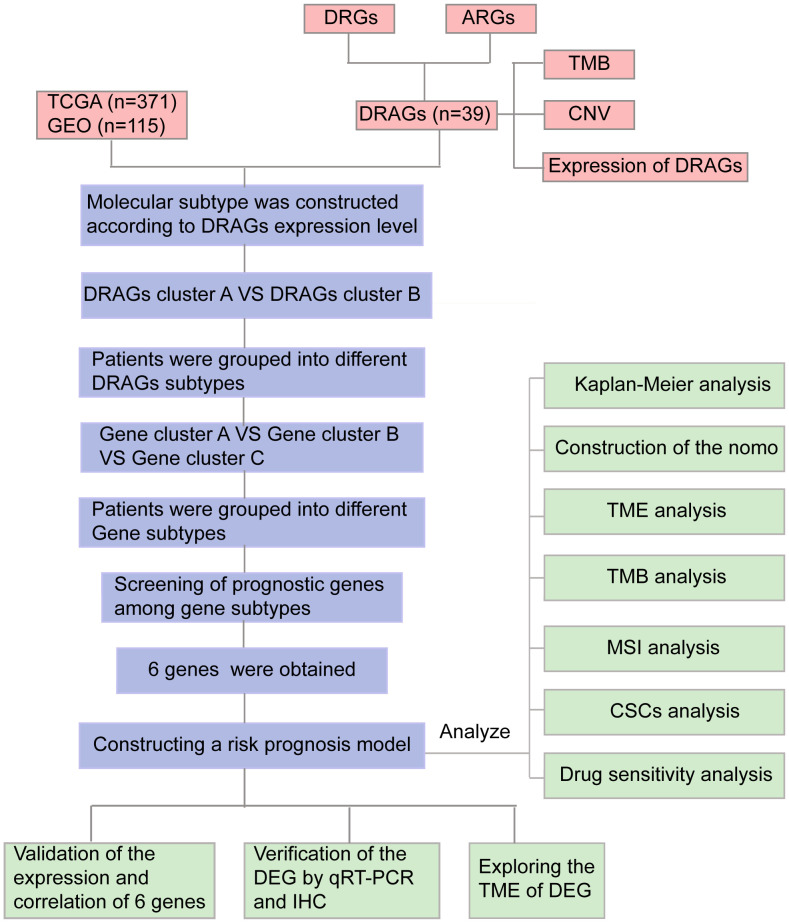
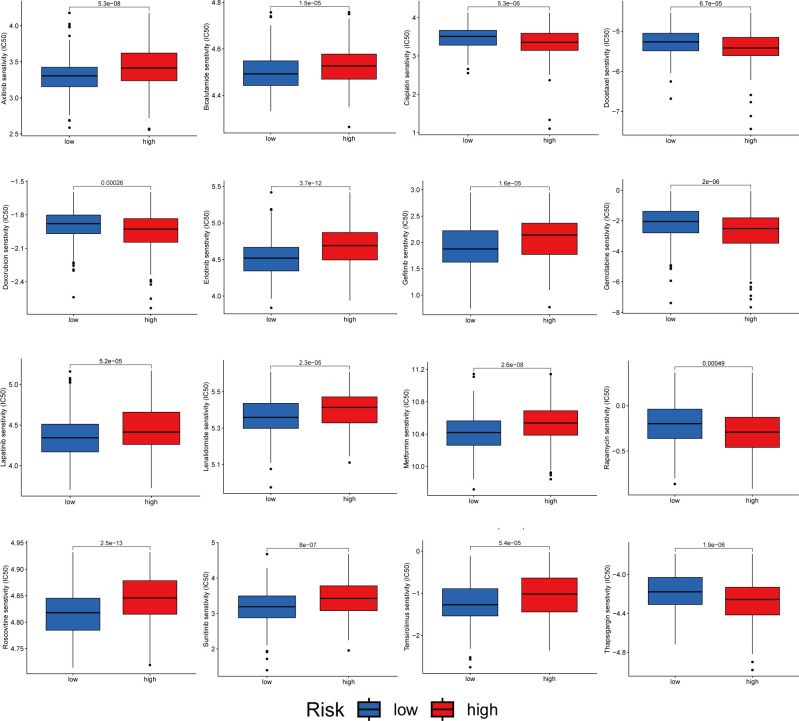
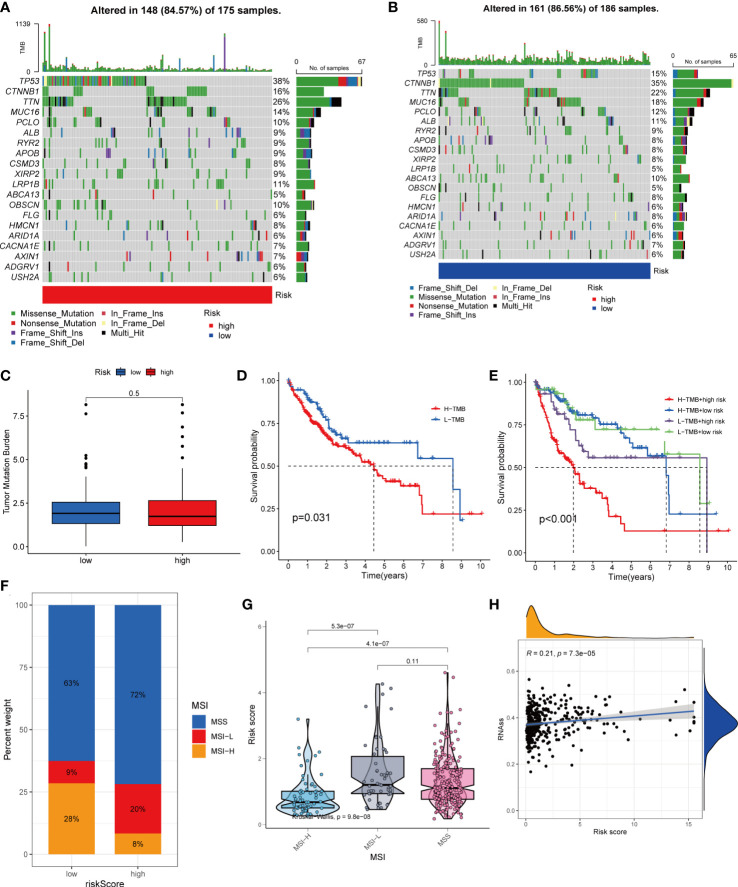
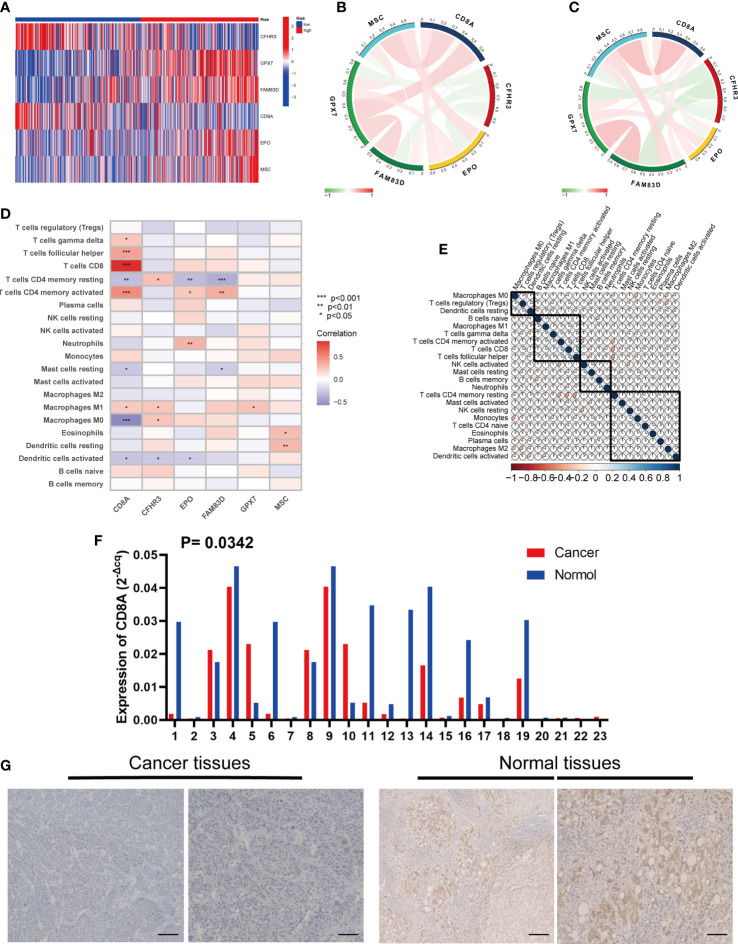
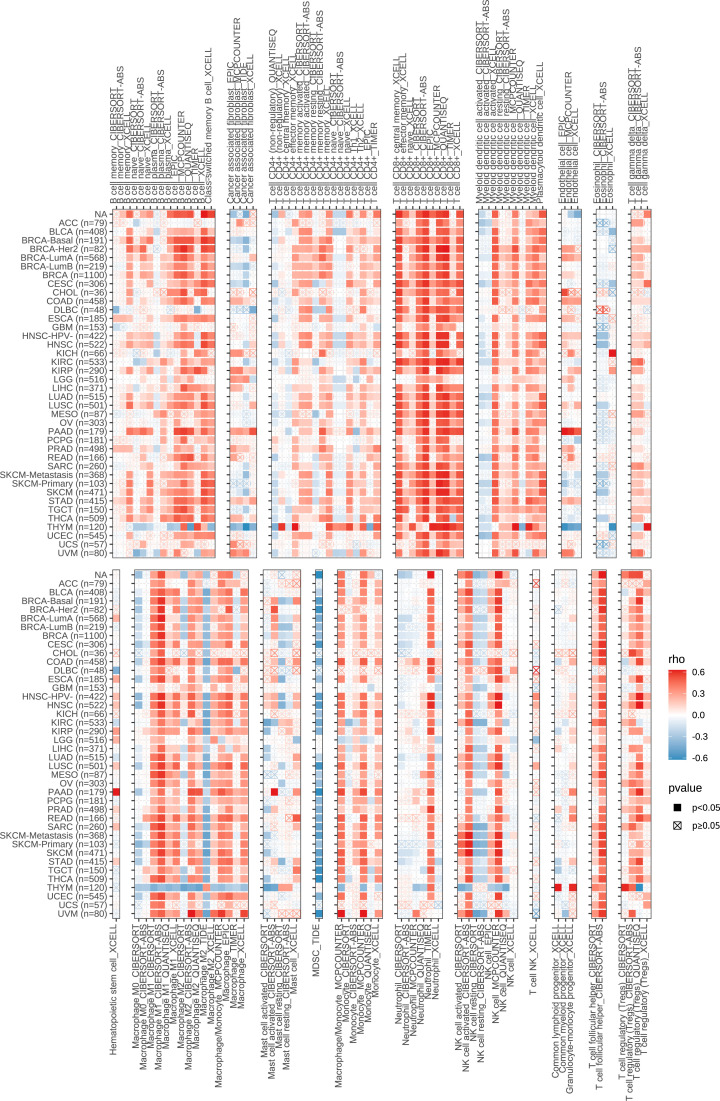
We downloaded the clinicopathological information and gene expression data of patients with HCC from The Cancer Genome Atlas (TCGA) and Gene Expression Omnibus (GEO) databases and classified them into different molecular subtypes based on the expression patterns of disulfidoptosis-associated amino acid metabolism genes (DRAGs). Patients were then classified into different gene subtypes using the differential genes between the molecular subtypes, and the predictive value of staging was assessed using survival and clinicopathological analyses. Subsequently, risk prognosis models were constructed based on Cox regression analysis to assess patient prognosis, receiver operating characteristic (ROC) curves, somatic mutations, microsatellite instability, tumor microenvironment, and sensitivity to antitumor therapeutic agents.
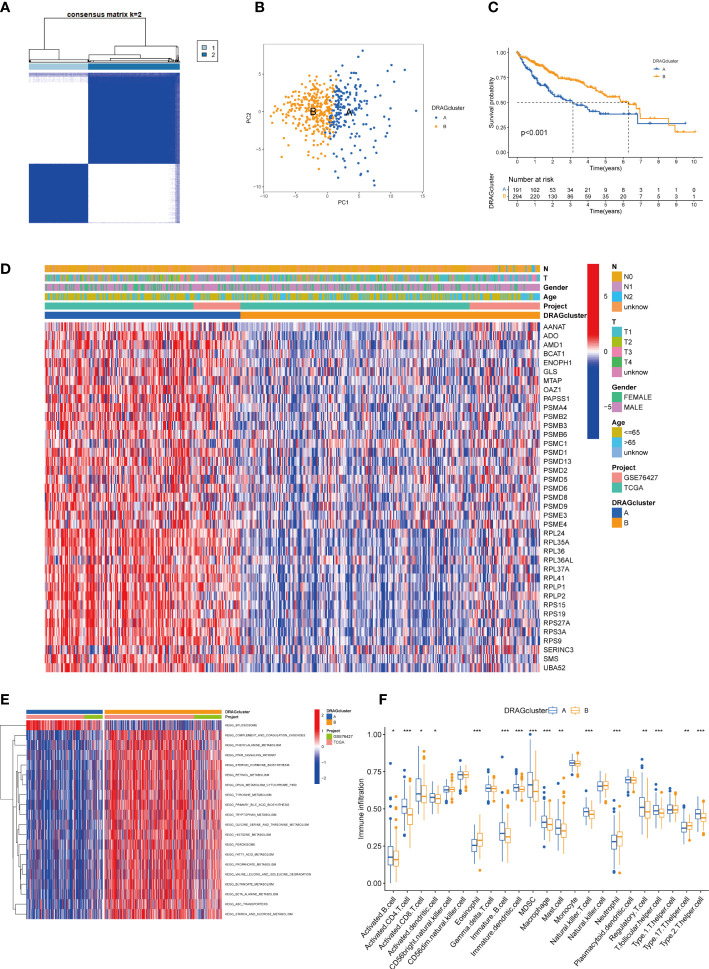
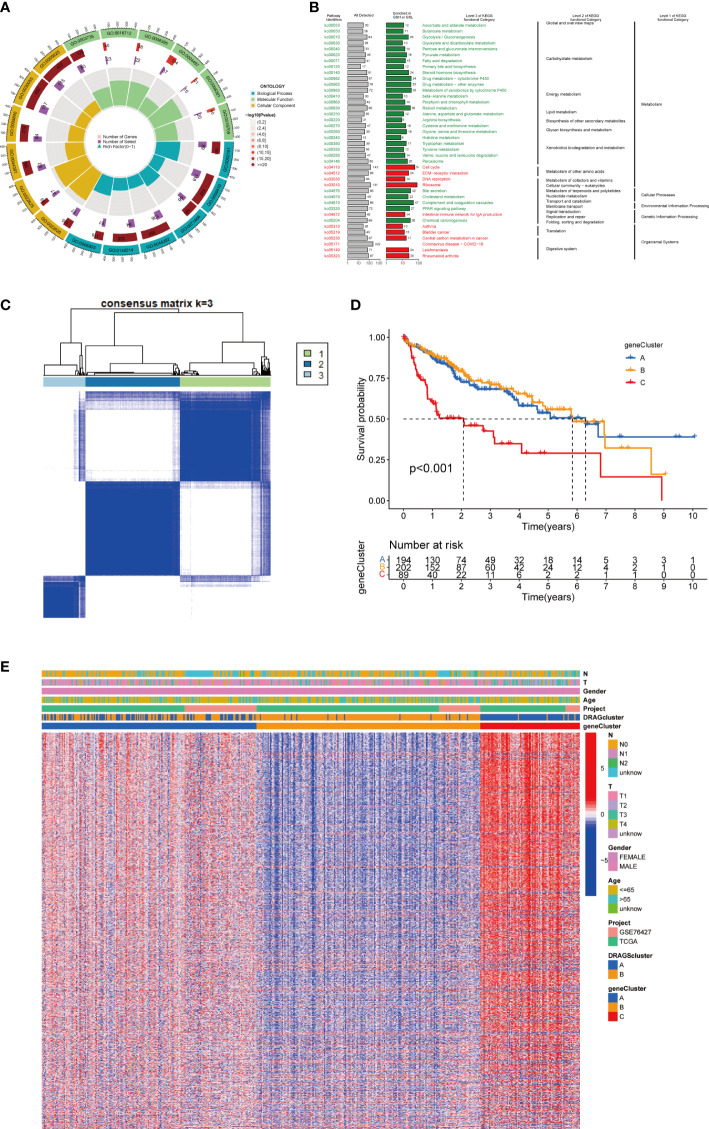
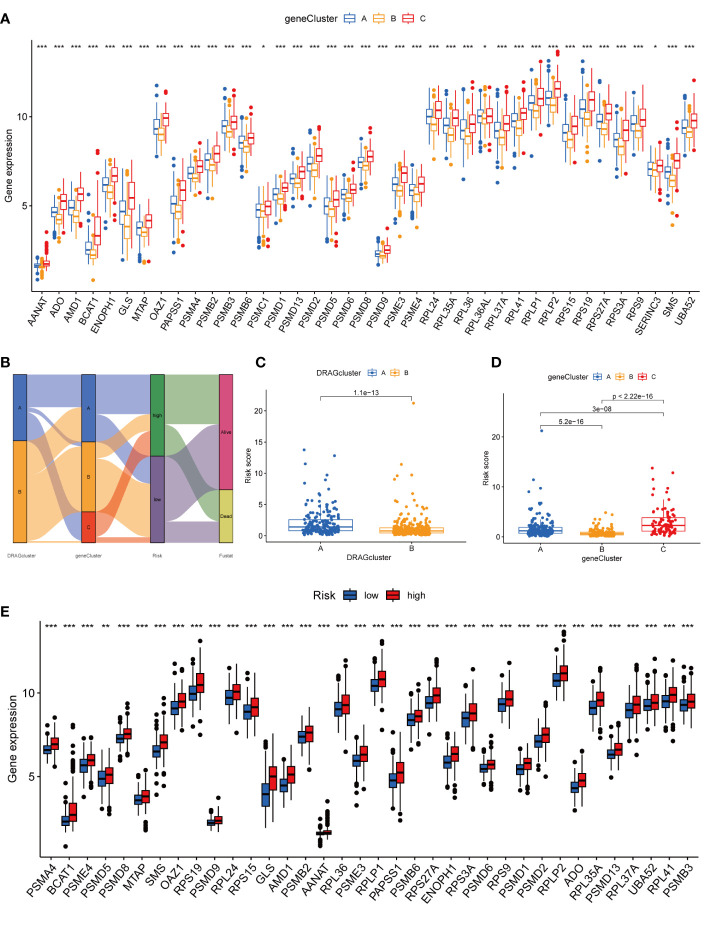
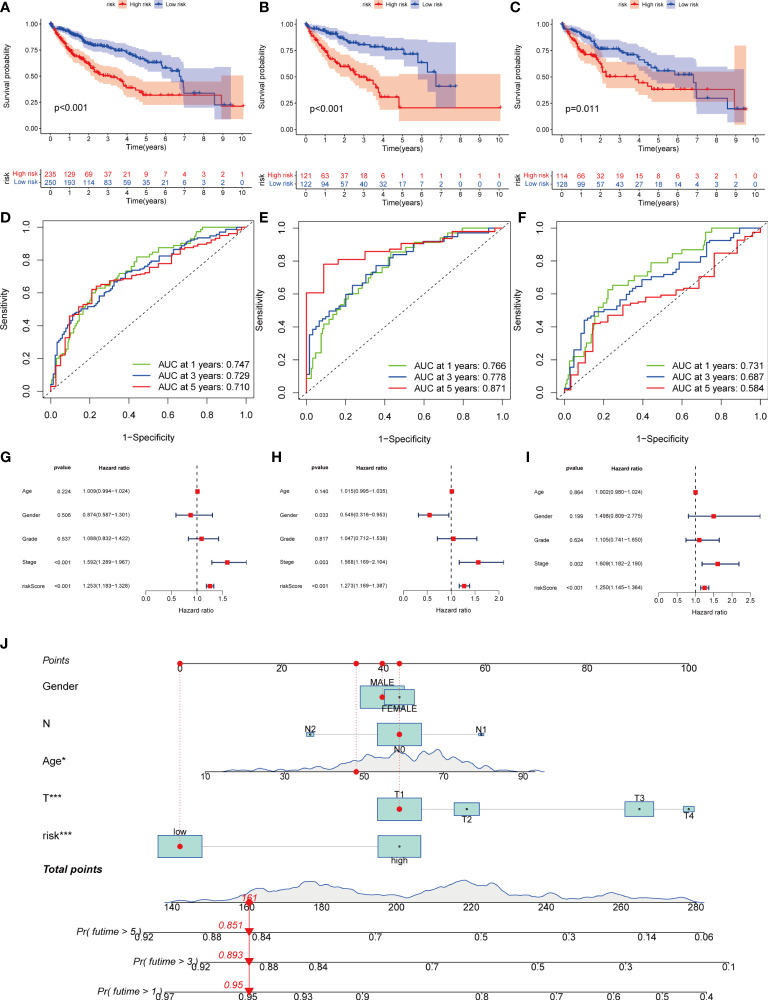
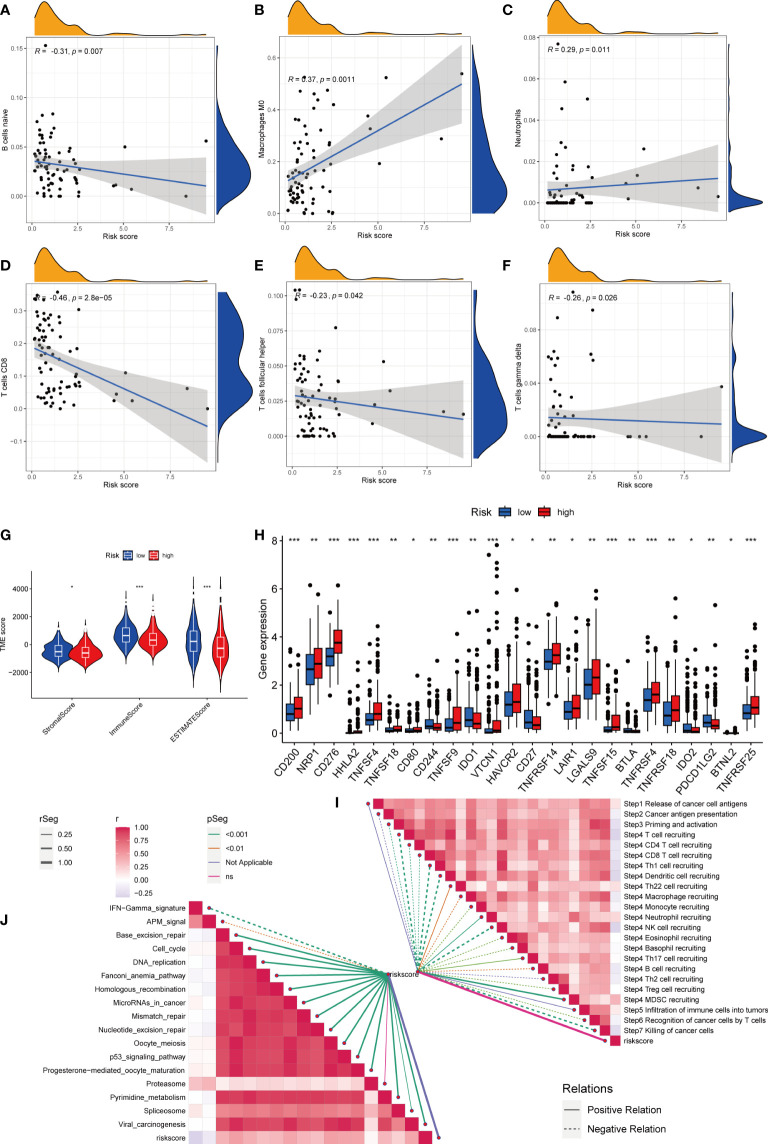
Patients were classified into two subtypes based on differential DRAGs gene expression, with cluster B having a better survival outcome than cluster A. Three gene subtypes were identified based on the differential genes between the two DRAGs molecular subtypes. The patients in cluster B had the best prognosis, whereas those in cluster C had the worst prognosis. The heat map showed better consistency in the patient subtypes obtained using both typing methods. We screened six valuable genes and constructed a prognostic signature. By scoring, we found that patients in the low-risk group had a better prognosis, higher immune scores, and more abundant immune-related pathways compared to the high-risk group, which was consistent with the tumor subtype results.
In conclusion, we developed a prognostic signature of disulfidptosis-related amino acid metabolism genes to assist clinicians in predicting the survival of patients with HCC and provide a reference value for targeted therapy and immunotherapy for HCC.
肝细胞癌(HCC)是全球最常见的癌症类型,也是21世纪的一个主要公共卫生问题。二硫键病是一种新型的与胱氨酸相关的程序性细胞死亡,在各种肿瘤中发挥着复杂的作用。然而,二硫键凋亡与HCC患者预后之间的关系仍不清楚。本研究旨在探讨二硫键凋亡与肝癌预后的关系,并建立基于氨基酸代谢和二硫键凋亡基因的预后模型。
我们从癌症基因组图谱(TCGA)和基因表达综合数据库(GEO)下载了HCC患者的临床病理信息和基因表达数据,并根据二硫键凋亡相关氨基酸代谢基因(DRAGs)的表达模式将其分为不同的分子亚型。然后,利用分子亚型之间的差异基因将患者分为不同的基因亚型,并通过生存分析和临床病理分析评估分期的预测价值。随后,基于Cox回归分析构建风险预后模型,以评估患者的预后、受试者工作特征(ROC)曲线、体细胞突变、微卫星不稳定性、肿瘤微环境以及对抗肿瘤治疗药物的敏感性。
根据DRAGs基因表达差异将患者分为两个亚型,B组的生存结果优于A组。基于两个DRAGs分子亚型之间的差异基因鉴定出三种基因亚型。B组患者预后最好,而C组患者预后最差。热图显示,使用两种分型方法获得的患者亚型具有更好的一致性。我们筛选出六个有价值的基因并构建了一个预后特征。通过评分,我们发现低风险组患者的预后更好,免疫评分更高,免疫相关通路更丰富,这与肿瘤亚型结果一致。
总之,我们开发二硫键凋亡相关氨基酸代谢基因的预后特征,以帮助临床医生预测HCC患者的生存情况,并为HCC的靶向治疗和免疫治疗提供参考价值。