Berg Tal, Doppelt-Flikshtain Ofri, Coyac Benjamin R, Zigdon-Giladi Hadar
Laboratory for Bone Repair, Rambam Healthcare Campus, Haifa, Israel.
The Ruth and Bruce Rappaport Faculty of Medicine, Technion-Israel Institute of Technology, Haifa, Israel.
Front Pharmacol. 2023 Aug 11;14:1172705. doi: 10.3389/fphar.2023.1172705. eCollection 2023.
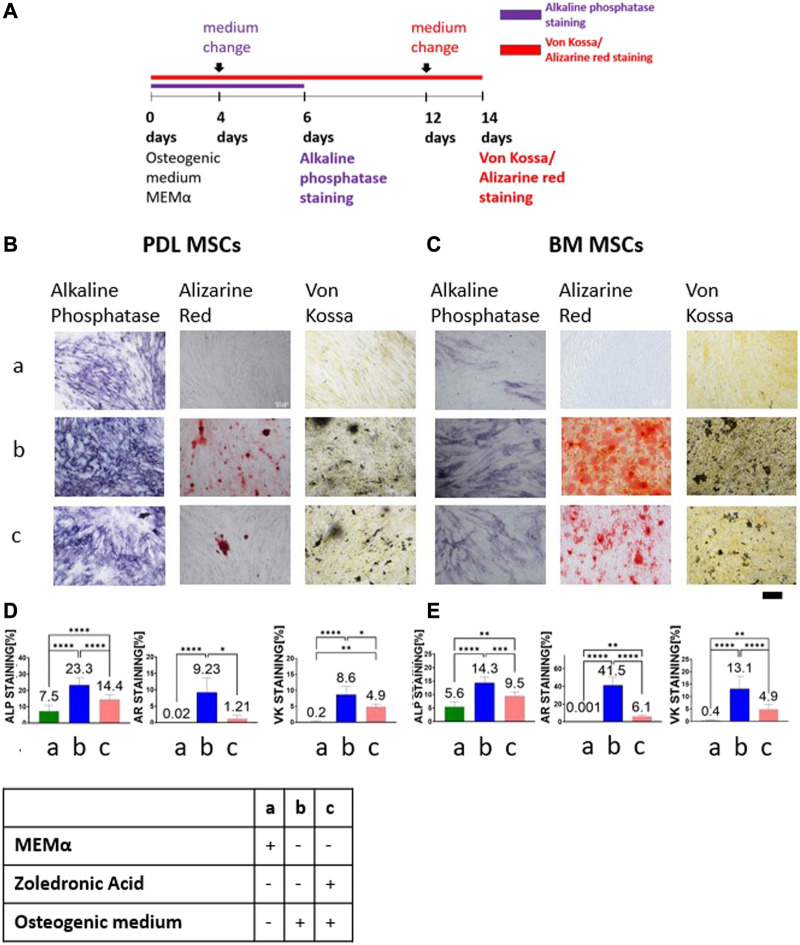
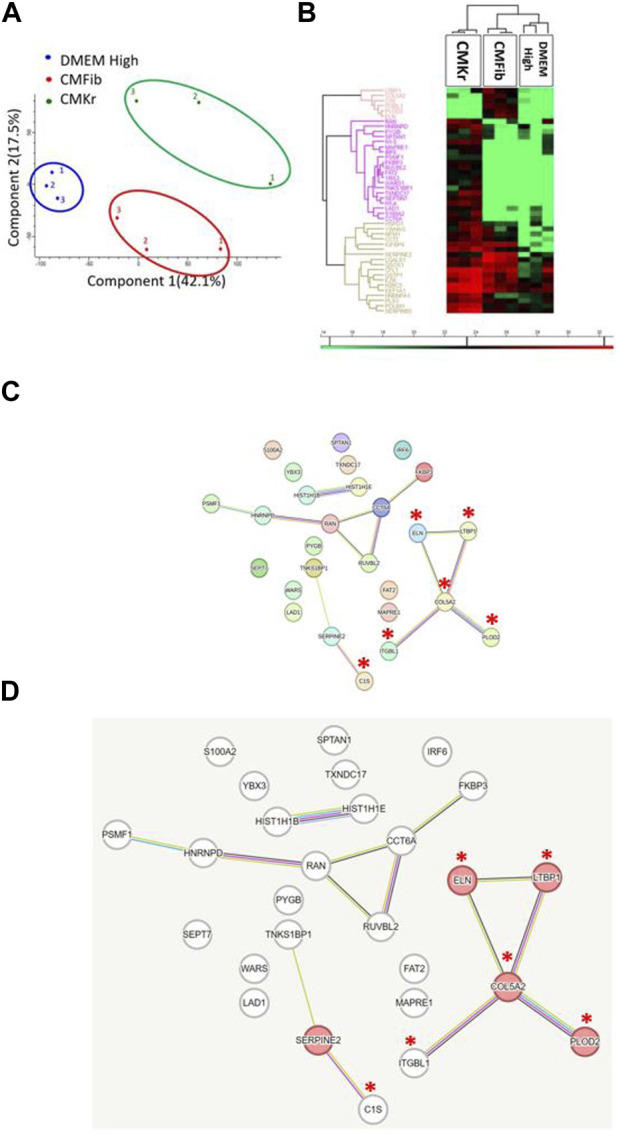
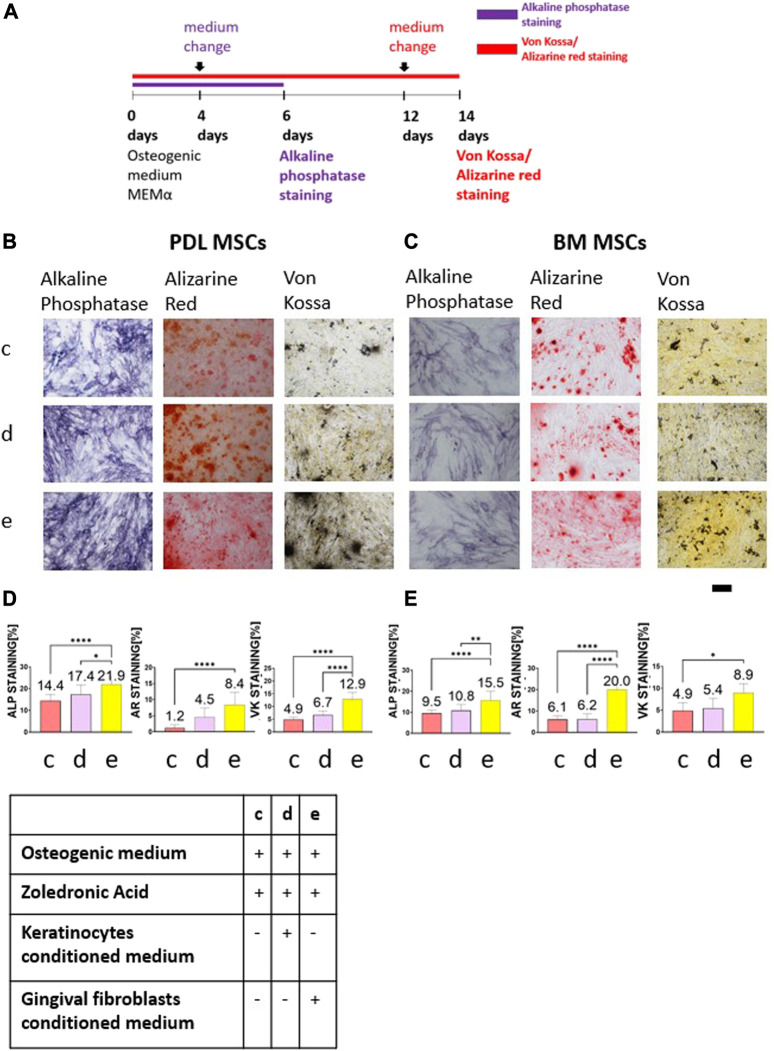
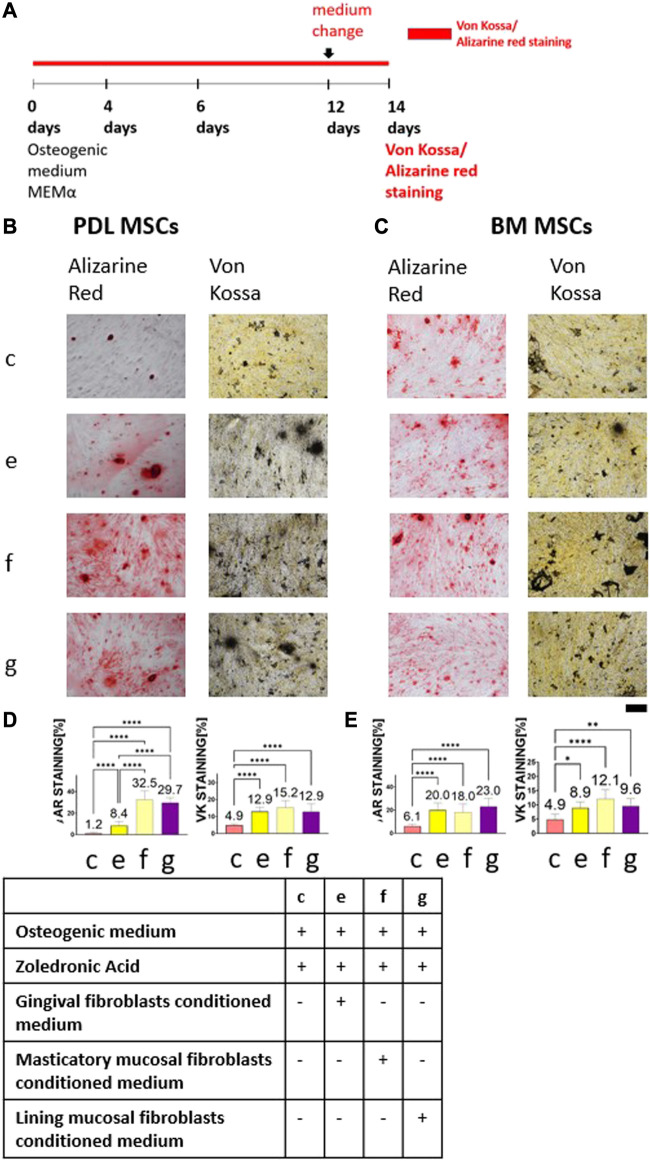
Medication-related osteonecrosis of the jaw is a serious complication that develops in oncologic patients treated with Zoledronic acid. Although used for over 30 years, the influence of Zoledronic acid on bone has been thoroughly investigated, mainly on osteoclasts. While decreasing osteoclast differentiation and function, for many years it was thought that Zoledronic acid increased osteoblast differentiation, thus increasing bone volume. Moreover, despite the influence of soft tissue on the bone healing process, the impact of zoledronic acid on the interaction between soft tissue and bone was not investigated. Our goal was to investigate the influence of Zoledronic Acid and soft tissue cells on osteogenic differentiation of mesenchymal stem cells (MSCs). Osteogenic differentiation of MSCs was examined after exposure to Zoledronic Acid. To determine the influence of soft tissue cells on MSCs' osteogenic differentiation, conditioned media from keratinocytes and oral fibroblasts were added to osteogenic medium supplemented with Zoledronic Acid. Proteomic composition of keratinocytes' and fibroblasts' conditioned media were analyzed. Zoledronic Acid decreased osteogenic differentiation of MSCs by seven-fold. The osteogenic differentiation of MSCs was restored by the supplementation of fibroblasts' conditioned medium to osteogenic medium, despite Zoledronic acid treatment. Five osteogenic proteins involved in the TGFβ pathway were exclusively identified in fibroblasts' conditioned medium, suggesting their role in the rescue effect. Oral fibroblasts secrete proteins that enable osteogenic differentiation of MSCs in the presence of Zoledronic Acid.
药物相关性颌骨坏死是接受唑来膦酸治疗的肿瘤患者发生的一种严重并发症。尽管唑来膦酸已使用30多年,但对其对骨骼的影响已进行了深入研究,主要集中在破骨细胞上。在减少破骨细胞分化和功能的同时,多年来人们一直认为唑来膦酸会增加成骨细胞分化,从而增加骨量。此外,尽管软组织对骨愈合过程有影响,但唑来膦酸对软组织与骨之间相互作用的影响尚未得到研究。我们的目标是研究唑来膦酸和软组织细胞对间充质干细胞(MSC)成骨分化的影响。在暴露于唑来膦酸后检测MSC的成骨分化。为了确定软组织细胞对MSC成骨分化的影响,将角质形成细胞和口腔成纤维细胞的条件培养基添加到补充了唑来膦酸的成骨培养基中。分析了角质形成细胞和成纤维细胞条件培养基的蛋白质组组成。唑来膦酸使MSC的成骨分化降低了7倍。尽管进行了唑来膦酸治疗,但通过向成骨培养基中补充成纤维细胞条件培养基,MSC的成骨分化得以恢复。在成纤维细胞条件培养基中专门鉴定出了5种参与TGFβ途径的成骨蛋白,表明它们在挽救作用中的作用。口腔成纤维细胞分泌的蛋白质可使MSC在唑来膦酸存在的情况下实现成骨分化。