Arcos Rubén, Gertrudix Manuel, Arribas Cristina, Cardarilli Monica
University Rey Juan Carlos, Móstoles, Madrid, 28933, Spain.
European Commission, Joint Research Centre, Ispra, Italy.
Open Res Eur. 2022 Jan 13;2:8. doi: 10.12688/openreseurope.14088.1. eCollection 2022.
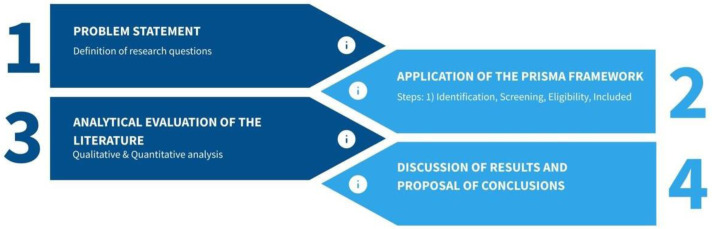
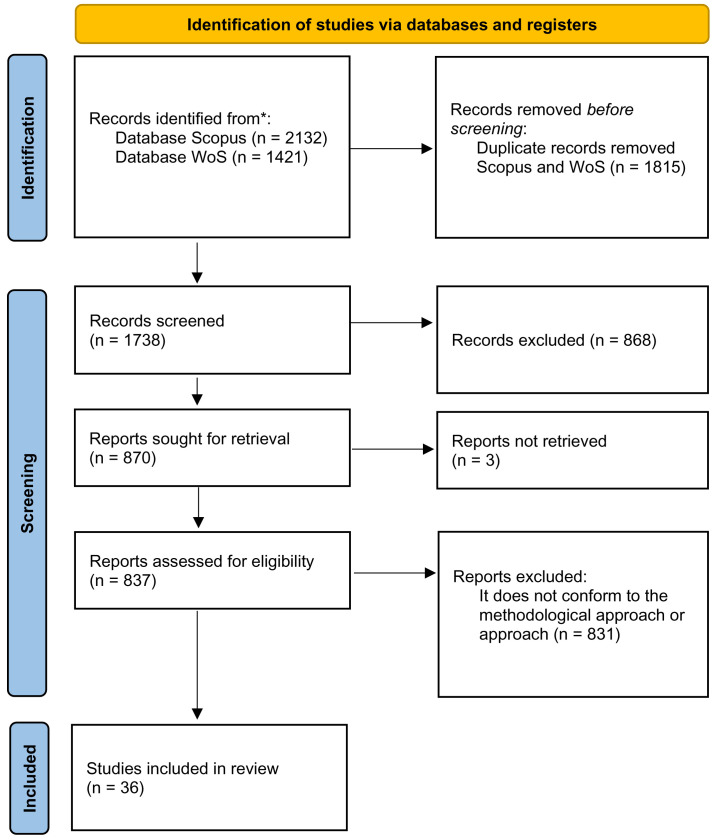
The dissemination of purposely deceitful or misleading content to target audiences for political aims or economic purposes constitutes a threat to democratic societies and institutions, and is being increasingly recognized as a major security threat, particularly after evidence and allegations of hostile foreign interference in several countries surfaced in the last five years. Disinformation can also be part of hybrid threat activities. This research paper examines findings on the effects of disinformation and addresses the question of how effective counterstrategies against digital disinformation are, with the aim of assessing the impact of responses such as the exposure and disproval of disinformation content and conspiracy theories. The paper's objective is to synthetize the main scientific findings on disinformation effects and on the effectiveness of debunking, inoculation, and forewarning strategies against digital disinformation. A mixed methodology is used, combining qualitative interpretive analysis and structured technique for evaluating scientific literature such as a systematic literature review (SLR), following the Preferred Reporting Items for Systematic Reviews and Meta-Analyses (PRISMA) framework.
出于政治目的或经济目的,向目标受众传播蓄意欺骗或误导性内容,对民主社会和机构构成威胁,并且越来越被视为重大安全威胁,尤其是在过去五年中,多个国家出现外国恶意干涉的证据和指控之后。虚假信息也可能是混合威胁活动的一部分。本研究论文审视了有关虚假信息影响的研究结果,并探讨针对数字虚假信息的反制策略效果如何的问题,旨在评估诸如揭露和驳斥虚假信息内容及阴谋论等应对措施的影响。本文的目的是综合有关虚假信息影响以及针对数字虚假信息的辟谣、免疫和预警策略有效性的主要科学发现。采用了混合方法,结合定性解释性分析和用于评估科学文献的结构化技术,如遵循系统评价与荟萃分析报告规范(PRISMA)框架的系统文献综述(SLR)。