AZTI, Food Research, Basque Research and Technology Alliance (BRTA), Derio, Bizkaia, Spain.
LOG, Laboratoire d'Océanologie et de Géosciences, Univ. Littoral Côte d'Opale, CNRS, Univ. Lille, UMR 8187, Wimereux, France.
PLoS One. 2023 Aug 30;18(8):e0290776. doi: 10.1371/journal.pone.0290776. eCollection 2023.
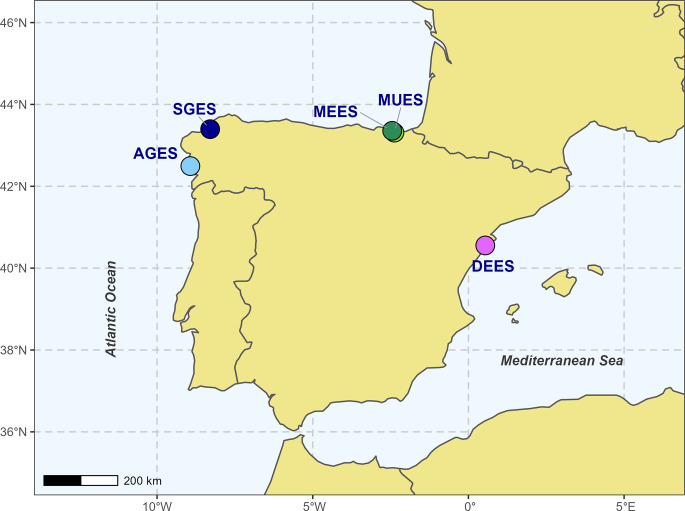
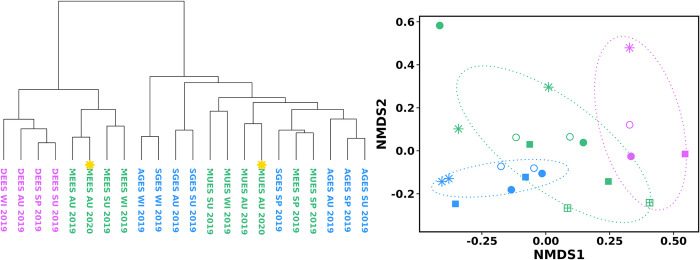
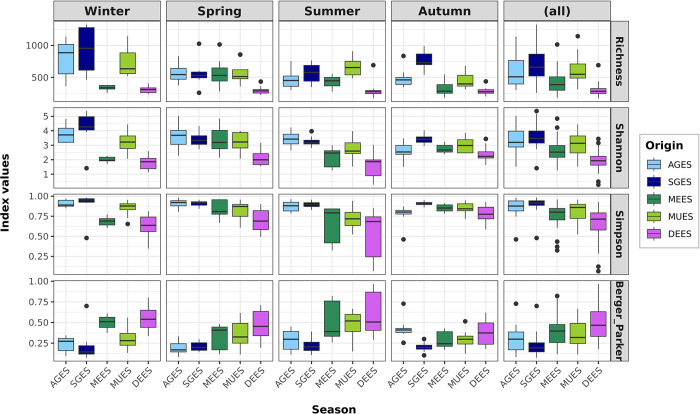
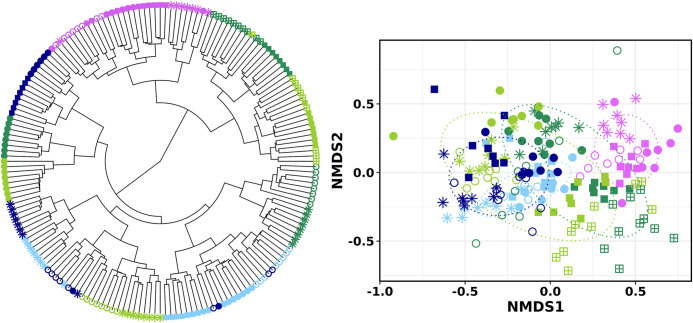
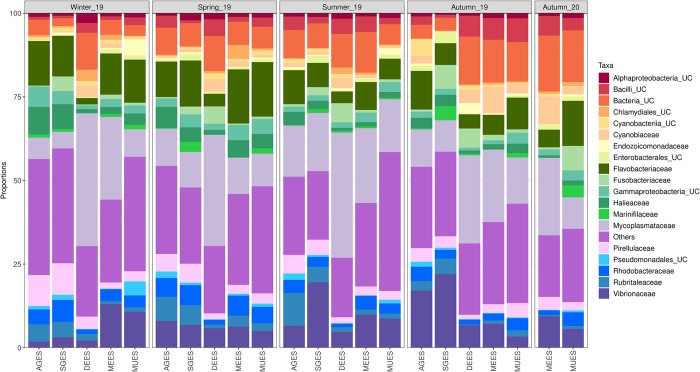
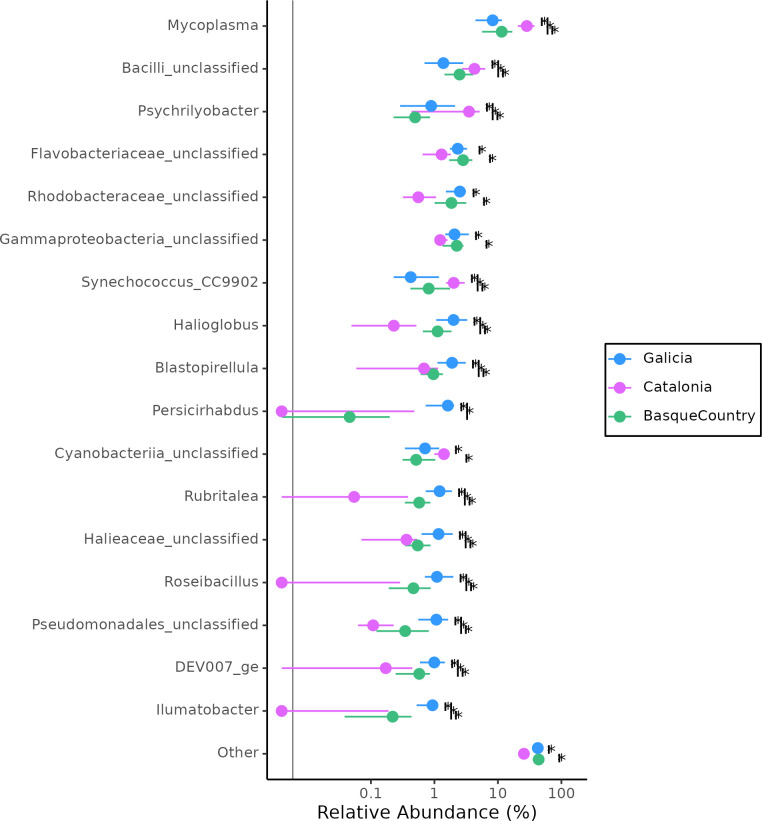
Identifying the provenance of seafood is critical to combat commercial fraud, enforce food safety regulations and ensure consumers' confidence. Hence, the current study aimed to determine if the bacterial composition present in the digestive gland and stomach of M. galloprovincialis mussels could be used as traceability approach to discriminate their geographic origin. The microbiota of 160 mussels collected seasonally in 2019 from five different mussel farms located in three regions in Spain (Galicia, Basque Country and Catalonia) was characterized using 16S rRNA targeted amplicon sequencing. Results showed that the bacterial community composition/fingerprint was significantly different between harvesting locations and seasons, with the effect prompted by the origin exceeding the seasonal variability. To further evaluate the stability and potential of this traceability approach, the bacterial fingerprint of 20 new individuals collected from the Basque Country in autumn 2020 were compared to the profiles obtained in 2019. Results showed that mussels collected from the Basque Country in two consecutive years cluster together, even matching the season of harvesting. The findings of this preliminary study support that this methodological approach has the potential to trace the geographical origin of unprocessed mussels and could have potential uses in seafood traceability and food safety.
确定海鲜的产地对于打击商业欺诈、执行食品安全法规和确保消费者信心至关重要。因此,本研究旨在确定贻贝消化腺和胃中的细菌组成是否可用于追踪其地理来源。本研究使用 16S rRNA 靶向扩增子测序技术,对 2019 年五个不同贻贝养殖场(西班牙加利西亚、巴斯克地区和加泰罗尼亚)季节性采集的 160 只贻贝的微生物群进行了特征分析。结果表明,贻贝的细菌群落组成/指纹图谱在收获地点和季节之间存在显著差异,产地的影响超过了季节性变化。为了进一步评估这种溯源方法的稳定性和潜力,对 2020 年秋季从巴斯克地区采集的 20 个新个体的细菌指纹图谱与 2019 年获得的图谱进行了比较。结果表明,来自巴斯克地区的贻贝在两年内聚集在一起,甚至与收获季节相匹配。这项初步研究的结果表明,这种方法有可能追踪未加工贻贝的地理来源,并可能在海产品溯源和食品安全方面具有潜在用途。