Mazzio E, Barnes A, Badisa R, Fierros-Romero G, Williams H, Council S, Soliman K F A
Florida Agricultural and Mechanical University, College of Pharmacy and Pharmaceutical Sciences, Tallahassee, FL 32307, United States.
Florida Agricultural and Mechanical University, School of Environment, Tallahassee, FL 32307, United States.
J Funct Foods. 2023 Aug;107. doi: 10.1016/j.jff.2023.105687. Epub 2023 Jul 29.
Humans have been consuming medicinal plants (as herbs/ spices) to combat illness for centuries while ascribing beneficial effects predominantly to the plant/phytochemical constituents, without recognizing the power of obligatory resident microorganism' communities (MOCs) (live/dead bacteria, fungus, yeast, molds etc.) which remain after industrial microbial reduction methods. Very little is known about the taxonomic identity of residual antigenic microbial associated molecular patterns (MAMPs) debris in our botanical over the counter (OTC) products, which if present would be recognized as foreign (non-self) antigenic matter by host pattern recognition receptors (PRRs) provoking a host immune response; this the basis of vaccine adjuvants. As of today, only few research groups have removed the herbal MAMP biomass from herbs, all suggesting that immune activation may not be from the plant but rather its microbial biomass; a hypothesis we corroborate.
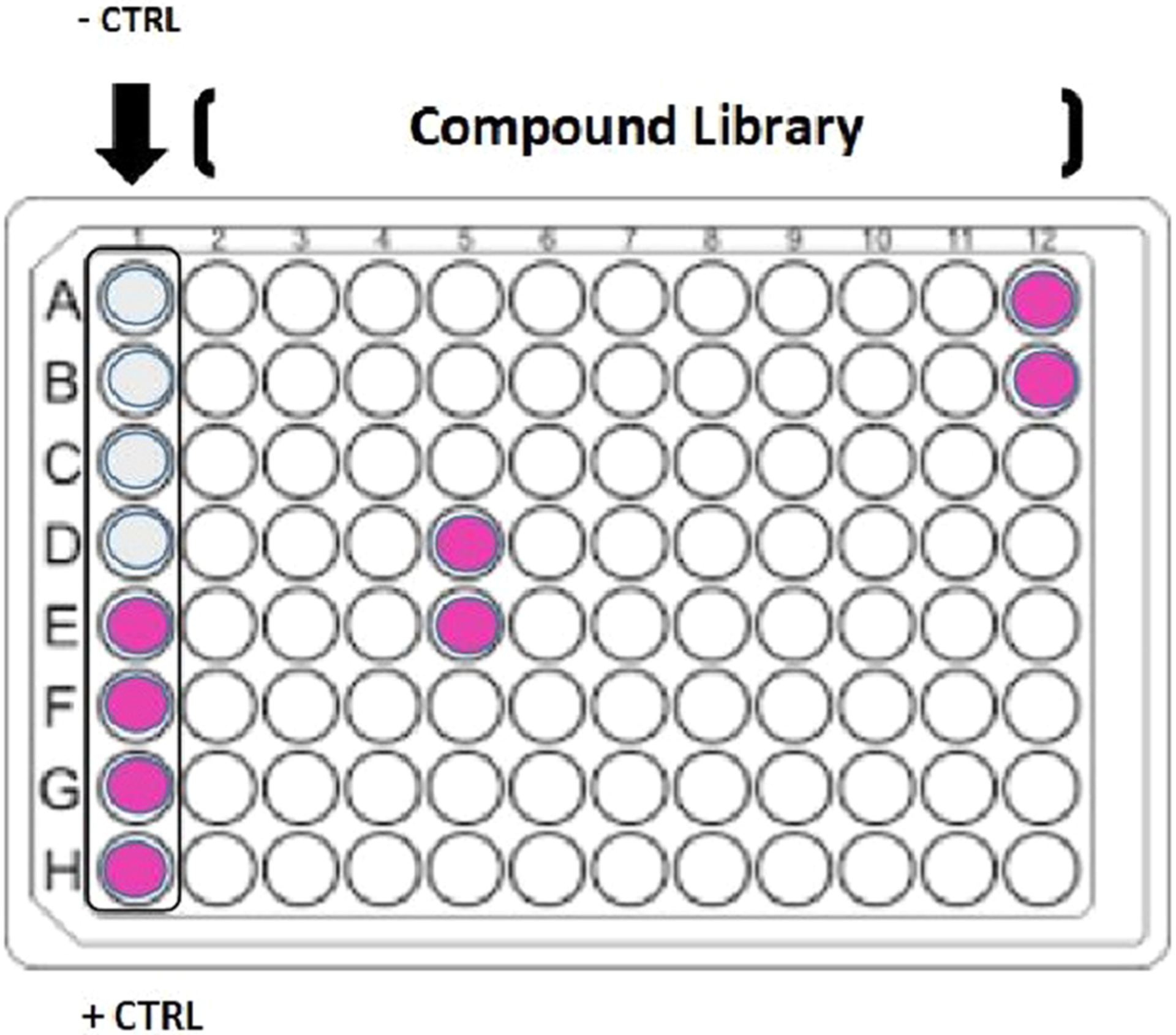
The purpose of this work was to conduct a high through put screening (HTPS) of over 2500 natural plants, OTC botanical supplements and phytochemicals to elucidate those with pro-inflammatory; toll like receptor 4 (TLR4) activating properties in macrophages.
The HTPS was conducted on RAW 264.7 cells vs. lipopolysaccharide (LPS) 0111:B4, testing NOS / nitric oxide production as a perimeter endpoint. The data show not a single drug/chemical/ phytochemical and approximately 98 % of botanicals to be immune idle (not effective) with only 65 pro-inflammatory (hits) in a potency range of LPS. Method validation studies eliminated the possibility of false artifact or contamination, and results were cross verified through multiple vendors/ manufacturers/lot numbers by botanical species. Lead botanicals were evaluated for plant concentration of LPS, 1,3:1,6-β-glucan, 1,3:1,4-β-D-glucan and α-glucans; where the former paralleled strength . LPS was then removed from plants using high-capacity endotoxin poly lysine columns, where bioactivity of LPS null "plant" extracts were lost. The stability of 0111:B4 in an acid stomach mimetic model was confirmed. Last, we conducted a reverse culture on aerobic plate counts (APCs) from select hits, with subsequent isolation of gram-negative bacteria (MacConkey agar). Cultures were 1) heat destroyed (retested/ confirming bioactivity) and 2) subject to taxonomical identification by genetic sequencing 18S, ITS1, 5.8 s, ITS2 28S, and 16S.
The data show significant gram negative MAMP biomass dominance in A) (e.g. echinacea, yucca, burdock, stinging nettle, sarsaparilla, hydrangea, poke, madder, calamus, rhaponticum, pleurisy, aconite etc.) and B) (e.g. bladderwrack, chlorella, spirulina, kelp, and "OTC Seamoss-blends" (irish moss, bladderwrack, burdock root etc), as well as other random herbs (eg. corn silk, cleavers, watercress, cardamom seed, tribulus, duckweed, puffball, hordeum and pollen). The results show a dominance of gram negative microbes (e.g. , ), fungus (), with black walnut hull, echinacea and burdock root also containing gram positive microbial strains ( and various strains of ).
This work brings attention to the existence of a functional immune bioactive herbal microbiome, independent from the plant. There is need to further this avenue of research, which should be carried out with consideration as to both positive or negative consequences arising from daily consumption of botanicals highly laden with bioactive MAMPS.
几个世纪以来,人类一直在食用药用植物(作为草药/香料)来对抗疾病,主要将有益效果归因于植物/植物化学成分,却未认识到在经过工业微生物减少方法后残留的 obligatory 常驻微生物群落(MOCs)(活的/死的细菌、真菌、酵母、霉菌等)的力量。对于我们非处方(OTC)植物产品中残留的抗原性微生物相关分子模式(MAMPs)碎片的分类身份知之甚少,如果存在这些碎片,它们将被宿主模式识别受体(PRRs)识别为外来(非自身)抗原物质,从而引发宿主免疫反应;这就是疫苗佐剂的基础。截至目前,只有少数研究小组从草药中去除了草药 MAMP 生物量,所有研究都表明免疫激活可能并非来自植物,而是其微生物生物量;这一假设我们予以证实。
这项工作的目的是对 2500 多种天然植物、非处方植物补充剂和植物化学物质进行高通量筛选(HTPS),以阐明那些在巨噬细胞中具有促炎作用、能激活 toll 样受体 4(TLR4)的物质。
在 RAW 264.7 细胞与脂多糖(LPS)0111:B4 之间进行 HTPS,测试一氧化氮合酶/一氧化氮(NOS/ nitric oxide)的产生作为周边终点。数据显示,没有一种药物/化学物质/植物化学物质以及大约 98%的植物在免疫方面是无活性的(无效),在 LPS 的效力范围内只有 65 种具有促炎作用(命中物)。方法验证研究排除了假假象或污染的可能性,并且通过多种供应商/制造商/批号的植物种类对结果进行了交叉验证。对主要植物进行了 LPS、1,3:1,6-β-葡聚糖、1,3:1,4-β-D-葡聚糖和α-葡聚糖的植物浓度评估;其中前者与强度平行。然后使用高容量内毒素聚赖氨酸柱从植物中去除 LPS,去除 LPS 的“植物”提取物的生物活性丧失。证实了 0111:B4 在胃酸模拟模型中的稳定性。最后,我们对选定命中物的需氧平板计数(APC)进行了反向培养,随后分离出革兰氏阴性菌(麦康凯琼脂)。培养物 1)经热灭活(重新测试/确认生物活性),2)通过 18S、ITS1、5.8 s、ITS2、28S 和 16S 基因测序进行分类鉴定。
数据显示革兰氏阴性 MAMP 生物量在 A)(例如紫锥菊、丝兰、牛蒡、荨麻、菝葜、绣球花、商陆、茜草、菖蒲、漏芦、胸膜炎、乌头等)和 B)(例如墨角藻、小球藻、螺旋藻、海带以及“非处方海苔混合物”(爱尔兰苔藓、墨角藻、牛蒡根等)以及其他随机草药(如玉米须、猪殃殃、西洋菜、豆蔻籽、刺蒺藜、浮萍、马勃、大麦和花粉)中占主导地位。结果显示革兰氏阴性微生物(例如,)、真菌()占主导,黑胡桃壳、紫锥菊和牛蒡根还含有革兰氏阳性微生物菌株(和各种菌株的)。
这项工作提请人们注意独立于植物之外的功能性免疫生物活性草药微生物群的存在。有必要进一步开展这一研究途径,并且在进行研究时应考虑到日常食用富含生物活性 MAMPs 的植物所产生的正面或负面后果。