Matuleviciute Rugile, Akinluyi Elizabeth T, Muntslag Tim A O, Dewing Jennifer M, Long Katherine R, Vernon Anthony C, Tremblay Marie-Eve, Menassa David A
MRC Centre for Neurodevelopmental Disorders, King's College London, London, UK.
Department of Basic and Clinical Neuroscience, Institute of Psychiatry, Psychology and Neuroscience, King's College London, London, UK.
Acta Neuropathol. 2023 Nov;146(5):663-683. doi: 10.1007/s00401-023-02629-2. Epub 2023 Sep 1.
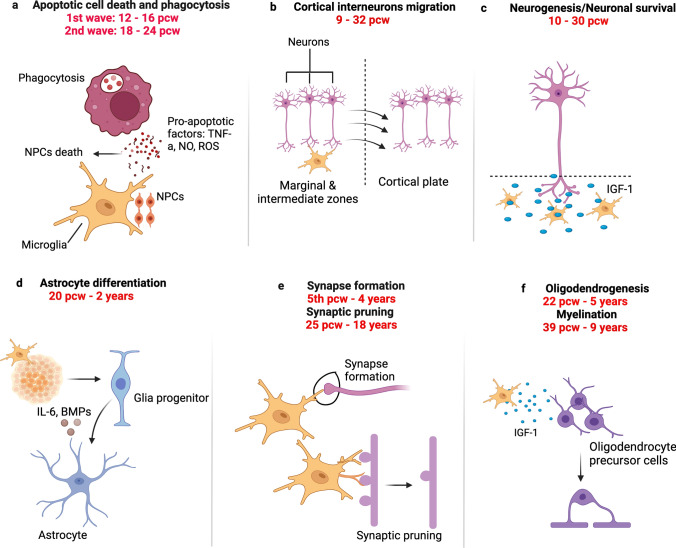
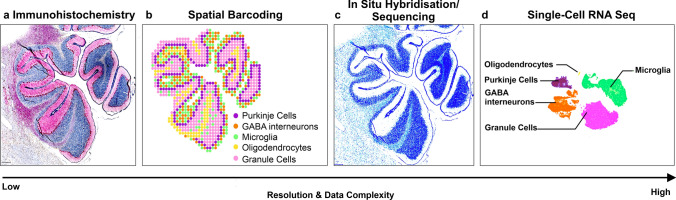
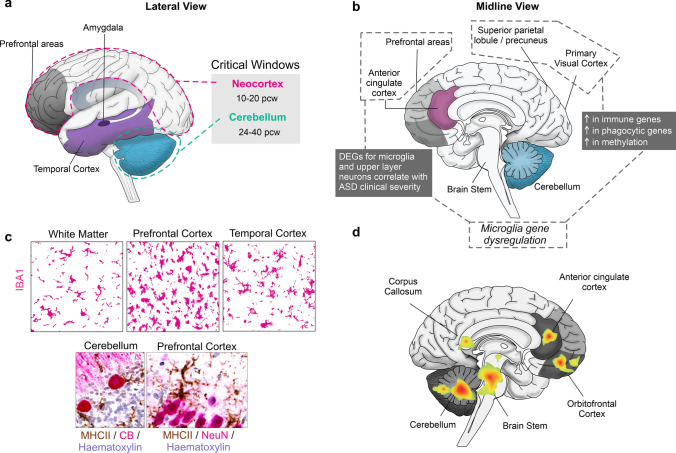
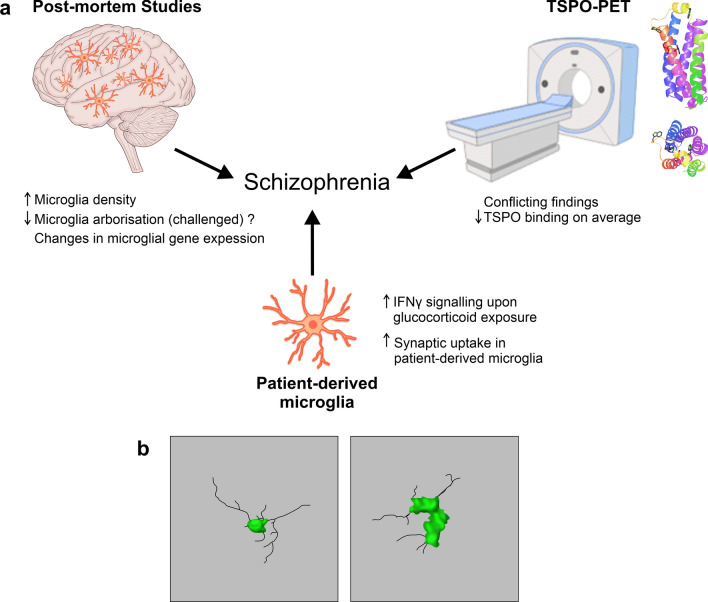
Microglia are the brain's resident macrophages, which guide various developmental processes crucial for brain maturation, activity, and plasticity. Microglial progenitors enter the telencephalic wall by the 4th postconceptional week and colonise the fetal brain in a manner that spatiotemporally tracks key neurodevelopmental processes in humans. However, much of what we know about how microglia shape neurodevelopment comes from rodent studies. Multiple differences exist between human and rodent microglia warranting further focus on the human condition, particularly as microglia are emerging as critically involved in the pathological signature of various cognitive and neurodevelopmental disorders. In this article, we review the evidence supporting microglial involvement in basic neurodevelopmental processes by focusing on the human species. We next concur on the neuropathological evidence demonstrating whether and how microglia contribute to the aetiology of two neurodevelopmental disorders: autism spectrum conditions and schizophrenia. Next, we highlight how recent technologies have revolutionised our understanding of microglial biology with a focus on how these tools can help us elucidate at unprecedented resolution the links between microglia and neurodevelopmental disorders. We conclude by reviewing which current treatment approaches have shown most promise towards targeting microglia in neurodevelopmental disorders and suggest novel avenues for future consideration.
小胶质细胞是大脑中的常驻巨噬细胞,它们引导着对大脑成熟、活动和可塑性至关重要的各种发育过程。小胶质前体细胞在受孕后第4周进入端脑壁,并以一种在时空上追踪人类关键神经发育过程的方式在胎儿大脑中定植。然而,我们对小胶质细胞如何塑造神经发育的了解大多来自啮齿动物研究。人类和啮齿动物的小胶质细胞之间存在多种差异,这使得我们有必要进一步关注人类情况,特别是因为小胶质细胞正日益被认为与各种认知和神经发育障碍的病理特征密切相关。在本文中,我们通过关注人类来综述支持小胶质细胞参与基本神经发育过程的证据。接下来,我们认同神经病理学证据,这些证据表明小胶质细胞是否以及如何促成两种神经发育障碍的病因:自闭症谱系障碍和精神分裂症。接下来,我们强调最近的技术如何彻底改变了我们对小胶质细胞生物学的理解,重点是这些工具如何帮助我们以前所未有的分辨率阐明小胶质细胞与神经发育障碍之间的联系。我们通过综述目前哪些治疗方法在针对神经发育障碍中的小胶质细胞方面最有前景来得出结论,并提出未来可供考虑的新途径。