Institutes of Biomedical Sciences, Shanxi University, 030006, Taiyuan, China.
Shanxi Province Cancer Hospital, Shanxi Hospital Affiliated to Cancer Hospital of Chinese Academy of Medical Sciences, Cancer Hospital Affiliated to Shanxi Medical University, Taiyuan, China.
Cell Death Dis. 2023 Sep 1;14(9):582. doi: 10.1038/s41419-023-06108-0.
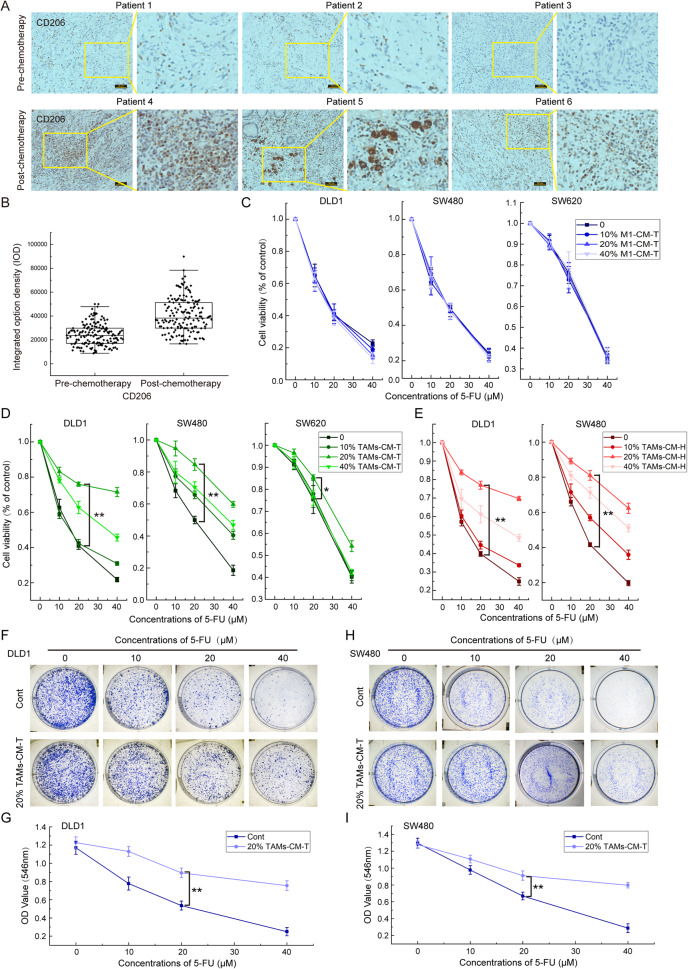
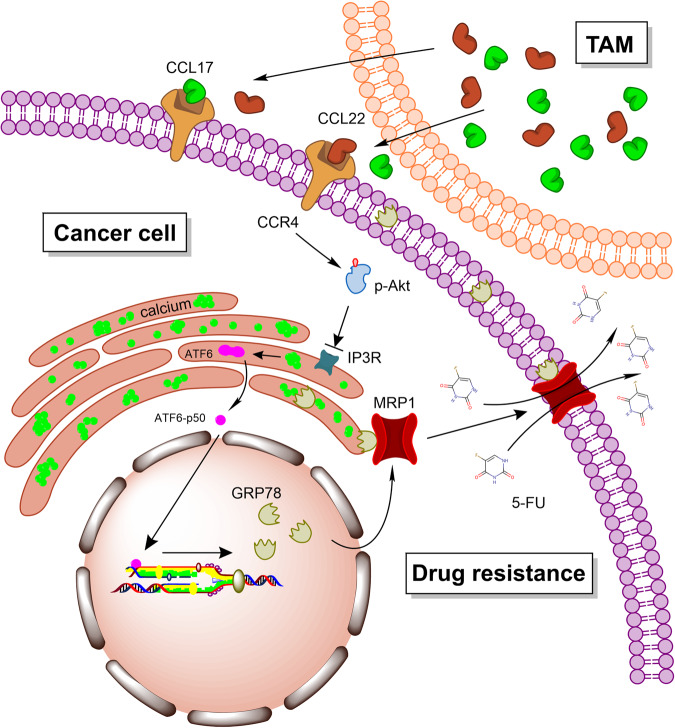
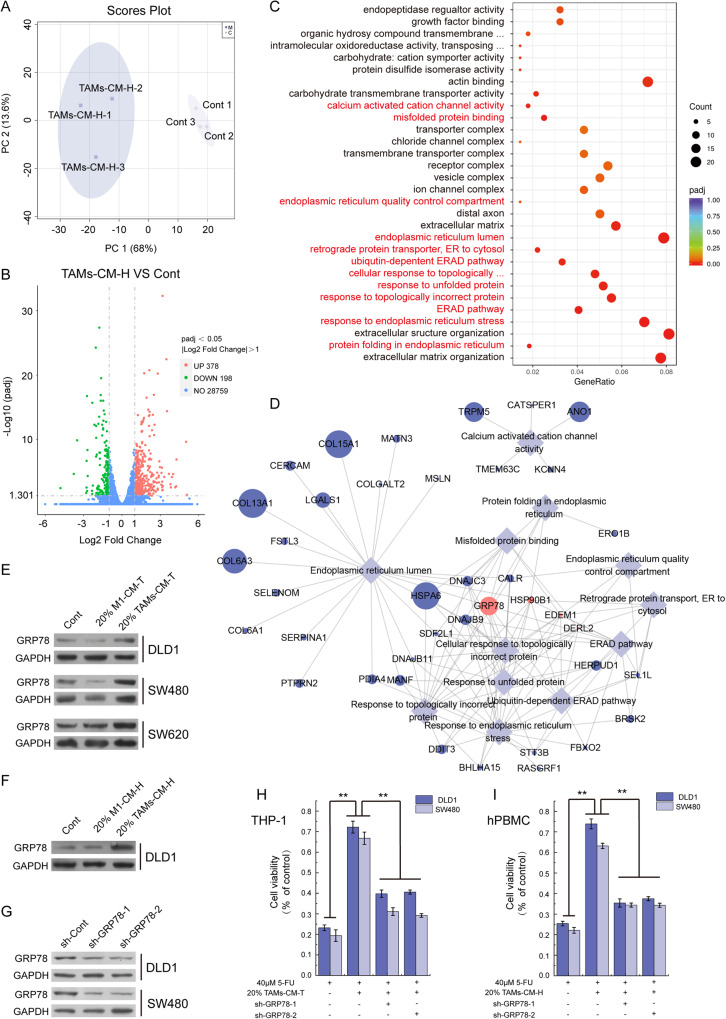
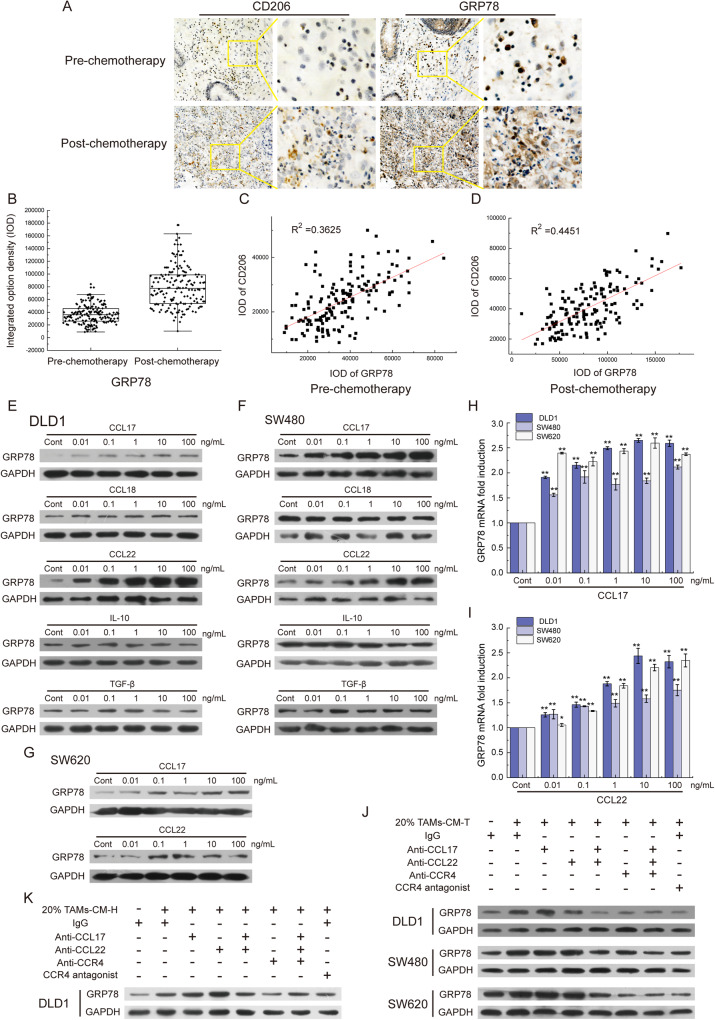
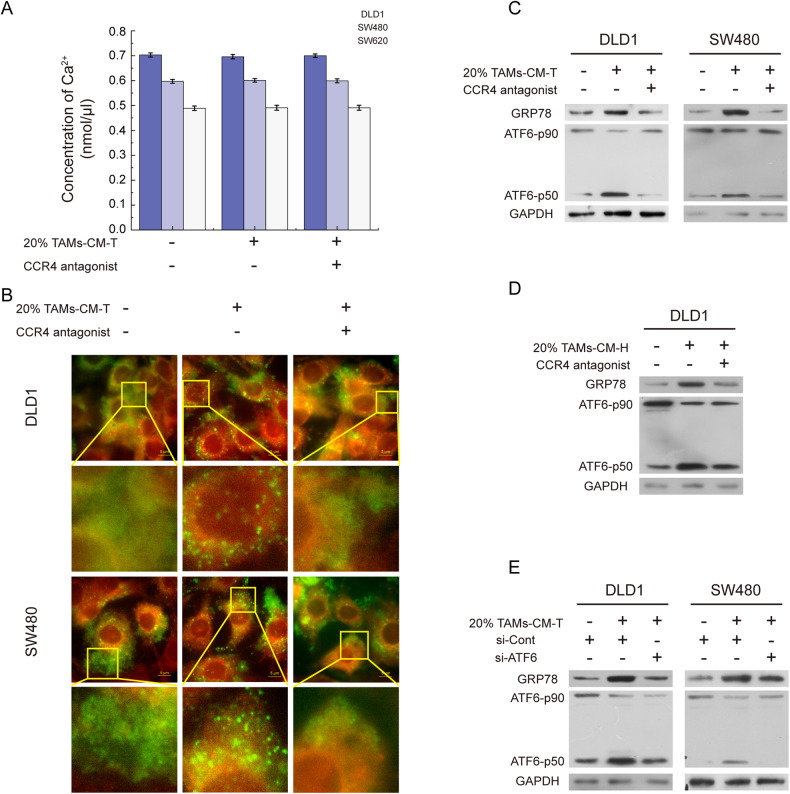
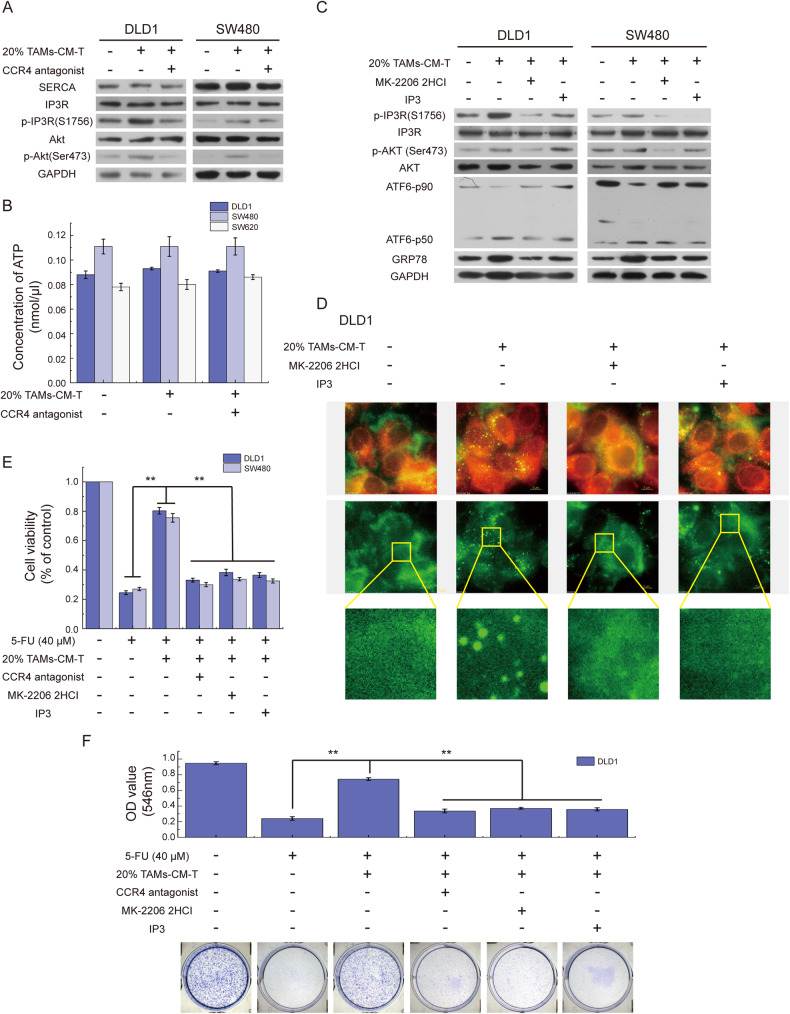
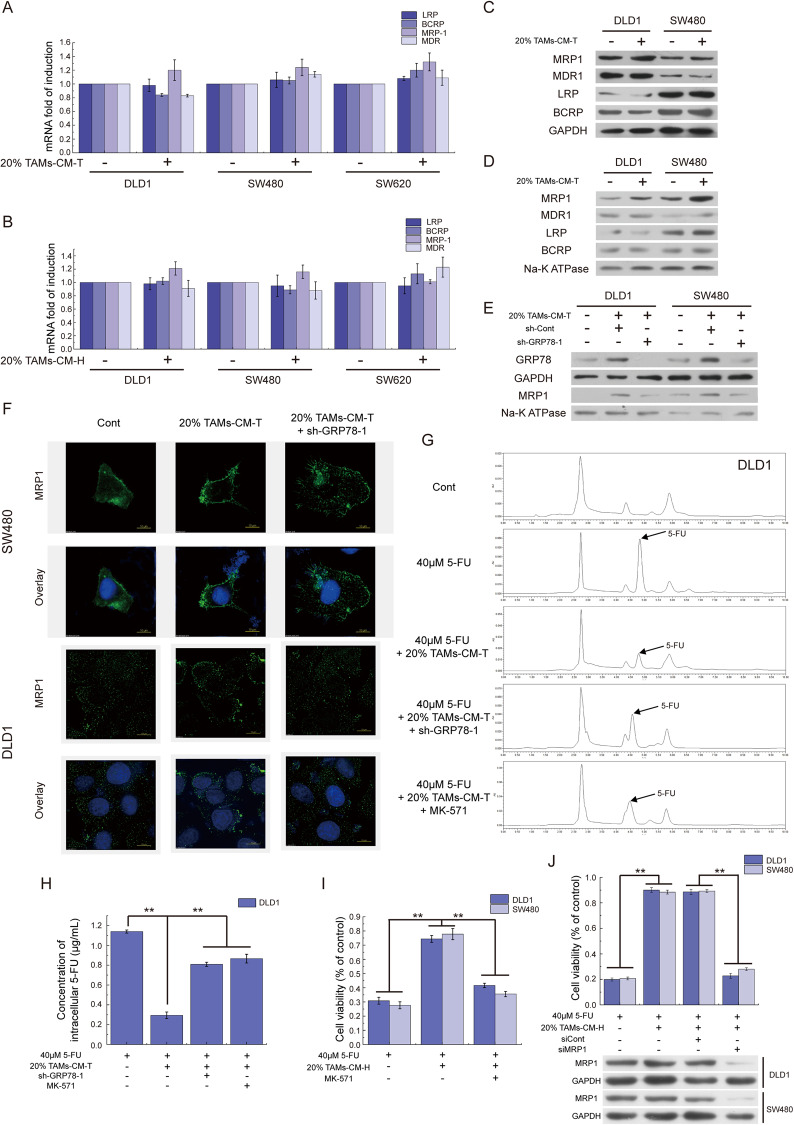
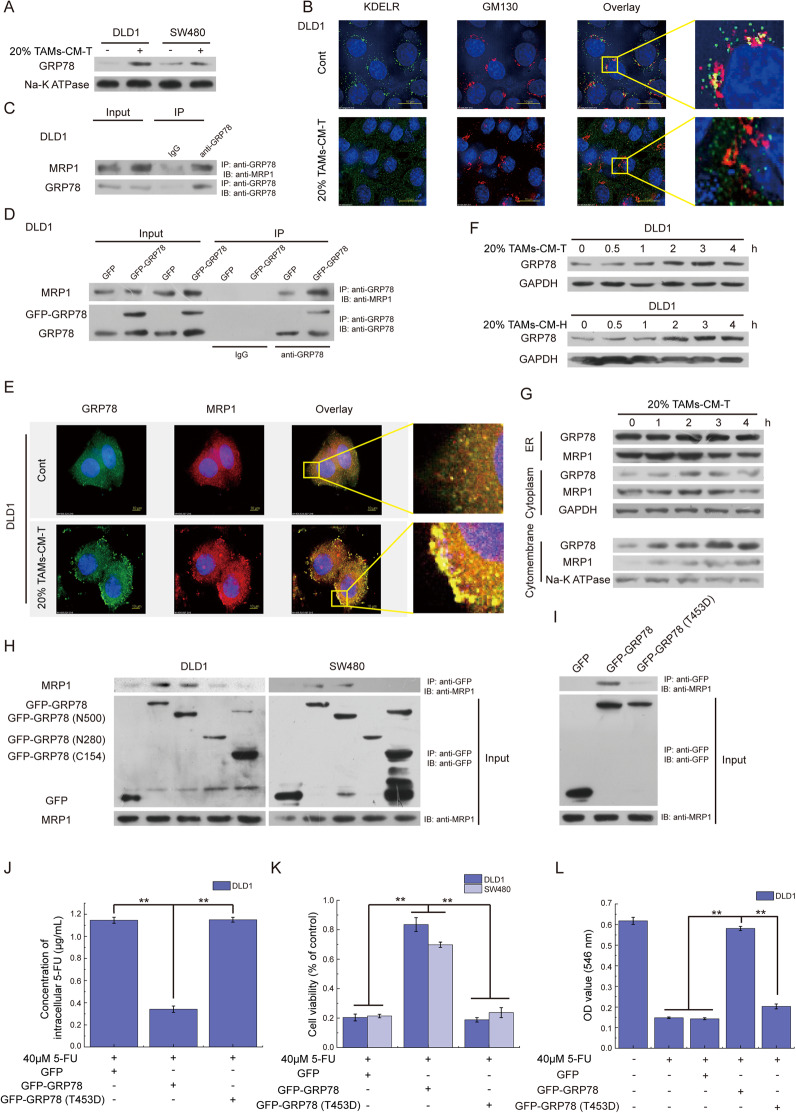
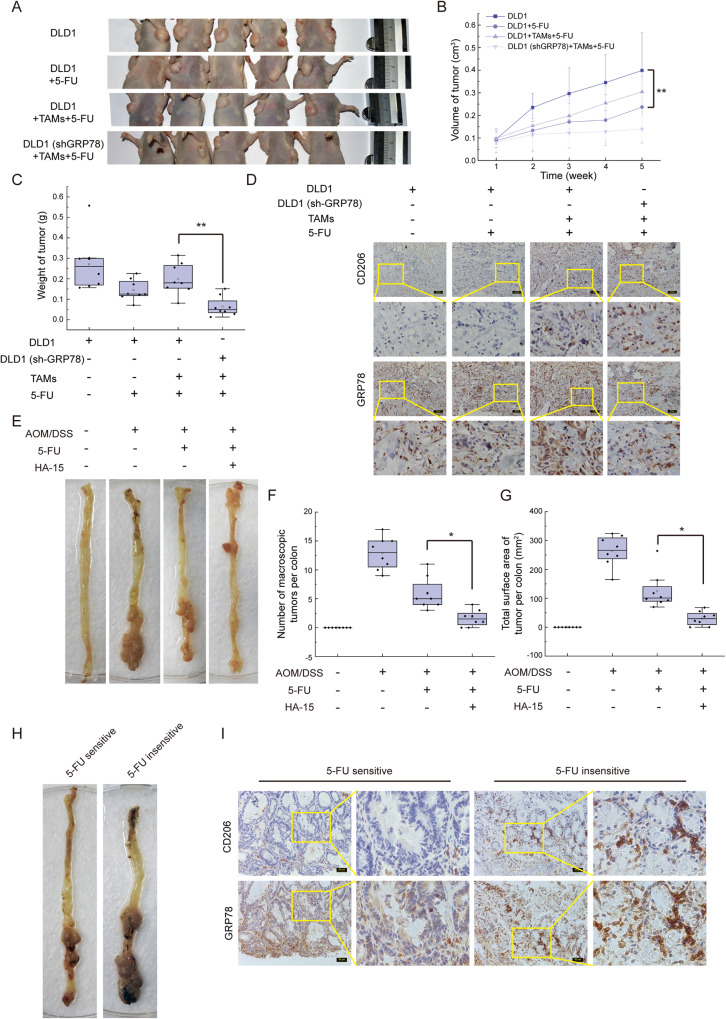
Chemotherapy represents a major type of clinical treatment against colorectal cancer (CRC). Aberrant drug efflux mediated by transporters acts as a key approach for tumor cells to acquire chemotherapy resistance. Increasing evidence implies that tumor-associated macrophages (TAMs) play a pivotal role in both tumorigenesis and drug resistance. Nevertheless, the specific mechanism through which TAMs regulate drug efflux remains elusive. Here, we discovered that TAMs endow CRC cells with resistance to 5-fluorouracil (5-FU) treatment via a cell-cell interaction-mediated MRP1-dependent drug efflux process. Mechanistically, TAM-secreted C-C motif chemokine ligand 17 (CCL17) and CCL22, via membrane receptor CCR4, activated the PI3K/AKT pathway in CRC tumor cells. Specifically, phosphorylation of AKT inactivated IP3R and induced calcium aggregation in the ER, resulting in the activation of ATF6 and upregulation of GRP78. Accordingly, excessive GRP78 can interact with MRP1 and promote its translocation to the cell membrane, causing TAM-induced 5-FU efflux. Taken together, our results demonstrated that TAMs promote CRC chemotherapy resistance via elevating the expression of GRP78 to promote the membrane translocation of MRP1 and drug efflux, providing direct proof for TAM-induced drug resistance.
化疗是治疗结直肠癌(CRC)的主要临床治疗方法之一。转运蛋白介导的异常药物外排是肿瘤细胞获得化疗耐药性的关键途径。越来越多的证据表明,肿瘤相关巨噬细胞(TAMs)在肿瘤发生和耐药中起着关键作用。然而,TAMs 调节药物外排的具体机制仍不清楚。在这里,我们发现 TAMs 通过细胞-细胞相互作用介导的依赖 MRP1 的药物外排过程,赋予 CRC 细胞对 5-氟尿嘧啶(5-FU)治疗的耐药性。在机制上,TAM 分泌的 C-C 基序趋化因子配体 17(CCL17)和 CCL22 通过膜受体 CCR4,激活 CRC 肿瘤细胞中的 PI3K/AKT 通路。具体而言,AKT 的磷酸化使 IP3R 失活,并在 ER 中诱导钙聚集,导致 ATF6 激活和 GRP78 的上调。相应地,过多的 GRP78 可以与 MRP1 相互作用并促进其向细胞膜易位,导致 TAM 诱导的 5-FU 外排。总之,我们的研究结果表明,TAMs 通过上调 GRP78 的表达促进 MRP1 的膜易位和药物外排,从而促进 CRC 化疗耐药性,为 TAM 诱导的耐药性提供了直接证据。