Department of Health Education and Promotion, Faculty of Health, Tehran University of Medical Sciences, Tehran, Iran.
Department of Health Education and Promotion, School of Health, Tehran University of Medical Sciences, Tehran, Iran.
BMC Psychiatry. 2023 Sep 4;23(1):647. doi: 10.1186/s12888-023-05143-7.
This study aims to provide a systematic review and meta-analysis of the literature on The Effect of Web-Based Educational Interventions on Mental Health Literacy, Stigma and Help-seeking intentions/attitudes in young people.
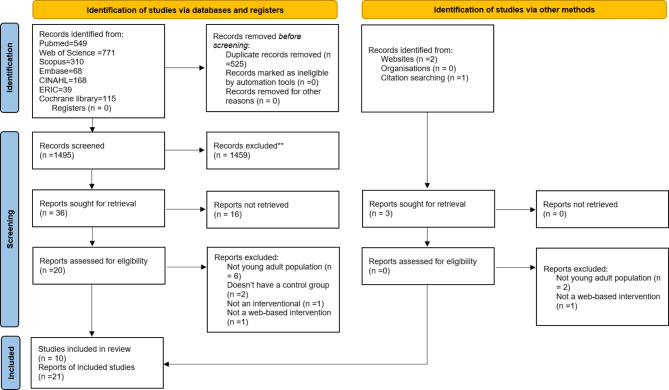
Articles in English published between April 1975 and February 2023 were retrieved from seven databases, leading to a total of 2023 articles identified.
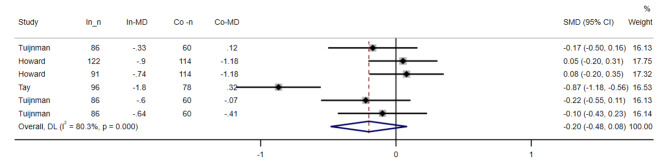
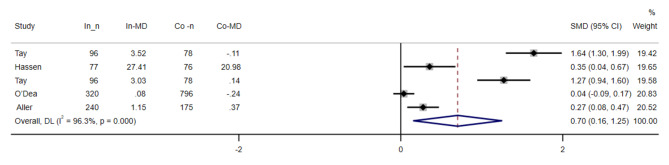
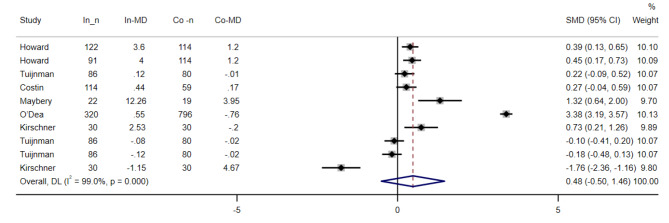
20 studies were included after applying exclusion criteria, 10 of which were eligible for meta-analysis. Results showed that web-based educational interventions had a significant positive effect on mental health literacy knowledge (SMD = 0.70, 95% CI = [0.16, 1.25]), but not on stigma (SMD = -0.20, 95% CI = [-0.48, 0.08]) or help-seeking intentions/attitudes (SMD = 0.48, 95% CI = [-0.50, 1.46]).
This study reviewed and analyzed the effect of web-based educational interventions on mental health literacy, stigma, and help-seeking intentions/attitudes among young people. The results showed that web-based educational interventions improved mental health literacy knowledge, but not stigma or help-seeking outcomes. The study suggested several recommendations to enhance the effectiveness of web-based educational interventions on stigma and help-seeking outcomes, such as using more rigorous designs and methods, more comprehensive and multifaceted interventions, more tailored and targeted interventions, and more collaborative and participatory approaches. The study concluded that web-based educational interventions may have a greater impact on reducing stigma and promoting help-seeking among young people, which may ultimately lead to better mental health outcomes and well-being for this population.
本研究旨在对网络教育干预对年轻人心理健康素养、污名和寻求帮助意愿/态度的影响进行系统评价和荟萃分析。
从七个数据库中检索 1975 年 4 月至 2023 年 2 月期间发表的英文文章,共确定了 2023 篇文章。
应用排除标准后,纳入 20 项研究,其中 10 项符合荟萃分析条件。结果表明,网络教育干预对心理健康素养知识有显著的积极影响(SMD=0.70,95%CI=[0.16, 1.25]),但对污名(SMD=-0.20,95%CI=[-0.48, 0.08])或寻求帮助的意愿/态度(SMD=0.48,95%CI=[-0.50, 1.46])没有影响。
本研究回顾和分析了网络教育干预对年轻人心理健康素养、污名和寻求帮助意愿/态度的影响。结果表明,网络教育干预提高了心理健康素养知识,但没有改善污名或寻求帮助的结果。研究提出了一些建议,以提高网络教育干预对污名和寻求帮助结果的有效性,例如使用更严格的设计和方法、更全面和多方面的干预、更有针对性和目标性的干预,以及更协作和参与式的方法。研究得出结论,网络教育干预可能对减少年轻人的污名和促进寻求帮助产生更大的影响,这可能最终导致这一人群更好的心理健康结果和幸福感。