Department of Spine Surgery and Orthopaedics, Xiangya Hospital, Central South University, Changsha, Hunan, 410008, China.
Key Laboratory of Organ Injury, Aging and Regenerative Medicine of Hunan Province, Changsha, 410008, China.
Mol Med. 2023 Sep 5;29(1):120. doi: 10.1186/s10020-023-00709-3.
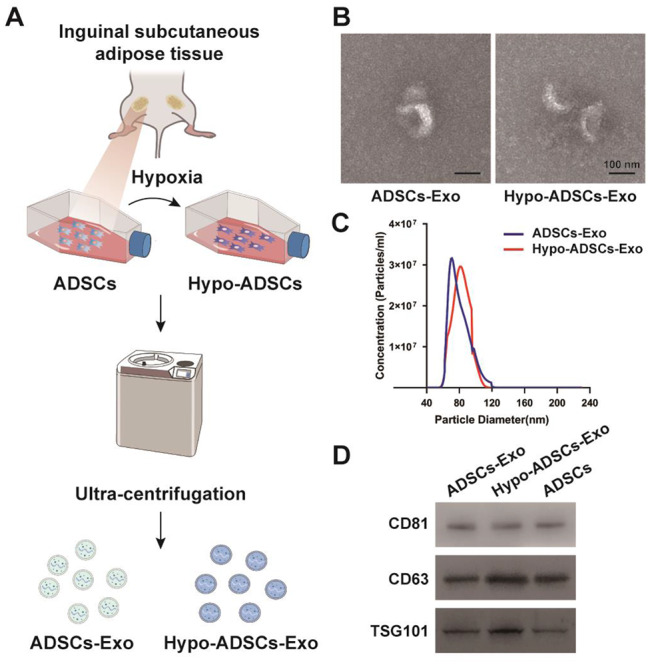
Lumbar facet joint osteoarthritis (LFJ OA) is a common disease, and there is still a lack of effective disease-modifying therapies. Our aim was to determine the therapeutic effect of hypoxia-treated adipose mesenchymal stem cell (ADSC)-derived exosomes (Hypo-ADSC-Exos) on the protective effect against LFJ OA.
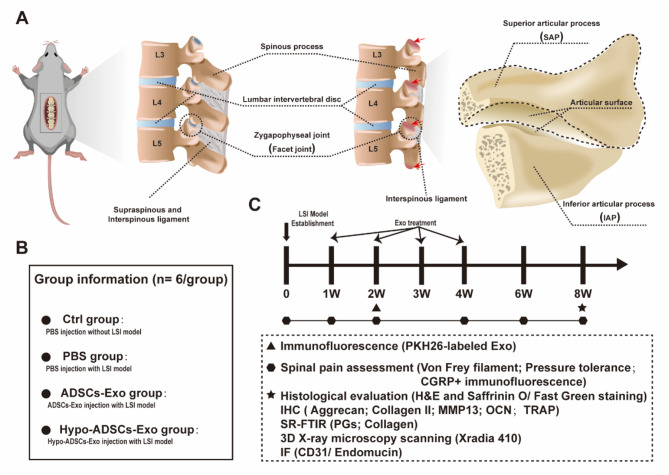
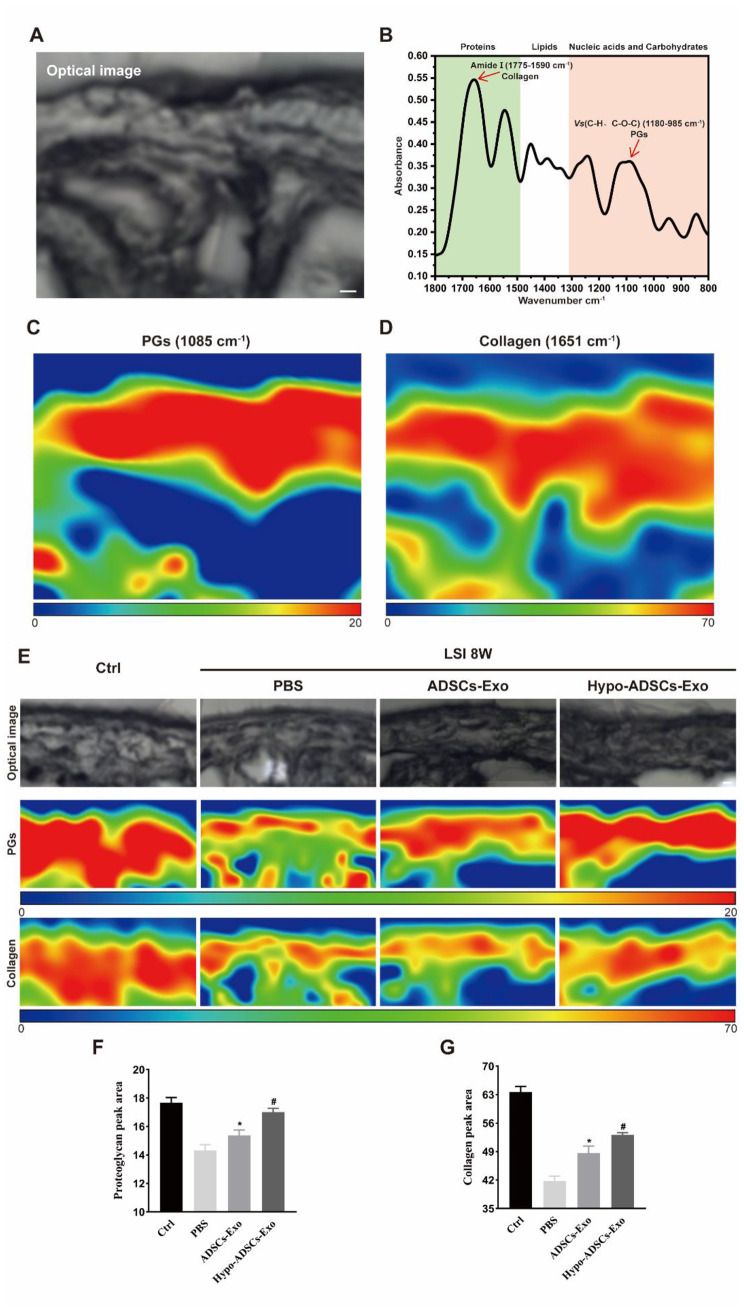
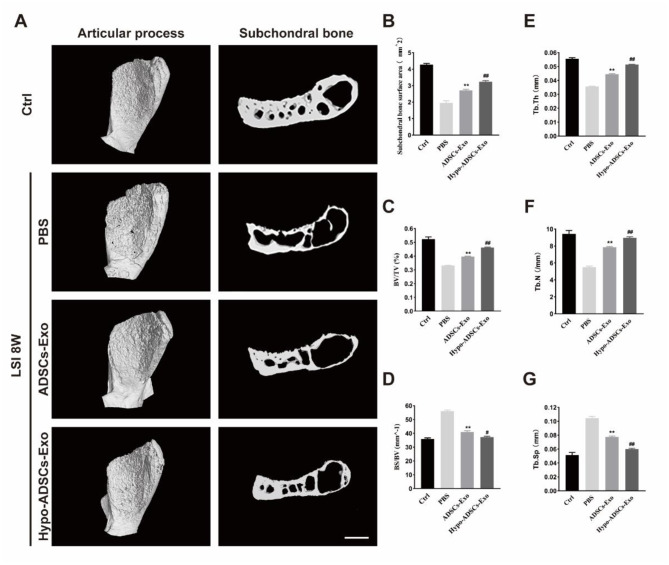
The protective effect of Hypo-ADSC-Exos against LFJ OA was examined in lumbar spinal instability (LSI)-induced LFJ OA models. Spinal pain behavioural assessments and CGRP (Calcitonin Gene-Related Peptide positive) immunofluorescence were evaluated. Cartilage degradation and subchondral bone remodelling were assessed by histological methods, immunohistochemistry, synchrotron radiation-Fourier transform infrared spectroscopy (SR-FTIR), and 3D X-ray microscope scanning.
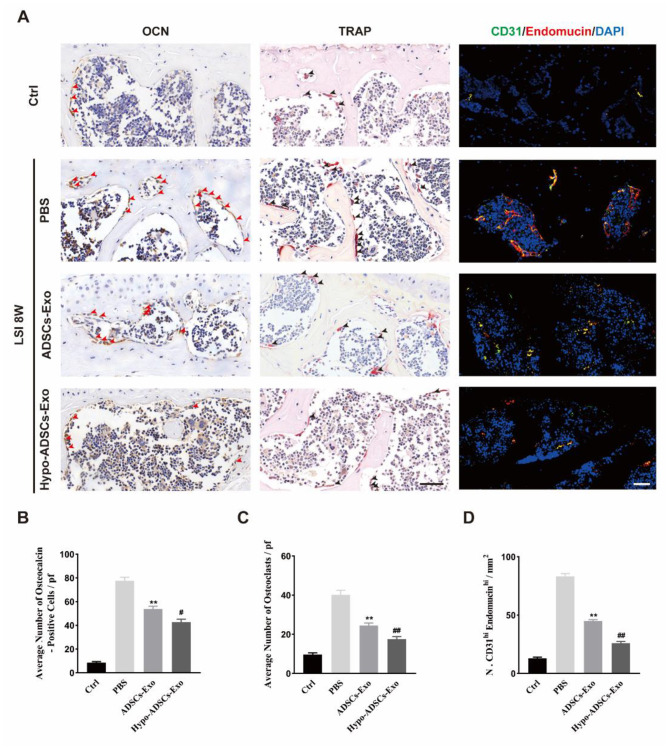
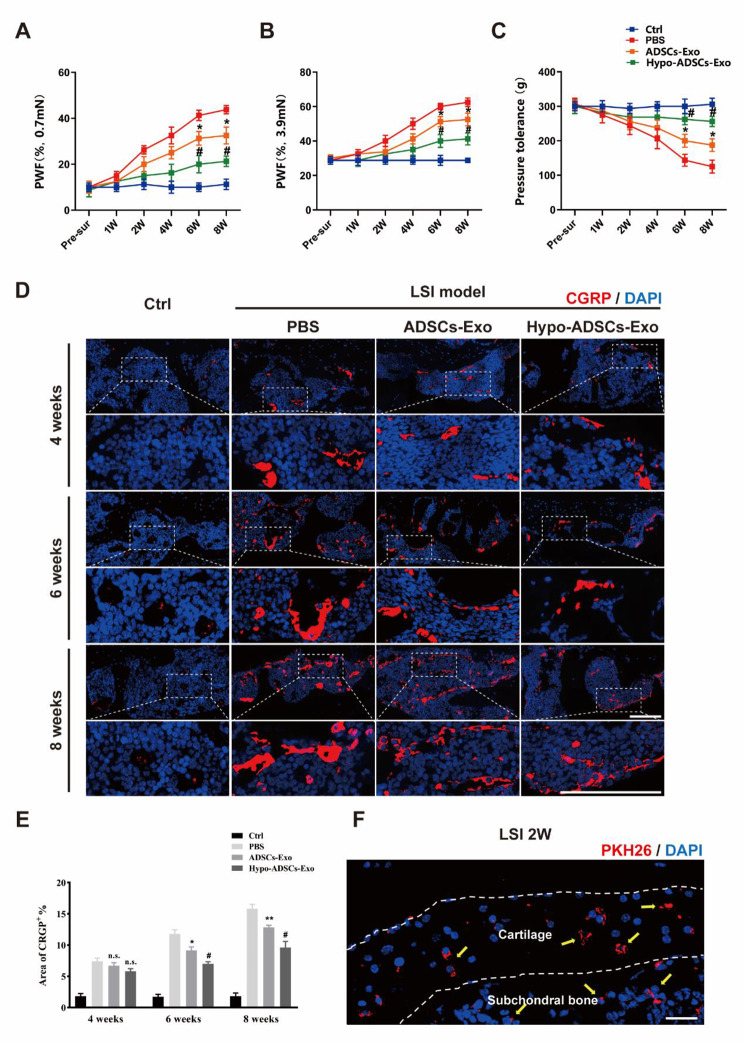
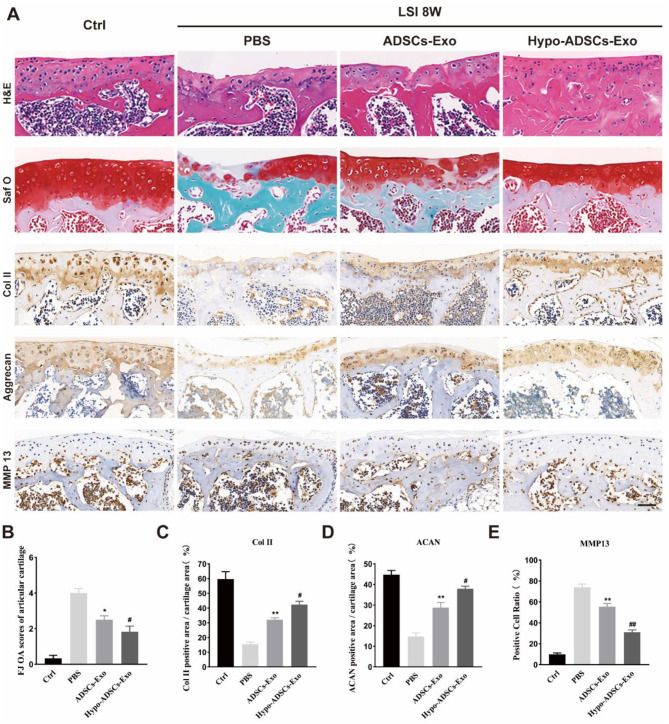
Hypoxia enhanced the protective effect of ADSC-Exos on LFJ OA. Specifically, tail vein injection of Hypo-ADSC-Exos protected articular cartilage from degradation, as demonstrated by lower FJ OA scores of articular cartilage and less proteoglycan loss in lumbar facet joint (LFJ) cartilage than in the ADSC-Exo group, and these parameters were significantly improved compared to those in the PBS group. In addition, the levels and distribution of collagen and proteoglycan in LFJ cartilage were increased in the Hypo-ADSC-Exo group compared to the ADSC-Exo or PBS group by SR-FTIR. Furthermore, Hypo-ADSC-Exos normalized uncoupled bone remodelling and aberrant H-type vessel formation in subchondral bone and effectively reduced symptomatic spinal pain caused by LFJ OA in mice compared with those in the ADSC-Exo or PBS group.
Our results show that hypoxia is an effective method to improve the therapeutic effect of ADSC-Exos on ameliorating spinal pain and LFJ OA progression.
腰椎小关节骨关节炎(LFJ OA)是一种常见疾病,目前仍缺乏有效的疾病修饰治疗方法。我们的目的是确定缺氧处理的脂肪间充质干细胞(ADSC)衍生的外泌体(Hypo-ADSC-Exos)对 LFJ OA 保护作用的治疗效果。
在腰椎不稳定(LSI)诱导的 LFJ OA 模型中,检查 Hypo-ADSC-Exos 对 LFJ OA 的保护作用。评估脊柱疼痛行为评估和 CGRP(降钙素基因相关肽阳性)免疫荧光。通过组织学方法、免疫组织化学、同步辐射傅里叶变换红外光谱(SR-FTIR)和 3D X 射线显微镜扫描评估软骨降解和软骨下骨重塑。
缺氧增强了 ADSC-Exos 对 LFJ OA 的保护作用。具体而言,尾静脉注射 Hypo-ADSC-Exos 可防止关节软骨降解,这表现在 LFJ 关节软骨的 FJ OA 评分较低,以及 LFJ 软骨中蛋白聚糖丢失较少,与 ADSC-Exo 组相比,这些参数均有显著改善,与 PBS 组相比也有显著改善。此外,通过 SR-FTIR,在 Hypo-ADSC-Exo 组中,LFJ 软骨中的胶原和蛋白聚糖的水平和分布增加,与 ADSC-Exo 或 PBS 组相比。此外,与 ADSC-Exo 或 PBS 组相比,Hypo-ADSC-Exos 使软骨下骨中的不成耦联的骨重塑和异常 H 型血管形成正常化,并有效减轻了 LFJ OA 引起的小鼠的症状性脊柱疼痛。
我们的结果表明,缺氧是一种有效方法,可以提高 ADSC-Exos 改善脊柱疼痛和 LFJ OA 进展的治疗效果。