Molecular Neurobiology Laboratory, The Salk Institute for Biological Studies, La Jolla, CA, 92037, USA.
Commun Biol. 2023 Sep 7;6(1):916. doi: 10.1038/s42003-023-05287-y.
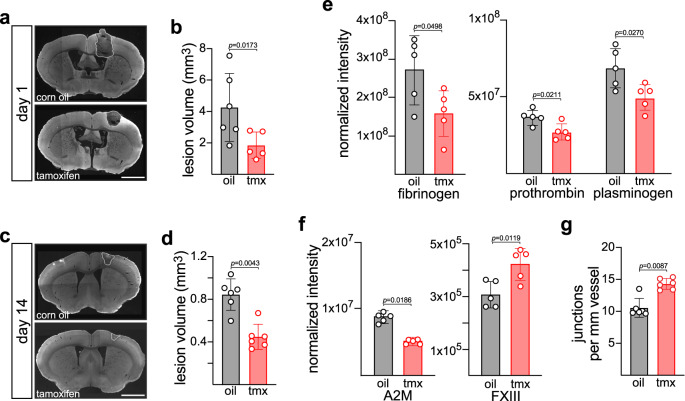
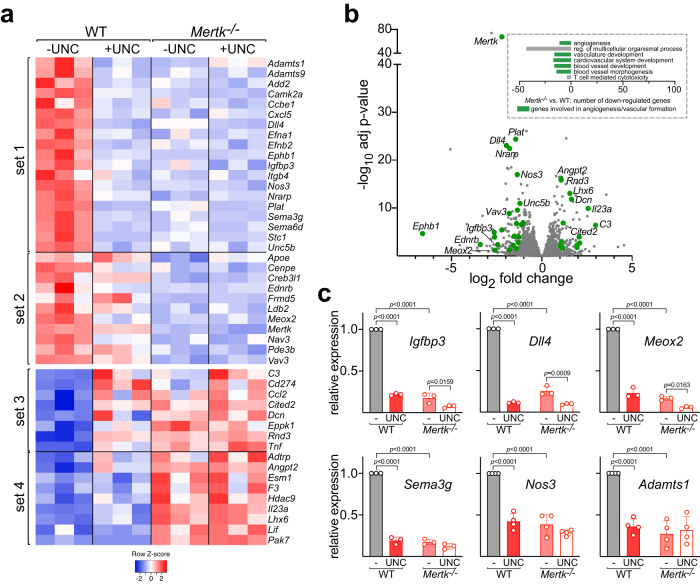
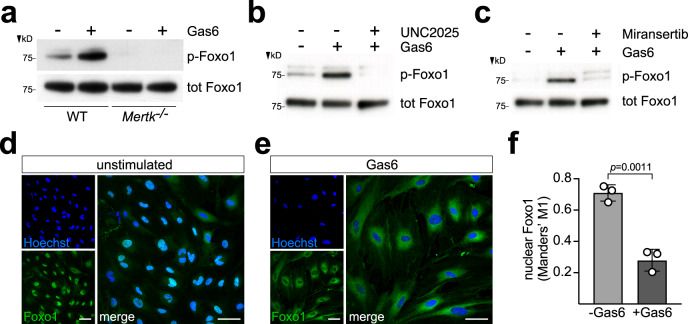
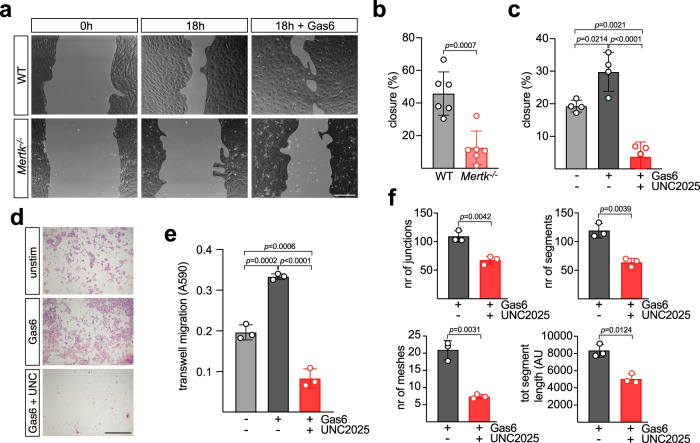
The receptor tyrosine kinase Mer (gene name Mertk) acts in vascular endothelial cells (ECs) to tighten the blood-brain barrier (BBB) subsequent to viral infection, but how this is achieved is poorly understood. We find that Mer controls the expression and activity of a large cohort of BBB regulators, along with endothelial nitric oxide synthase. It also controls, via an Akt-Foxo1 pathway, the expression of multiple angiogenic genes. Correspondingly, EC-specific Mertk gene inactivation resulted in perturbed vascular sprouting and a compromised BBB after induced photothrombotic stroke. Unexpectedly, stroke lesions in the brain were also reduced in the absence of EC Mer, which was linked to reduced plasma expression of fibrinogen, prothrombin, and other effectors of blood coagulation. Together, these results demonstrate that Mer is a central regulator of angiogenesis, BBB integrity, and blood coagulation in the mature vasculature. They may also account for disease severity following infection with the coronavirus SARS-CoV-2.
受体酪氨酸激酶 Mer(基因名称 Mertk)在病毒感染后作用于血管内皮细胞(ECs),以收紧血脑屏障(BBB),但其具体机制尚不清楚。我们发现 Mer 控制着一大群 BBB 调节剂以及内皮型一氧化氮合酶的表达和活性。此外,它还通过 Akt-Foxo1 途径控制多种血管生成基因的表达。相应地,内皮细胞特异性的 Mer 基因失活导致诱导性光血栓性中风后血管发芽和 BBB 受损。出乎意料的是,在缺乏 EC Mer 的情况下,大脑中的中风损伤也减少了,这与血浆中纤维蛋白原、凝血酶原和其他凝血效应物的表达减少有关。总之,这些结果表明 Mer 是成熟血管中血管生成、BBB 完整性和血液凝固的核心调节剂。它们也可能解释了感染冠状病毒 SARS-CoV-2 后的疾病严重程度。