Neyra Nilda Roxana, Wazir Shoaib
Arizona Kidney Disease and Hypertension Center (AKDHC), Phoenix, AZ, United States.
Front Nephrol. 2022 Oct 26;2:917265. doi: 10.3389/fneph.2022.917265. eCollection 2022.
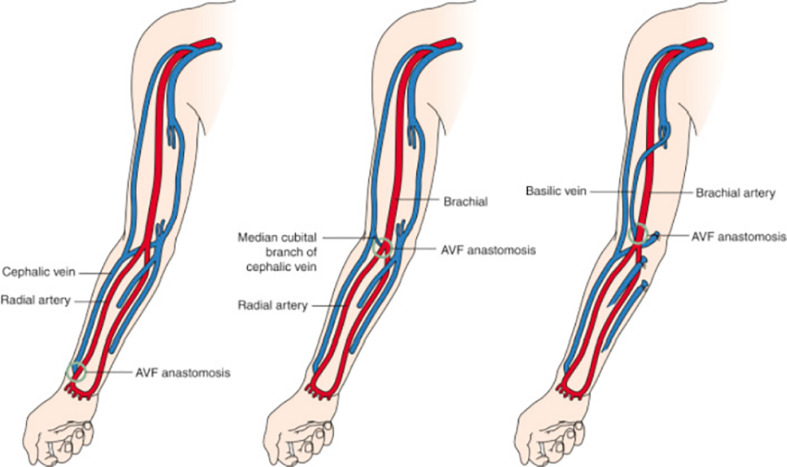
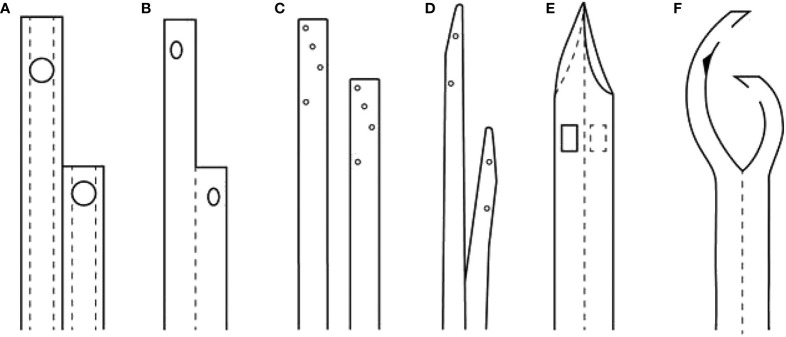
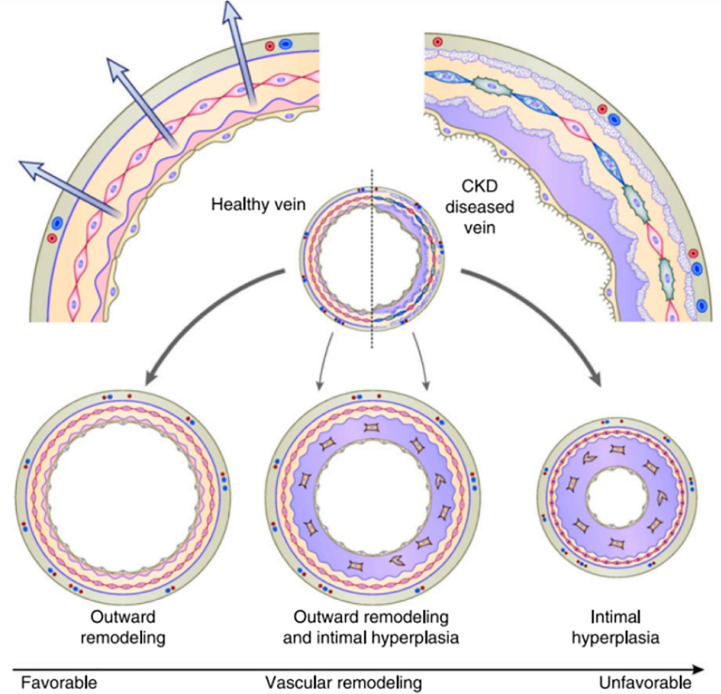
There are three major types of hemodialysis vascular access: hemodialysis catheters, arteriovenous grafts, and arteriovenous fistulas. Arteriovenous fistulas provide the best access due to their reliability and long-term patency. They are recommended by the current Kidney Disease Outcomes Quality Initiatives (K-DOQI) guidelines; however, not all patients benefit from arteriovenous fistulas due to poor maturation or a lack of adequate vasculature. Currently, hemodialysis is initiated catheters in the majority of patients. Catheters are associated with high morbidity and mortality due to infection, lower quality of dialysis, and the development of central vein stenosis. The varied responses of patients to the different access types exemplify the need to choose the "right access for the right patient" based on scores that can predict death risk and progression of chronic kidney disease. Additionally, vascular access, often referred to as the "Achilles' heel" of hemodialysis patients, represents a significant percentage of the Medicare budget that continues to increase yearly. The purpose of this paper is to review the current literature on the management of vascular access complications and infection treatment and prevention. The paper also explores emerging research regarding the devices and methods to improve access outcomes such as early cannulation arteriovenous grafts, endovascular arteriovenous fistula creation, and regenerative grafts with resorbable scaffolds, among others. The data were collected through literature searches PubMed, Athens and web search engines.
血液透析导管、动静脉移植物和动静脉内瘘。动静脉内瘘因其可靠性和长期通畅性而提供了最佳的通路。它们是目前肾脏病预后质量倡议(K-DOQI)指南所推荐的;然而,并非所有患者都能从动静脉内瘘中获益,原因是成熟不良或缺乏足够的脉管系统。目前,大多数患者开始血液透析时使用导管。由于感染、透析质量较低以及中心静脉狭窄的发生,导管与高发病率和死亡率相关。患者对不同通路类型的不同反应表明,需要根据能够预测死亡风险和慢性肾脏病进展的评分,为“合适的患者选择合适的通路”。此外,血管通路常被称为血液透析患者的“阿喀琉斯之踵”,在医疗保险预算中占相当大的比例,且该比例逐年持续增加。本文的目的是综述当前关于血管通路并发症管理以及感染治疗与预防的文献。本文还探讨了有关改善通路结局的装置和方法的新兴研究,如早期插管动静脉移植物、血管内动静脉内瘘创建以及带有可吸收支架的再生移植物等。数据是通过在PubMed、Athens以及网络搜索引擎上进行文献检索收集的。