Department of Oral Medicine and Stomatology, School of Dental Medicine, Tsurumi University, 2-1-3 Tsurumi, Tsurumi-ku, Yokohama 230-8501, Kanagawa, Japan.
Cells. 2023 Aug 24;12(17):2138. doi: 10.3390/cells12172138.
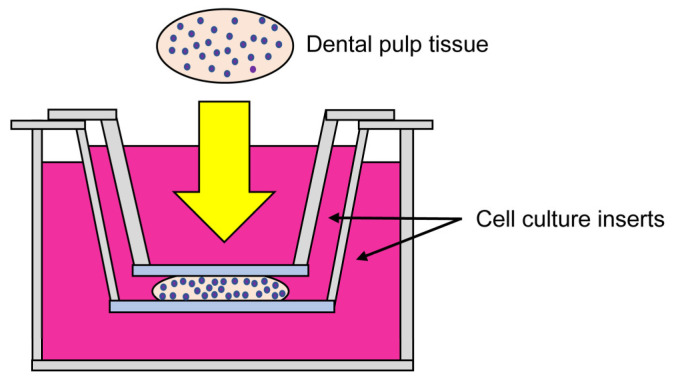
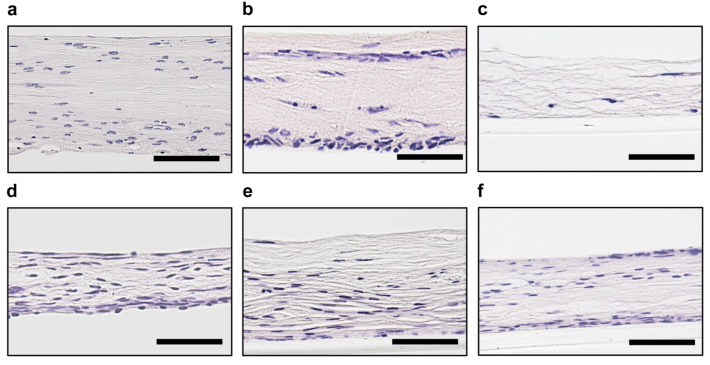
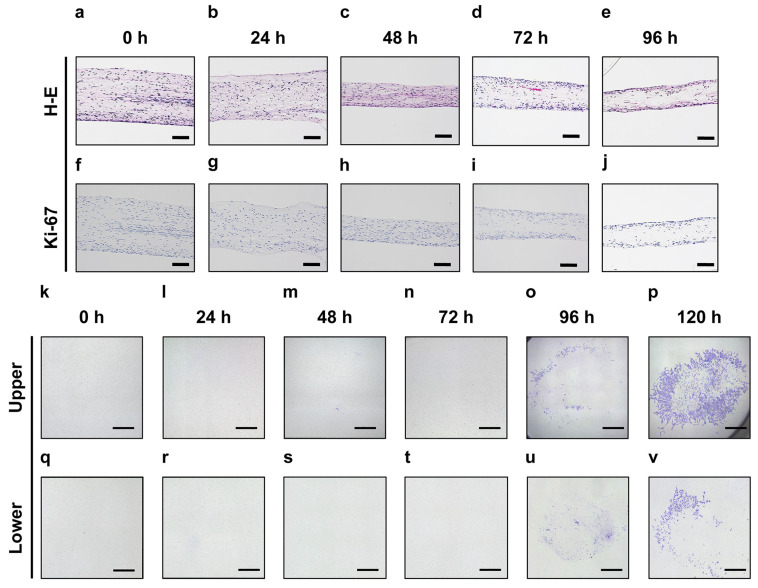
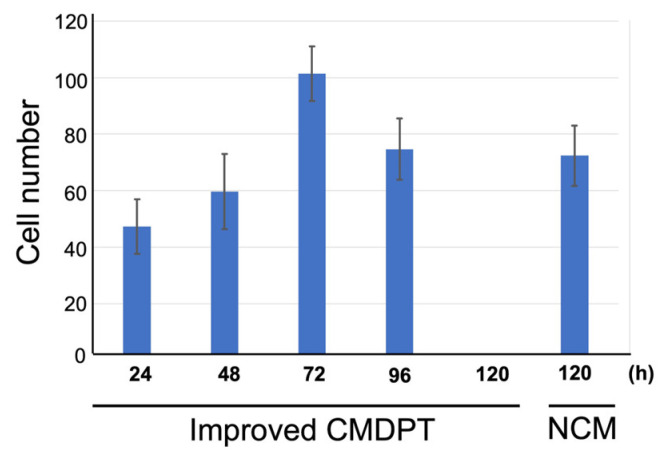
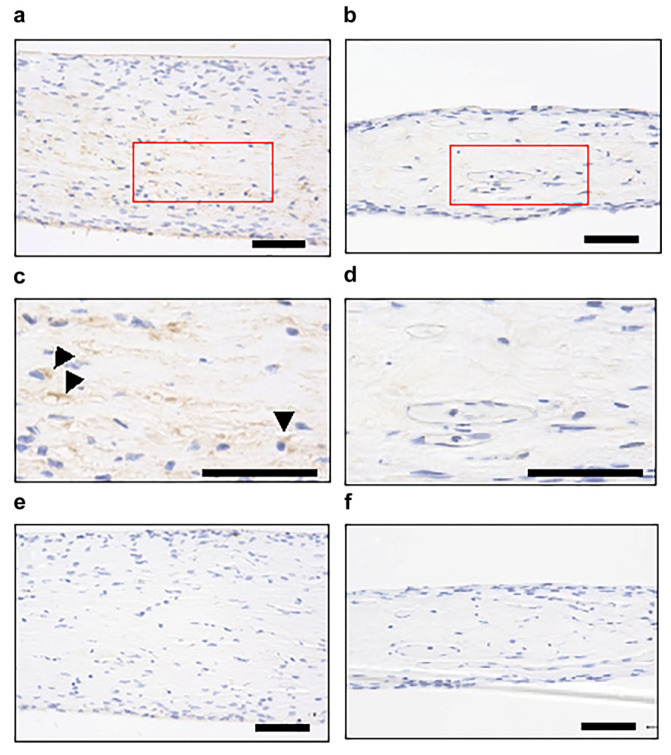
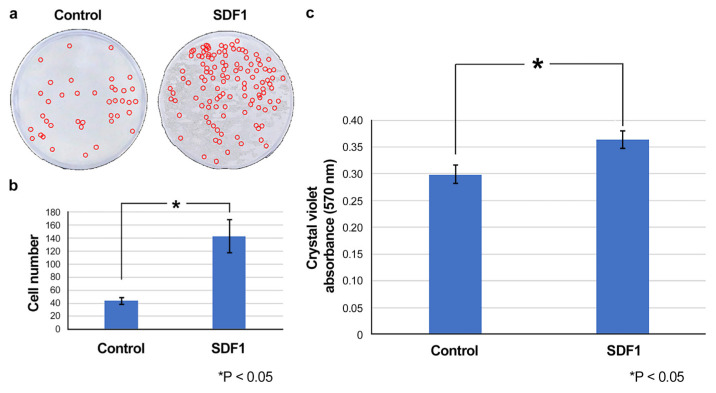
Dental pulp stem cells (DPSCs) are considered a valuable cell source for regenerative medicine because of their high proliferative potential, multipotency, and availability. We established a new cryopreservation method (NCM) for collecting DPSCs, in which the tissue itself is cryopreserved and DPSCs are collected after thawing. We improved the NCM and developed a new method for collecting and preserving DPSCs more efficiently. Dental pulp tissue was collected from an extracted tooth, divided into two pieces, sandwiched from above and below using cell culture inserts, and cultured. As a result, the cells in the pulp tissue migrated vertically over time and localized near the upper and lower membranes over 2-3 days. With regard to the underlying molecular mechanism, SDF1 was predominantly involved in cell migration. This improved method is valuable and enables the more efficient collection and reliable preservation of DPSCs. It has the potential to procure a large number of DPSCs stably.
牙髓干细胞(DPSCs)因其高增殖潜能、多能性和可用性而被认为是再生医学的有价值的细胞来源。我们建立了一种新的牙髓干细胞采集的冷冻保存方法(NCM),其中组织本身被冷冻保存,然后在解冻后收集 DPSCs。我们改进了 NCM 并开发了一种更有效地收集和保存 DPSCs 的新方法。从拔出的牙齿中采集牙髓组织,分成两块,用细胞培养插入物从上到下夹住,然后进行培养。结果,牙髓组织中的细胞随着时间的推移垂直迁移,并在 2-3 天内在上下膜附近定位。关于潜在的分子机制,SDF1 主要参与细胞迁移。这种改进的方法具有价值,可以更有效地收集和可靠地保存 DPSCs。它有可能稳定地获得大量的 DPSCs。