Department of Neurosurgery, Graduate School of Medical Sciences, Kyushu University, Fukuoka, Japan.
Department of Neuropsychiatry, Graduate School of Medical Sciences, Kyushu University, Maidashi 3-1-1, Higashi-ku, Fukuoka, 812-8582, Japan.
Sci Rep. 2023 Sep 8;13(1):14842. doi: 10.1038/s41598-023-41456-z.
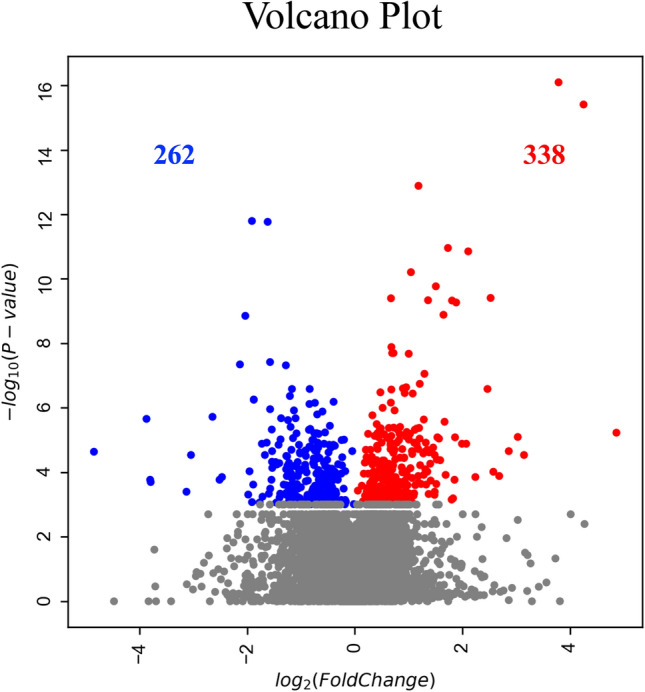
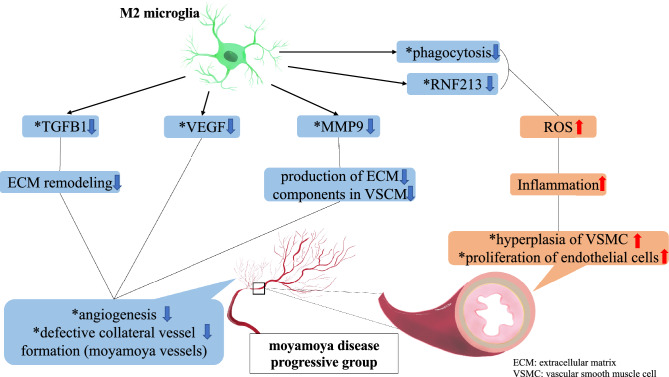
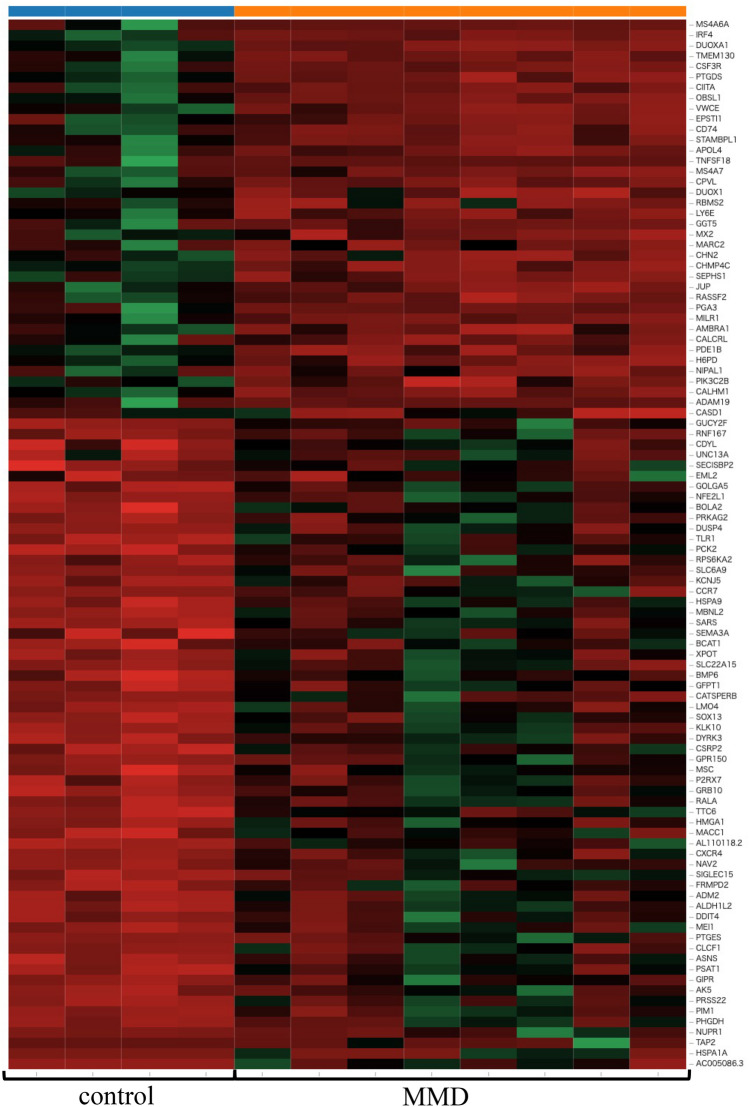
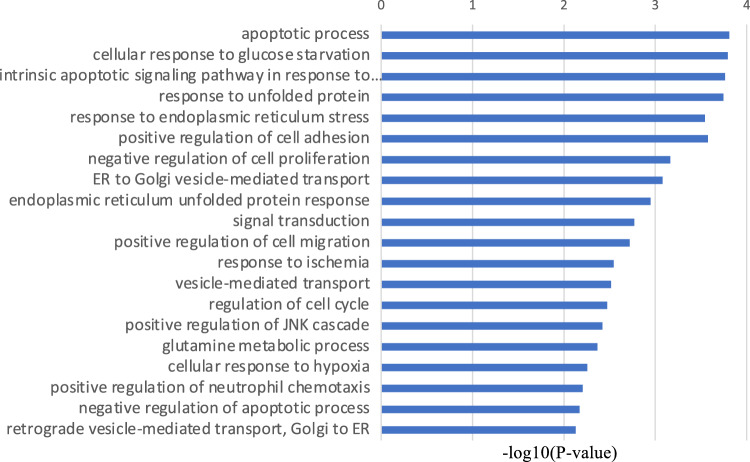
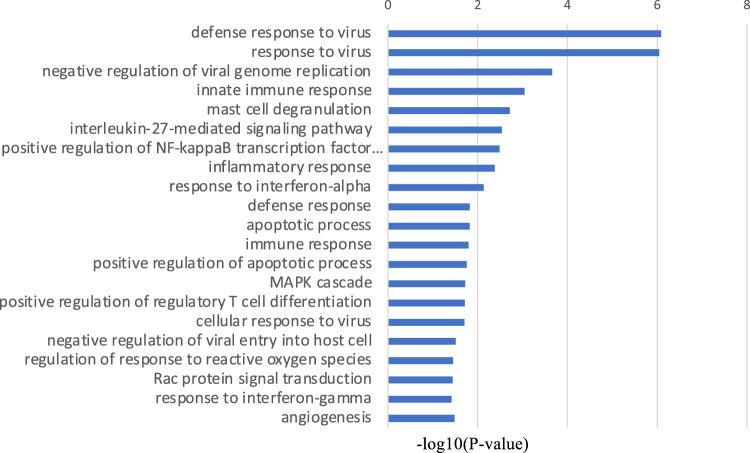
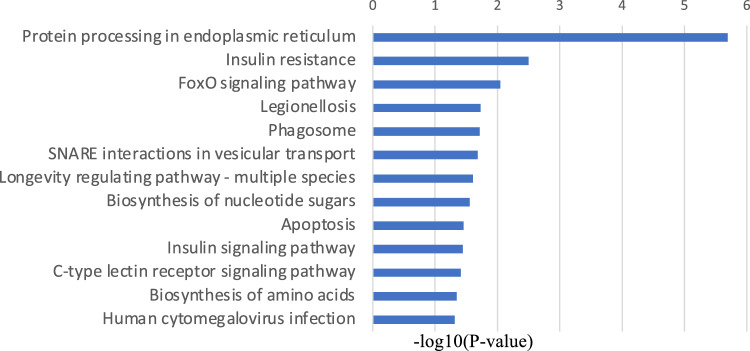
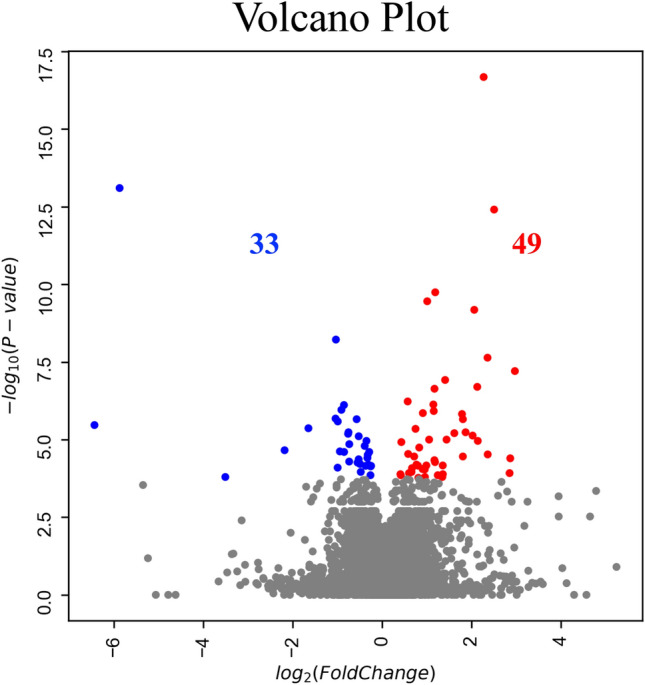
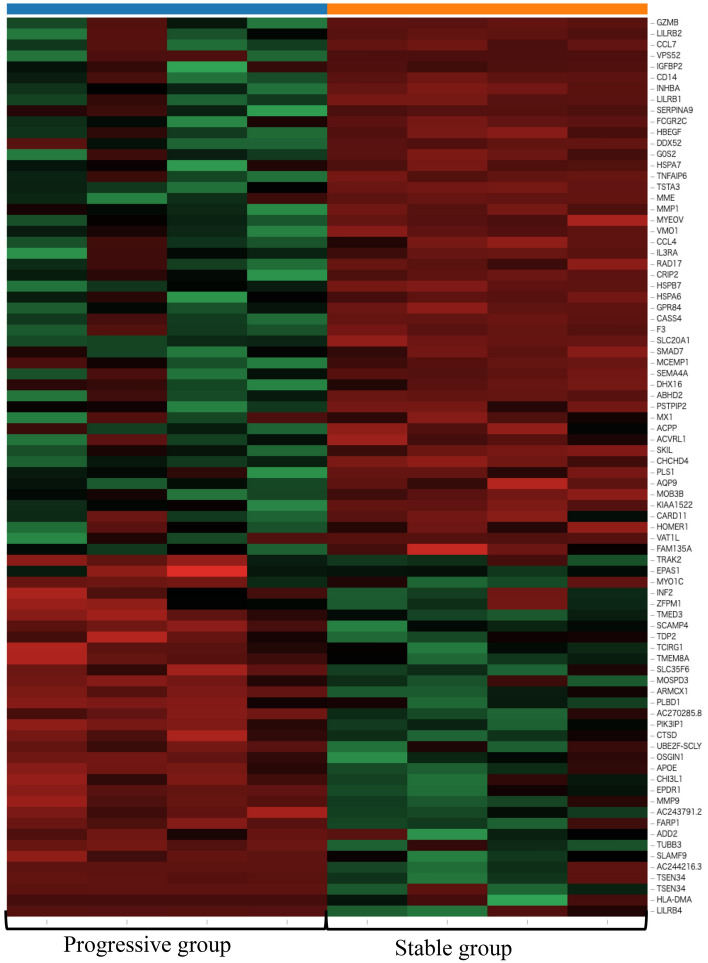
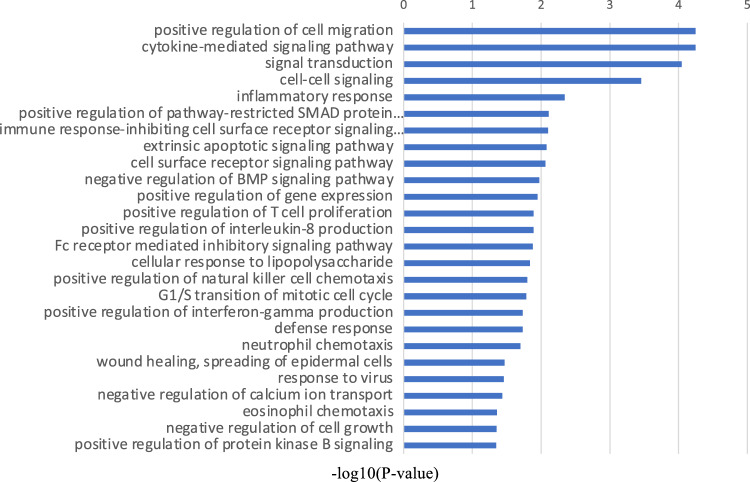
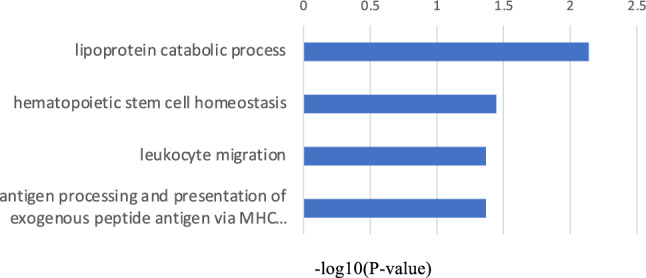
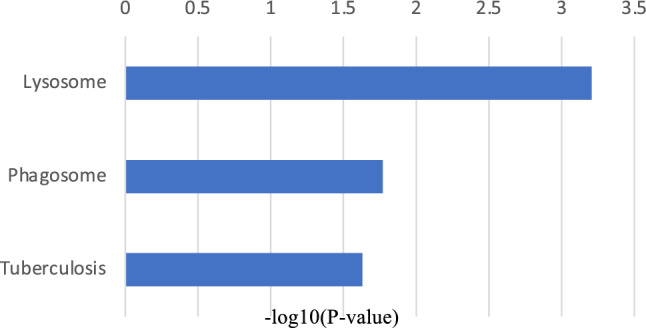
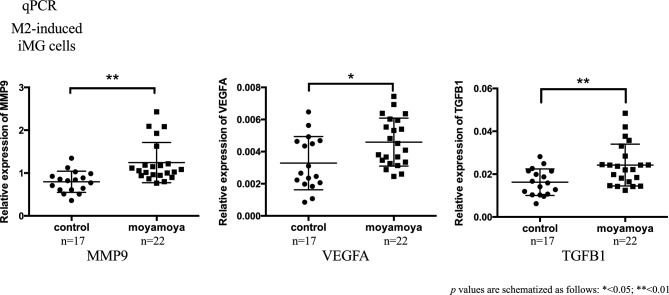
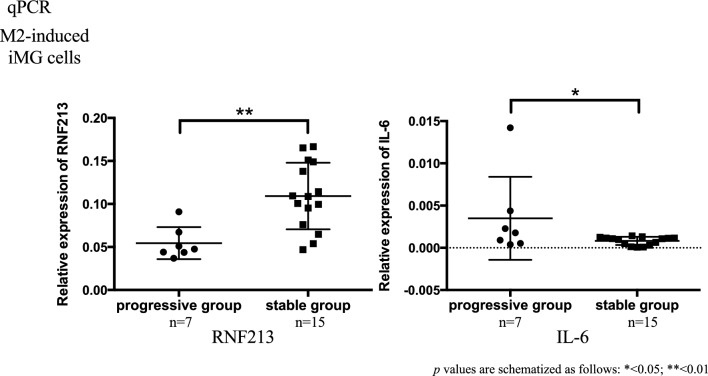
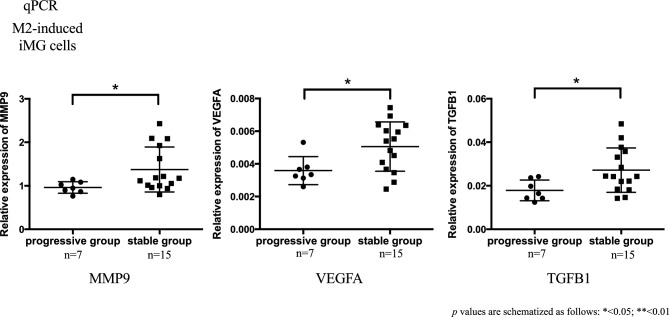
Angiogenic factors associated with Moyamoya disease (MMD) are overexpressed in M2 polarized microglia in ischemic stroke, suggesting that microglia may be involved in the pathophysiology of MMD; however, existing approaches are not applicable to explore this hypothesis. Herein we applied blood induced microglial-like (iMG) cells. We recruited 25 adult patients with MMD and 24 healthy volunteers. Patients with MMD were subdivided into progressive (N = 7) or stable (N = 18) group whether novel symptoms or radiographic advancement of Suzuki stage within 1 year was observed or not. We produced 3 types of iMG cells; resting, M1-, and M2-induced cells from monocytes, then RNA sequencing followed by GO and KEGG pathway enrichment analysis and qPCR assay were performed. RNA sequencing of M2-induced iMG cells revealed that 600 genes were significantly upregulated (338) or downregulated (262) in patients with MMD. Inflammation and immune-related factors and angiogenesis-related factors were specifically associated with MMD in GO analysis. qPCR for MMP9, VEGFA, and TGFB1 expression validated these findings. This study is the first to demonstrate that M2 microglia may be involved in the angiogenic process of MMD. The iMG technique provides a promising approach to explore the bioactivity of microglia in cerebrovascular diseases.
与烟雾病(MMD)相关的血管生成因子在缺血性脑卒中的 M2 极化小胶质细胞中过度表达,表明小胶质细胞可能参与 MMD 的病理生理学过程;然而,现有的方法并不适用于探索这一假说。在此,我们应用了血诱导的小胶质样(iMG)细胞。我们招募了 25 名 MMD 成年患者和 24 名健康志愿者。根据是否在 1 年内观察到新症状或 Suzuki 分期的影像学进展,将 MMD 患者分为进展性(N=7)或稳定性(N=18)组。我们从单核细胞中产生了 3 种 iMG 细胞:静止、M1-和 M2-诱导细胞,然后进行 RNA 测序,随后进行 GO 和 KEGG 通路富集分析和 qPCR 检测。M2 诱导的 iMG 细胞的 RNA 测序显示,MMD 患者有 600 个基因明显上调(338 个)或下调(262 个)。GO 分析表明,炎症和免疫相关因子以及血管生成相关因子与 MMD 特异性相关。MMP9、VEGFA 和 TGFB1 表达的 qPCR 验证了这些发现。这项研究首次表明,M2 小胶质细胞可能参与 MMD 的血管生成过程。iMG 技术为探索脑血管疾病中小胶质细胞的生物活性提供了一种很有前途的方法。