School of Clinical Medicine, Jining Medical University, Shandong, 272067, China.
School of Basic Medicine, Jining Medical University, 133 Hehua Road, Shandong, 272067, China.
Orphanet J Rare Dis. 2023 Sep 9;18(1):281. doi: 10.1186/s13023-023-02898-w.
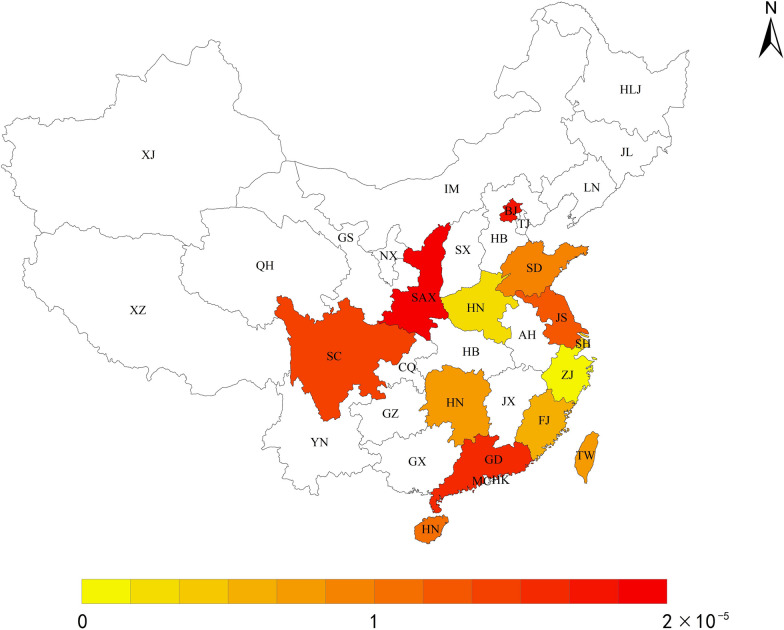
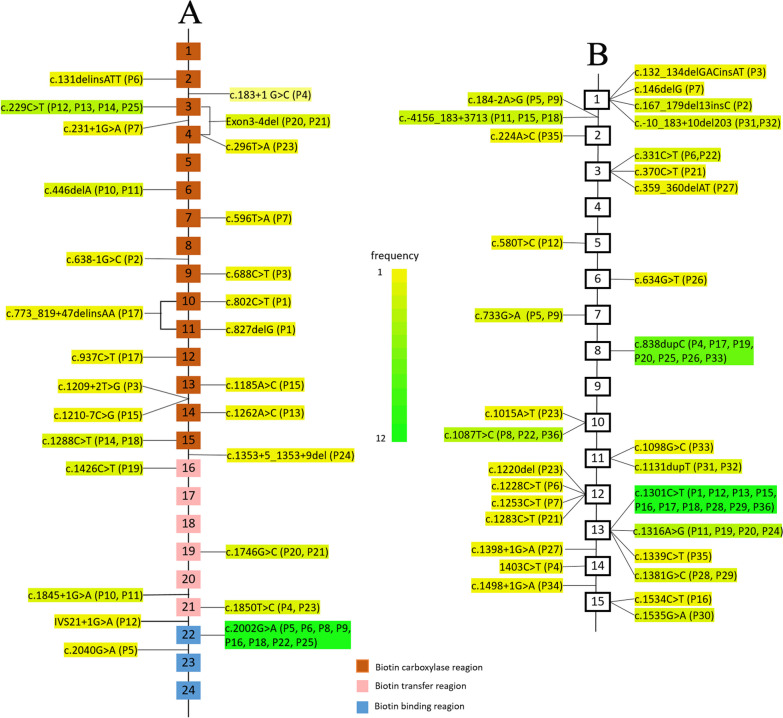
Propionic acidemia (PA) is a rare autosomal recessive congenital disease caused by mutations in the PCCA or PCCB genes. Elevated propionylcarnitine, 2-methylcitric acid (2MCA), propionylglycine, glycine and 3-hydroxypropionate can be used to diagnose PA. Early-onset PA can lead to acute deterioration, metabolic acidosis, and hyperammonemia shortly after birth, which can result in high mortality and disability. Late-onset cases of PA have a more heterogeneous clinical spectra, including growth retardation, intellectual disability, seizures, basal ganglia lesions, pancreatitis, cardiomyopathy, arrhythmias, adaptive immune defects, rhabdomyolysis, optic atrophy, hearing loss, premature ovarian failure, and chronic kidney disease. Timely and accurate diagnosis and appropriate treatment are crucial to saving patients' lives and improving their prognosis. Recently, the number of reported PA cases in China has increased due to advanced diagnostic techniques and increased research attention. However, an overview of PA prevalence in China is lacking. Therefore, this review provides an overview of recent advances in the pathogenesis, diagnostic strategies, and treatment of PA, including epidemiological data on PA in China. The most frequent variants among Chinese PA patients are c.2002G > A in PCCA and c.1301C > T in PCCB, which are often associated with severe clinical symptoms. At present, liver transplantation from a living (heterozygous parental) donor is a better option for treating PA in China, especially for those exhibiting a severe metabolic phenotype and/or end-organ dysfunction. However, a comprehensive risk-benefit analysis should be conducted as an integral part of the decision-making process. This review will provide valuable information for the medical care of Chinese patients with PA.
丙酸血症(PA)是一种罕见的常染色体隐性先天性疾病,由 PCCA 或 PCCB 基因突变引起。升高的丙酰基辅酶 A、2-甲基柠檬酸(2MCA)、丙酰甘氨酸、甘氨酸和 3-羟丙酸可用于诊断 PA。早发型 PA 可导致出生后不久急性恶化、代谢性酸中毒和高血氨,从而导致高死亡率和残疾。晚发型 PA 具有更多异质的临床谱,包括生长迟缓、智力障碍、癫痫、基底节病变、胰腺炎、心肌病、心律失常、适应性免疫缺陷、横纹肌溶解症、视神经萎缩、听力损失、卵巢早衰和慢性肾病。及时准确的诊断和适当的治疗对于挽救患者生命和改善预后至关重要。最近,由于先进的诊断技术和增加的研究关注,中国报告的 PA 病例数量有所增加。然而,中国 PA 患病率的总体情况尚不清楚。因此,本综述提供了 PA 发病机制、诊断策略和治疗方面的最新进展概述,包括中国 PA 的流行病学数据。中国 PA 患者最常见的变异是 PCCA 的 c.2002G>A 和 PCCB 的 c.1301C>T,它们常与严重的临床症状相关。目前,来自活体(杂合父母)供体的肝移植是治疗中国 PA 的更好选择,尤其是对于那些表现出严重代谢表型和/或终末器官功能障碍的患者。然而,应作为决策过程的一个组成部分,对全面的风险效益进行分析。本综述将为中国 PA 患者的医疗护理提供有价值的信息。