Department of Pediatrics, Section of Metabolic Diseases, Beatrix Children's Hospital, University of Groningen, University Medical Center Groningen, 9713 GZ Groningen, The Netherlands.
Department of Translational Medicine, Section of Pediatrics, University of Naples "Federico II", 80131 Naples, Italy.
J Clin Endocrinol Metab. 2024 Jan 18;109(2):389-401. doi: 10.1210/clinem/dgad537.
Glycogen storage disease type Ia (GSDIa) is an inborn metabolic disorder characterized by impaired endogenous glucose production (EGP). Monitoring of patients with GSDIa is prioritized because of ongoing treatment developments. Stable isotope tracers may enable reliable EGP monitoring.
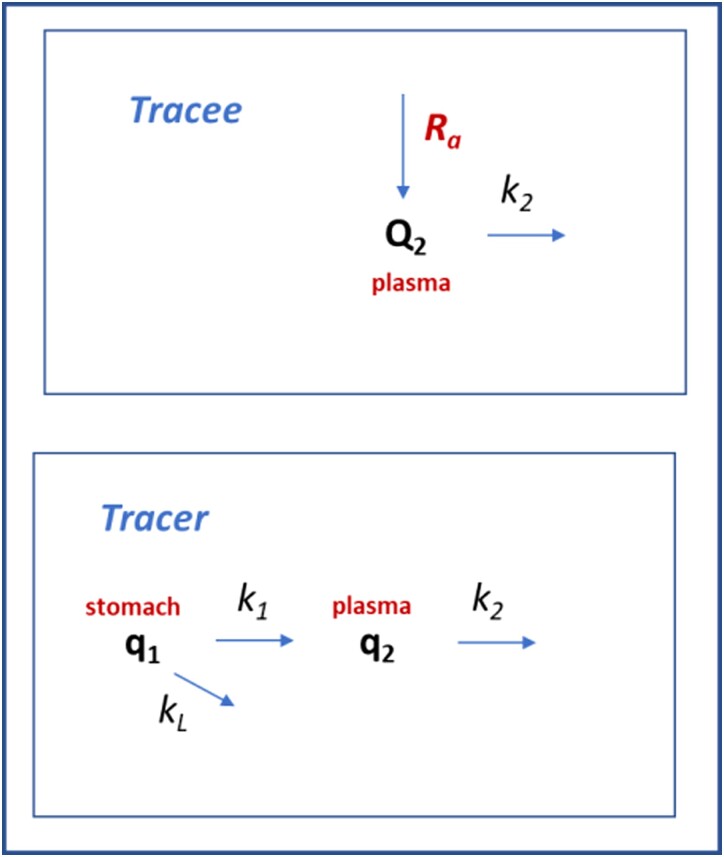
The aim of this study was to prospectively assess the rate of appearance of endogenous glucose into the bloodstream (Ra) in patients with GSDIa after a single oral D-[6,6-2H2]-glucose dose.
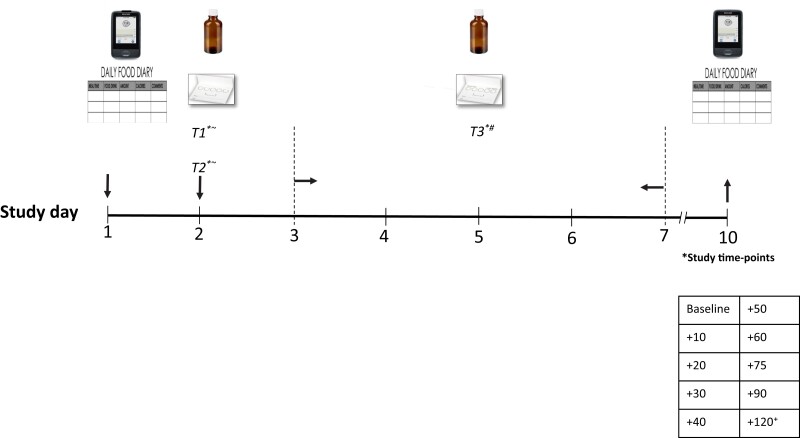
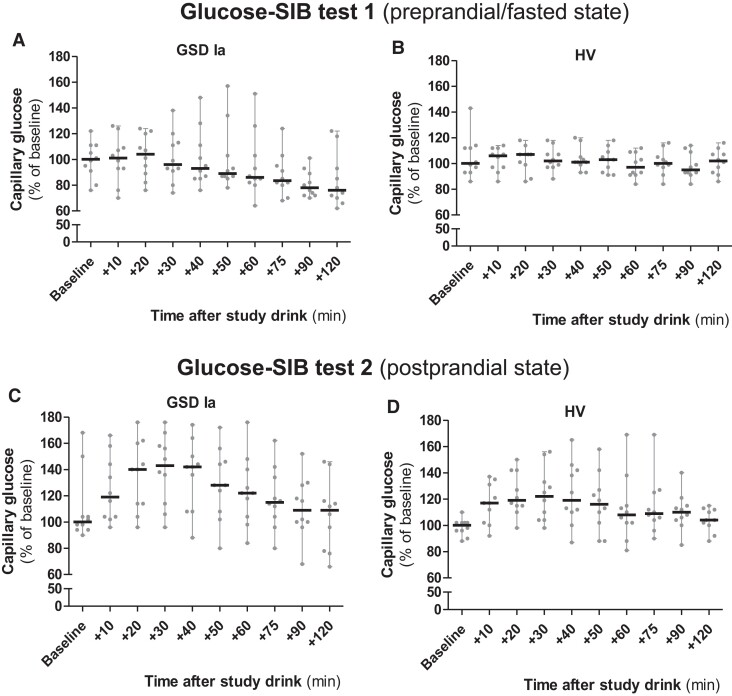
Ten adult patients with GSDIa and 10 age-, sex-, and body mass index-matched healthy volunteers (HVs) were enrolled. For each participant, 3 oral glucose tracer tests were performed: (1) preprandial/fasted, (2) postprandial, and (3) randomly fed states. Dried blood spots were collected before D-[6,6-2H2]-glucose administration and 10, 20, 30, 40, 50, 60, 75, 90, and 120 minutes thereafter.
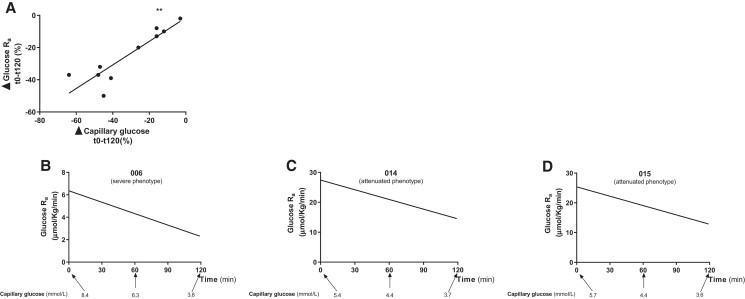
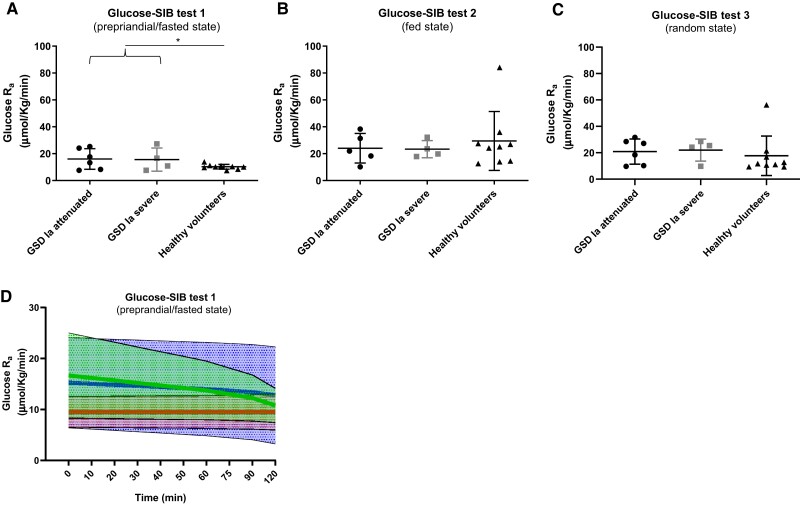
Glucose Ra in fasted HVs was consistent with previously reported data. The time-averaged glucose Ra was significantly higher in (1) preprandial/fasted patients with GSDIa than HV and (2) postprandial HV compared with fasted HV(P < .05). A progressive decrease in glucose Ra was observed in preprandial/fasted patients with GSDIa; the change in glucose Ra time-course was directly correlated with the change in capillary glucose (P < .05).
This is the first study to quantify glucose Ra in patients with GSDIa using oral D-[6,6-2H2] glucose. The test can reliably estimate EGP under conditions in which fasting tolerance is unaffected but does not discriminate between relative contributions of EGP (eg, liver, kidney) and exogenous sources (eg, dietary cornstarch). Future application is warranted for longitudinal monitoring after novel genome based treatments in patients with GSDIa in whom nocturnal dietary management can be discontinued.
糖原贮积病 Ia 型(GSDIa)是一种先天性代谢紊乱,其特征是内源性葡萄糖生成受损(EGP)。由于正在进行治疗开发,因此优先监测 GSDIa 患者。稳定同位素示踪剂可实现可靠的 EGP 监测。
本研究旨在前瞻性评估 GSDIa 患者单次口服 D-[6,6-2H2]-葡萄糖剂量后内源性葡萄糖进入血液的出现率(Ra)。
纳入 10 名成年 GSDIa 患者和 10 名年龄、性别和体重指数匹配的健康志愿者(HV)。对于每个参与者,进行了 3 次口服葡萄糖示踪剂测试:(1)空腹/禁食,(2)餐后,和(3)随机进食状态。在给予 D-[6,6-2H2]-葡萄糖之前以及之后的 10、20、30、40、50、60、75、90 和 120 分钟采集干血斑。
禁食 HV 的葡萄糖 Ra 与先前报道的数据一致。(1)GSDIa 患者的空腹/禁食状态下的葡萄糖 Ra 时间平均值显著高于 HV,和(2)餐后 HV 状态下的葡萄糖 Ra 时间平均值显著高于禁食 HV(P <.05)。在空腹/禁食的 GSDIa 患者中,葡萄糖 Ra 呈逐渐下降趋势;葡萄糖 Ra 时间过程的变化与毛细血管葡萄糖的变化直接相关(P <.05)。
这是第一项使用口服 D-[6,6-2H2]葡萄糖定量测定 GSDIa 患者葡萄糖 Ra 的研究。该测试可在不受禁食耐量影响的情况下可靠地估计 EGP,但不能区分 EGP(例如,肝、肾)和外源性来源(例如,饮食中的玉米淀粉)的相对贡献。在 GSDIa 患者中,新型基于基因组的治疗后进行纵向监测时需要进一步应用,这些患者可以停止夜间饮食管理。