Department of Microbiology and Immunology, Virginia Commonwealth University, Richmond, VA 23298, USA.
Department of Biology, Virginia Commonwealth University, Richmond, VA 23284, USA.
Sci Signal. 2023 Sep 12;16(802):eabc9089. doi: 10.1126/scisignal.abc9089.
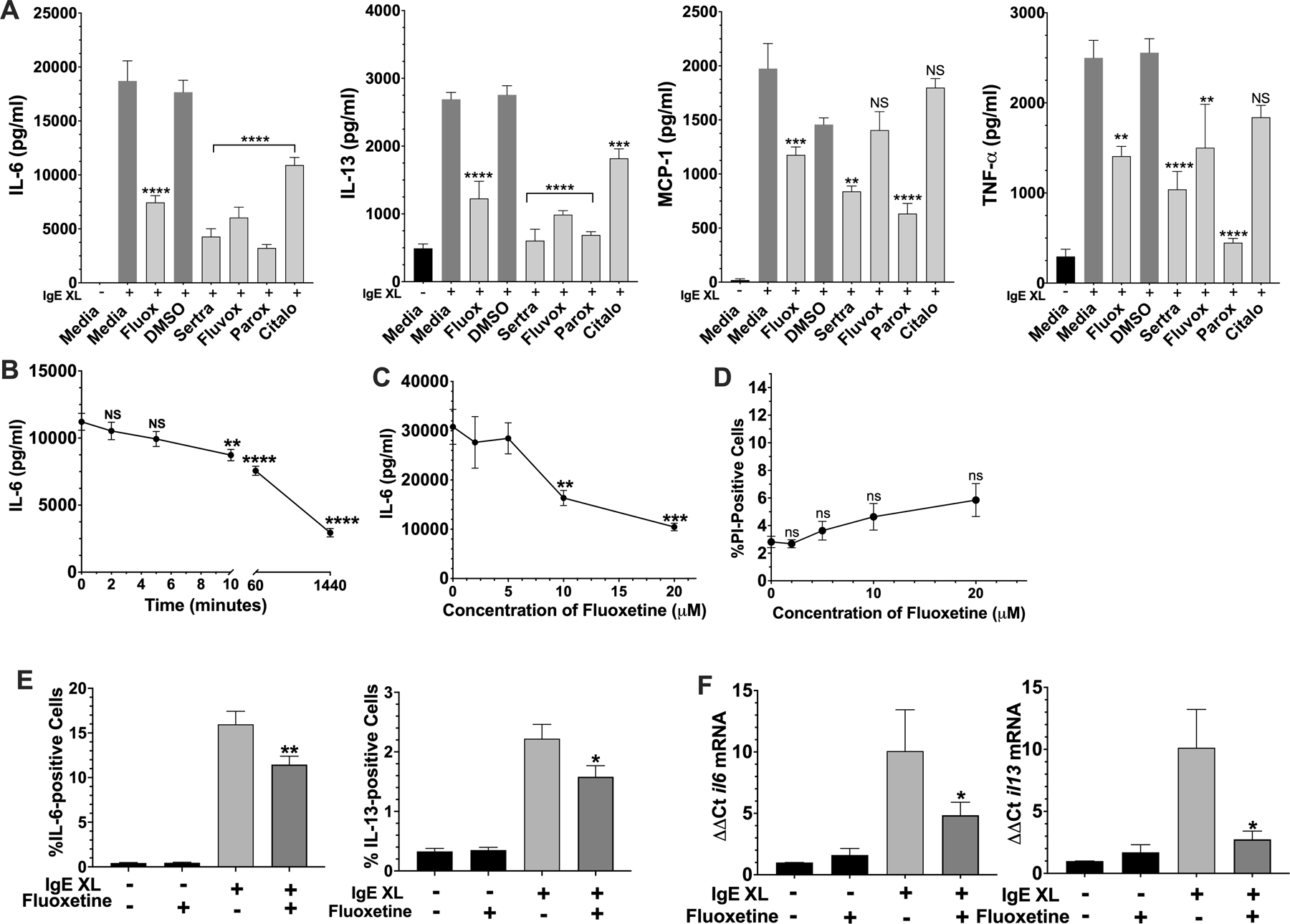
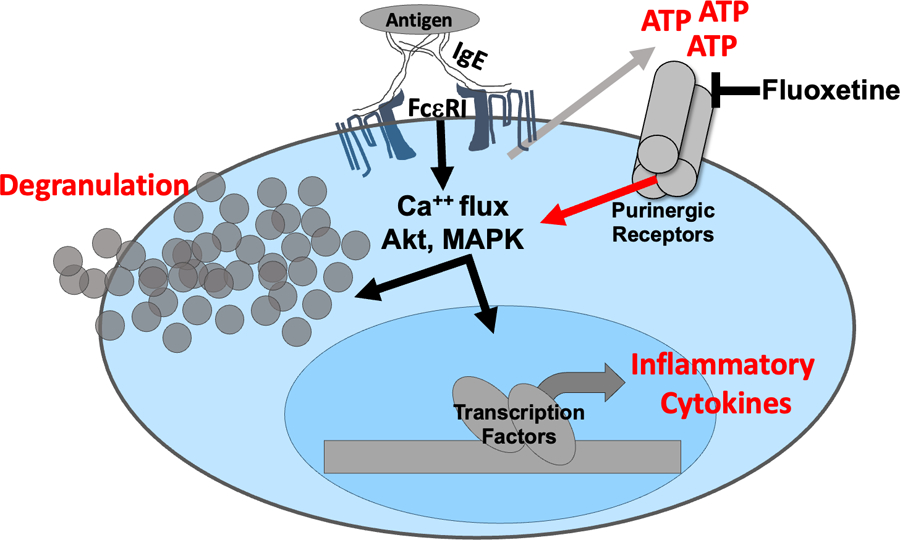
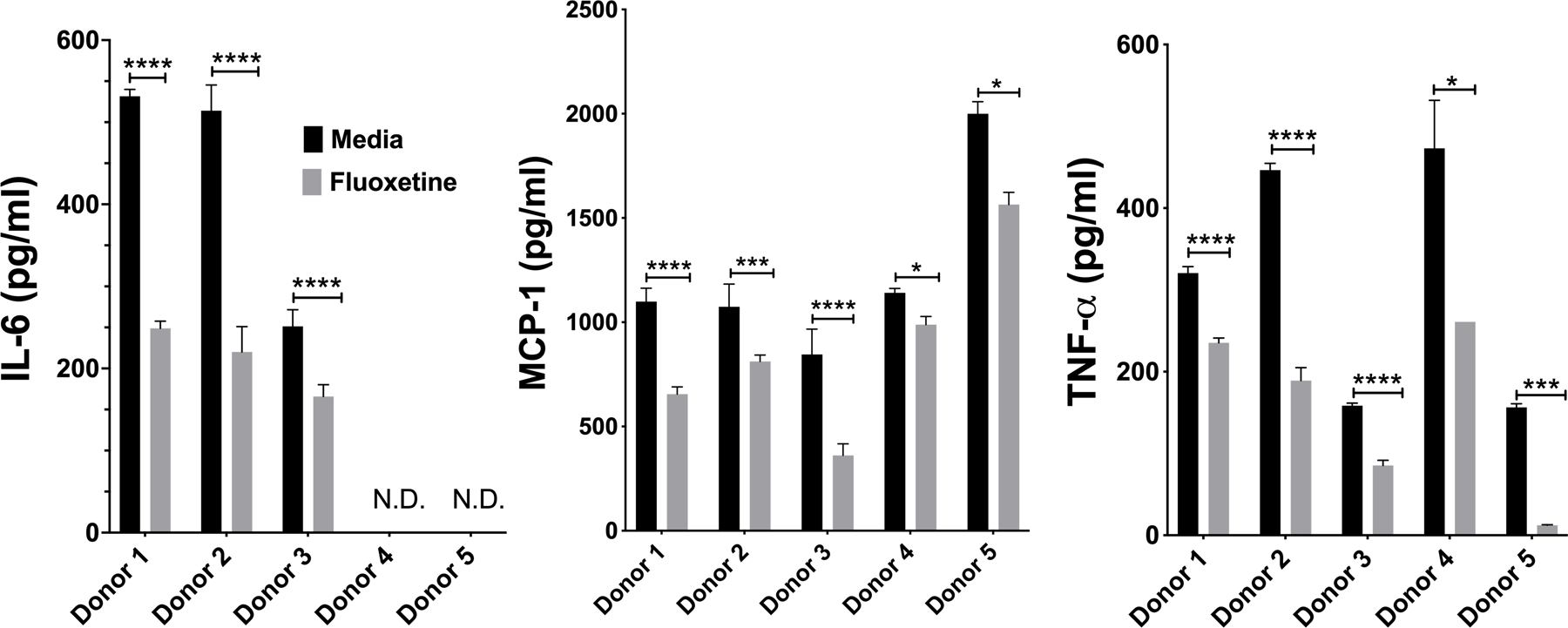
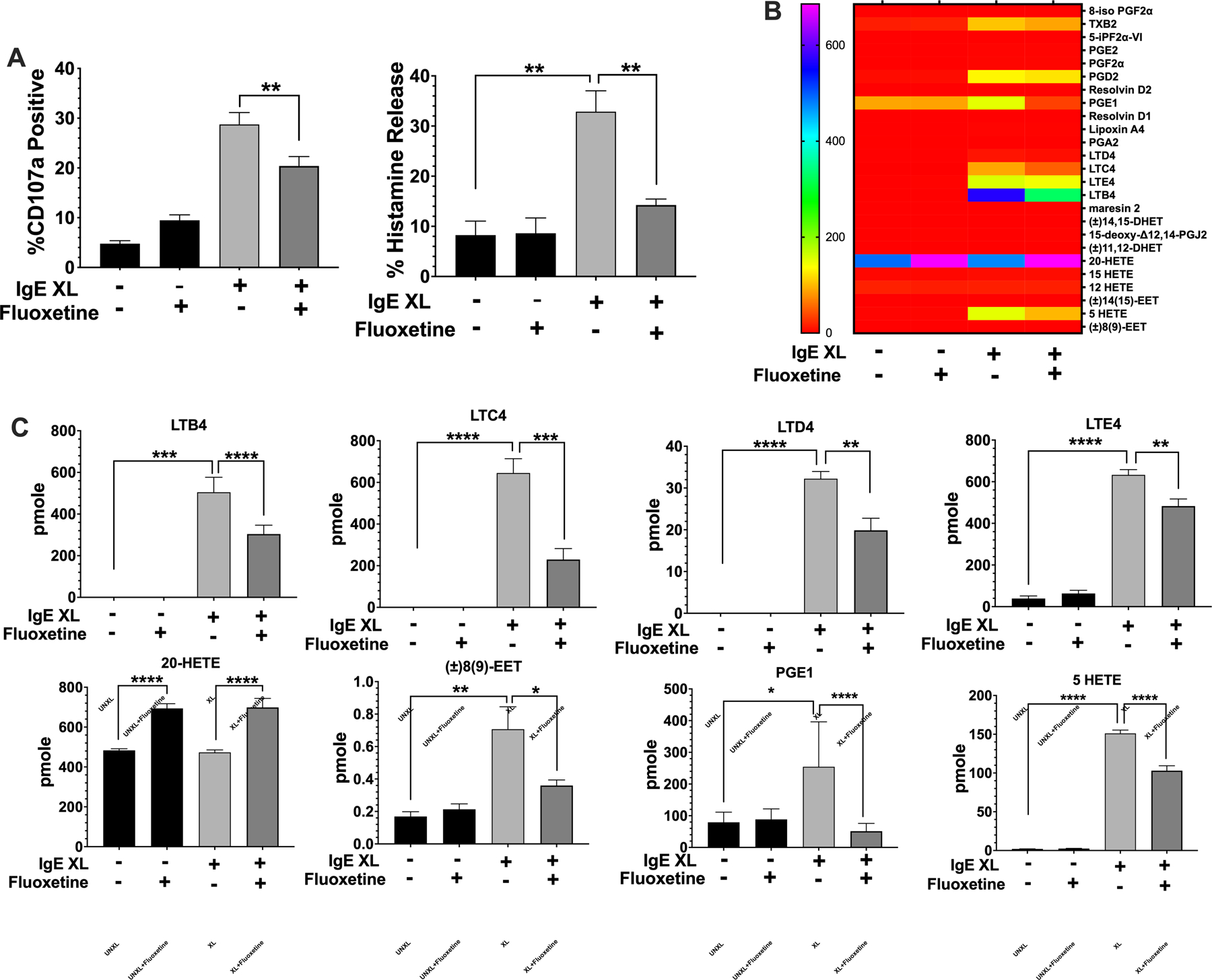
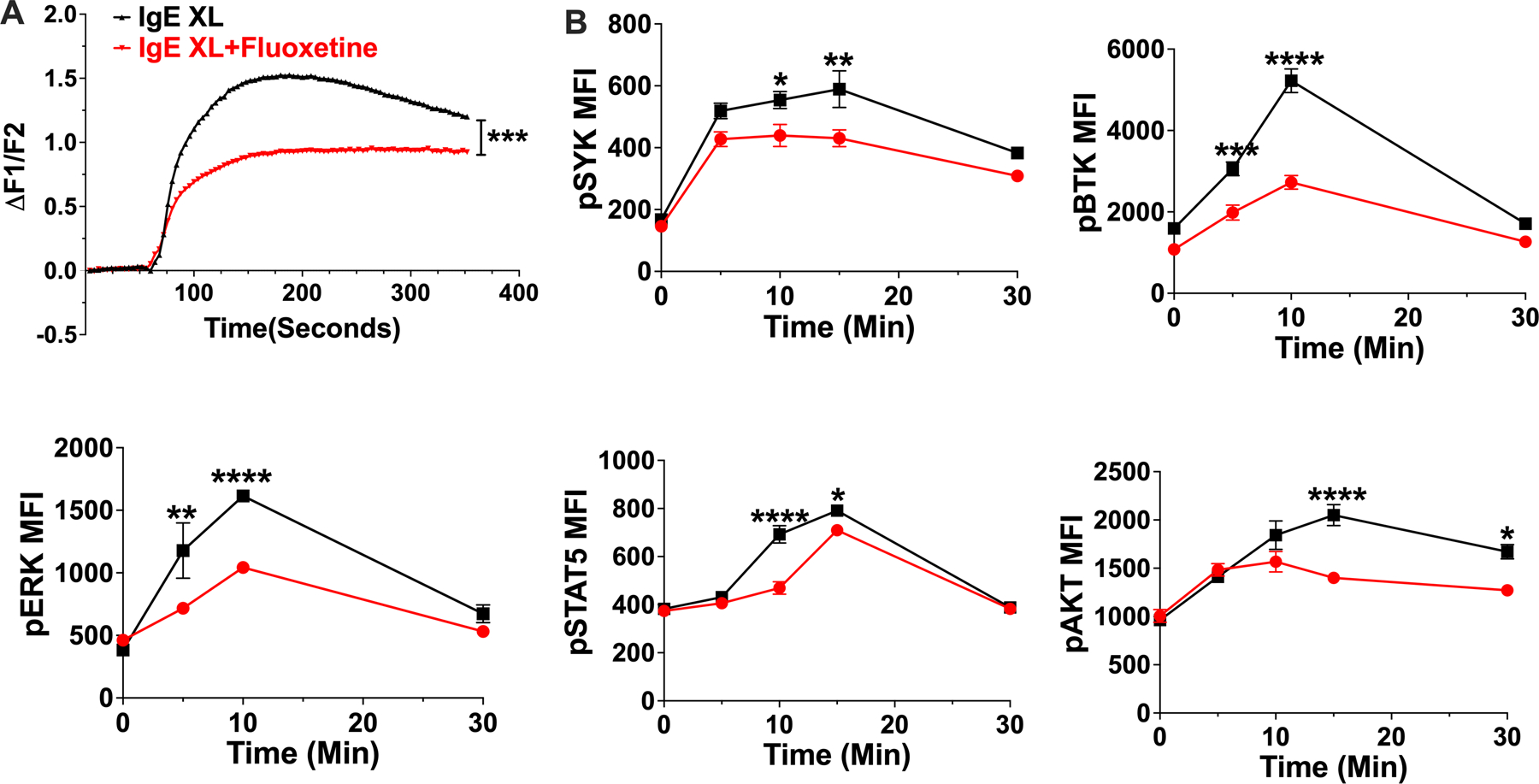
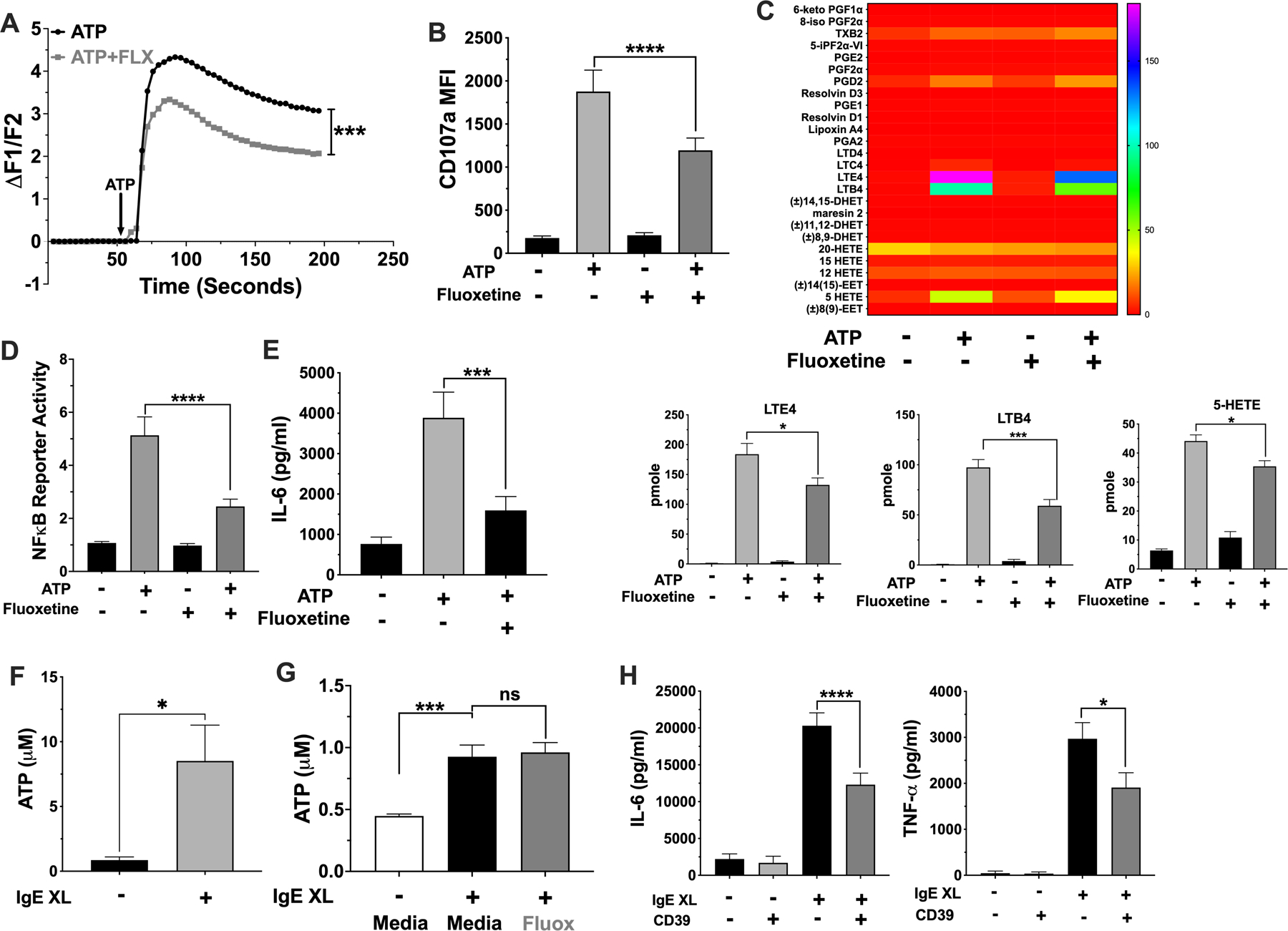
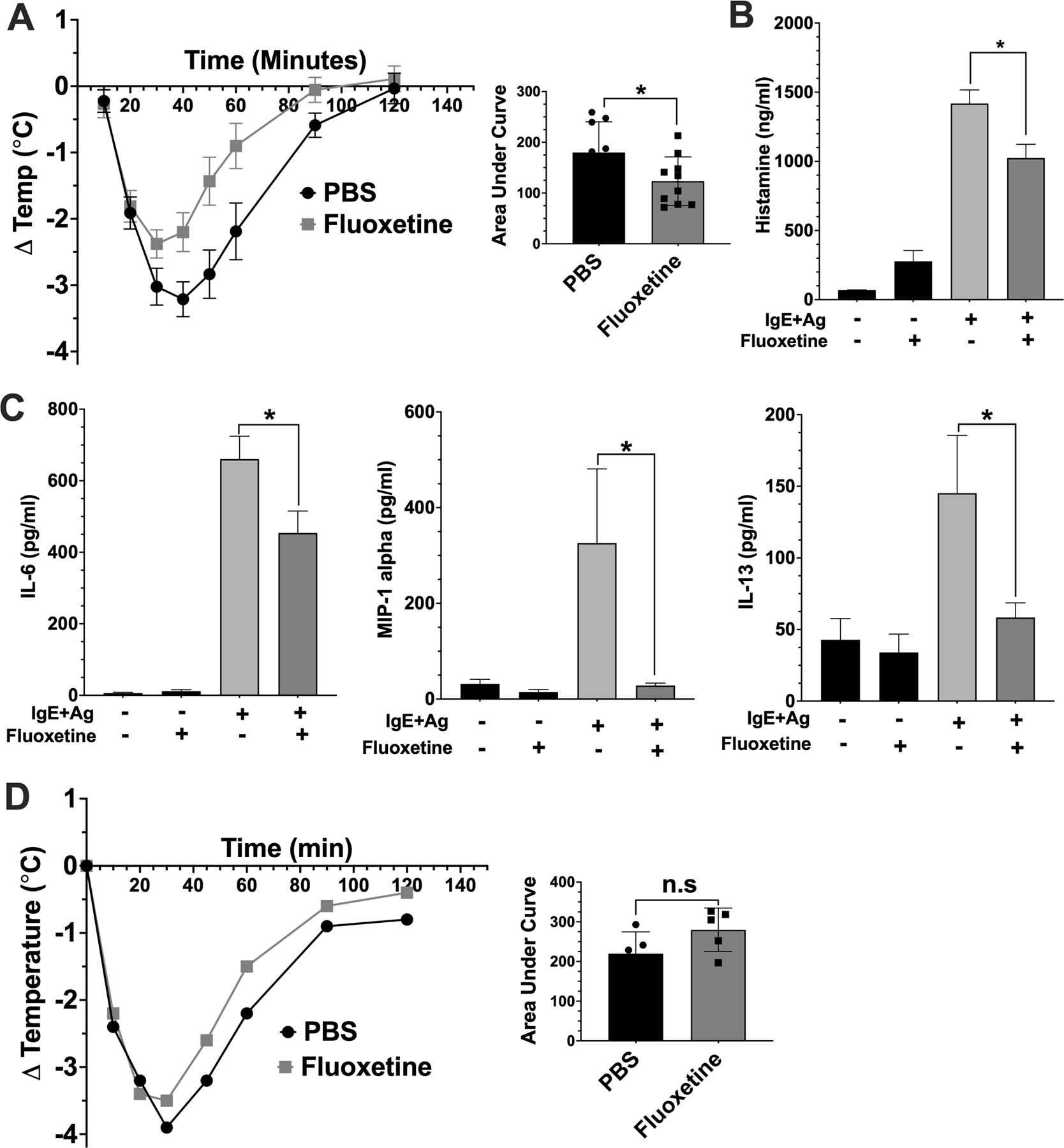
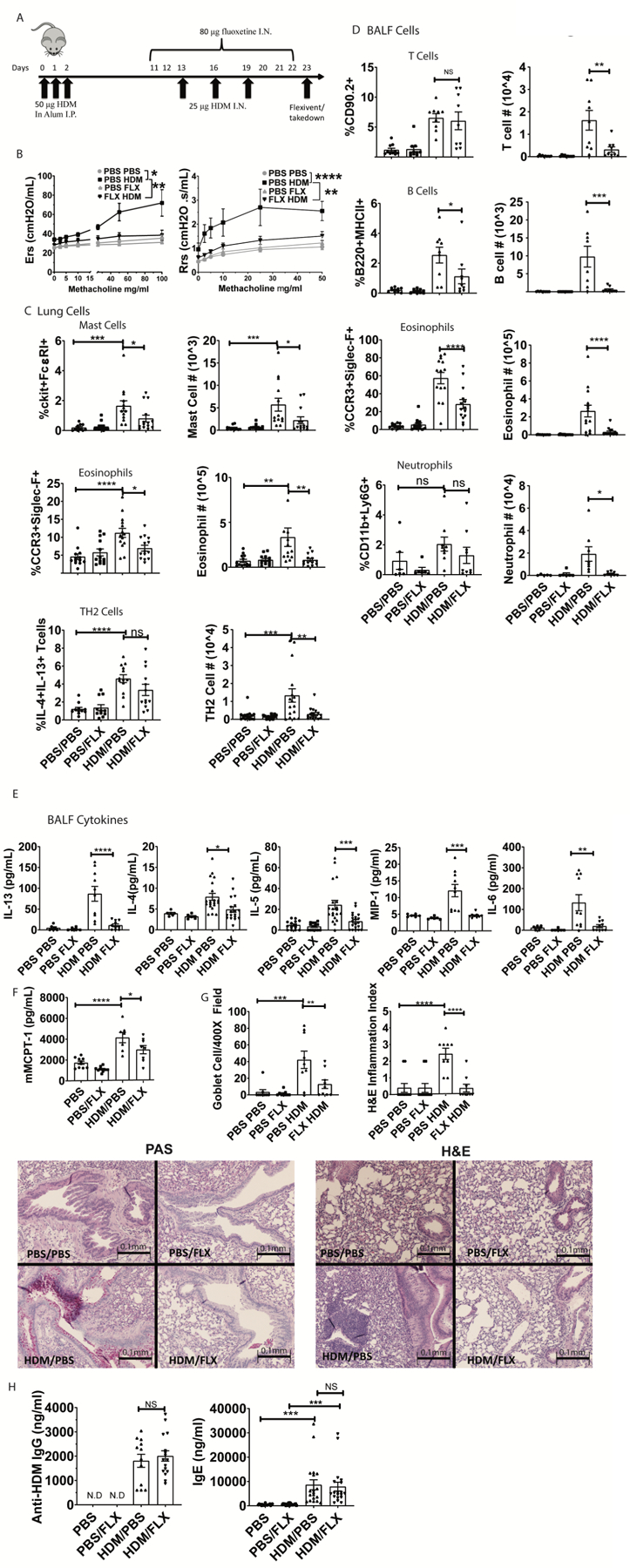
There is a clinical need for new treatment options addressing allergic disease. Selective serotonin reuptake inhibitors (SSRIs) are a class of antidepressants that have anti-inflammatory properties. We tested the effects of the SSRI fluoxetine on IgE-induced function of mast cells, which are critical effectors of allergic inflammation. We showed that fluoxetine treatment of murine or human mast cells reduced IgE-mediated degranulation, cytokine production, and inflammatory lipid secretion, as well as signaling mediated by the mast cell activator ATP. In a mouse model of systemic anaphylaxis, fluoxetine reduced hypothermia and cytokine production. Fluoxetine was also effective in a model of allergic airway inflammation, where it reduced bronchial responsiveness and inflammation. These data show that fluoxetine suppresses mast cell activation by impeding an FcɛRI-ATP positive feedback loop and support the potential repurposing of this SSRI for use in allergic disease.
临床上需要新的治疗方法来治疗过敏疾病。选择性 5-羟色胺再摄取抑制剂(SSRIs)是一类具有抗炎特性的抗抑郁药。我们测试了 SSRI 氟西汀对 IgE 诱导的肥大细胞功能的影响,肥大细胞是过敏炎症的关键效应物。我们发现氟西汀治疗小鼠或人肥大细胞可减少 IgE 介导的脱颗粒、细胞因子产生和炎症脂质分泌,以及肥大细胞激活剂 ATP 介导的信号转导。在全身性过敏反应的小鼠模型中,氟西汀可降低体温过低和细胞因子产生。氟西汀在过敏性气道炎症模型中也有效,可降低气道反应性和炎症。这些数据表明,氟西汀通过阻止 FcɛRI-ATP 正反馈环来抑制肥大细胞激活,支持将这种 SSRI 重新用于治疗过敏疾病。