Lambi Alex G, Harris Michele Y, Amin Mamta, Joiner Patrice G, Hilliard Brendan A, Assari Soroush, Popoff Steven N, Barbe Mary F
Department of Orthopedics and Rehabilitation University of New Mexico Albuquerque NM USA.
Center for Translational Medicine, Lewis Katz School of Medicine Temple University Philadelphia PA USA.
JBMR Plus. 2023 Jun 16;7(9):e10783. doi: 10.1002/jbm4.10783. eCollection 2023 Sep.
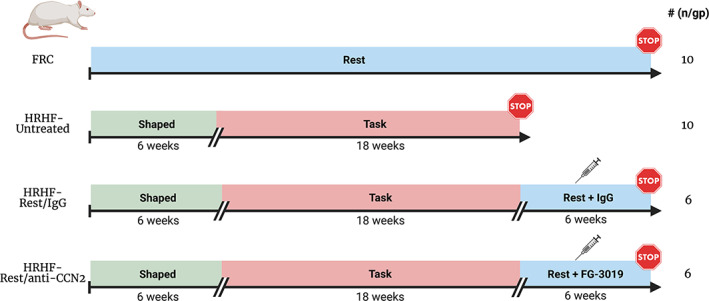
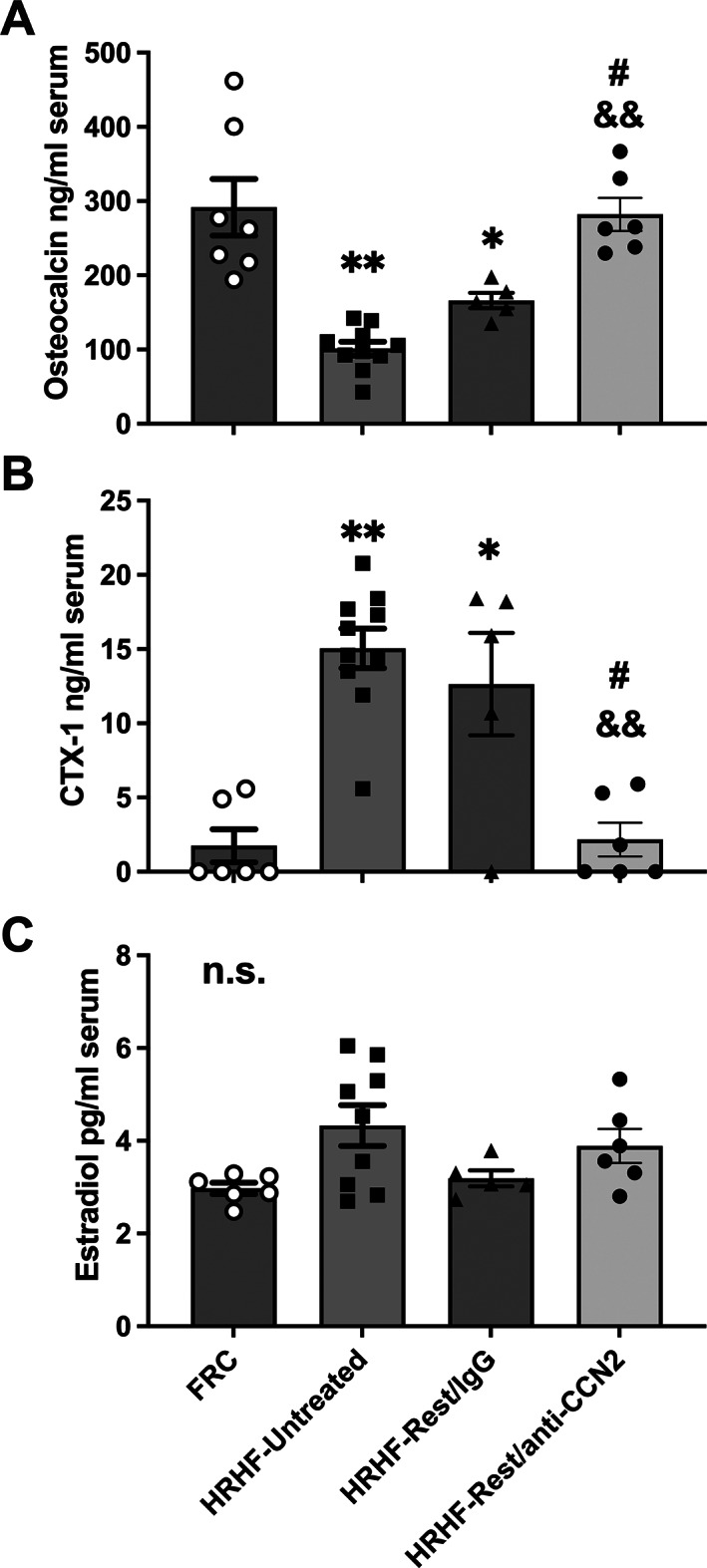
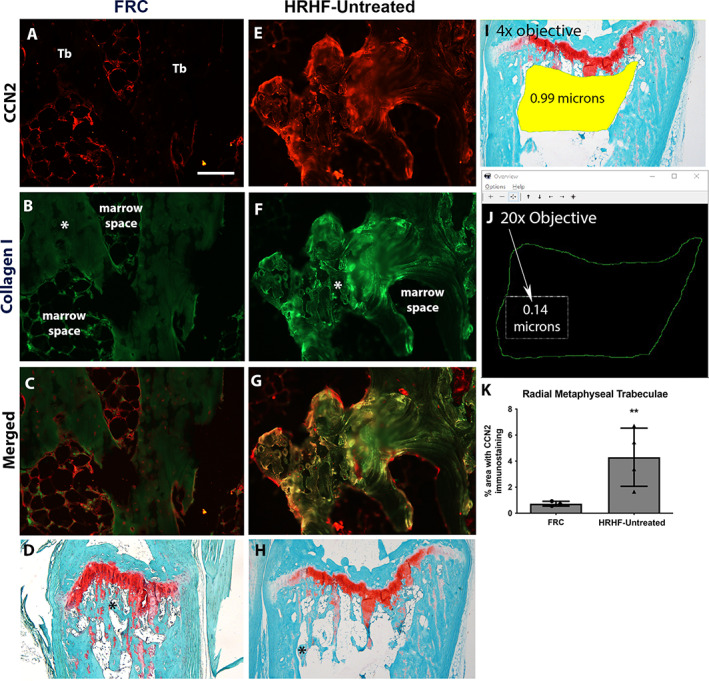
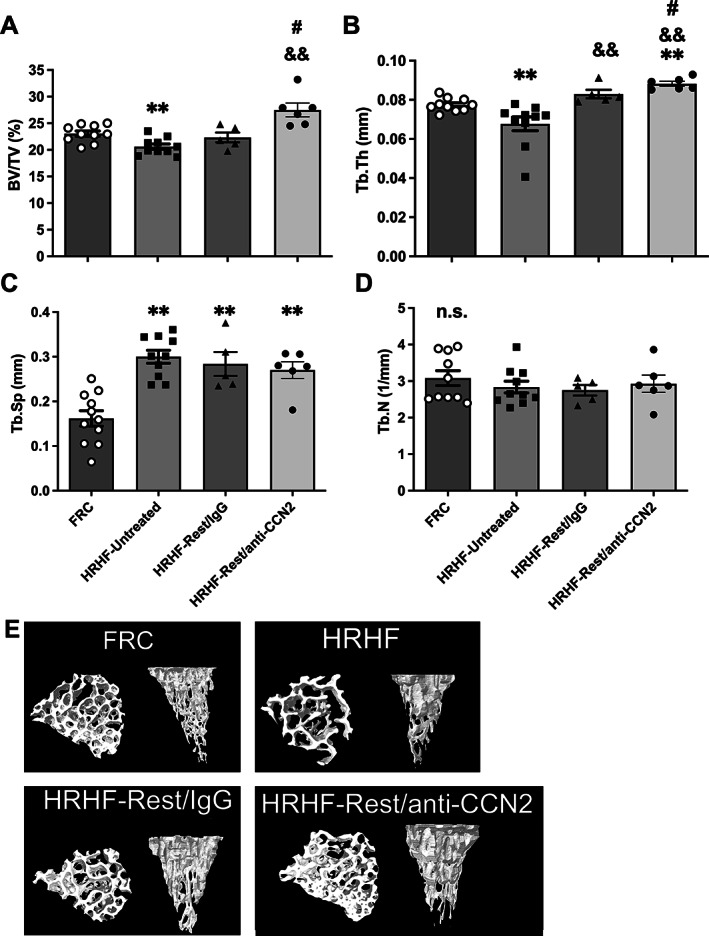
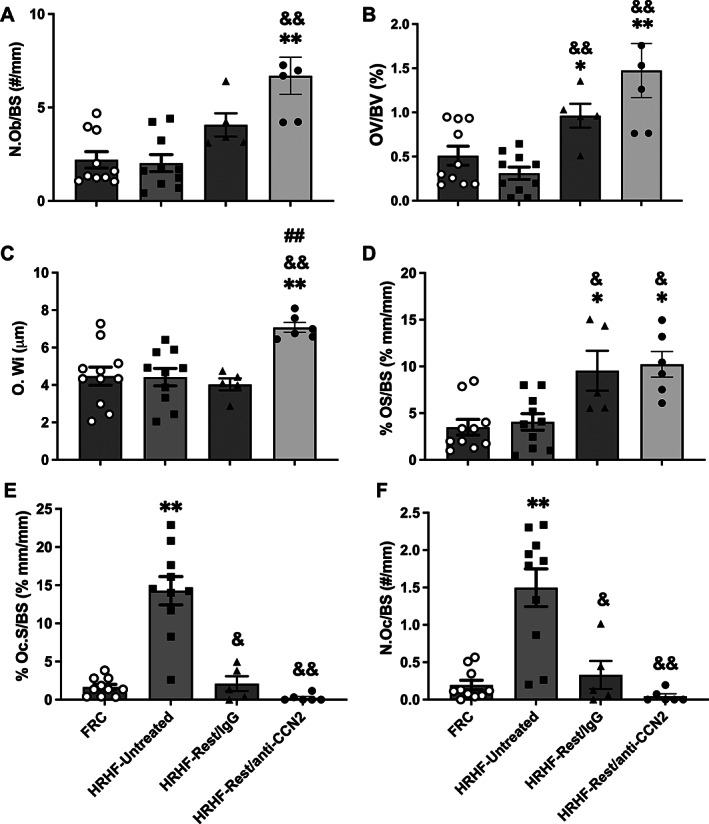
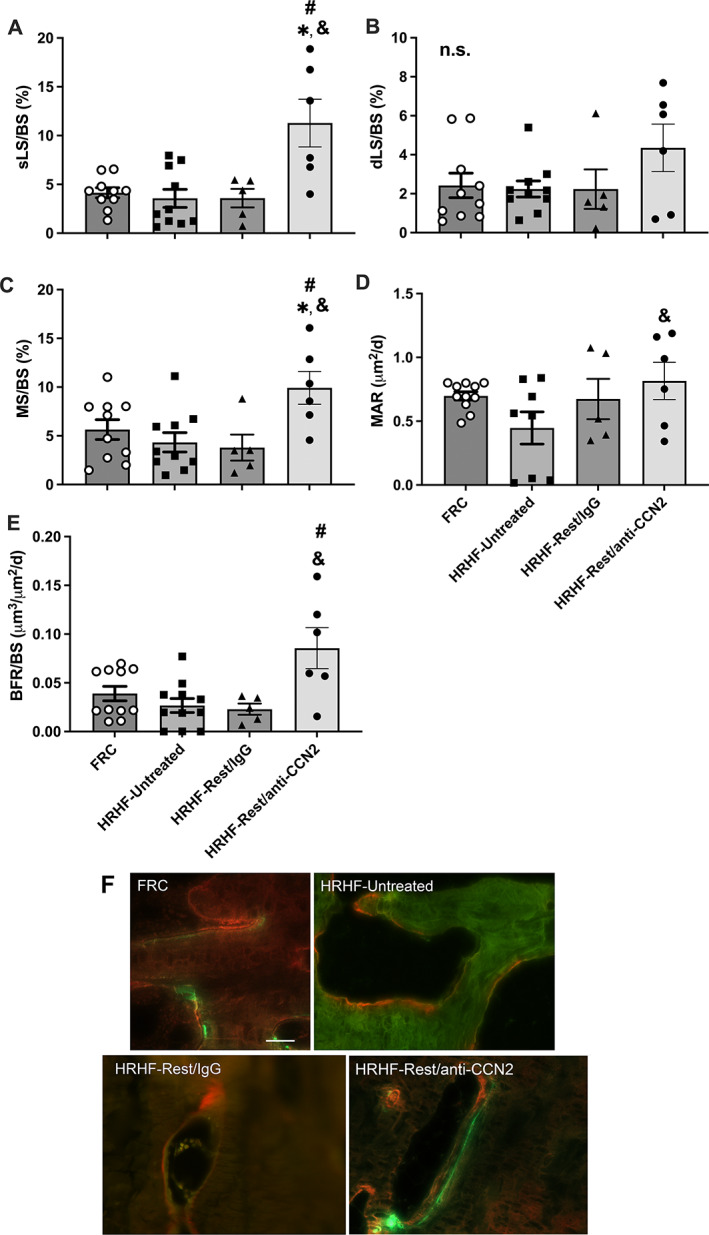
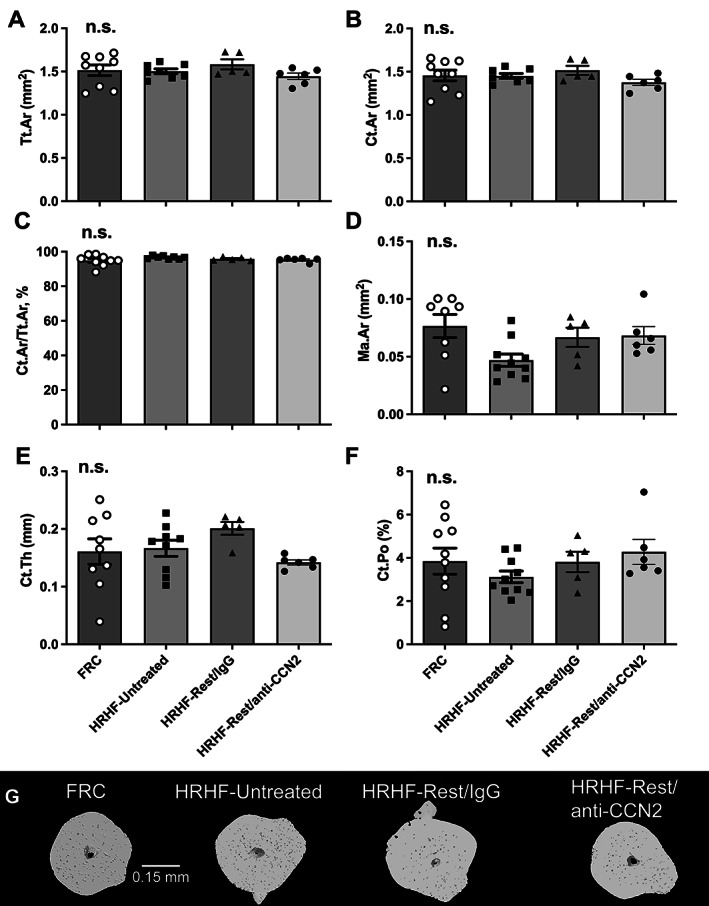
We have an operant model of reaching and grasping in which detrimental bone remodeling is observed rather than beneficial adaptation when rats perform a high-repetition, high-force (HRHF) task long term. Here, adult female Sprague-Dawley rats performed an intense HRHF task for 18 weeks, which we have shown induces radial trabecular bone osteopenia. One cohort was euthanized at this point (to assay the bone changes post task; HRHF-Untreated). Two other cohorts were placed on 6 weeks of rest while being simultaneously treated with either an anti-CCN2 (FG-3019, 40 mg/kg body weight, ip; twice per week; HRHF-Rest/anti-CCN2), or a control IgG (HRHF-Rest/IgG), with the purpose of determining which might improve the trabecular bone decline. Results were compared with food-restricted control rats (FRC). MicroCT analysis of distal metaphysis of radii showed decreased trabecular bone volume fraction (BV/TV) and thickness in HRHF-Untreated rats compared with FRCs; responses improved with HRHF-Rest/anti-CCN2. Rest/IgG also improved trabecular thickness but not BV/TV. Histomorphometry showed that rest with either treatment improved osteoid volume and task-induced increases in osteoclasts. Only the HRHF-Rest/anti-CCN2 treatment improved osteoblast numbers, osteoid width, mineralization, and bone formation rate compared with HRHF-Untreated rats (as well as the latter three attributes compared with HRHF-Rest/IgG rats). Serum ELISA results were in support, showing increased osteocalcin and decreased CTX-1 in HRHF-Rest/anti-CCN2 rats compared with both HRHF-Untreated and HRHF-Rest/IgG rats. These results are highly encouraging for use of anti-CCN2 for therapeutic treatment of bone loss, such as that induced by chronic overuse. © 2023 The Authors. published by Wiley Periodicals LLC on behalf of American Society for Bone and Mineral Research.
我们有一种关于伸手抓取的操作性模型,在该模型中,当大鼠长期执行高重复、高力量(HRHF)任务时,观察到的是有害的骨重塑,而非有益的适应性变化。在此,成年雌性斯普拉格-道利大鼠进行了为期18周的高强度HRHF任务,我们已证明这会导致桡骨小梁骨量减少。此时对一组大鼠实施安乐死(以检测任务后骨骼变化;HRHF-未治疗组)。另外两组大鼠在休息6周的同时,分别接受抗CCN2治疗(FG-3019,40mg/kg体重,腹腔注射;每周两次;HRHF-休息/抗CCN2)或对照IgG治疗(HRHF-休息/IgG),目的是确定哪种治疗可能改善小梁骨量的下降。将结果与食物限制对照大鼠(FRC)进行比较。对桡骨远端干骺端的MicroCT分析显示,与FRC相比,HRHF-未治疗组大鼠的小梁骨体积分数(BV/TV)和厚度降低;HRHF-休息/抗CCN2治疗可改善这些指标。休息/IgG治疗也改善了小梁厚度,但未改善BV/TV。组织形态计量学显示,两种治疗方式的休息均改善了类骨质体积以及任务诱导的破骨细胞增加。与HRHF-未治疗组大鼠相比,只有HRHF-休息/抗CCN2治疗改善了成骨细胞数量、类骨质宽度、矿化和骨形成率(与HRHF-休息/IgG组大鼠相比,还改善了后三个指标)。血清ELISA结果也支持这一结论,显示与HRHF-未治疗组和HRHF-休息/IgG组大鼠相比,HRHF-休息/抗CCN2组大鼠的骨钙素增加,CTX-1降低。这些结果对于使用抗CCN2治疗骨质流失(如慢性过度使用引起的骨质流失)非常鼓舞人心。©2023作者。由Wiley Periodicals LLC代表美国骨与矿物质研究学会出版。