Division of Clinical Pharmacology, Cincinnati Children's Hospital Medical Center, College of Medicine, University of Cincinnati, 3333 Burnet Avenue, MLC 6018, Cincinnati, OH 45229, USA; Division of Research in Patient Services, Cincinnati Children's Hospital Medical Center, College of Medicine, University of Cincinnati, 3333 Burnet Avenue, MLC 6018, Cincinnati, OH 45229, USA; Department of Pediatrics, University of Cincinnati College of Medicine, 3333 Burnet Avenue, MLC 9016, Cincinnati, OH 45529, USA.
Division of Human Genetics, Department of Pediatrics and Center for Professional Excellence, Patient Services, Cincinnati Children's Hospital Medical Center, College of Medicine, University of Cincinnati, 3333 Burnet Avenue, MLC 6018, Cincinnati, OH 45229, USA.
Pediatr Clin North Am. 2023 Oct;70(5):995-1011. doi: 10.1016/j.pcl.2023.05.010. Epub 2023 Jul 3.
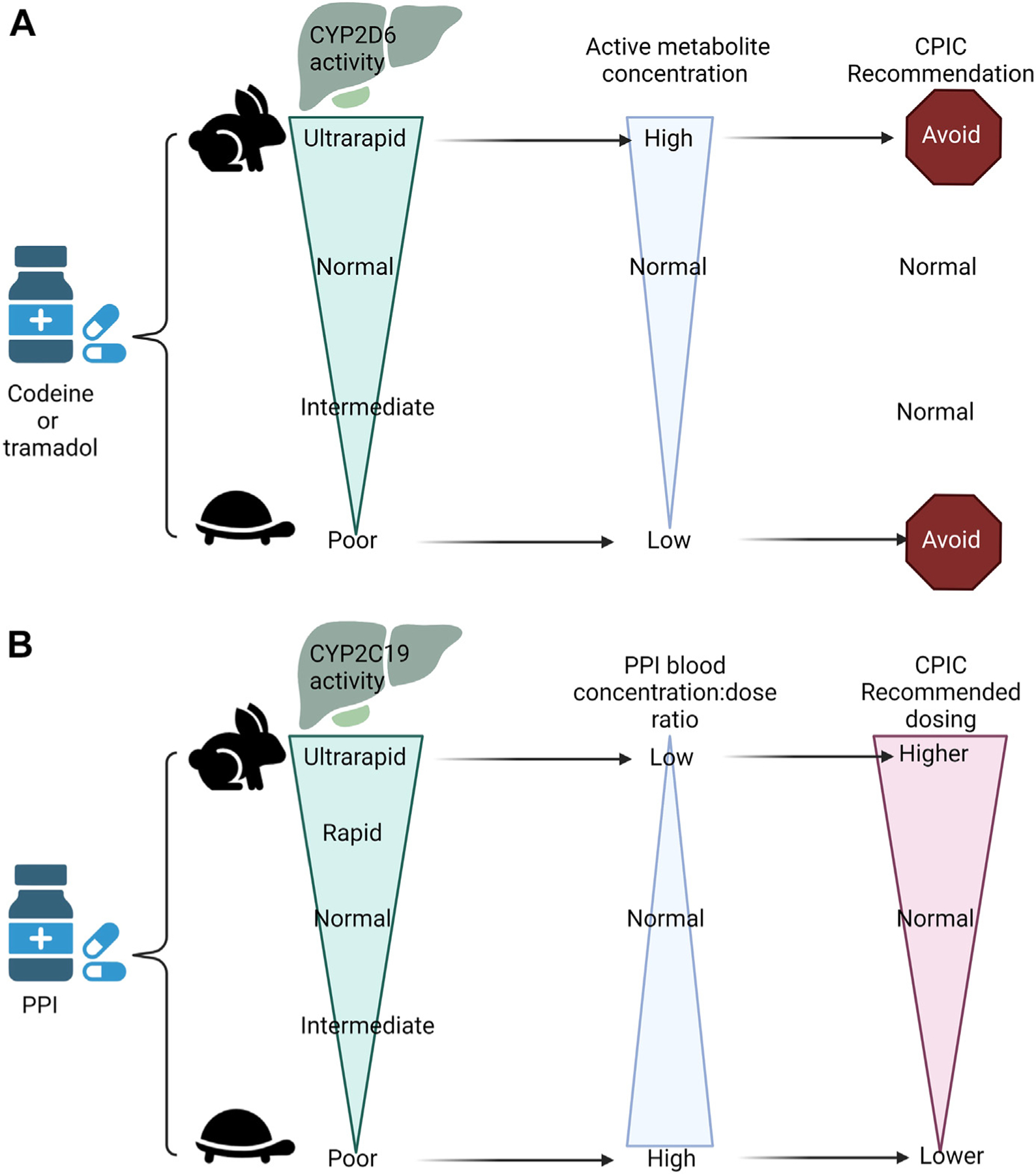
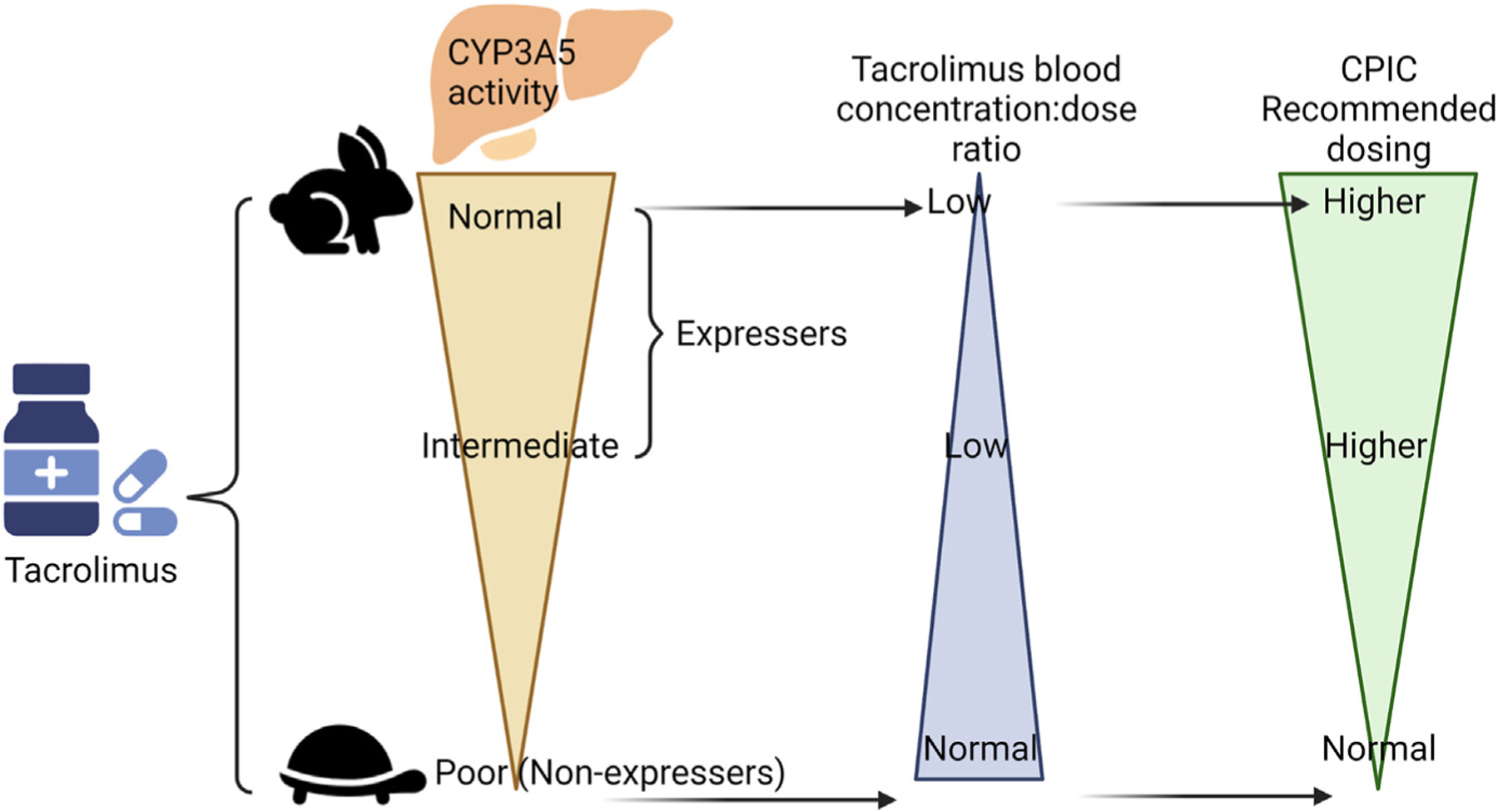
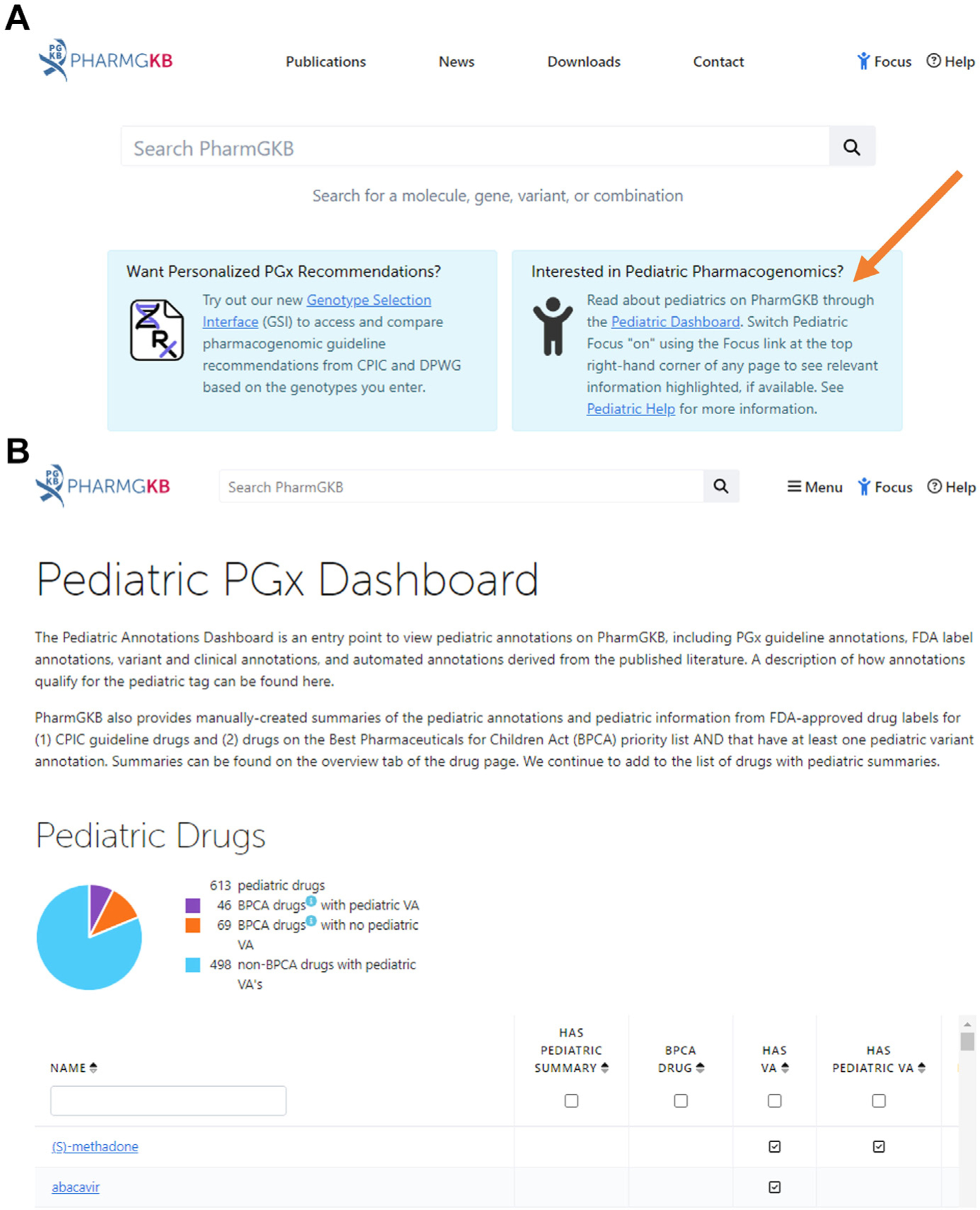
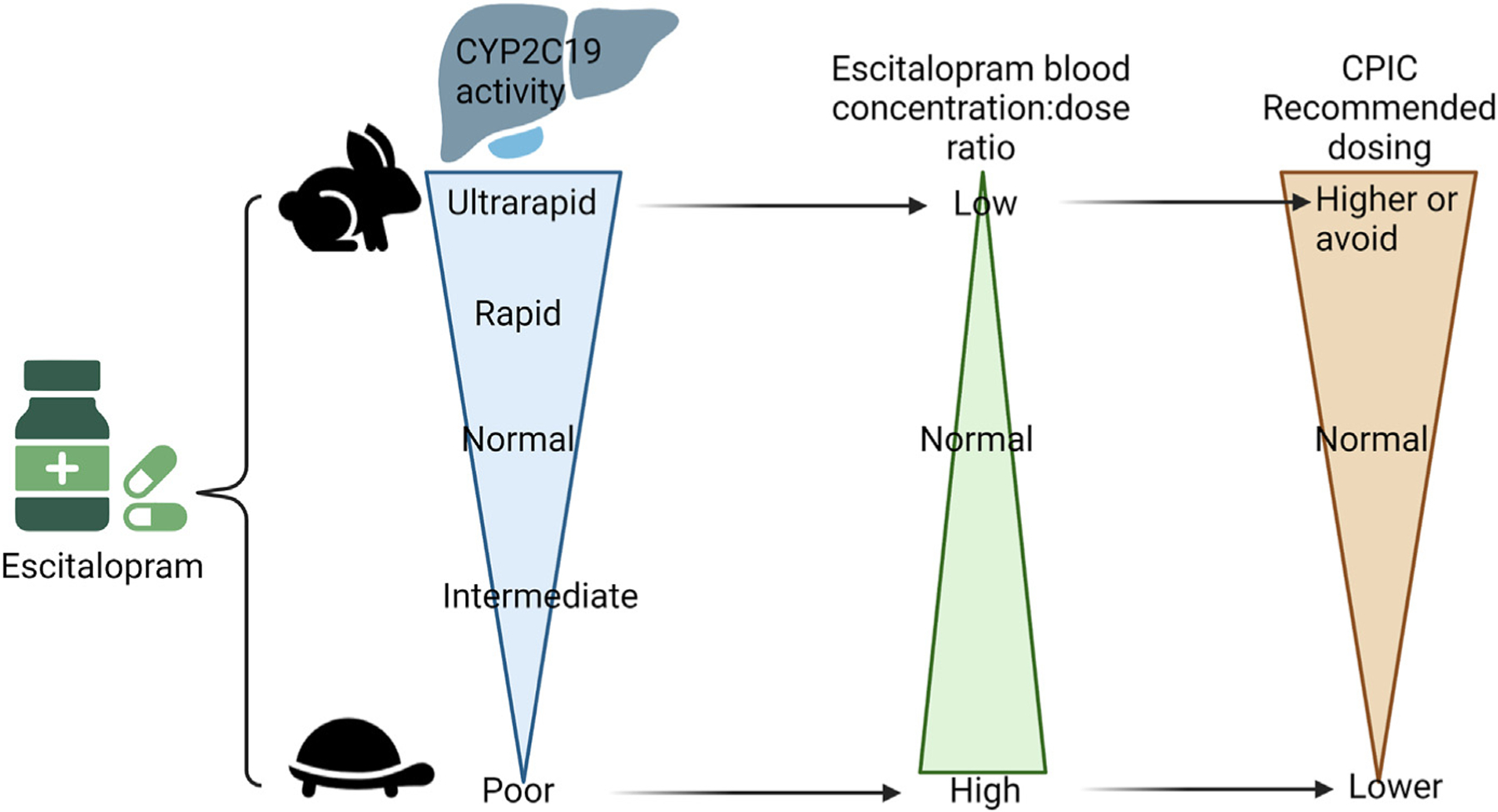
Pharmacogenomics, where genomic information is used to tailor medication management, is a strategy to maximize drug efficacy and minimize toxicity. Although pediatric evidence is less robust than for adults, medications influenced by pharmacogenomics are prescribed to children and adolescents. Evidence-based guidelines and drug label annotations are available from the Clinical Pharmacogenetics Implementation Consortium (CPIC) and the Pharmacogenomics Knowledgebase (PharmGKB). Some pediatric health care facilities use pharmacogenomics to provide dosing recommendations to pediatricians. Herein, we use a case-based approach to illustrate the use of pharmacogenomic data in pediatric clinical care and provide resources for finding and using pharmacogenomic guidelines.
药物基因组学利用基因组信息来定制药物管理,是一种最大化药物疗效和最小化毒性的策略。尽管儿科证据不如成人证据充分,但受药物基因组学影响的药物仍被开给儿童和青少年。临床药物基因组学实施联盟 (CPIC) 和药物基因组学知识库 (PharmGKB) 提供了基于证据的指南和药物标签注释。一些儿科医疗机构使用药物基因组学为儿科医生提供剂量建议。在这里,我们使用基于案例的方法来说明药物基因组学数据在儿科临床护理中的应用,并提供寻找和使用药物基因组学指南的资源。