Zoghi Pouyan, Mafigholami Roya
Department of Environment, West Tehran Branch, Islamic Azad University, Tehran, Iran.
Sci Rep. 2023 Sep 19;13(1):15457. doi: 10.1038/s41598-023-42777-9.
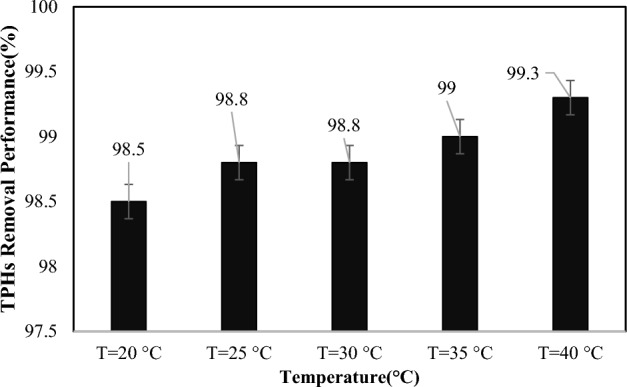
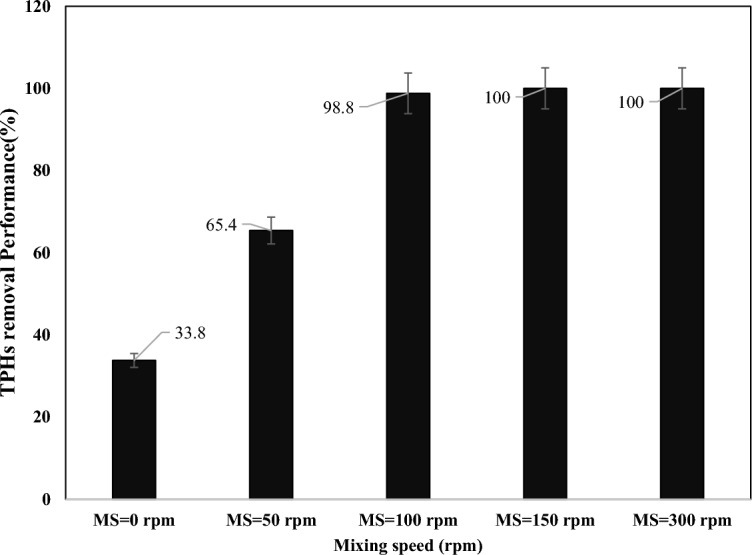
Total petroleum hydrocarbons (TPHs), which are often found in soil, water, sediments, and air. These compounds are a type of pollutant that can have a serious negative impact on living things and human health. Soil washing method is a remediation technique used to remove contaminants from the soil. This process involves the use of water or other solvents to extract contaminants from the soil, followed by separation and disposal of the contaminated solution. This research engineered the effectiveness of soil washing method to remove TPHs from a genuine, sullied soil sample. After analyzing the physical and chemical properties of the soil, the Box-Benken Design (BBD) technique was used to optimize the variables that influence the process's effectiveness. A quadratic model was suggested based on the BBD design, correlation coefficients, and other factors. The minimum, maximum and mean removal of TPHs during the stages of the study were 63.5, 94.5 and 76.7%, respectively. The correlation between the variables was strong, as shown by the analysis of variance (ANOVA), F-value (1064.5) and P-value (0.0001), and the proposed model was highly significant. The most effective soil washing method (SWM) was obtained with pH 7.8, liquid to solid ratio 50:1, reaction time 52 min, surfactant concentration 7.9 mg kg, and three washings. A removal rate of 98.8% was accomplished for TPHs from the soil in this context. The kinetic results indicate that the kinetic of TPHs removal follows the first-order kinetics (R = 0.96). There was not a major difference in the process's efficiency based on temperature. The removal efficiency heightened from 0 to 150 rpm and then remained steady. Introducing air flow increased the rate of removal, and the combination of ultrasonic waves with the reaction environment increased the process efficiency and decreased the time for the process and the amount of times it needed to be washed. An analysis of the washed soil both physically and chemically revealed a substantial decrease in the concentration of other elements.
总石油烃(TPHs)常见于土壤、水、沉积物和空气中。这些化合物是一种污染物,会对生物和人类健康产生严重负面影响。土壤冲洗法是一种用于从土壤中去除污染物的修复技术。该过程包括使用水或其他溶剂从土壤中提取污染物,然后分离和处理受污染的溶液。本研究设计了土壤冲洗法从真实污染土壤样品中去除TPHs的有效性。在分析土壤的物理和化学性质后,采用Box - Benken设计(BBD)技术优化影响该过程有效性的变量。基于BBD设计、相关系数和其他因素提出了一个二次模型。研究阶段TPHs的最小、最大和平均去除率分别为63.5%、94.5%和76.7%。方差分析(ANOVA)、F值(1064.5)和P值(0.0001)表明变量之间的相关性很强,所提出的模型具有高度显著性。在pH值为7.8、液固比为50:1、反应时间为52分钟、表面活性剂浓度为7.9毫克/千克且冲洗三次的条件下,获得了最有效的土壤冲洗方法(SWM)。在此情况下,土壤中TPHs的去除率达到了98.8%。动力学结果表明,TPHs的去除动力学遵循一级动力学(R = 0.96)。基于温度,该过程的效率没有显著差异。去除效率从0提高到150转/分钟,然后保持稳定。引入气流提高了去除速率,超声波与反应环境的结合提高了过程效率,减少了过程所需时间和冲洗次数。对冲洗后土壤的物理和化学分析表明,其他元素的浓度大幅降低。