Department of Obstetrics and Gynecology, Stanford University School of Medicine, 240 Pasteur Drive, Stanford, CA, 94305, USA.
Stanford Maternal & Child Health Research Institute, Stanford University School of Medicine, Stanford, CA, USA.
Reprod Sci. 2024 Feb;31(2):505-513. doi: 10.1007/s43032-023-01350-5. Epub 2023 Sep 19.
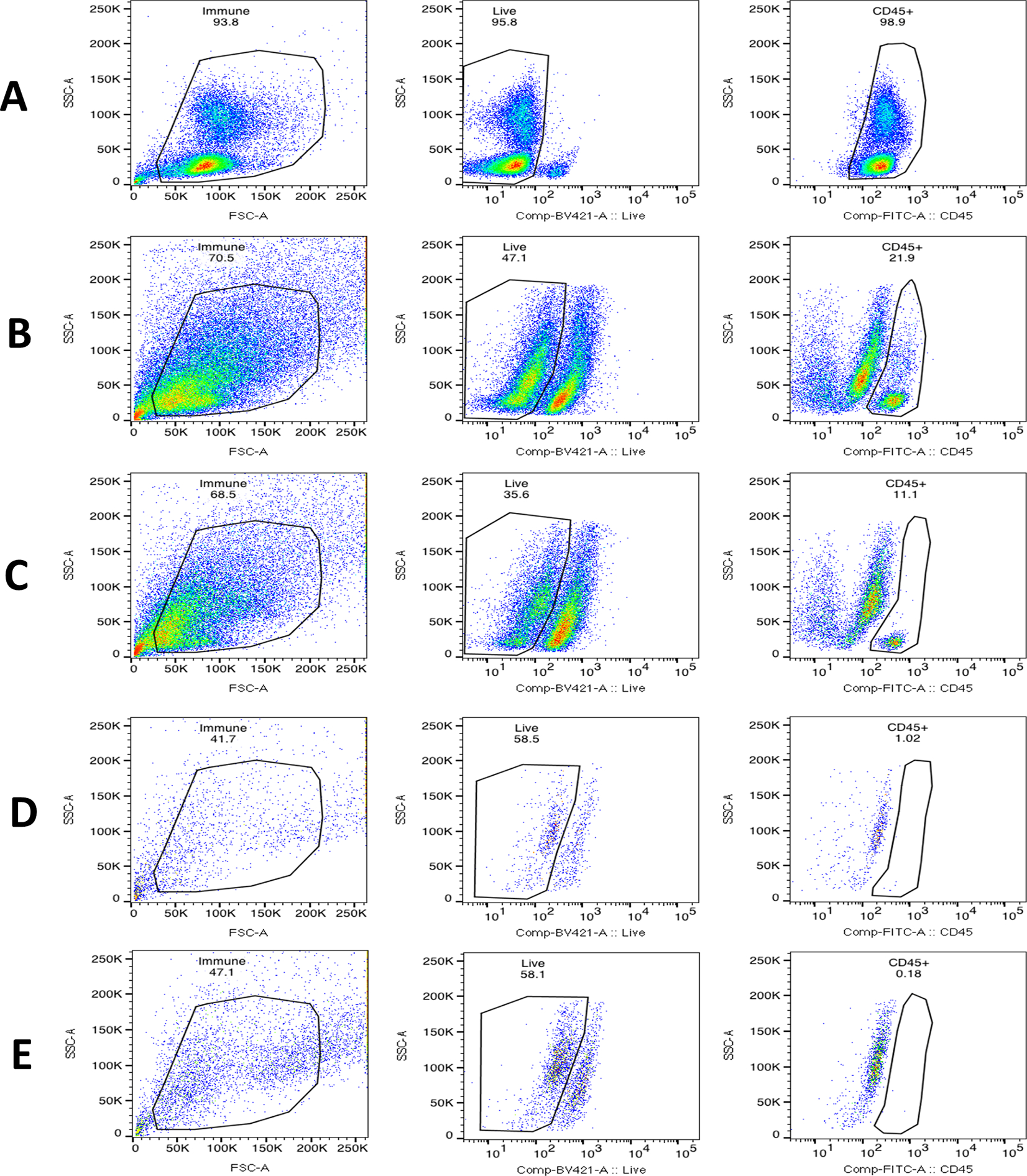
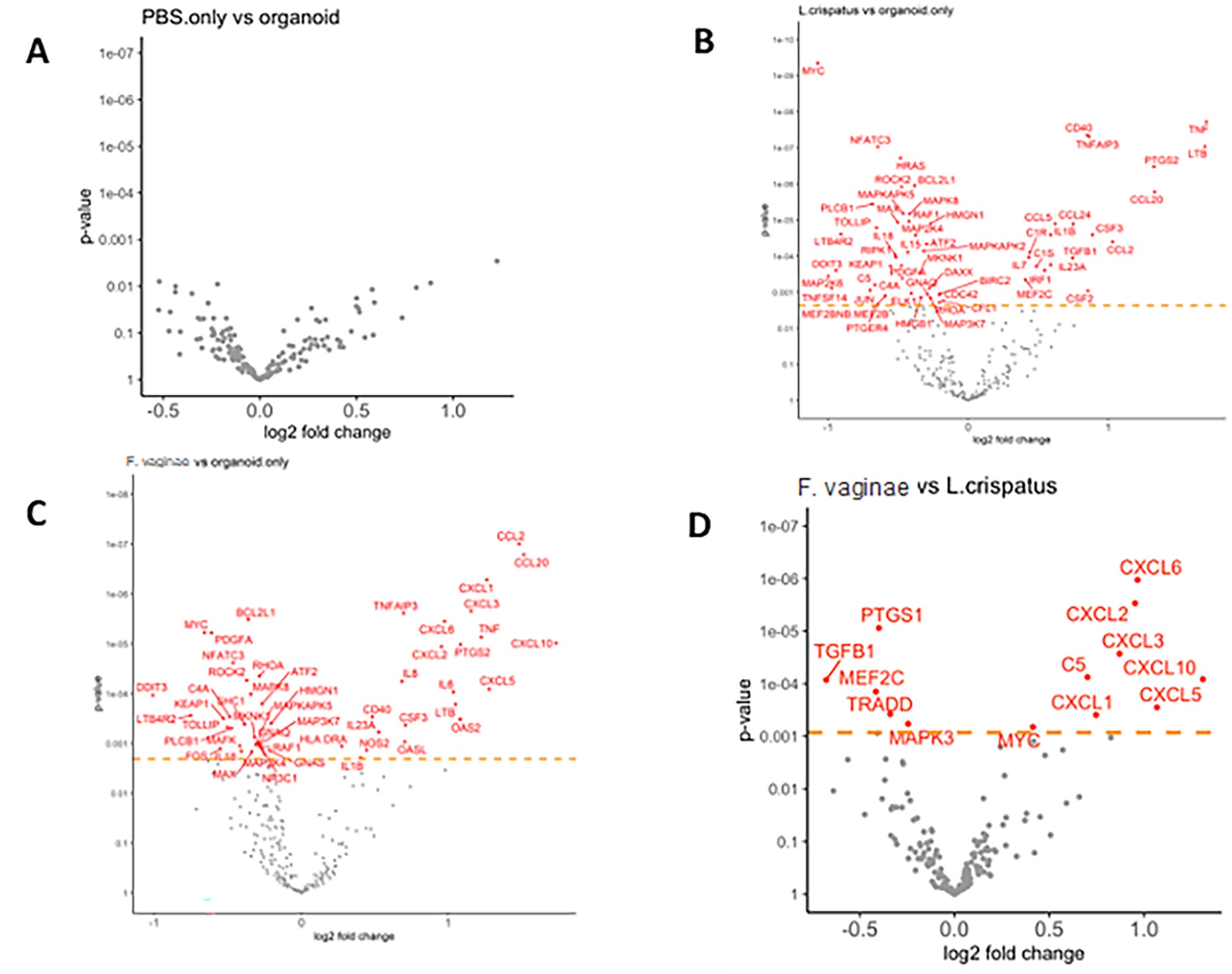
To facilitate in vitro mechanistic studies in pelvic inflammatory disease and subsequent tubal factor infertility, we sought to establish patient tissue derived fallopian tube (FT) organoids and to study their inflammatory response to acute vaginal bacterial infection. FT tissues were obtained from four patients after salpingectomy for benign gynecological diseases. We introduced acute infection in the FT organoid culture system by inoculating the organoid culture media with two common vaginal bacterial species, Lactobacillus crispatus and Fannyhessea vaginae. The inflammatory response elicited in the organoids after acute bacterial infection was analyzed by the expression profile of 249 inflammatory genes. Compared to the negative controls that were not cultured with any bacteria, the organoids cultured with either bacterial species showed multiple differentially expressed inflammatory genes. Marked differences were noted between the Lactobacillus crispatus infected organoids and those infected by Fannyhessea vaginae. Genes from the C-X-C motif chemokine ligand (CXCL) family were highly upregulated in Fannyhessea vaginae infected organoids. Flow cytometry showed that immune cells quickly disappeared during the organoid culture, indicating the inflammatory response observed with bacterial culture was generated by the epithelial cells in the organoids. In summary, we have shown that patient tissue derived FT organoids respond to acute bacterial infection with upregulation of inflammatory genes specific to different vaginal bacterial species. FT organoids is a useful in vitro model system to study the host-pathogen interaction during bacterial infection.
为了促进盆腔炎和随后的输卵管因素不孕的体外机制研究,我们试图建立患者组织来源的输卵管(FT)类器官,并研究它们对急性阴道细菌感染的炎症反应。FT 组织取自因良性妇科疾病接受输卵管切除术的四位患者。我们通过将两种常见阴道细菌(乳酸杆菌和 Fannyhessea vaginae)接种到 FT 类器官培养物中,在 FT 类器官培养物中引入急性感染。在急性细菌感染后,通过 249 个炎症基因的表达谱分析类器官中的炎症反应。与未用任何细菌培养的阴性对照相比,用任何一种细菌培养的类器官均显示出多个差异表达的炎症基因。在乳酸杆菌感染的类器官和 Fannyhessea vaginae 感染的类器官之间观察到明显的差异。趋化因子(CXCL)家族的基因在 Fannyhessea vaginae 感染的类器官中高度上调。流式细胞术显示,免疫细胞在类器官培养过程中迅速消失,表明细菌培养中观察到的炎症反应是由类器官中的上皮细胞产生的。总之,我们已经表明,源自患者组织的 FT 类器官对急性细菌感染的反应是不同阴道细菌物种特异性的炎症基因上调。FT 类器官是研究细菌感染过程中宿主-病原体相互作用的有用体外模型系统。