Cancer Biology and Inflammatory Disorder Division, CSIR-Indian Institute of Chemical Biology, Jadavpur, Kolkata 700032, India.
Department of Food and Nutrition, University of Kalyani, CSIR-Indian Institute of Chemical Biology, Jadavpur, Kolkata 700032, India.
Biosci Rep. 2023 Oct 31;43(10). doi: 10.1042/BSR20230128.
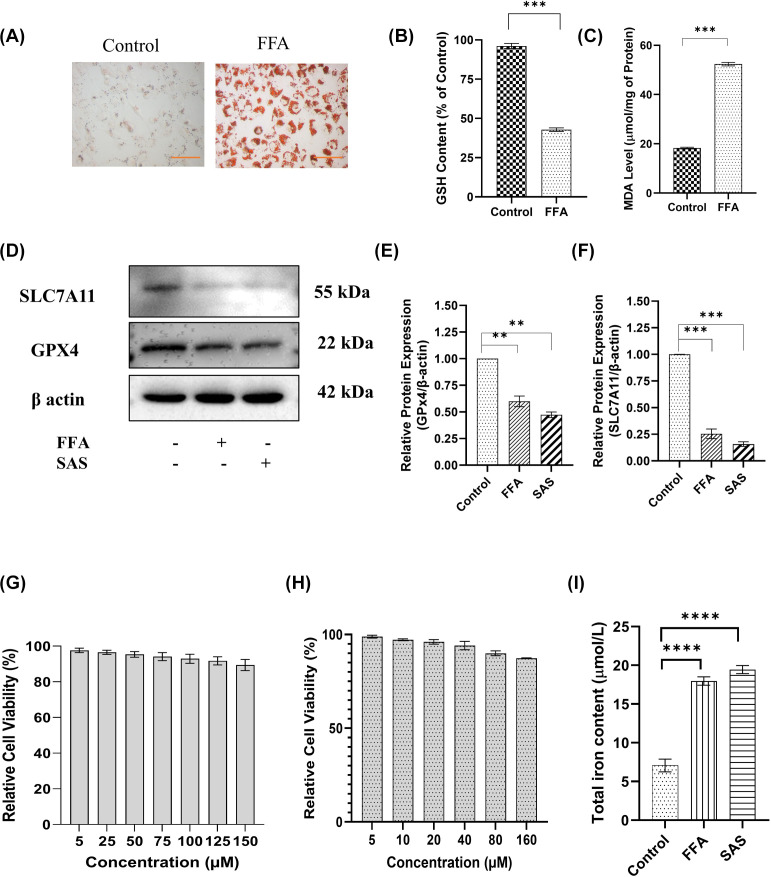
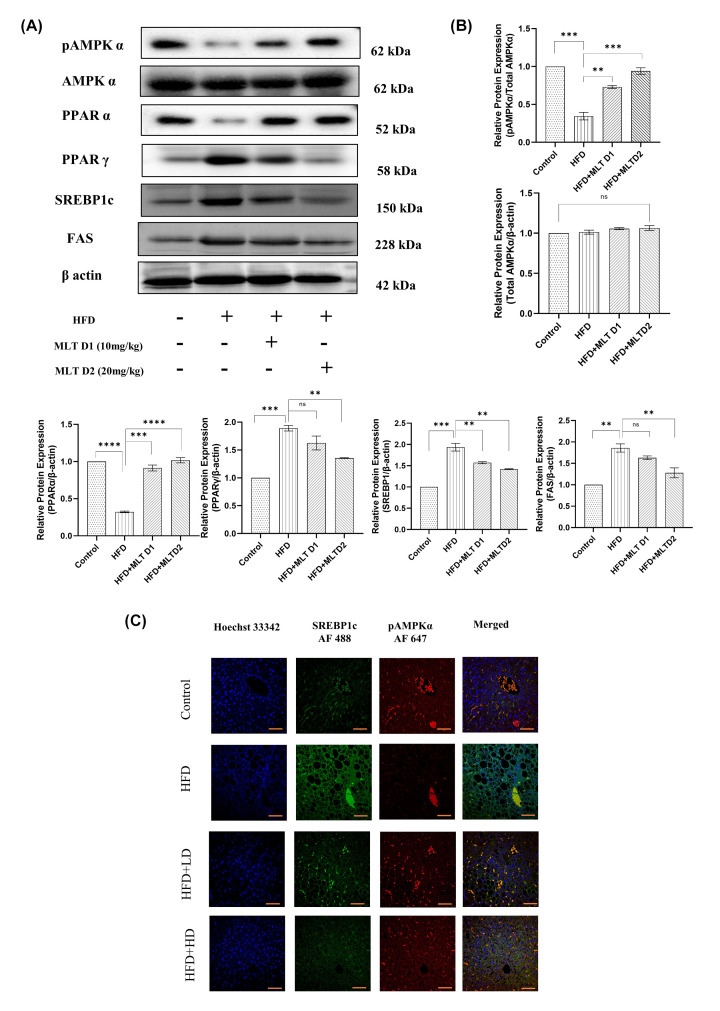
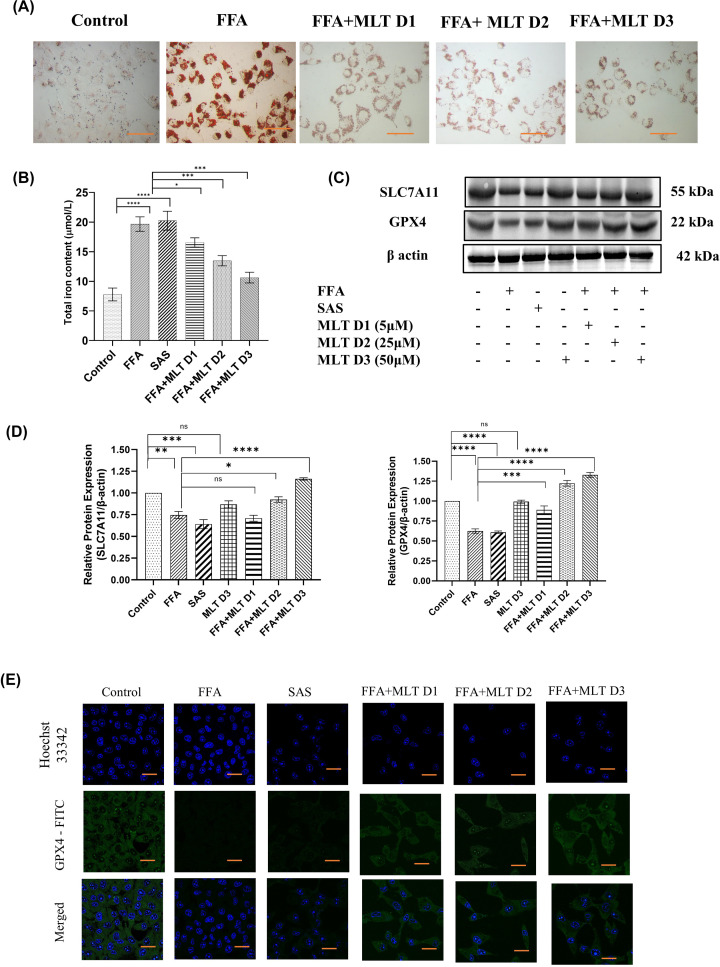
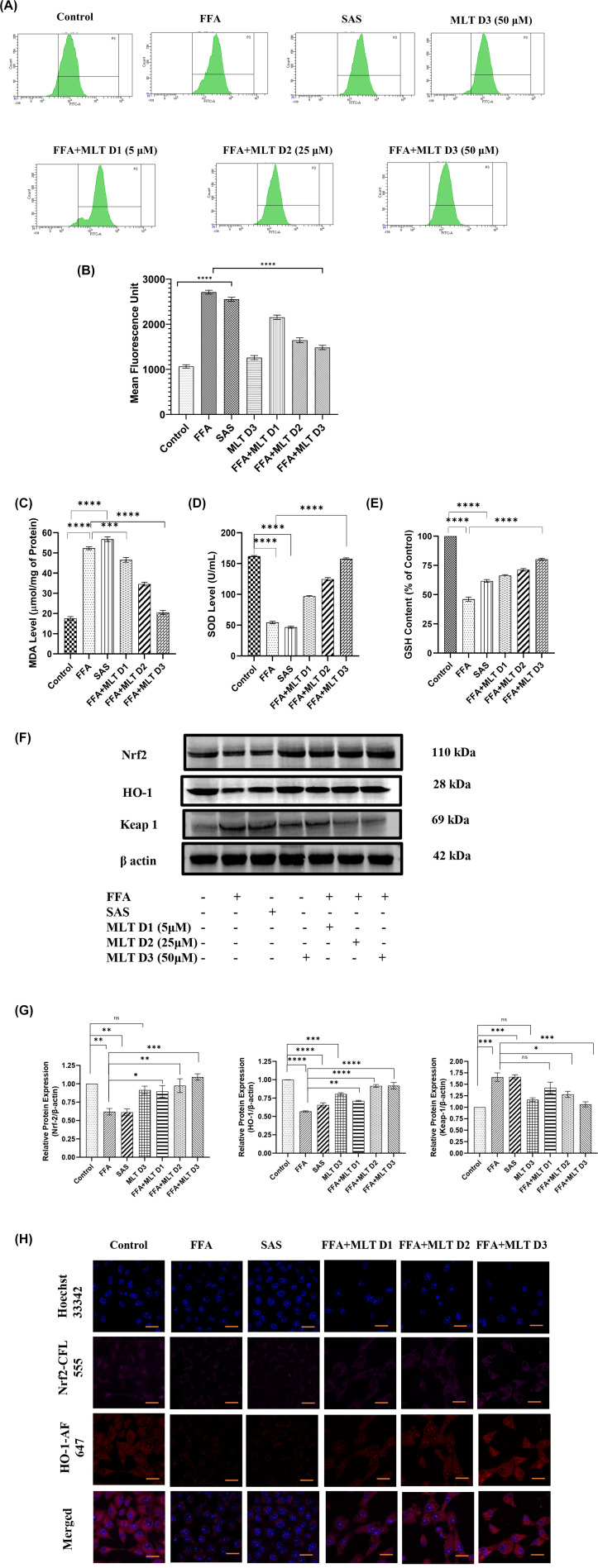
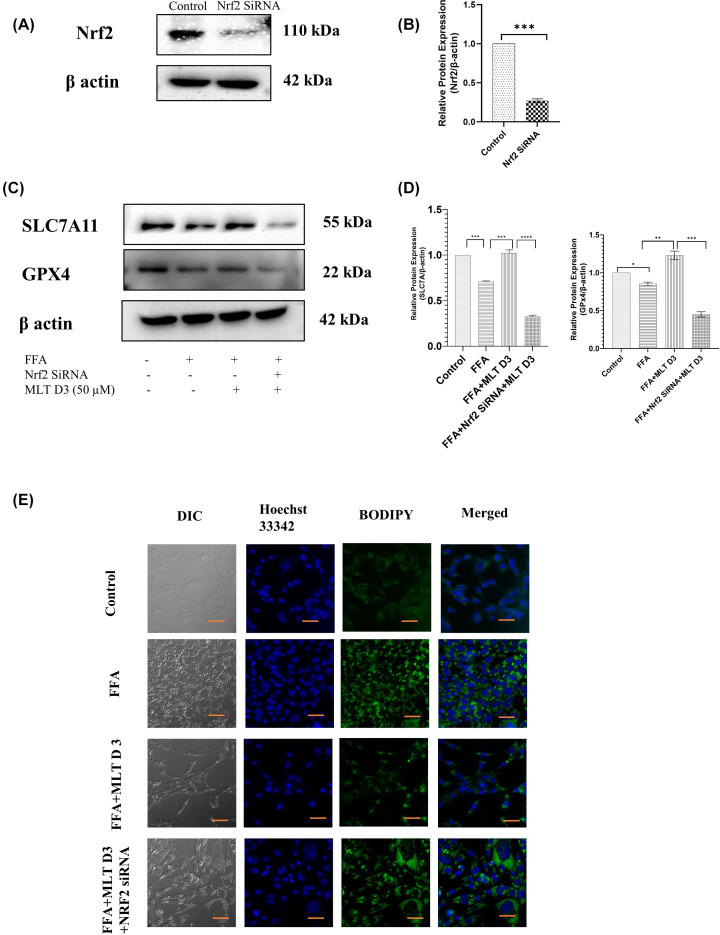
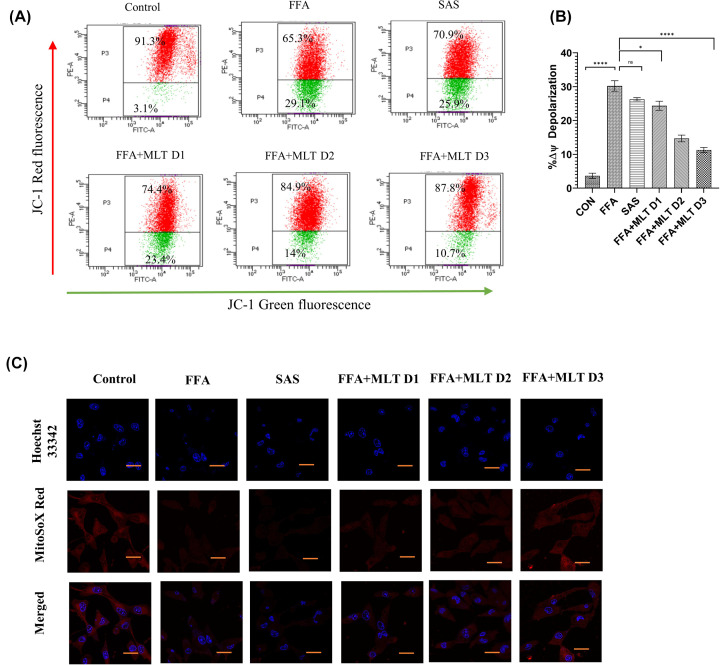
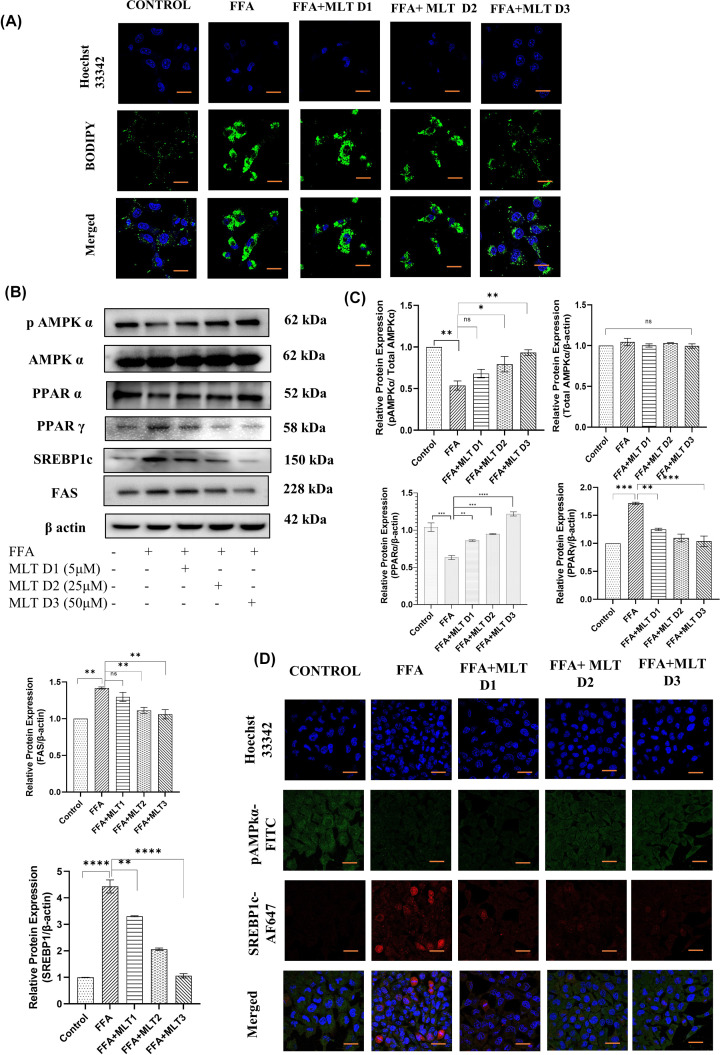
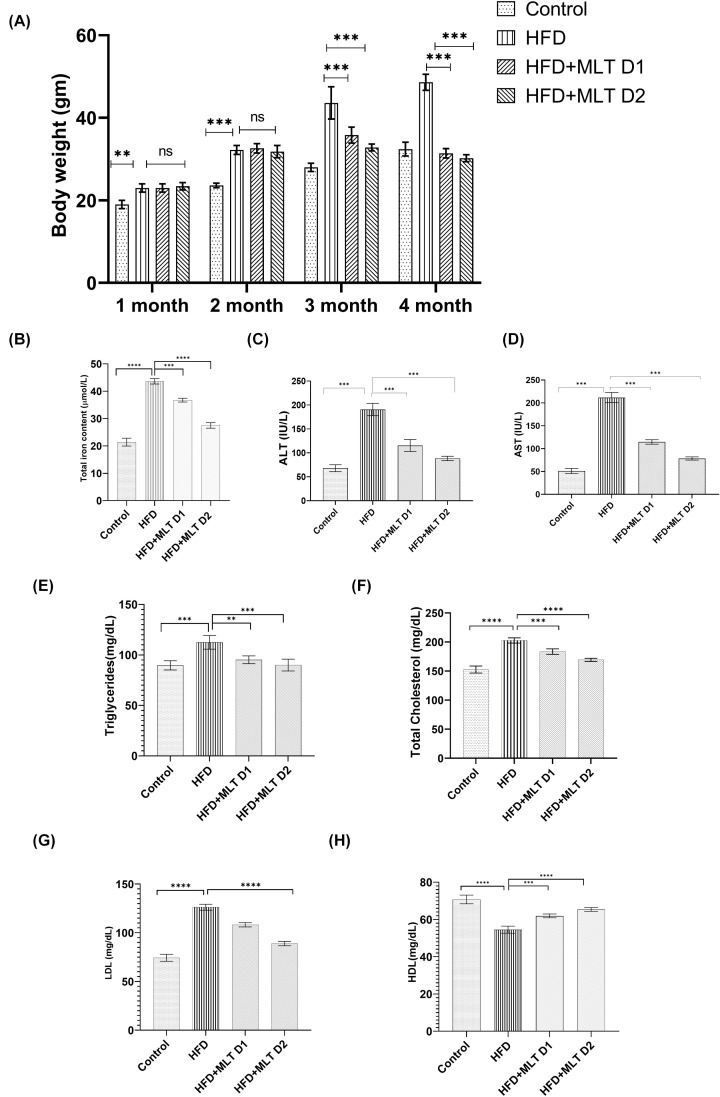
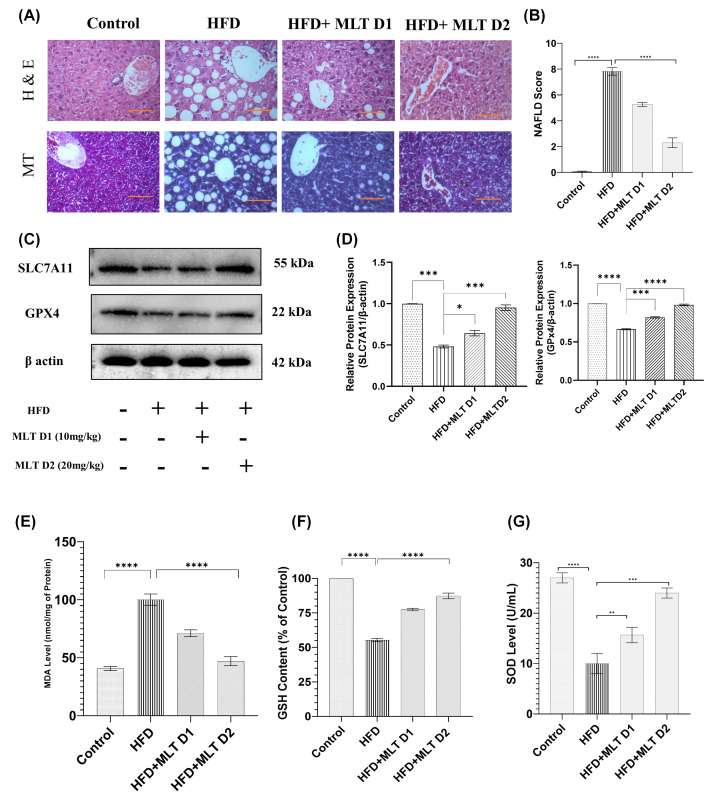
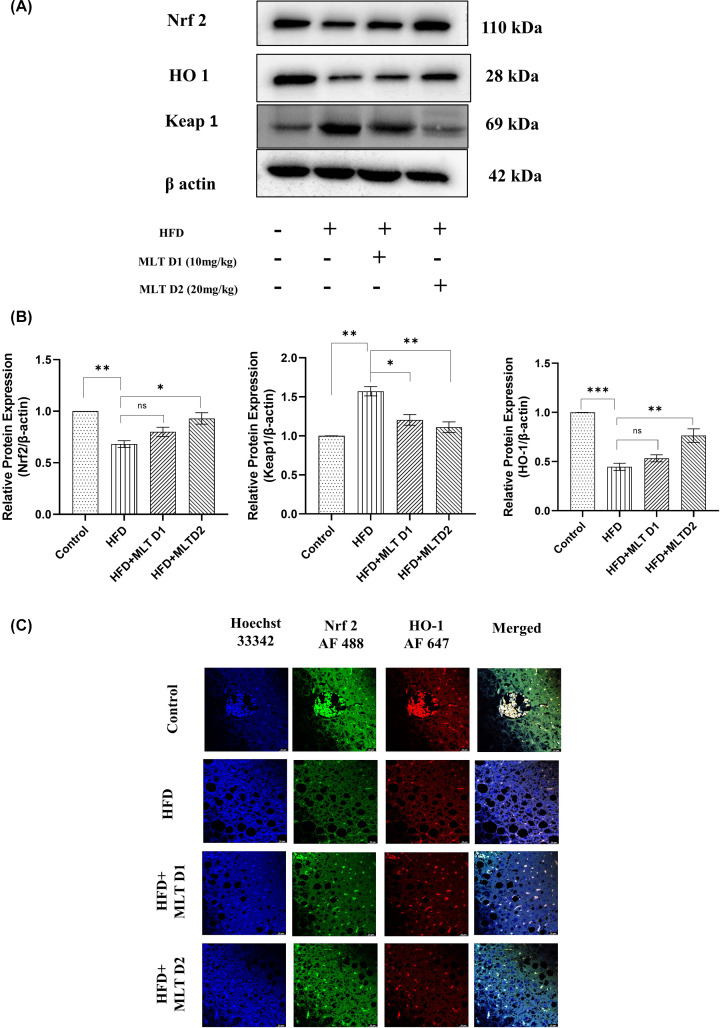
Ferroptosis is a non-conventional cellular death caused by lipid peroxide induced iron deposition. Intracellular lipid accumulation followed by generation of lipid peroxides is an hallmark of non-alcoholic fatty liver disease (NAFLD). Melatonin (MLT) is an important pineal hormone with tremendous antioxidant and anti-inflammatory properties. Various studies targeted ferroptosis in different diseases using melatonin. However, none of them focused the intrinsic mechanism of MLT's action to counteract ferroptosis in NAFLD. Hence, the present study investigated the role of MLT in improvement of NAFLD-induced ferroptosis. HepG2 cells were treated with free fatty acids (FFAs) to induce in vitro NAFLD state and C57BL/6 mice were fed with high-fat diet (HFD) followed by MLT administration. The results indicated that MLT administration caused the recovery from both FFA- and HFD-induced ferroptotic state via increasing GSH and SOD level, decreasing lipid reactive oxygen species (ROS) and malondialdehyde (MDA) level, increasing Nrf2 and HO-1 level to defend cells against an oxidative environment. MLT also altered the expression of two key proteins GPX4 and SLC7A11 back to their normal levels, which would otherwise cause ferroptosis. MLT also protected against histopathological damage of both liver tissue and HepG2 cells as depicted by Oil Red O, HE staining and immunofluorescence microscopy. MLT also had control over pAMPKα as well as PPARγ and PPARα responsible for lipid homeostasis and lipogenesis. In brief, MLT exerted its multifaceted effect in FFA- and HFD-induced NAFLD by retrieving cellular oxidative environment, reducing lipogenesis and lipid peroxidation and modulating Nrf2/HO-1 and GPX4/SLC7A11 axis to combat ferroptosis.
铁死亡是一种由脂质过氧化物诱导的铁沉积引起的非传统细胞死亡。细胞内脂质积累,随后产生脂质过氧化物,是非酒精性脂肪性肝病(NAFLD)的一个标志。褪黑素(MLT)是一种重要的松果腺激素,具有巨大的抗氧化和抗炎特性。各种研究使用褪黑素针对不同疾病中的铁死亡。然而,它们都没有关注 MLT 对抗 NAFLD 中铁死亡的内在机制。因此,本研究探讨了 MLT 在改善 NAFLD 诱导的铁死亡中的作用。用游离脂肪酸(FFAs)处理 HepG2 细胞以诱导体外 NAFLD 状态,并用高脂肪饮食(HFD)喂养 C57BL/6 小鼠,然后给予 MLT 治疗。结果表明,MLT 治疗通过增加 GSH 和 SOD 水平、降低脂质活性氧(ROS)和丙二醛(MDA)水平、增加 Nrf2 和 HO-1 水平来抵抗氧化环境,从而使细胞从 FFA 和 HFD 诱导的铁死亡状态中恢复。MLT 还改变了两种关键蛋白 GPX4 和 SLC7A11 的表达,使其恢复正常水平,否则会导致铁死亡。MLT 还可以防止肝组织和 HepG2 细胞的组织病理学损伤,如油红 O、HE 染色和免疫荧光显微镜所示。MLT 还控制 pAMPKα 以及负责脂质平衡和脂肪生成的 PPARγ 和 PPARα。总之,MLT 通过恢复细胞氧化环境、减少脂肪生成和脂质过氧化以及调节 Nrf2/HO-1 和 GPX4/SLC7A11 轴来对抗铁死亡,从而发挥其在 FFA 和 HFD 诱导的 NAFLD 中的多效作用。