Department of Earth, Atmospheric and Planetary Sciences, Massachusetts Institute of Technology, Cambridge, MA, USA.
Center for Materials Research in Archaeology and Ethnology, Massachusetts Institute of Technology, Cambridge, MA, USA.
Sci Adv. 2023 Sep 22;9(38):eadh8499. doi: 10.1126/sciadv.adh8499. Epub 2023 Sep 20.
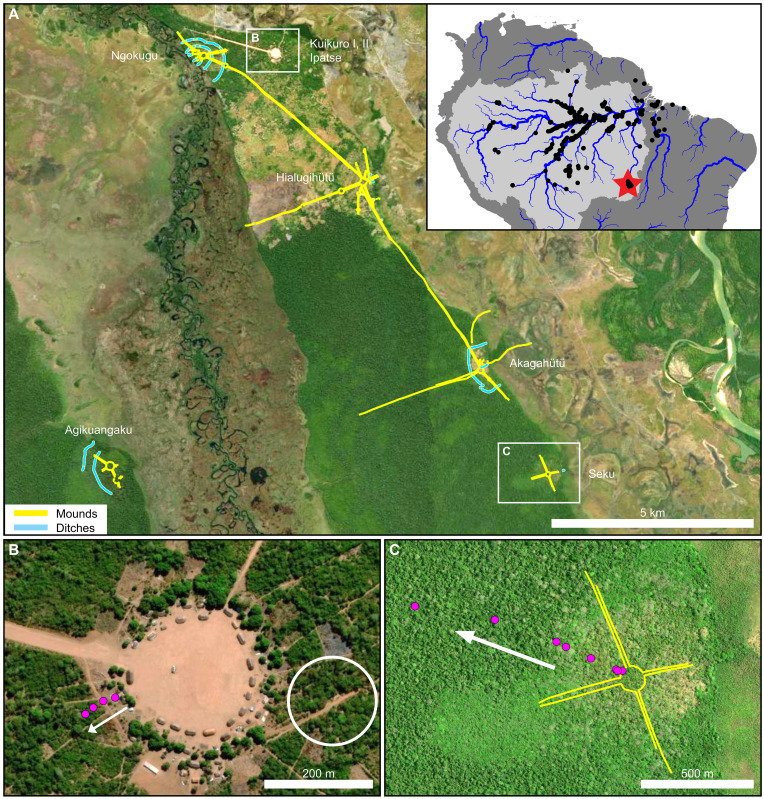
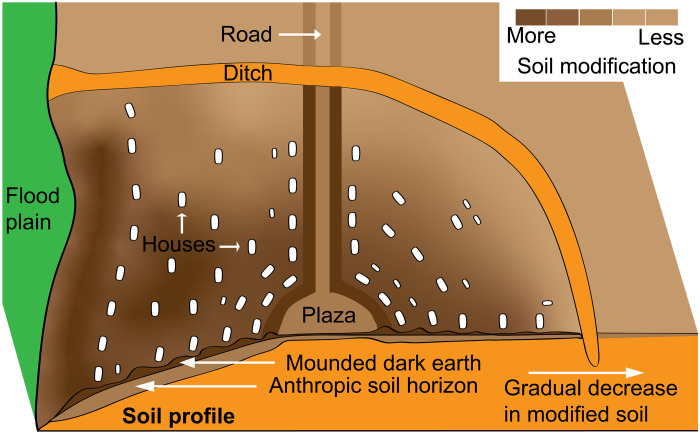
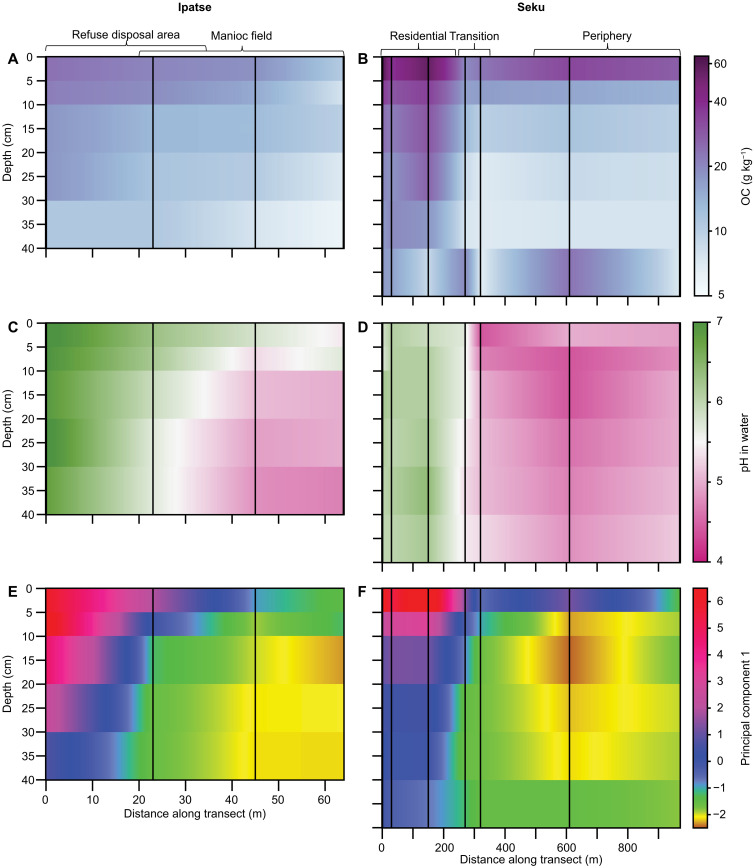
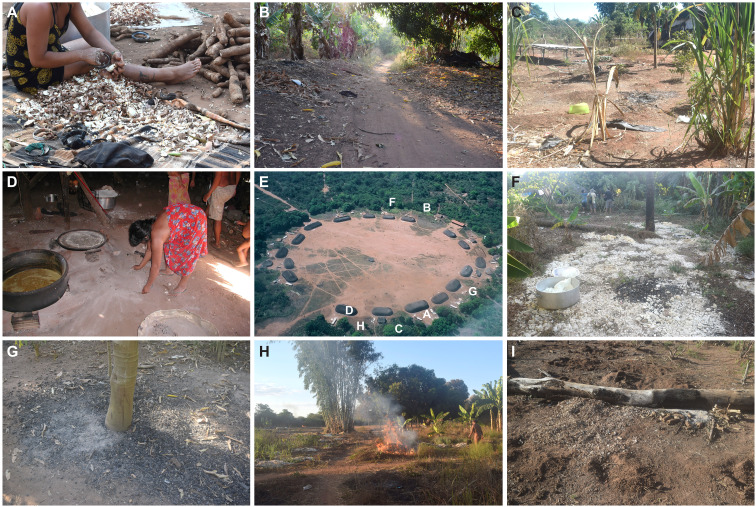
Fertile soil known as Amazonian dark earth is central to the debate over the size and ecological impact of ancient human populations in the Amazon. Dark earth is typically associated with human occupation, but it is uncertain whether it was created intentionally. Dark earth may also be a substantial carbon sink, but its spatial extent and carbon inventory are unknown. We demonstrate spatial and compositional similarities between ancient and modern dark earth and document modern Indigenous practices that enrich soil, which we use to propose a model for the formation of ancient dark earth. This comparison suggests that ancient Amazonians managed soil to improve fertility and increase crop productivity. These practices also sequestered and stored carbon in the soil for centuries, and we show that some ancient sites contain as much carbon as the above-ground rainforest biomass. Our results demonstrate the intentional creation of dark earth and highlight the value of Indigenous knowledge for sustainable rainforest management.
肥沃的土壤被称为亚马逊暗土,是关于亚马逊地区古代人类数量及其生态影响的争论的核心。暗土通常与人类居住有关,但不确定它是否是有意为之。暗土也可能是一个巨大的碳汇,但它的空间范围和碳储量是未知的。我们展示了古代和现代暗土之间的空间和组成相似性,并记录了现代土着人的增肥土壤的实践,我们利用这些实践来提出一个古代暗土形成的模型。这种比较表明,古代亚马逊人管理土壤以提高肥力和增加作物产量。这些做法还将碳在土壤中封存和储存了数个世纪,我们还表明,一些古代遗址中含有的碳与热带雨林地上生物量一样多。我们的研究结果表明暗土是有意为之的,并强调了土着知识在可持续雨林管理方面的价值。