State Key Laboratory of Ultrasound in Medicine and Engineering, College of Biomedical Engineering, Chongqing Medical University, Chongqing, 400016, China.
Chongqing Key Laboratory of Biomedical Engineering, Chongqing Medical University, Chongqing, 400016, China.
Cell Commun Signal. 2023 Sep 21;21(1):248. doi: 10.1186/s12964-023-01281-3.
Exosomes are a new class of molecular entities in the metastatic microenvironment, which can mediate bidirectional communication between cells. While exosomes-mediated interactions between tumor cells and other cell populations in the tumor microenvironment have attracted most attention, little is known about the significance of exosomes in mediating the interaction between non-stemness cancer cells and cancer stem cells during cancer progression.
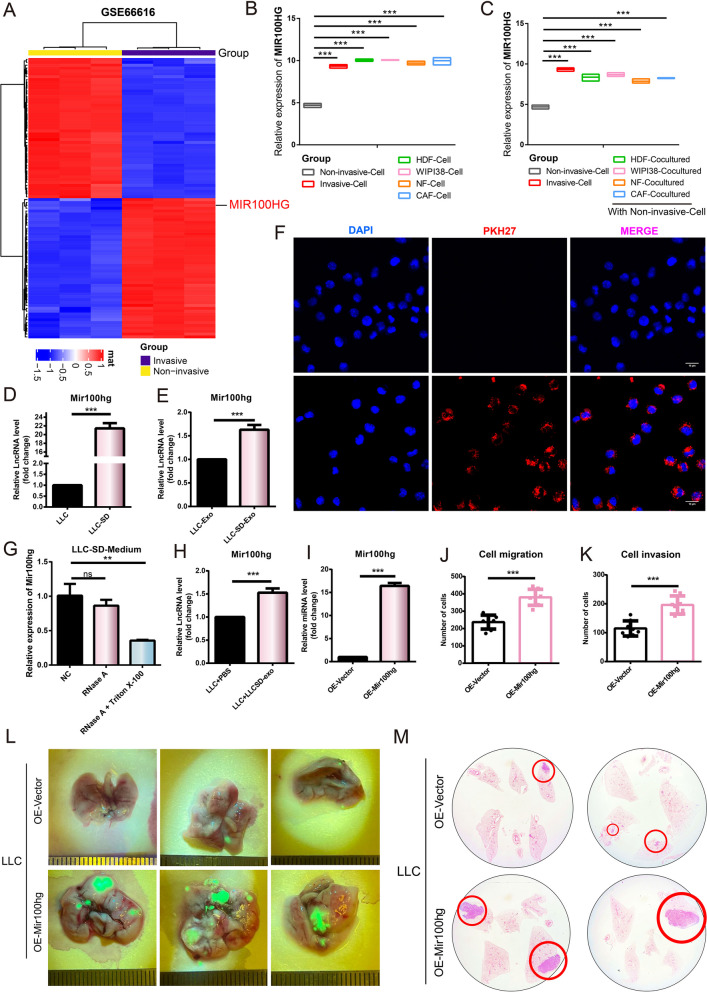
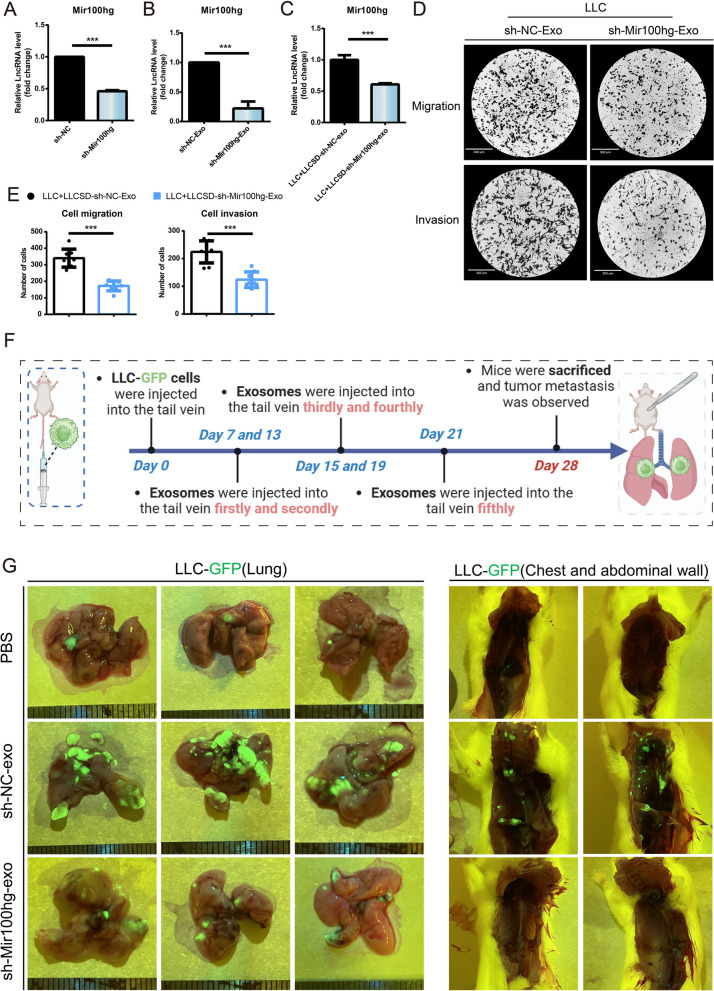
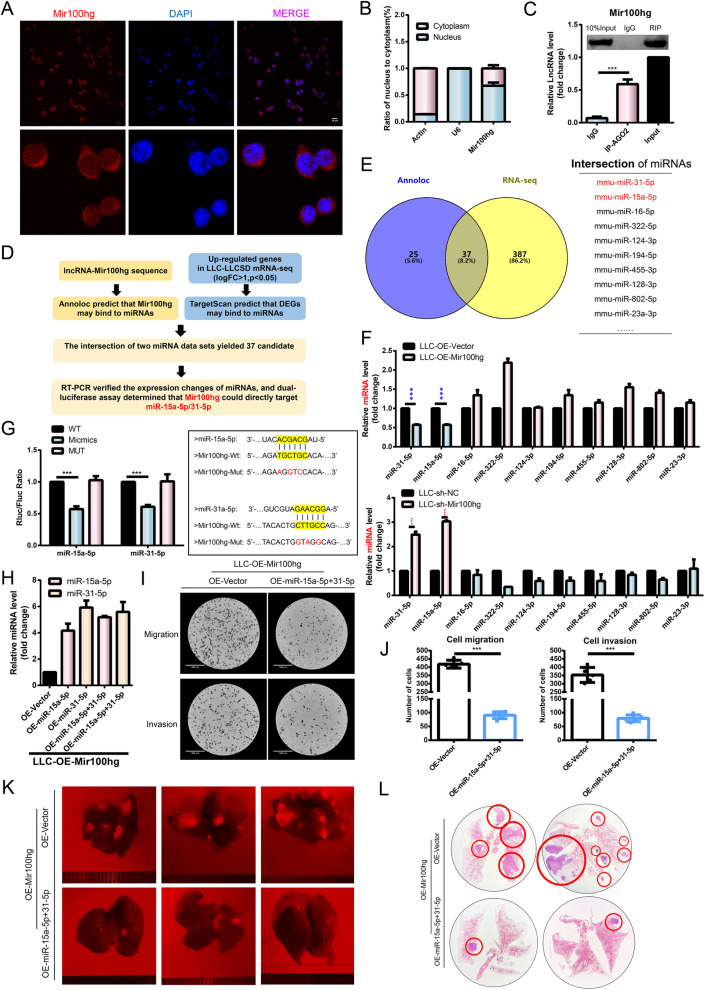
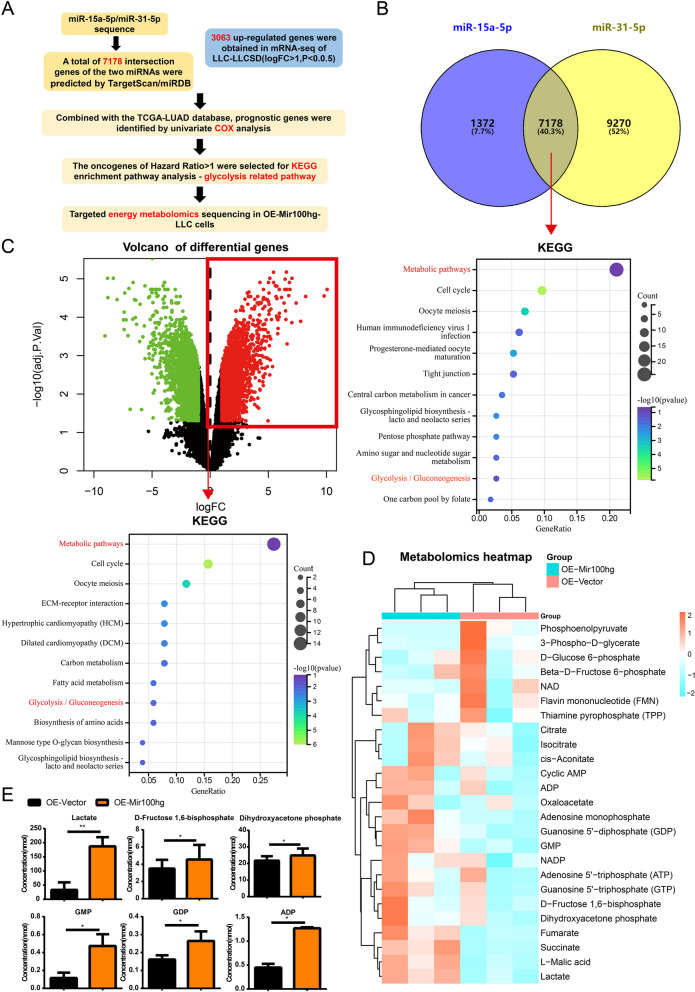
The structure, sequence and downstream target miRNAs of lncRNA Mir100hg were predicted by online web resources. The bioinformatics prediction results were validated with experimental verification: exosome tracing, electron microscopy, Luciferase assay, metabolomics sequencing and mouse tail vein model of pulmonary metastasis. A complex regulatory network of "cancer stem cells-exosomal lncRNA-non-stem cancer cells" was constructed.
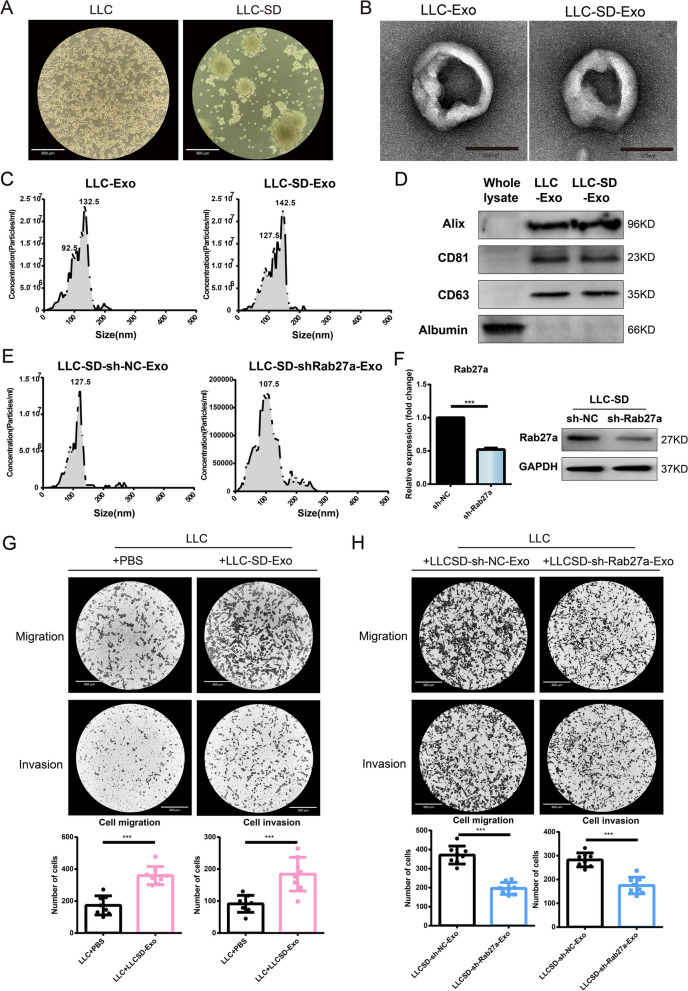
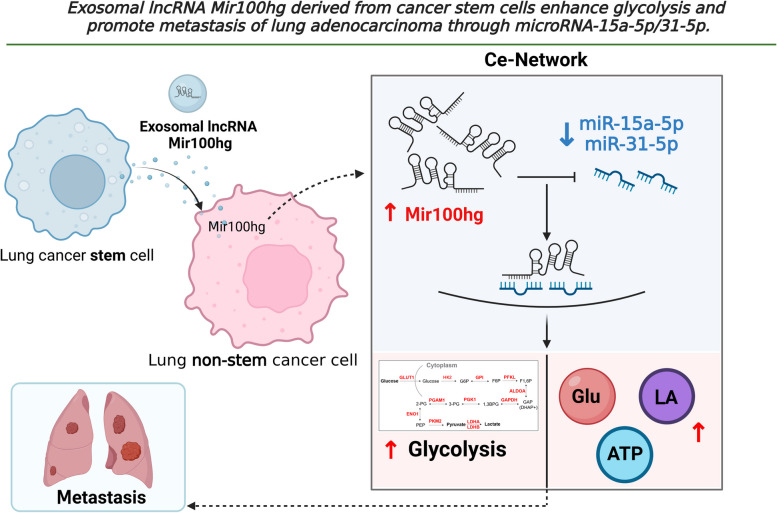
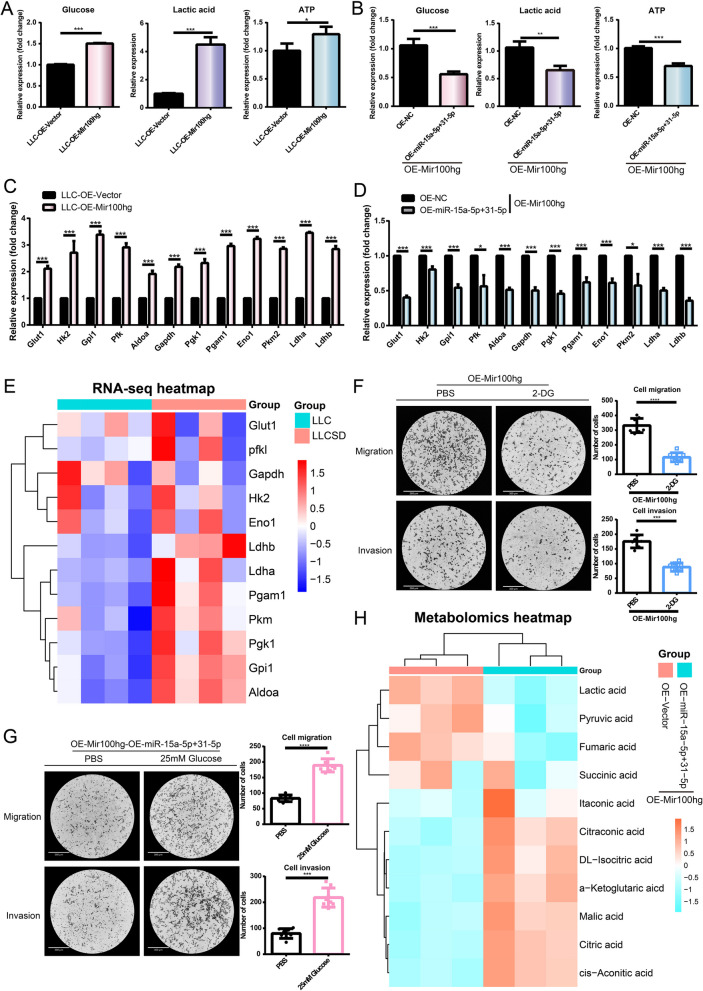
This study demonstrates firstly that lncRNA Mir100hg is upregulated in lung cancer stem cell LLC-SD (Lung cancer stem cells) and can be delivered to non-stemness cancer cells LLC (Lewis lung cancer cells) via exosomes. In LLC, Mir100hg targets miR-15a-5p and miR-31-5p which leads to the increase of the global glycolytic activity of lung cancer cells and consequently, the enhancement of their metastatic capability.
We delineated a complex regulatory network that utilized by cancer stem cells to transfer their high metastatic activity to the low-metastatic non-stemness cancer cells through exosomal Mir100hg, thereby providing new mechanistic insights into the communication between two heterogeneous tumor cells. Video Abstract.
外泌体是转移微环境中的一类新的分子实体,可介导细胞间的双向通讯。虽然外泌体介导的肿瘤细胞与肿瘤微环境中其他细胞群体之间的相互作用引起了广泛关注,但对于外泌体在介导肿瘤进展过程中非干性癌细胞与癌症干细胞之间相互作用的意义知之甚少。
通过在线网络资源预测 lncRNA Mir100hg 的结构、序列和下游靶 miRNAs。使用实验验证生物信息学预测结果:外泌体示踪、电子显微镜、荧光素酶测定、代谢组学测序和小鼠尾静脉肺转移模型。构建了“癌症干细胞-外泌体 lncRNA-非干性癌细胞”的复杂调控网络。
本研究首次证明,lncRNA Mir100hg 在肺癌干细胞 LLC-SD(肺癌干细胞)中上调,并可通过外泌体递送至非干性癌细胞 LLC(Lewis 肺癌细胞)。在 LLC 中,Mir100hg 靶向 miR-15a-5p 和 miR-31-5p,导致肺癌细胞整体糖酵解活性增加,从而增强其转移能力。
我们描绘了一个复杂的调控网络,癌症干细胞利用该网络通过外泌体 Mir100hg 将其高转移活性转移至低转移性非干性癌细胞,从而为两种异质性肿瘤细胞之间的通讯提供了新的机制见解。