Nocturnal Primate Research Group, Department of Social Sciences, Oxford Brookes University, Oxford OX3 0BP, UK.
Centre for Functional Genomics, Department of Health and Life Sciences, Oxford Brookes University, Oxford OX3 0BP, UK.
Toxins (Basel). 2023 Aug 22;15(9):514. doi: 10.3390/toxins15090514.
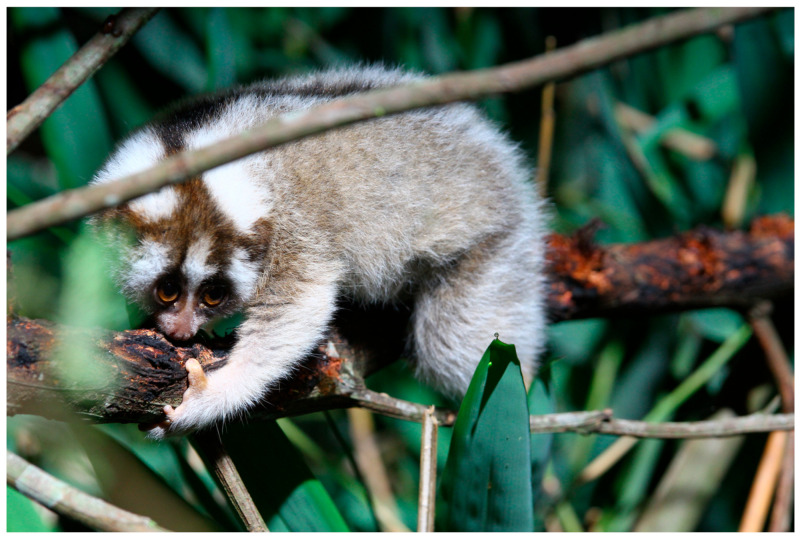
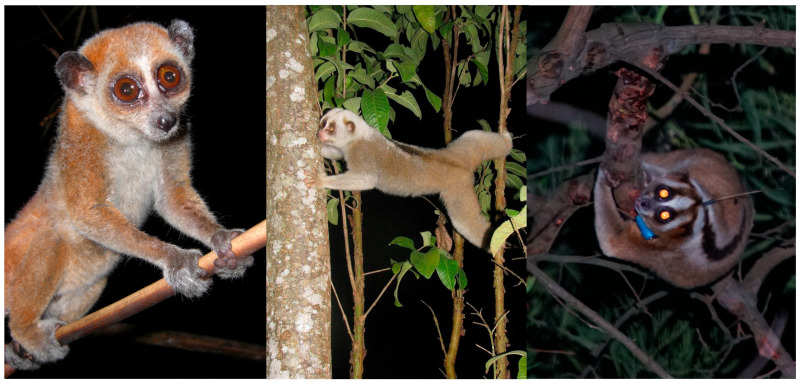
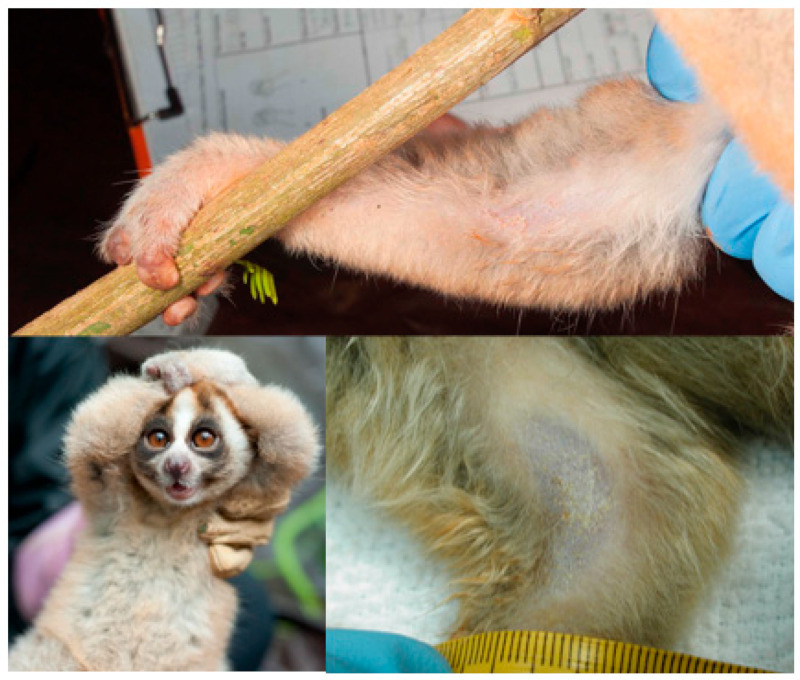
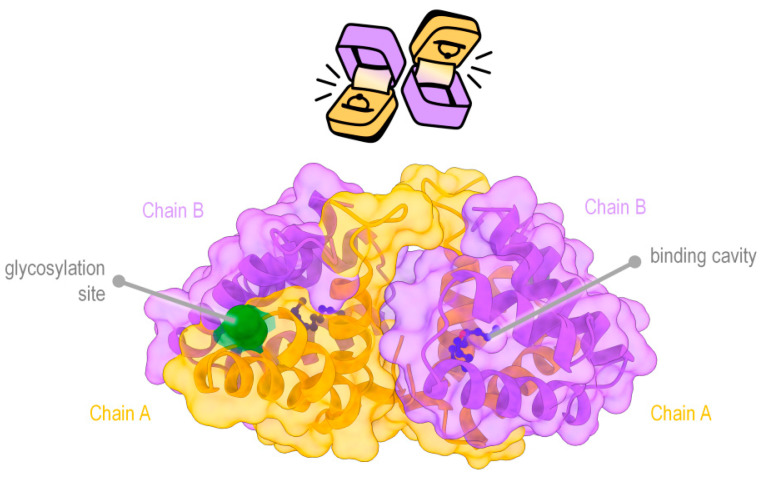
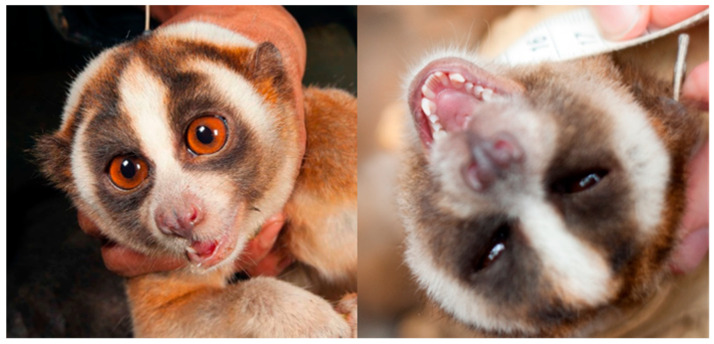
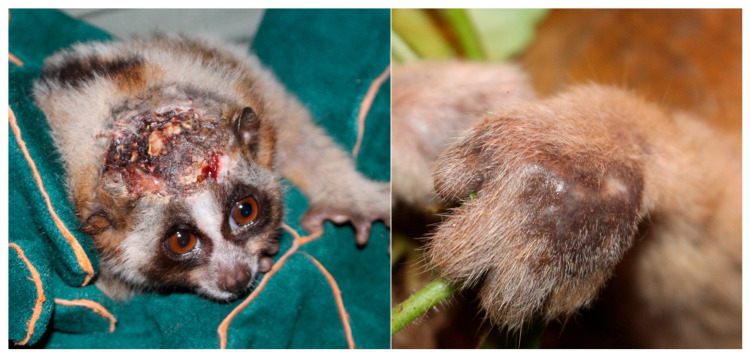
Since the early 2000s, studies of the evolution of venom within animals have rapidly expanded, offering new revelations on the origins and development of venom within various species. The venomous mammals represent excellent opportunities to study venom evolution due to the varying functional usages, the unusual distribution of venom across unrelated mammals and the diverse variety of delivery systems. A group of mammals that excellently represents a combination of these traits are the slow ( spp.) and pygmy lorises ( spp.) of south-east Asia, which possess the only confirmed two-step venom system. These taxa also present one of the most intriguing mixes of toxic symptoms (cytotoxicity and immunotoxicity) and functional usages (intraspecific competition and ectoparasitic defence) seen in extant animals. We still lack many pieces of the puzzle in understanding how this venom system works, why it evolved what is involved in the venom system and what triggers the toxic components to work. Here, we review available data building upon a decade of research on this topic, focusing especially on why and how this venom system may have evolved. We discuss that research now suggests that venom in slow lorises has a sophisticated set of multiple uses in both intraspecific competition and the potential to disrupt the immune system of targets; we suggest that an exudate diet reveals several toxic plants consumed by slow and pygmy lorises that could be sequestered into their venom and which may help heal venomous bite wounds; we provide the most up-to-date visual model of the brachial gland exudate secretion protein (BGEsp); and we discuss research on a complement component 1r (C1R) protein in saliva that may solve the mystery of what activates the toxicity of slow and pygmy loris venom. We conclude that the slow and pygmy lorises possess amongst the most complex venom system in extant animals, and while we have still a lot more to understand about their venom system, we are close to a breakthrough, particularly with current technological advances.
自 21 世纪初以来,动物毒液进化的研究迅速扩展,为各种物种毒液的起源和发展提供了新的启示。有毒哺乳动物是研究毒液进化的绝佳机会,因为毒液在不同物种中的功能用途不同,在无亲缘关系的哺乳动物中的分布不同,以及输送系统的多样性。一组非常好地代表了这些特征的哺乳动物是东南亚的懒猴( spp.)和侏长尾猴( spp.),它们拥有唯一被证实的两步毒液系统。这些类群还表现出现存动物中最有趣的毒性症状(细胞毒性和免疫毒性)和功能用途(种内竞争和外寄生虫防御)的混合。我们仍然缺乏许多理解这种毒液系统如何工作、为什么会进化、毒液系统中涉及到什么以及是什么触发有毒成分发挥作用的拼图。在这里,我们回顾了在这一主题上十年研究的现有数据,特别关注为什么以及这种毒液系统是如何进化的。我们认为,研究表明,懒猴的毒液在种内竞争和破坏目标免疫系统的潜力方面具有一套复杂的多种用途;我们认为,渗出物饮食揭示了慢猴和侏长尾猴消耗的几种有毒植物,这些植物可能被隔离到它们的毒液中,并有助于治愈有毒咬伤;我们提供了关于臂腺渗出物分泌蛋白(BGEsp)的最新可视化模型;我们还讨论了唾液中补体成分 1r(C1R)蛋白的研究,这可能有助于解开激活懒猴和侏长尾猴毒液毒性的谜团。我们得出结论,懒猴和侏长尾猴拥有现存动物中最复杂的毒液系统,虽然我们还有很多关于它们毒液系统的知识需要了解,但我们即将取得突破,特别是随着当前技术的进步。