Nocturnal Primate Research Group, Oxford Brookes University, Oxford OX3 0BP, UK.
J Venom Anim Toxins Incl Trop Dis. 2013 Sep 27;19(1):21. doi: 10.1186/1678-9199-19-21.
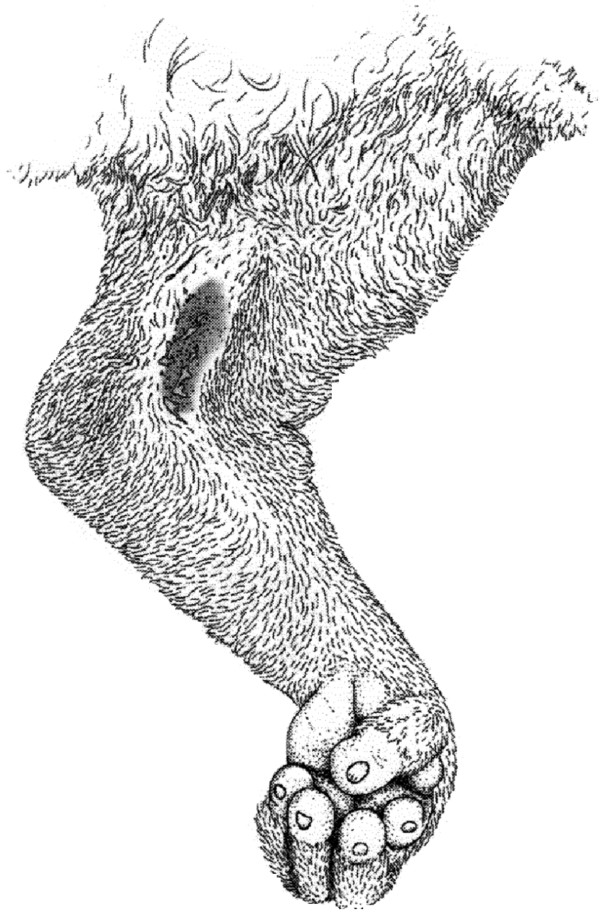
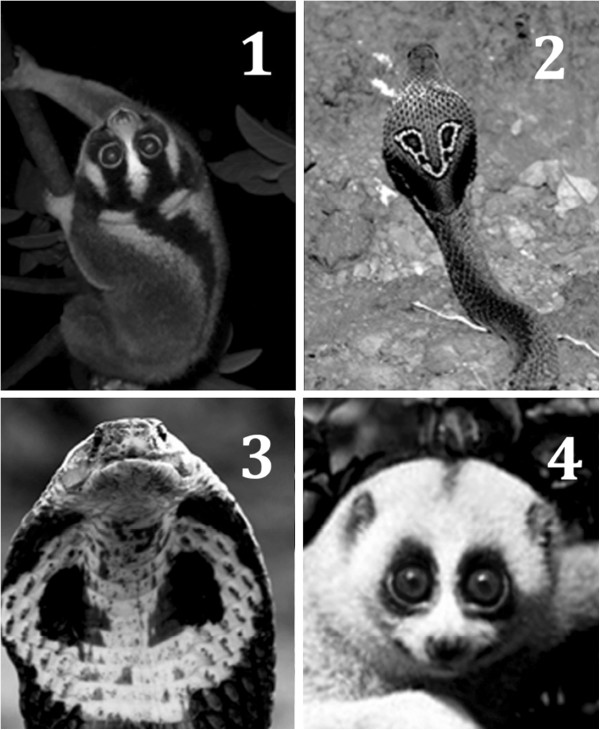
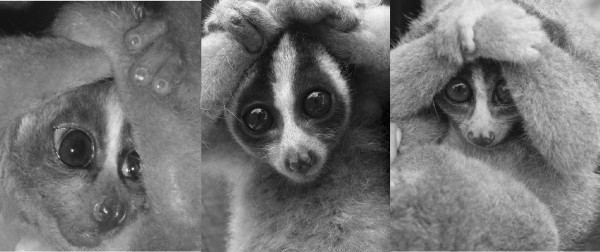
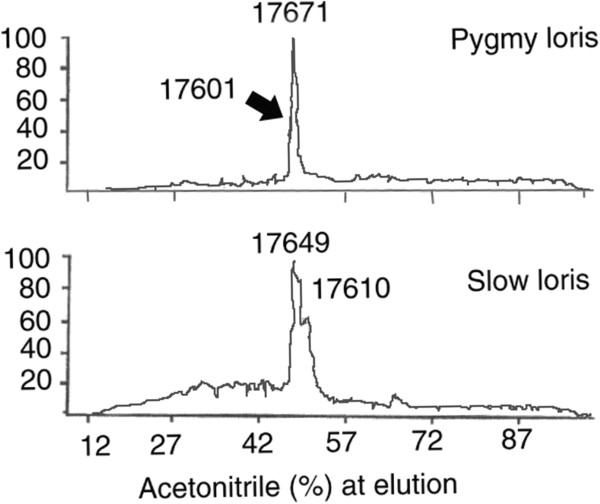
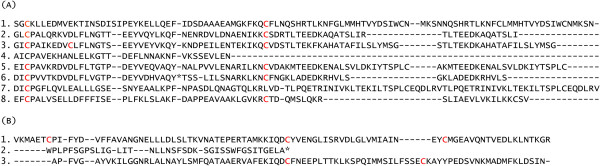
Only seven types of mammals are known to be venomous, including slow lorises (Nycticebus spp.). Despite the evolutionary significance of this unique adaptation amongst Nycticebus, the structure and function of slow loris venom is only just beginning to be understood. Here we review what is known about the chemical structure of slow loris venom. Research on a handful of captive samples from three of eight slow loris species reveals that the protein within slow loris venom resembles the disulphide-bridged heterodimeric structure of Fel-d1, more commonly known as cat allergen. In a comparison of N. pygmaeus and N. coucang, 212 and 68 compounds were found, respectively. Venom is activated by combining the oil from the brachial arm gland with saliva, and can cause death in small mammals and anaphylactic shock and death in humans. We examine four hypotheses for the function of slow loris venom. The least evidence is found for the hypothesis that loris venom evolved to kill prey. Although the venom's primary function in nature seems to be as a defense against parasites and conspecifics, it may also serve to thwart olfactory-orientated predators. Combined with numerous other serpentine features of slow lorises, including extra vertebra in the spine leading to snake-like movement, serpentine aggressive vocalisations, a long dark dorsal stripe and the venom itself, we propose that venom may have evolved to mimic cobras (Naja sp.). During the Miocene when both slow lorises and cobras migrated throughout Southeast Asia, the evolution of venom may have been an adaptive strategy against predators used by slow lorises as a form of Müllerian mimicry with spectacled cobras.
已知只有七种哺乳动物是有毒的,包括懒猴(Nycticebus spp.)。尽管这种独特的适应能力在 Nycticebus 中具有进化意义,但懒猴毒液的结构和功能才刚刚开始被理解。在这里,我们回顾了有关懒猴毒液化学结构的已知信息。对来自八种懒猴物种中的三种的少数圈养样本的研究表明,懒猴毒液中的蛋白质类似于 Fel-d1 的二硫键桥接异二聚体结构,通常称为猫过敏原。在对 N. pygmaeus 和 N. coucang 的比较中,分别发现了 212 和 68 种化合物。毒液通过将臂腺的油与唾液混合而激活,可导致小型哺乳动物死亡和人类过敏休克和死亡。我们检查了懒猴毒液功能的四个假设。懒猴毒液是为了杀死猎物而进化的假设证据最少。尽管毒液在自然界中的主要功能似乎是作为对抗寄生虫和同种动物的防御手段,但它也可能有助于抵御嗅觉导向的捕食者。结合懒猴的许多其他蛇形特征,包括脊柱中额外的脊椎导致蛇形运动、蛇形攻击性叫声、长而暗的背部条纹和毒液本身,我们提出毒液可能是为了模仿眼镜蛇(Naja sp.)而进化的。在中新世时期,懒猴和眼镜蛇都迁移到东南亚,毒液的进化可能是懒猴针对捕食者的一种适应策略,它与眼镜蛇形成了缪勒拟态关系。