Department of Anesthesiology, Eye & ENT Hospital, Fudan University, 83 Fenyang Road, 200031, Shanghai, China.
ENT Institute, Department of Otorhinolaryngology, Eye & ENT Hospital, Fudan University, 83 Fenyang Road, 200031, Shanghai, China.
BMC Genomics. 2023 Sep 27;24(1):577. doi: 10.1186/s12864-023-09697-4.
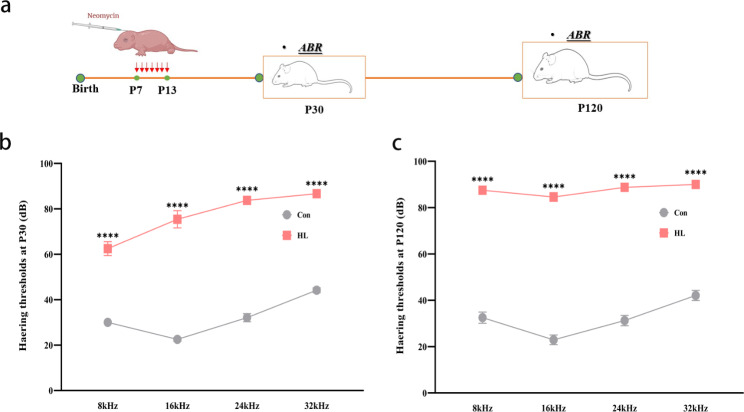
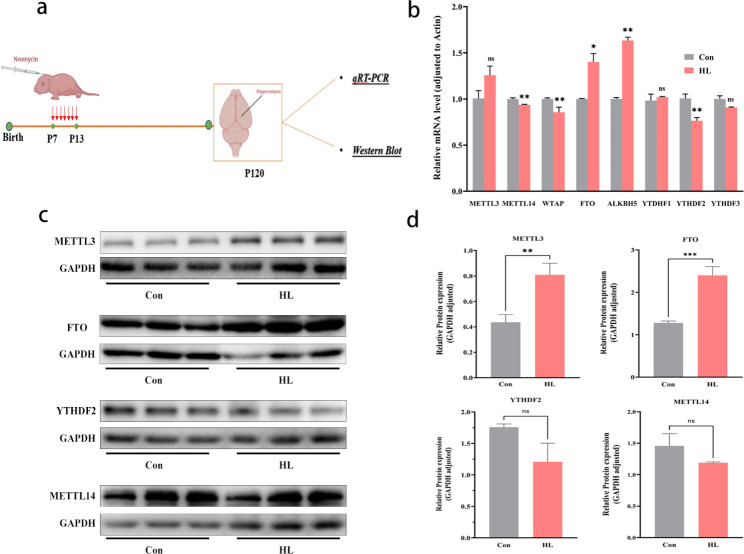
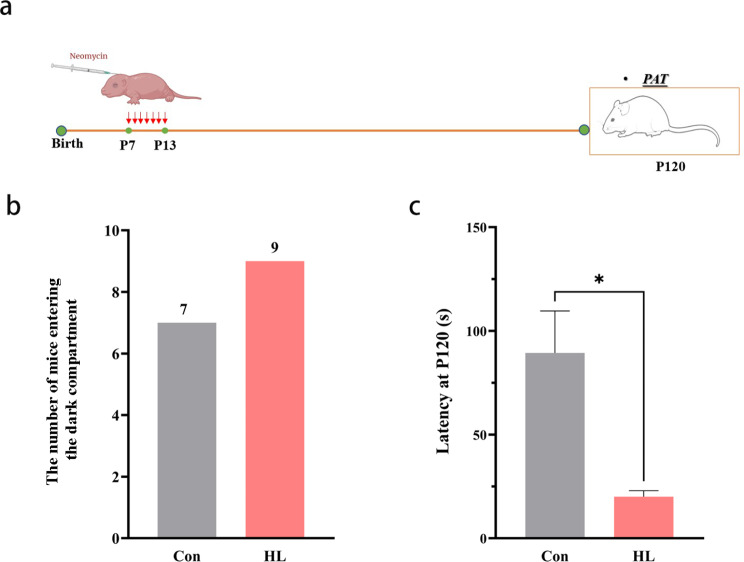
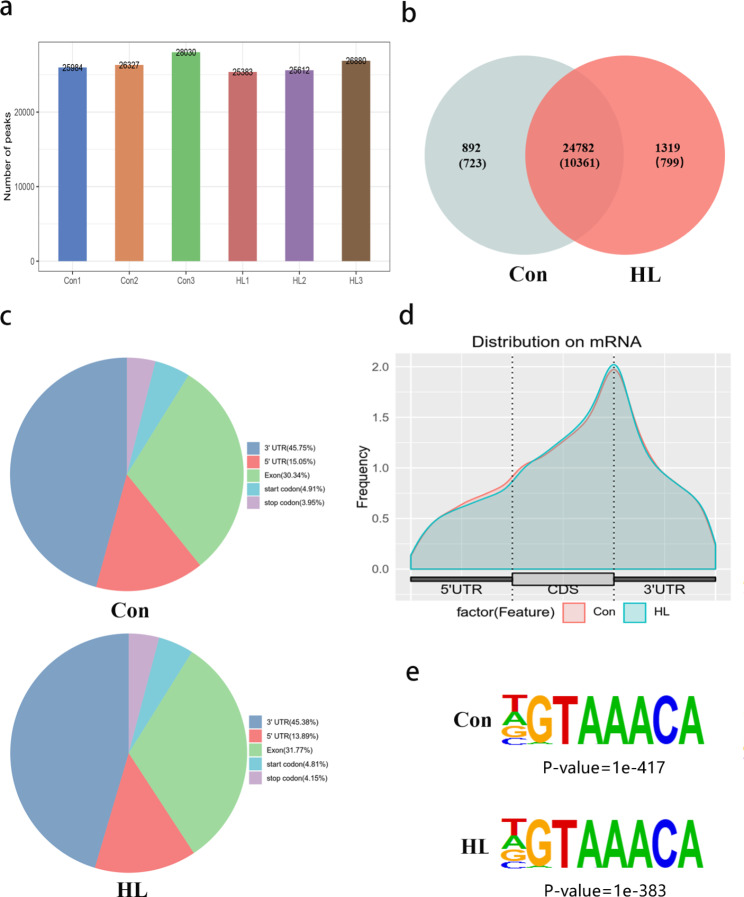
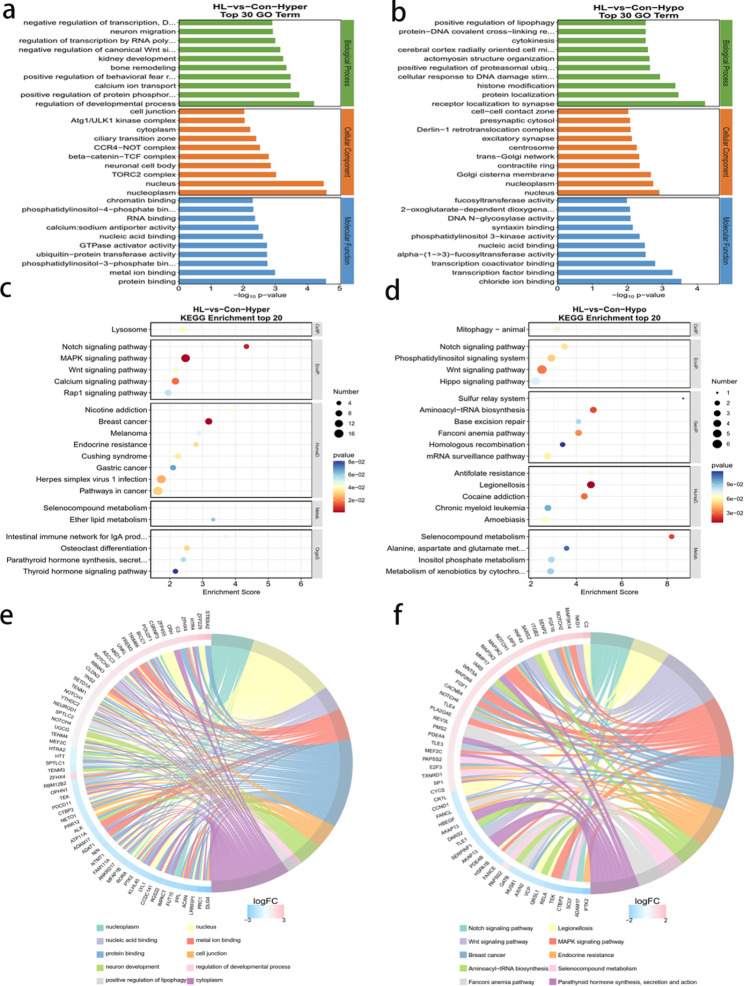
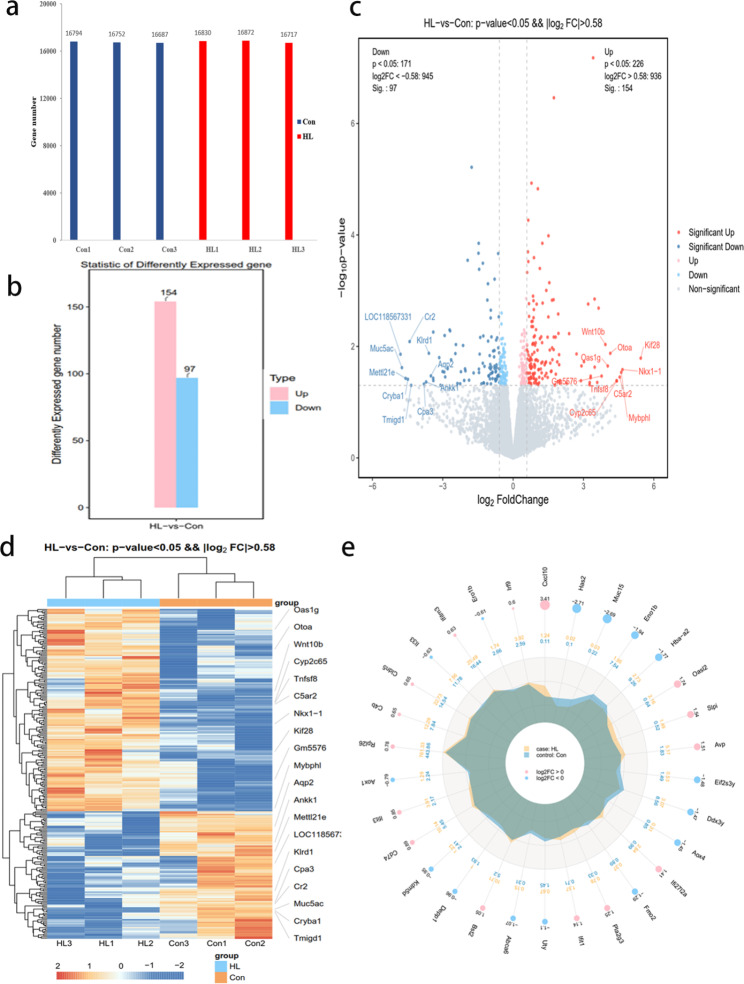
The mechanism underlying cognitive impairment after hearing loss (HL) remains unclear. N6-methyladenosine (m6A) is involved in many neurodegenerative diseases; however, its role in cognitive impairment after HL has not yet been investigated. Therefore, we aimed to analyze the m6A modification profile of the mouse hippocampus after HL exposure. A mouse model of neomycin-induced HL was established. An auditory brainstem-response test was utilized for detecting hearing threshold. The passive avoidance test was served as the mean for evaluating cognitive function. The m6A-regulated enzyme expression levels were analyzed by using reverse transcription quantitative real-time polymerase chain reaction and western blot analyses. RNA sequencing (RNA-Seq) and methylated RNA immunoprecipitation sequencing (MeRIP-Seq) were performed with the aim of investigating gene expression differences and m6A modification in the mouse hippocampus.
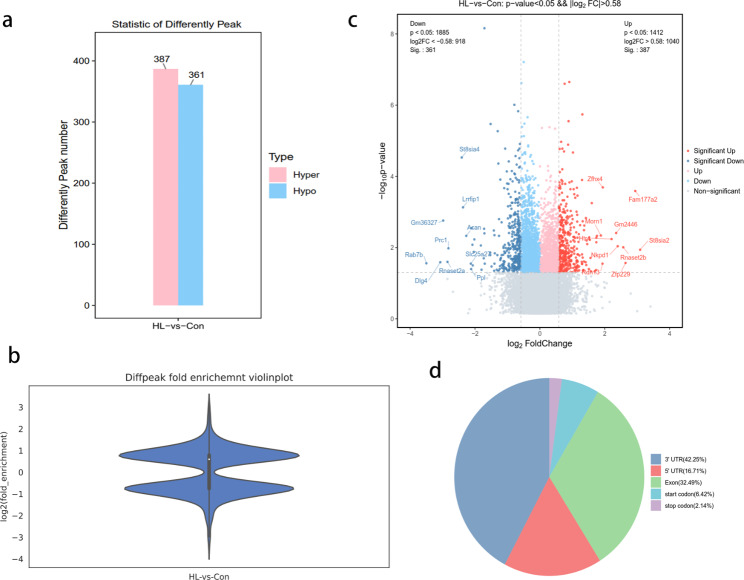
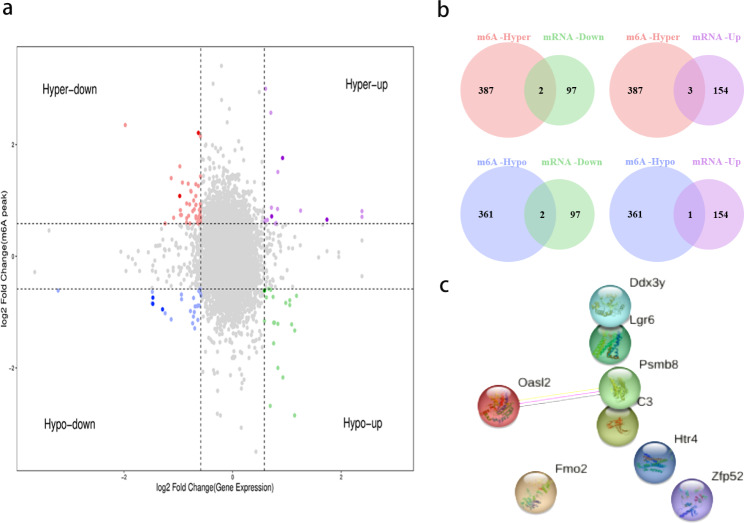
Neomycin administration induced severe HL in mice. At four months of age, the mice in the HL group showed poorer cognitive performance than the mice in the control group. METTL14, WTAP, and YTHDF2 mRNA levels were downregulated in the hippocampi of HL mice, whereas ALKBH5 and FTO mRNA levels were significantly upregulated. At the protein level, METTL3 and FTO were significantly upregulated. Methylated RNA immunoprecipitation sequencing analysis revealed 387 and 361 m6A hypermethylation and hypomethylation peaks, respectively. Moreover, combined analysis of mRNA expression levels and m6A peaks revealed eight mRNAs with significantly changed expression levels and methylation.
Our findings revealed the m6A transcriptome-wide profile in the hippocampus of HL mice, which may provide a basis for understanding the association between HL and cognitive impairment from the perspective of epigenetic modifications.
听力损失(HL)后认知障碍的发生机制尚不清楚。N6-甲基腺苷(m6A)参与许多神经退行性疾病;然而,其在 HL 后认知障碍中的作用尚未得到研究。因此,我们旨在分析 HL 暴露后小鼠海马体的 m6A 修饰谱。建立了新霉素诱导的 HL 小鼠模型。使用听觉脑干反应测试来检测听力阈值。被动回避测试作为评估认知功能的均值。通过逆转录定量实时聚合酶链反应和 Western blot 分析来分析 m6A 调节酶的表达水平。进行 RNA 测序(RNA-Seq)和 m6A 修饰 RNA 免疫沉淀测序(MeRIP-Seq),以研究小鼠海马体中的基因表达差异和 m6A 修饰。
新霉素给药诱导小鼠出现严重 HL。在四个月大时,HL 组的小鼠认知表现比对照组差。HL 小鼠海马体中的 METTL14、WTAP 和 YTHDF2 mRNA 水平下调,而 ALKBH5 和 FTO mRNA 水平显著上调。在蛋白质水平上,METTL3 和 FTO 显著上调。m6A 免疫沉淀测序分析显示分别有 387 和 361 个 m6A 高甲基化和低甲基化峰。此外,mRNA 表达水平和 m6A 峰的联合分析显示有 8 个 mRNAs 的表达水平和甲基化发生了显著变化。
我们的研究结果揭示了 HL 小鼠海马体中的 m6A 转录组谱,这可能为从表观遗传修饰的角度理解 HL 与认知障碍之间的关联提供依据。