Campos-Pires Rita, Ong Bee Eng, Koziakova Mariia, Ujvari Eszter, Fuller Isobel, Boyles Charlotte, Sun Valerie, Ko Andy, Pap Daniel, Lee Matthew, Gomes Lauren, Gallagher Kate, Mahoney Peter F, Dickinson Robert
Anaesthetics, Pain Medicine and Intensive Care Division, Department of Surgery and Cancer, Imperial College London, London SW7 2AZ, UK.
Royal British Legion Centre for Blast Injury Studies, Imperial College London, London SW7 2AZ, UK.
Brain Sci. 2023 Sep 8;13(9):1298. doi: 10.3390/brainsci13091298.
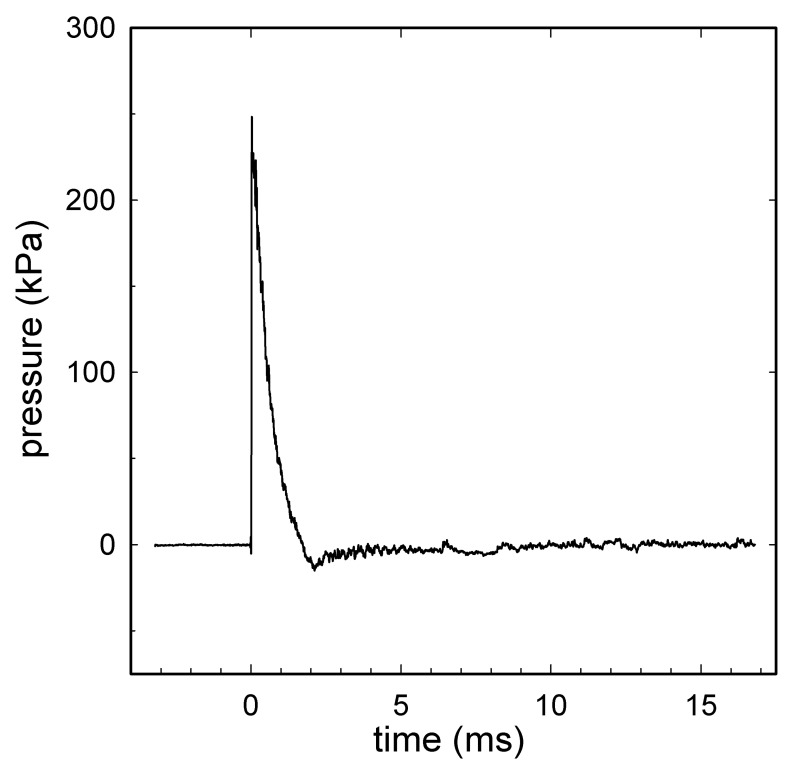
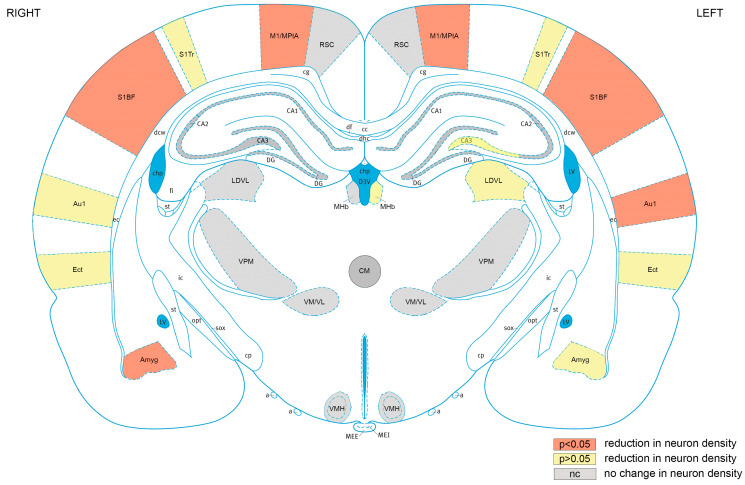
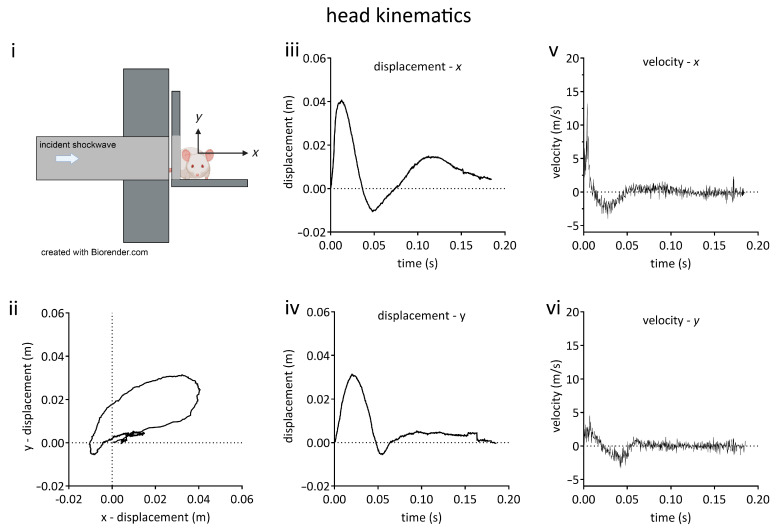
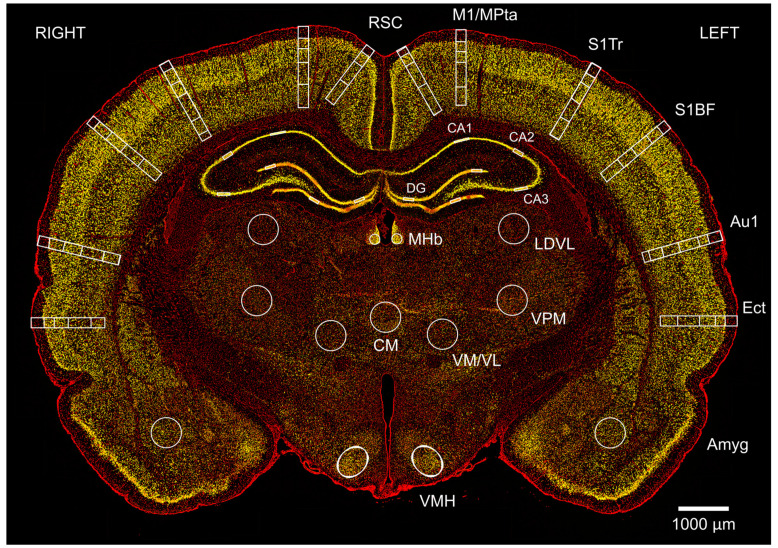
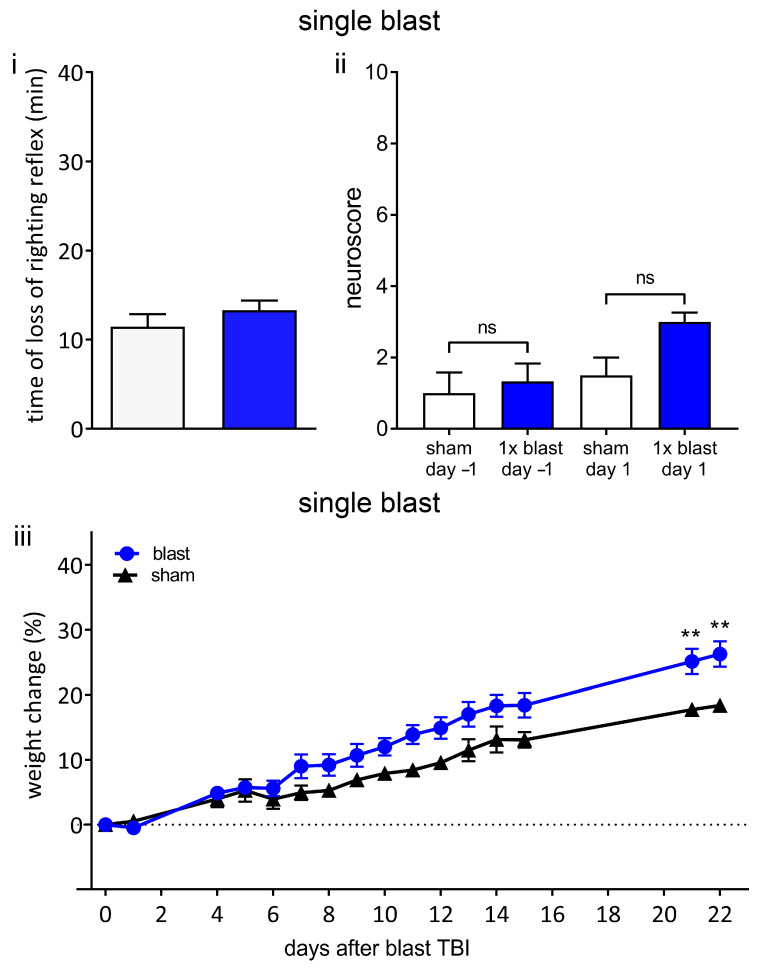
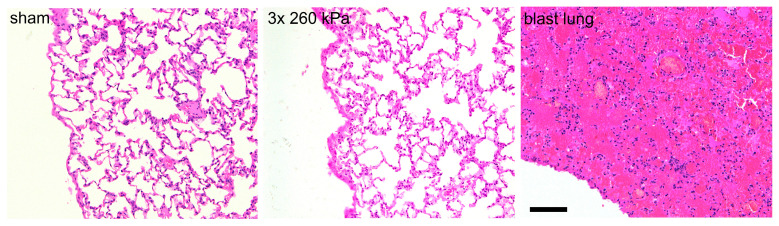
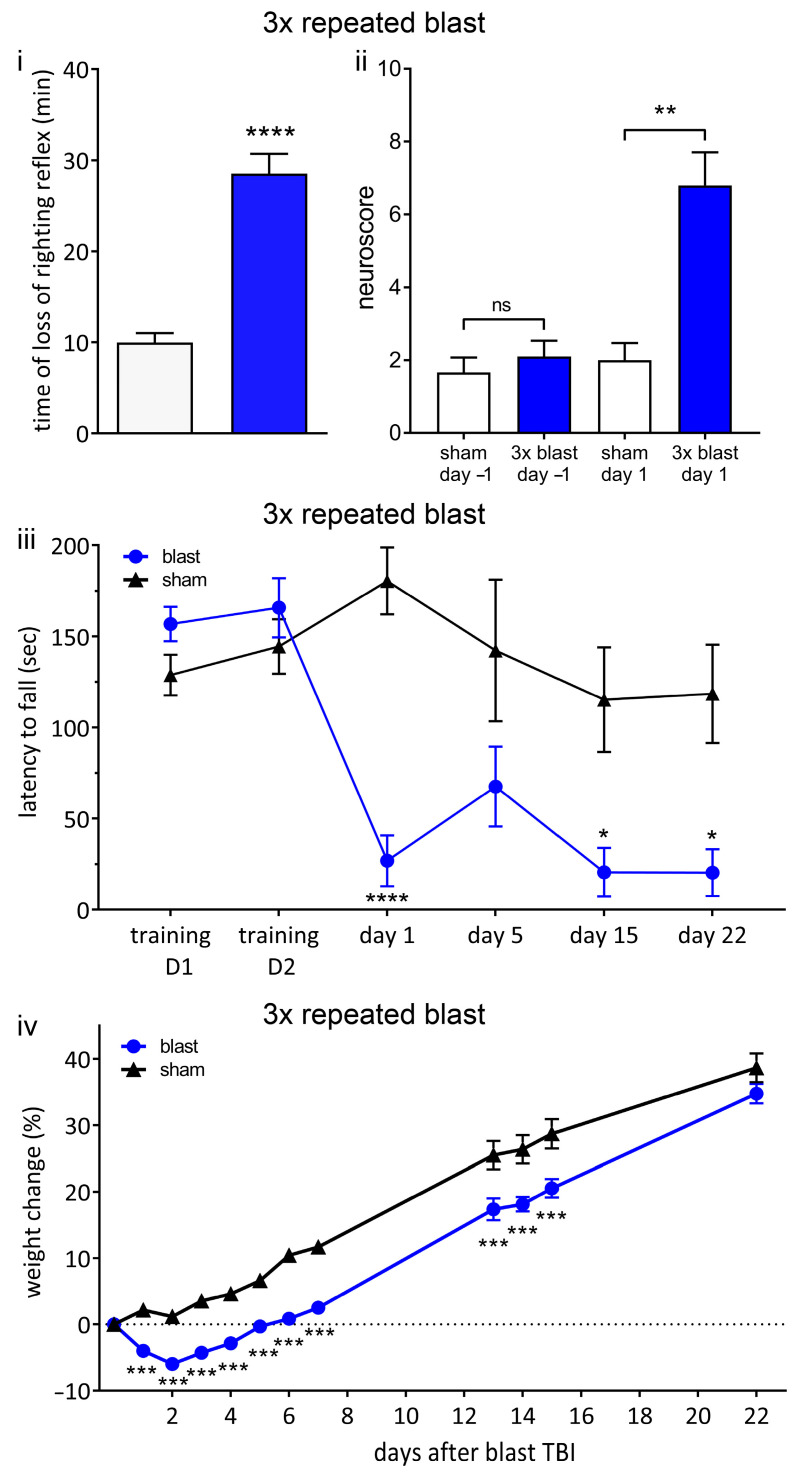
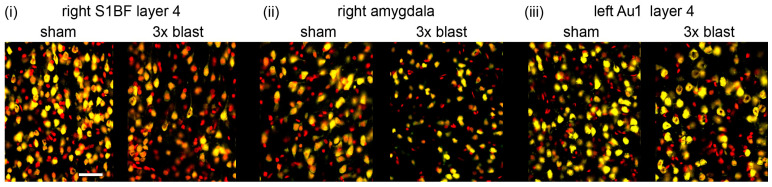
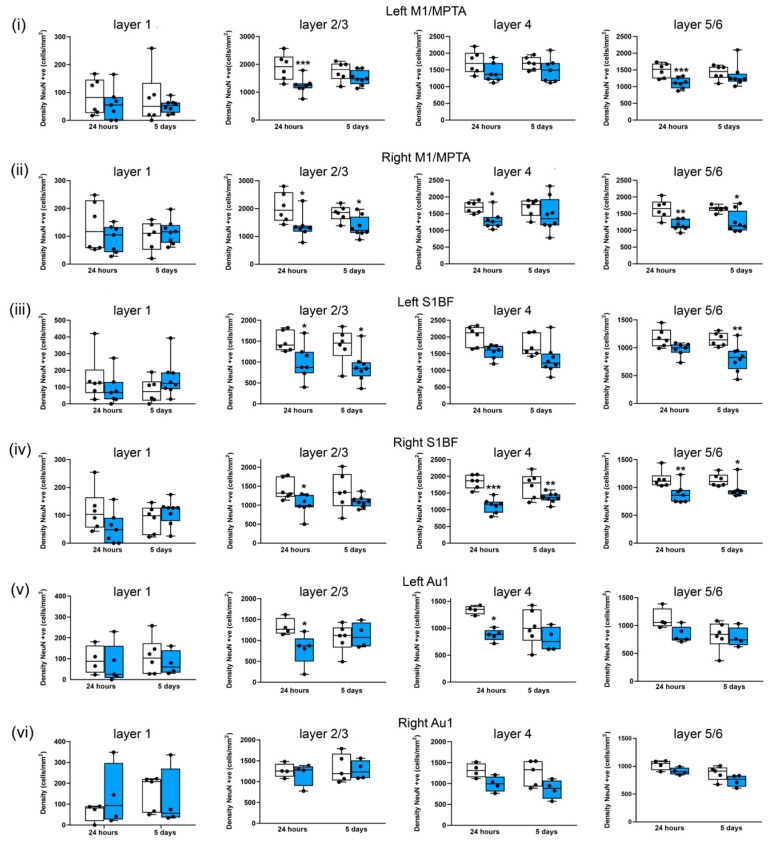
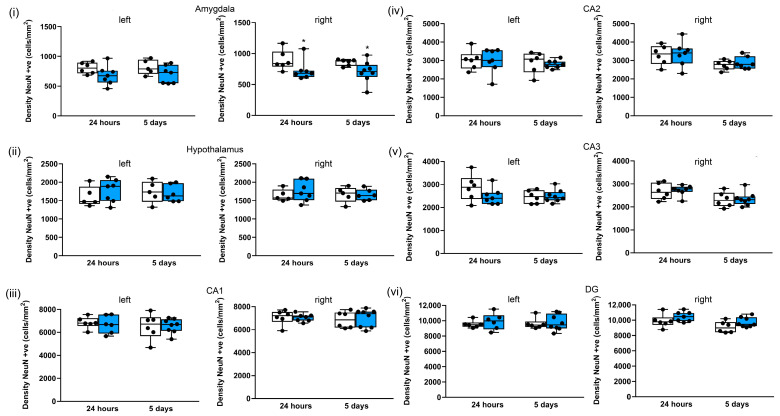
Exposure to repeated mild blast traumatic brain injury (mbTBI) is common in combat soldiers and the training of Special Forces. Evidence suggests that repeated exposure to a mild or subthreshold blast can cause serious and long-lasting impairments, but the mechanisms causing these symptoms are unclear. In this study, we characterise the effects of single and tightly coupled repeated mbTBI in Sprague-Dawley rats exposed to shockwaves generated using a shock tube. The primary outcomes are functional neurologic function (unconsciousness, neuroscore, weight loss, and RotaRod performance) and neuronal density in brain regions associated with sensorimotor function. Exposure to a single shockwave does not result in functional impairments or histologic injury, which is consistent with a mild or subthreshold injury. In contrast, exposure to three tightly coupled shockwaves results in unconsciousness, along with persistent neurologic impairments. Significant neuronal loss following repeated blast was observed in the motor cortex, somatosensory cortex, auditory cortex, and amygdala. Neuronal loss was not accompanied by changes in astrocyte reactivity. Our study identifies specific brain regions particularly sensitive to repeated mbTBI. The reasons for this sensitivity may include exposure to less attenuated shockwaves or proximity to tissue density transitions, and this merits further investigation. Our novel model will be useful in elucidating the mechanisms of sensitisation to injury, the temporal window of sensitivity and the evaluation of new treatments.
在作战士兵和特种部队训练中,反复暴露于轻度爆炸创伤性脑损伤(mbTBI)很常见。有证据表明,反复暴露于轻度或阈下爆炸会导致严重且持久的损伤,但导致这些症状的机制尚不清楚。在本研究中,我们对暴露于使用激波管产生的冲击波的斯普拉格-道利大鼠单次和紧密耦合的反复mbTBI的影响进行了表征。主要结果是功能神经功能(意识丧失、神经评分、体重减轻和转棒试验表现)以及与感觉运动功能相关的脑区中的神经元密度。暴露于单次冲击波不会导致功能损伤或组织学损伤,这与轻度或阈下损伤一致。相比之下,暴露于三次紧密耦合的冲击波会导致意识丧失以及持续的神经功能障碍。在运动皮层、体感皮层、听觉皮层和杏仁核中观察到反复爆炸后有明显的神经元丢失。神经元丢失并未伴有星形胶质细胞反应性的变化。我们的研究确定了对反复mbTBI特别敏感的特定脑区。这种敏感性的原因可能包括暴露于衰减较小的冲击波或靠近组织密度转变处,这值得进一步研究。我们的新模型将有助于阐明对损伤的致敏机制、敏感性的时间窗以及新治疗方法的评估。