Kim Na Young, Sethi Gautam, Um Jae-Young, Ahn Kwang Seok
Department of Science in Korean Medicine, Kyung Hee University, 24 Kyungheedae-ro, Dongdaemun-gu, Seoul 02447, Republic of Korea.
Department of Pharmacology, Yong Loo Lin School of Medicine, National University of Singapore, Singapore 117600, Singapore.
Int J Mol Sci. 2023 Sep 5;24(18):13713. doi: 10.3390/ijms241813713.
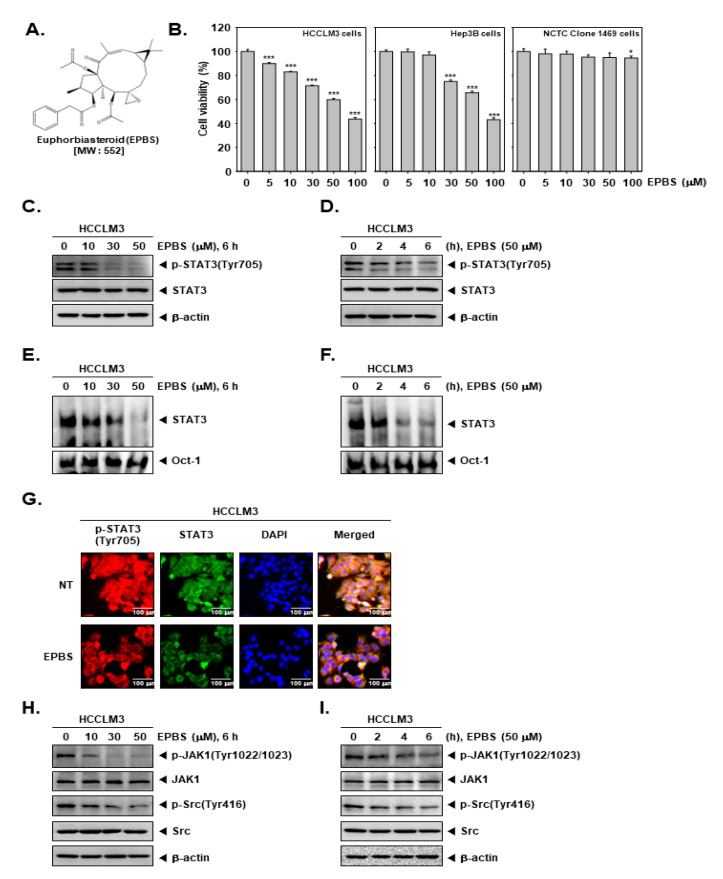
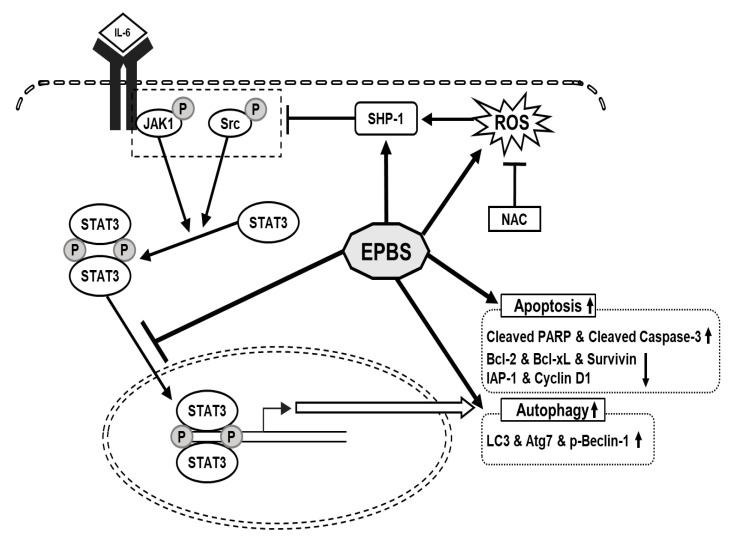
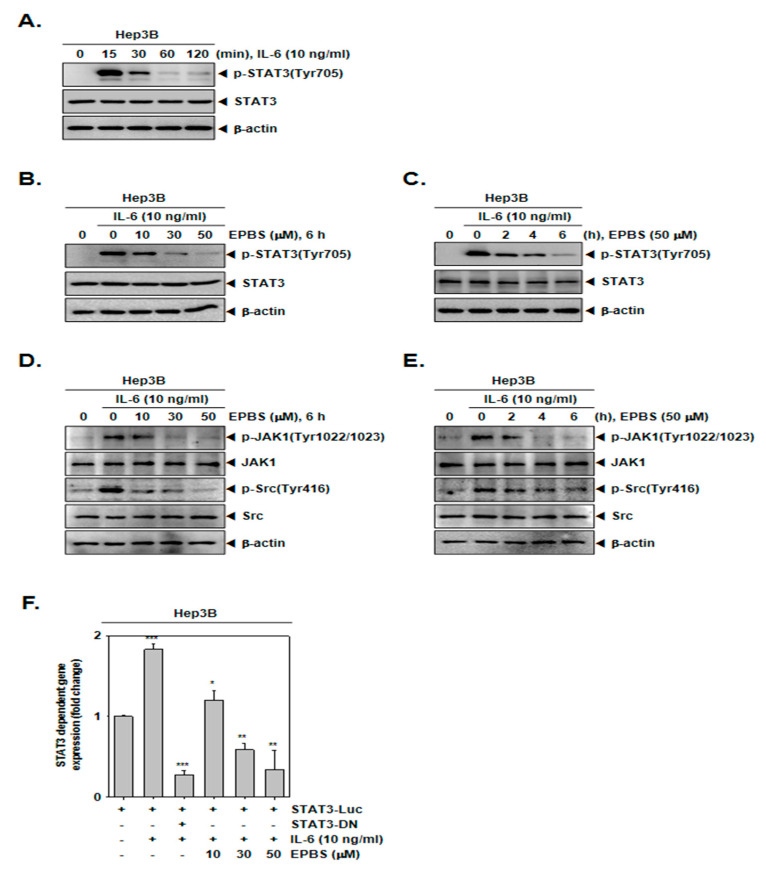
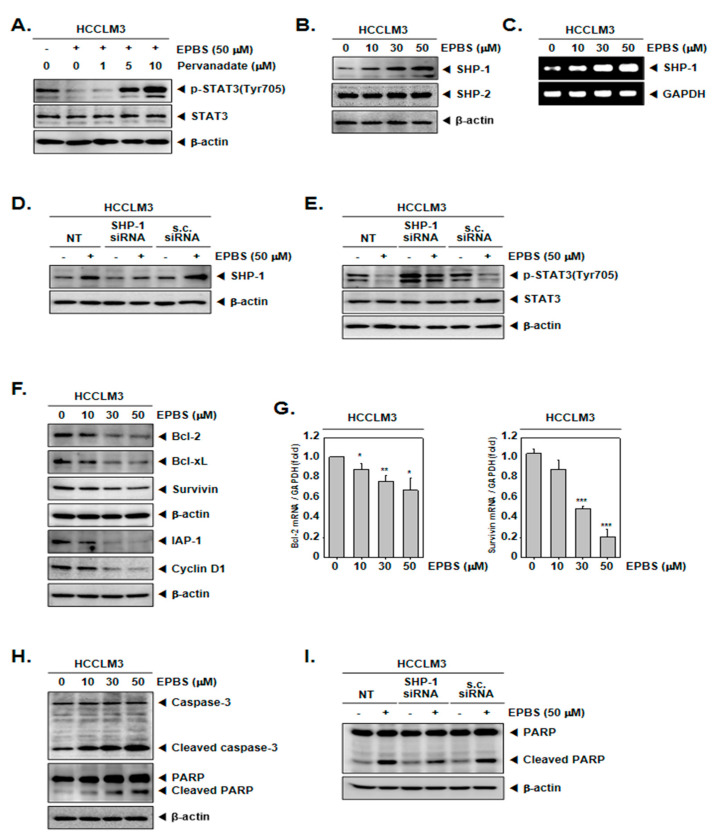
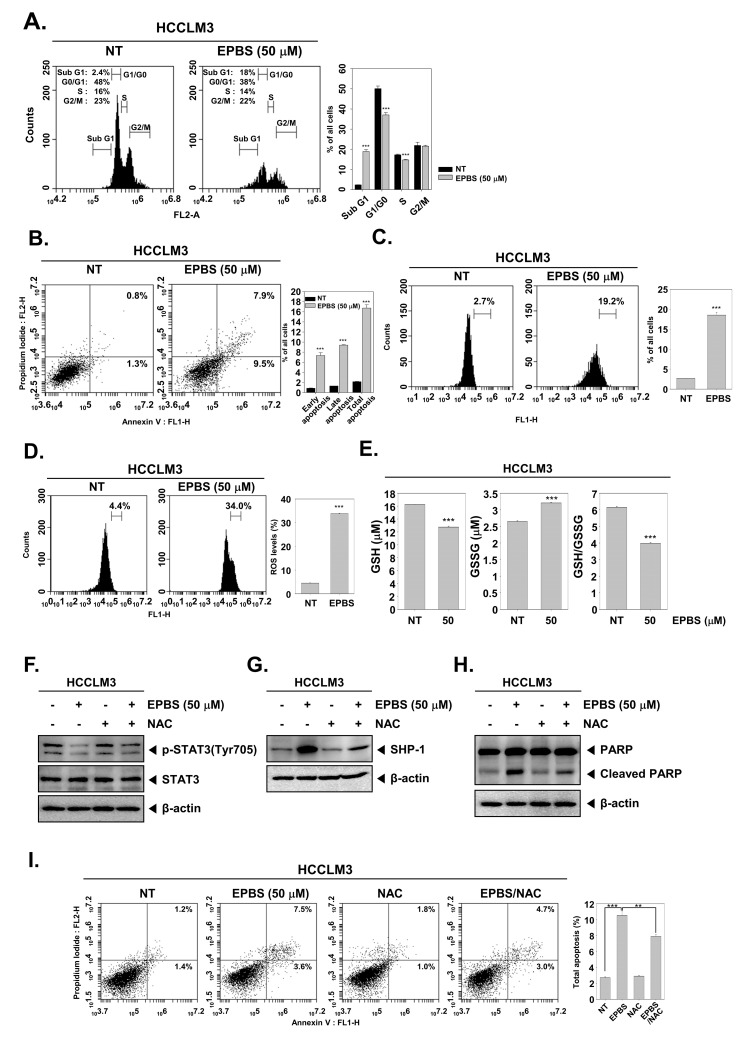
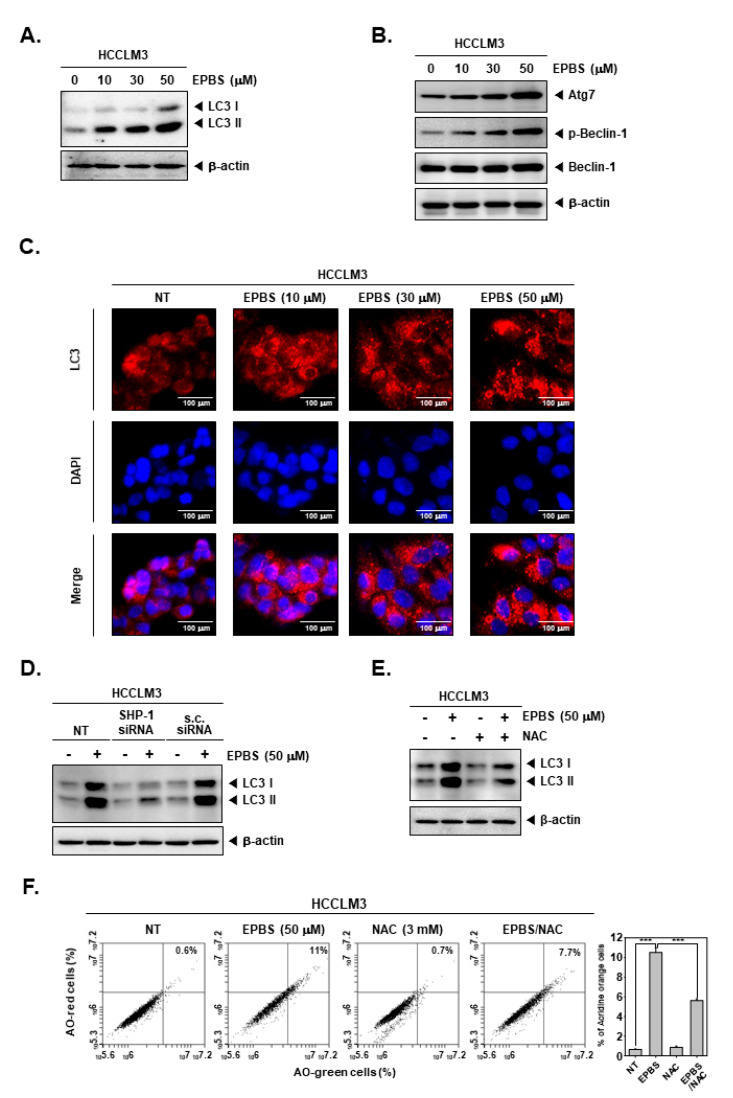
Euphorbiasteroid (EPBS) has gained attention for its activity against human lung cancer and sarcoma; however, its impact on hepatocellular carcinoma has not yet been elucidated. Here, we investigated the cytotoxic effect of EPBS on human hepatocellular carcinoma (HCC) cells. We found that EPBS induced both apoptosis and autophagy in HCC cells. Additionally, we observed that EPBS treatment suppressed the constitutive as well as the inducible activation of a signal transducer and activator of transcription 3 (STAT3) protein expression. Moreover, EPBS promoted the expression of SHP-1 protein and the production of reactive oxidative stress (ROS). Furthermore, the knockdown of SHP-1 by siRNA transfection reversed the effects of EPBS, which have inductive effects related to apoptosis and autophagy. Therefore, EPBS can potentially function as an anti-cancer agent by inducing apoptosis and autophagy when targeting the SHP-1/STAT3 pathway.
大戟甾醇(EPBS)因其对人类肺癌和肉瘤的活性而受到关注;然而,其对肝细胞癌的影响尚未阐明。在此,我们研究了EPBS对人肝细胞癌(HCC)细胞的细胞毒性作用。我们发现EPBS可诱导HCC细胞凋亡和自噬。此外,我们观察到EPBS处理可抑制信号转导和转录激活因子3(STAT3)蛋白表达的组成型以及诱导型激活。此外,EPBS可促进SHP-1蛋白的表达和活性氧化应激(ROS)的产生。此外,通过siRNA转染敲低SHP-1可逆转EPBS的作用,EPBS的作用与凋亡和自噬的诱导有关。因此,当靶向SHP-1/STAT3通路时,EPBS可能通过诱导凋亡和自噬发挥抗癌作用。