Department of Biological Sciences, University of Lethbridge, Lethbridge, AB T1K 3M4, Canada.
Molecules. 2023 Sep 7;28(18):6487. doi: 10.3390/molecules28186487.
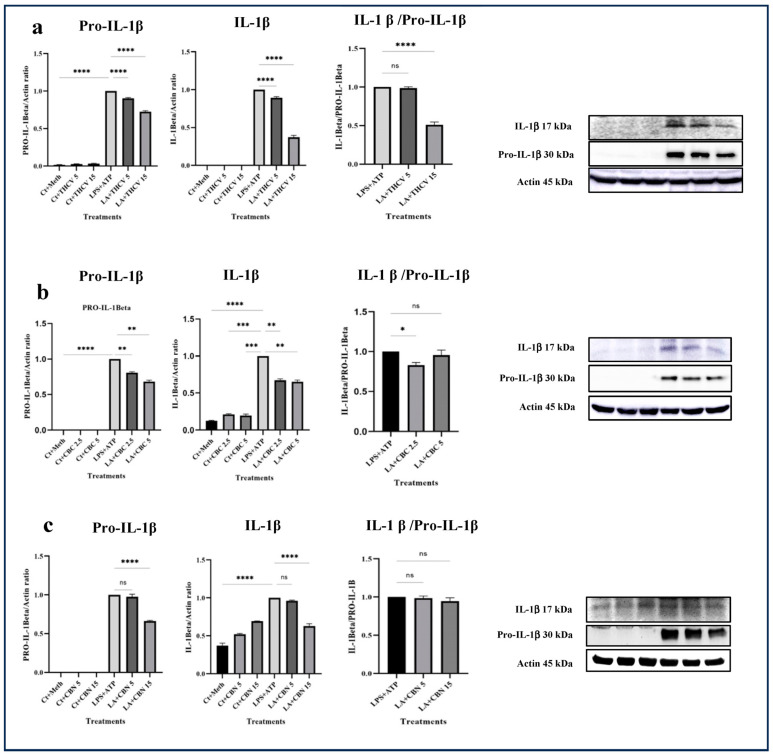
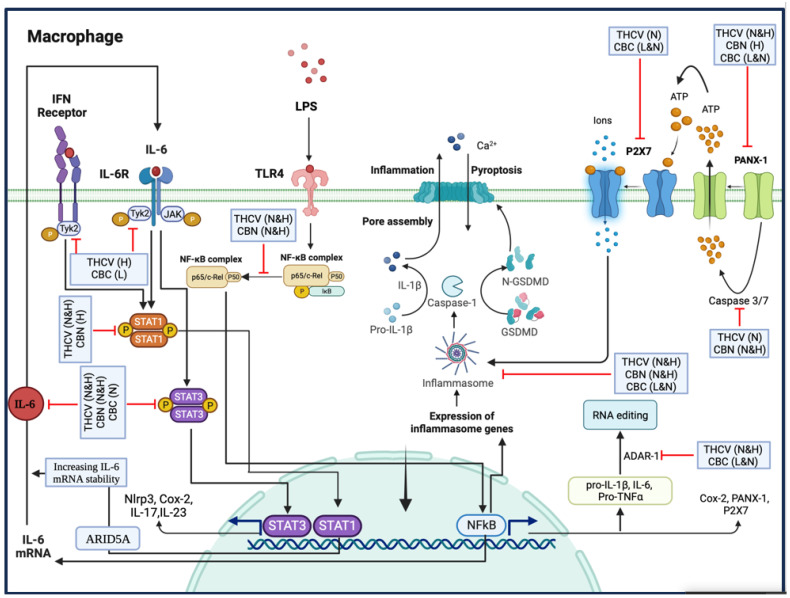
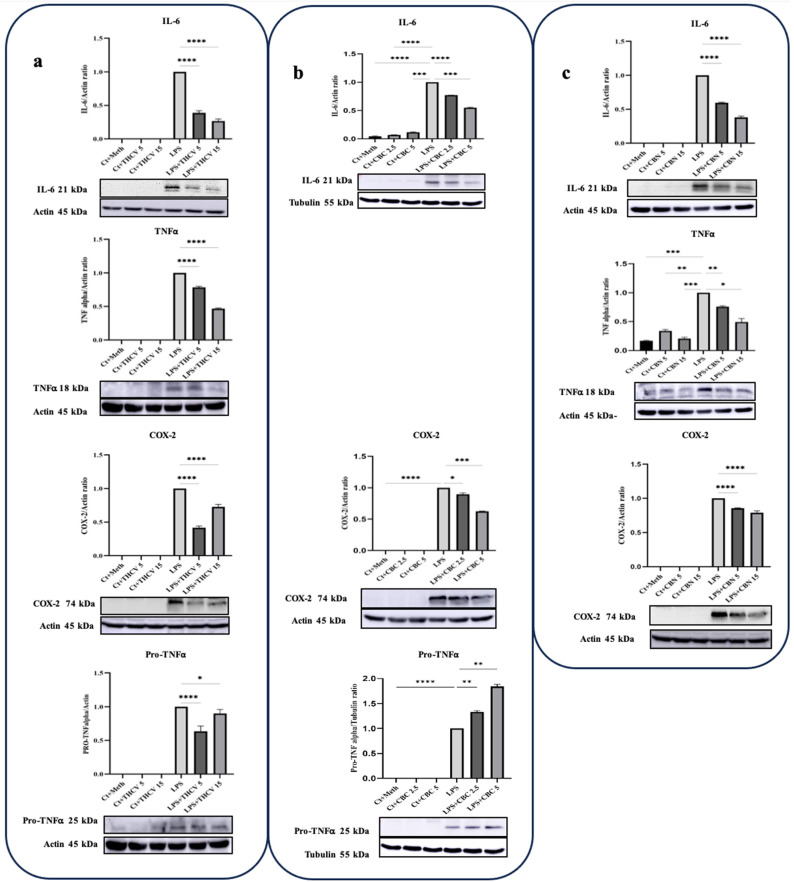
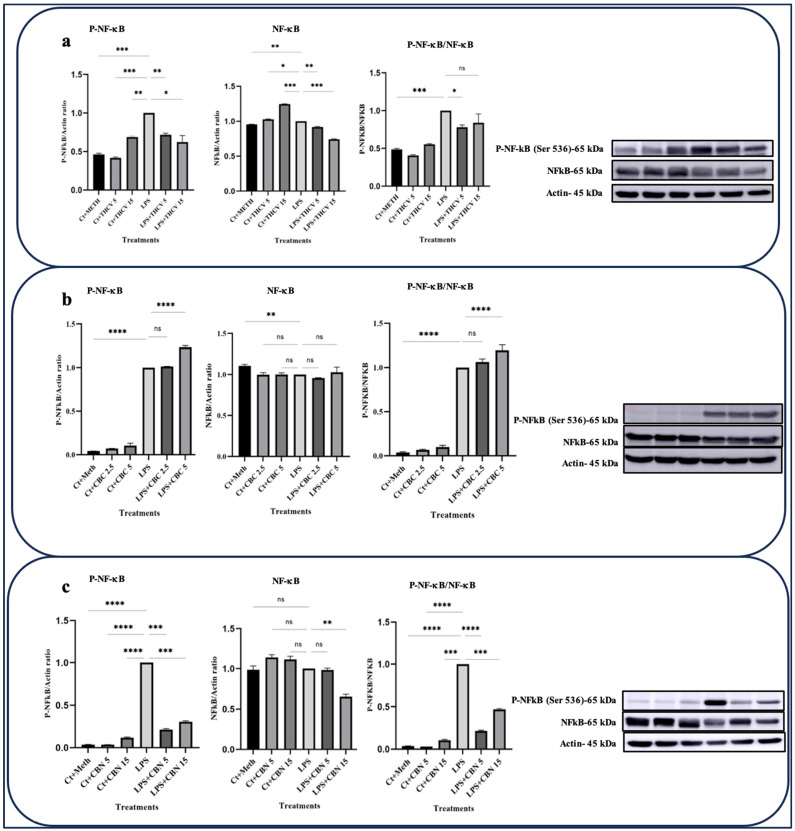
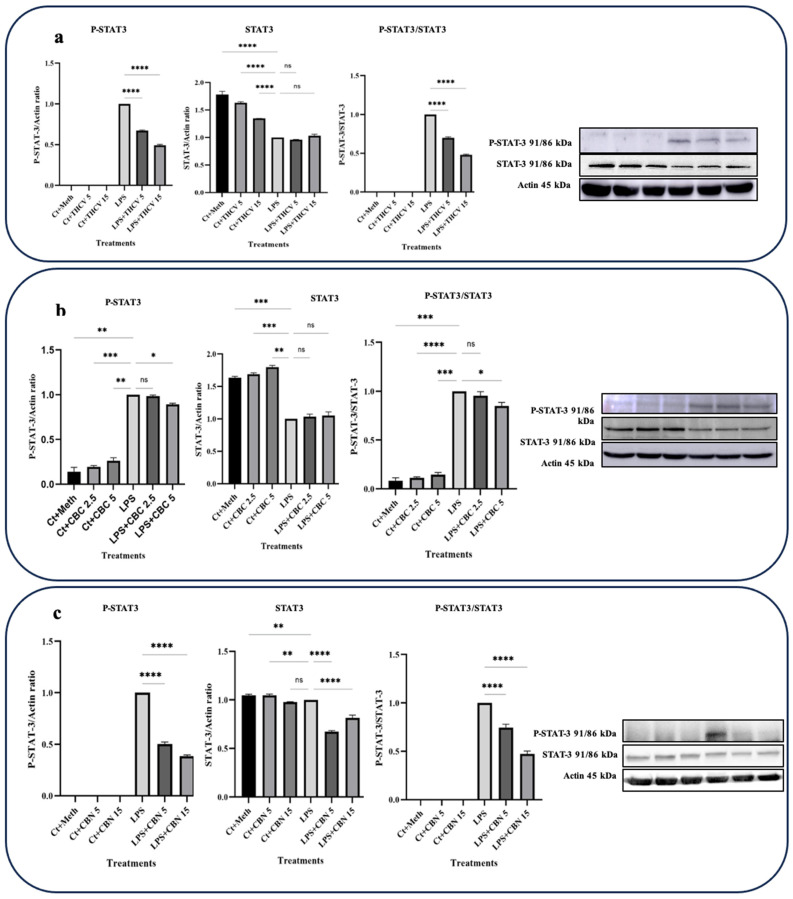
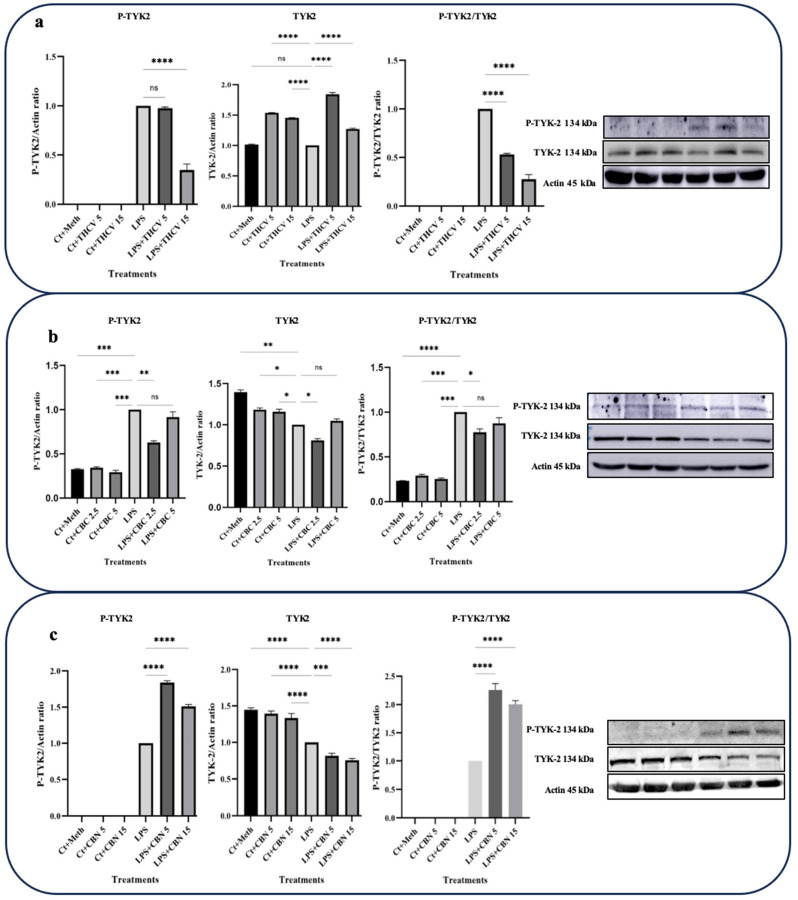
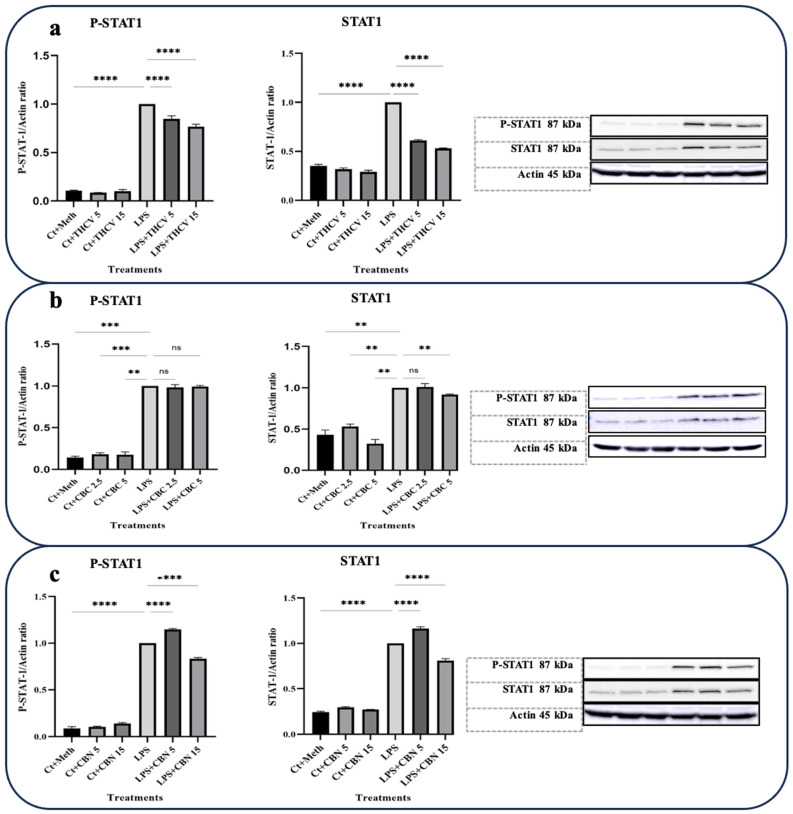
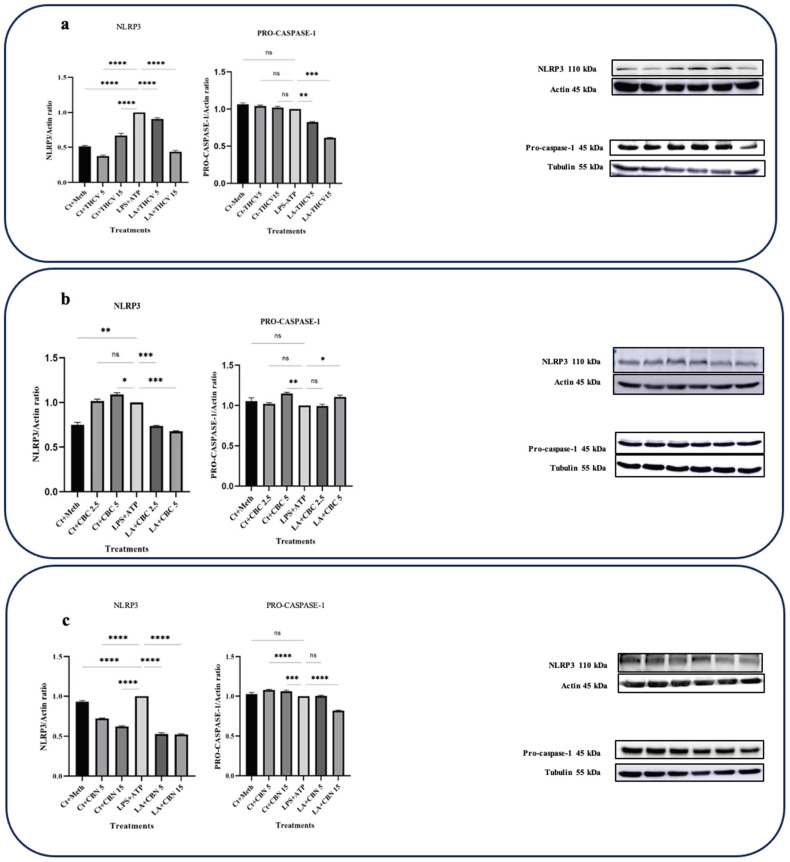
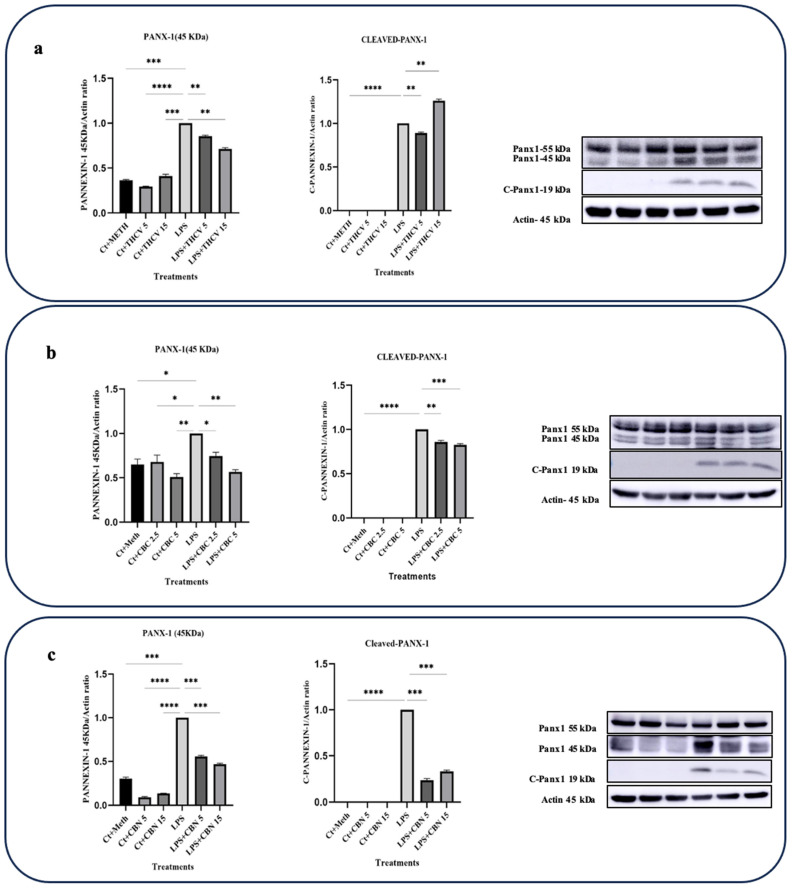
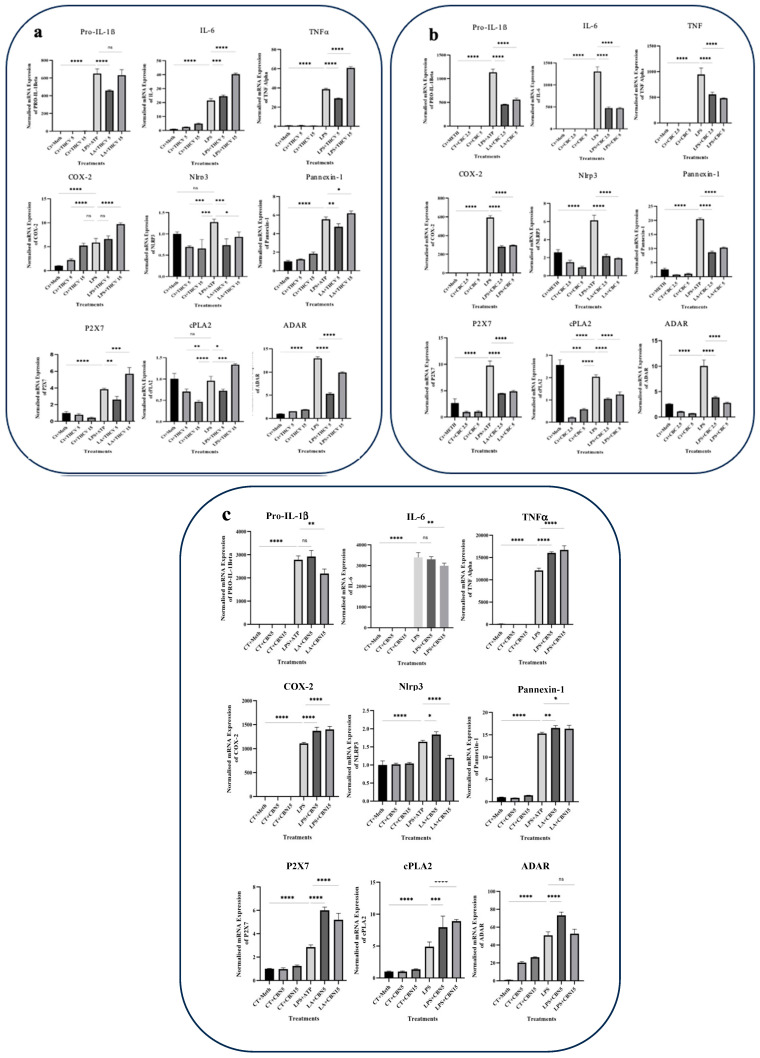
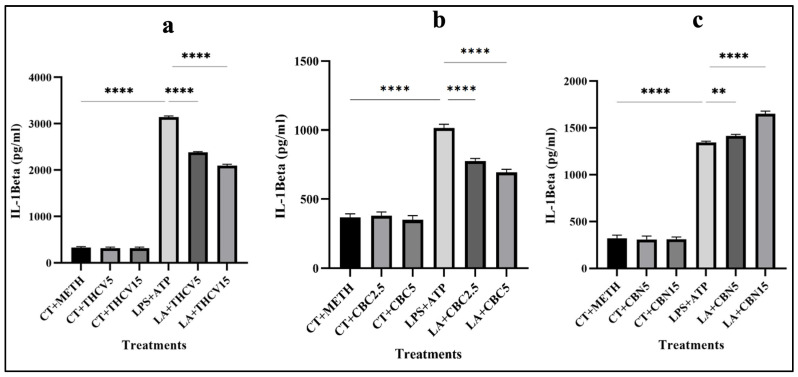
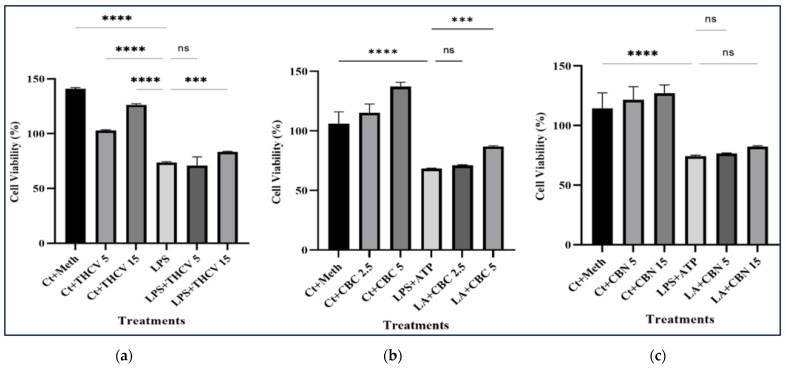
Inflammation is a natural response of the body to signals of tissue damage or infection caused by pathogens. However, when it becomes imbalanced, it can lead to various disorders such as cancer, obesity, cardiovascular problems, neurological conditions, and diabetes. The endocannabinoid system, which is present throughout the body, plays a regulatory role in different organs and influences functions such as food intake, pain perception, stress response, glucose tolerance, inflammation, cell growth and specialization, and metabolism. Phytocannabinoids derived from can interact with this system and affect its functioning. In this study, we investigate the mechanisms underlying the anti-inflammatory effects of three minor phytocannabinoids including tetrahydrocannabivarin (THCV), cannabichromene (CBC), and cannabinol (CBN) using an in vitro system. We pre-treated THP-1 macrophages with different doses of phytocannabinoids or vehicle for one hour, followed by treating the cells with 500 ng/mL of LPS or leaving them untreated for three hours. To induce the second phase of NLRP3 inflammasome activation, LPS-treated cells were further treated with 5 mM ATP for 30 min. Our findings suggest that the mitigation of the PANX1/P2X7 axis plays a significant role in the anti-inflammatory effects of THCV and CBC on NLRP3 inflammasome activation. Additionally, we observed that CBC and THCV could also downregulate the IL-6/TYK-2/STAT-3 pathway. Furthermore, we discovered that CBN may exert its inhibitory impact on the assembly of the NLRP3 inflammasome by reducing PANX1 cleavage. Interestingly, we also found that the elevated ADAR1 transcript responded negatively to THCV and CBC in LPS-macrophages, indicating a potential involvement of ADAR1 in the anti-inflammatory effects of these two phytocannabinoids. THCV and CBN inhibit P-NF-κB, downregulating proinflammatory gene transcription. In summary, THCV, CBC, and CBN exert anti-inflammatory effects by influencing different stages of gene expression: transcription, post-transcriptional regulation, translation, and post-translational regulation.
炎症是机体对由病原体引起的组织损伤或感染信号的自然反应。然而,当它失去平衡时,可能会导致各种疾病,如癌症、肥胖、心血管问题、神经状况和糖尿病。内源性大麻素系统存在于全身各处,对不同的器官起到调节作用,并影响食物摄入、疼痛感知、应激反应、葡萄糖耐量、炎症、细胞生长和分化以及新陈代谢等功能。来源于 的植物大麻素可以与该系统相互作用并影响其功能。在这项研究中,我们使用体外系统研究了三种微量植物大麻素(四氢大麻酚酸(THCV)、大麻色烯(CBC)和大麻酚(CBN))的抗炎作用机制。我们先用不同剂量的植物大麻素或载体预处理 THP-1 巨噬细胞一小时,然后用 500ng/mL 的 LPS 处理细胞或不处理细胞三小时。为了诱导 NLRP3 炎性体激活的第二阶段,用 5mM ATP 进一步处理 LPS 处理的细胞 30 分钟。我们的研究结果表明,PANX1/P2X7 轴的缓解在 THCV 和 CBC 对 NLRP3 炎性体激活的抗炎作用中起着重要作用。此外,我们还观察到 CBC 和 THCV 也可以下调 IL-6/TYK-2/STAT-3 途径。此外,我们发现 CBN 可能通过减少 PANX1 切割来抑制 NLRP3 炎性体的组装来发挥其抑制作用。有趣的是,我们还发现,在 LPS 巨噬细胞中,升高的 ADAR1 转录物对 THCV 和 CBC 呈负响应,这表明 ADAR1 可能参与了这两种植物大麻素的抗炎作用。THCV 和 CBN 抑制 P-NF-κB,下调促炎基因转录。总之,THCV、CBC 和 CBN 通过影响基因表达的不同阶段发挥抗炎作用:转录、转录后调控、翻译和翻译后调控。