Alyasi Haya, Mackey Hamish, McKay Gordon
Division of Sustainable Development, College of Science and Engineering, Hamad Bin Khalifa University, Education City, Qatar Foundation, Doha 24144, Qatar.
Molecules. 2023 Sep 11;28(18):6561. doi: 10.3390/molecules28186561.
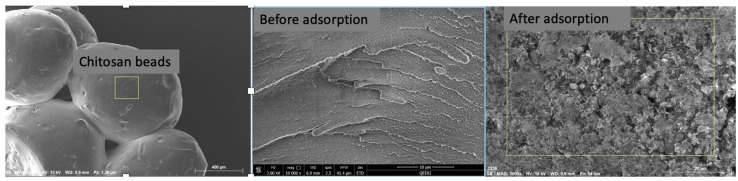
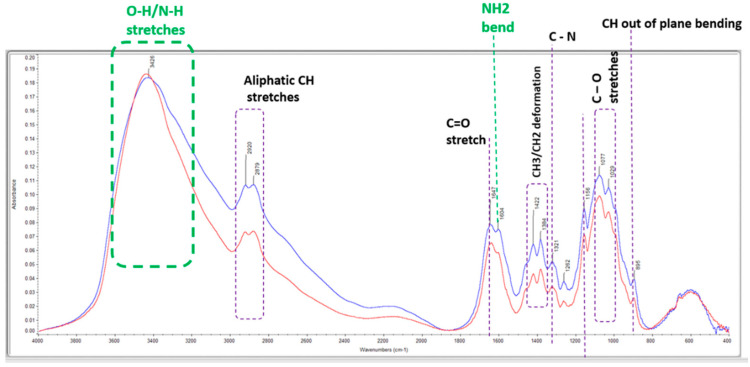
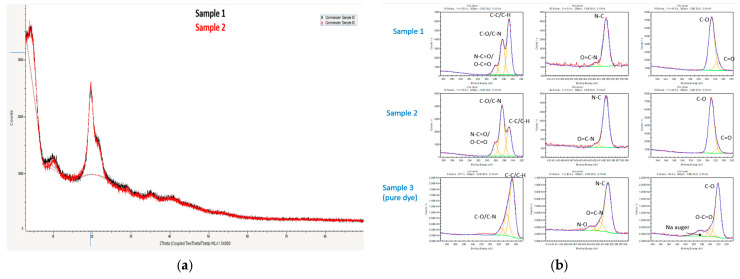
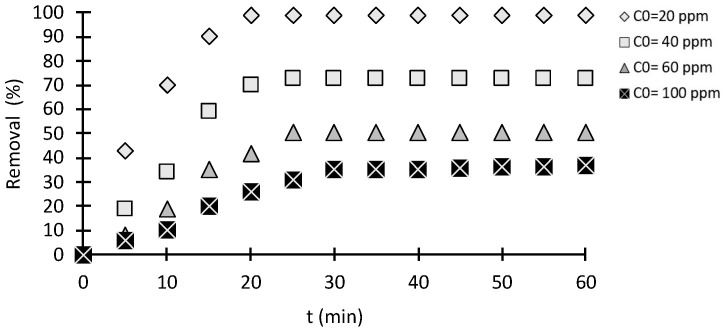
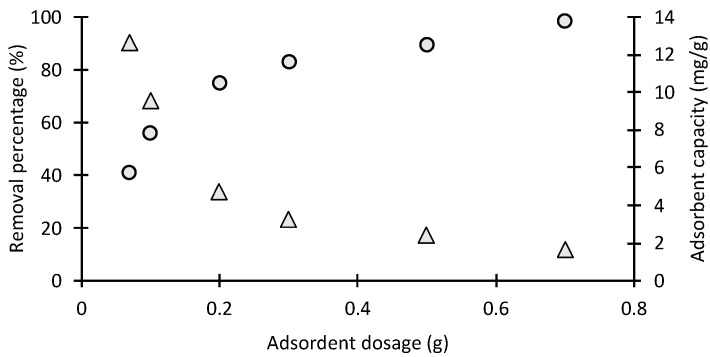
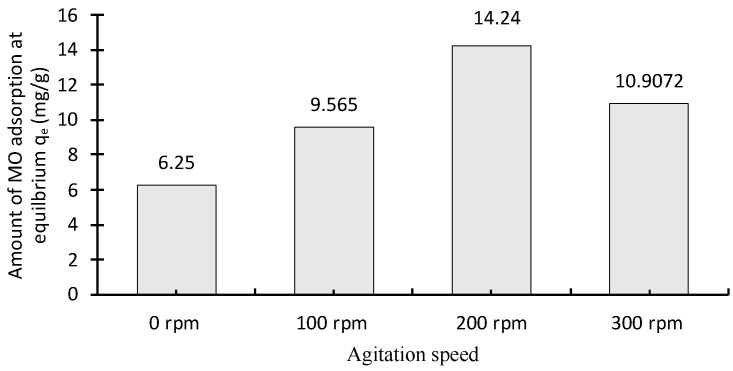
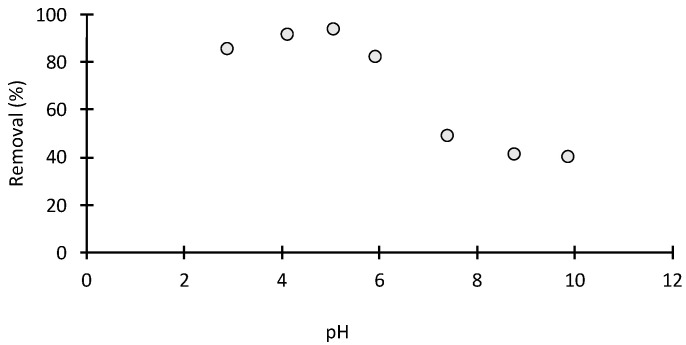
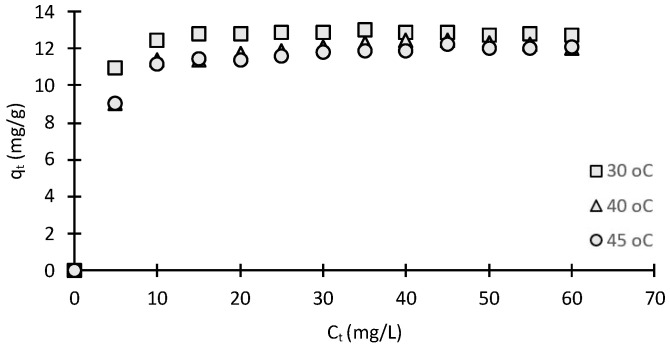
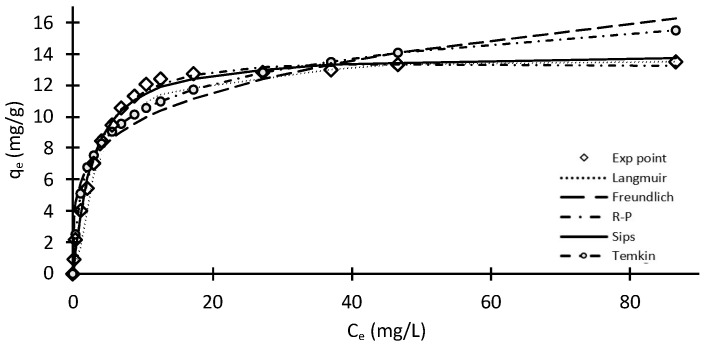
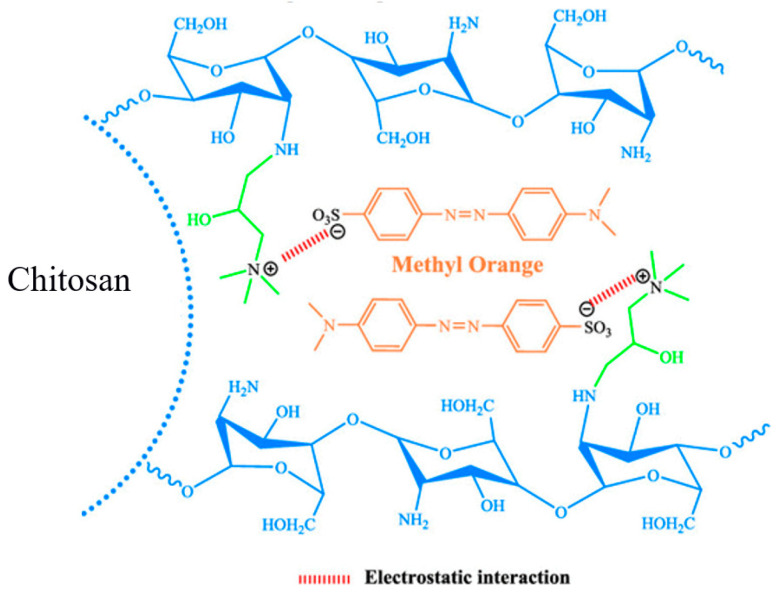
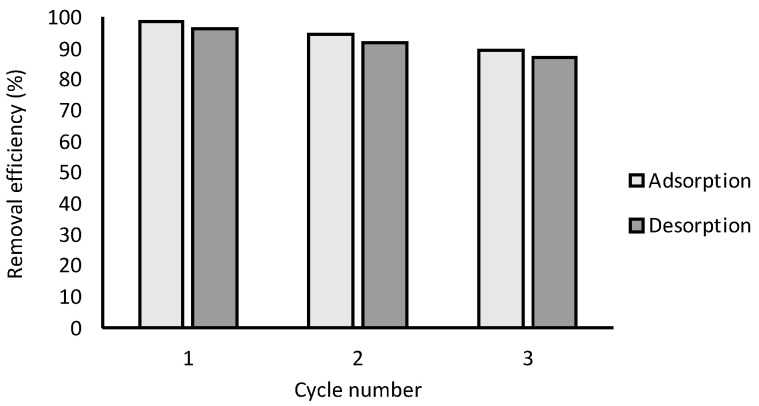
Natural product waste treatment and the removal of harmful dyes from water by adsorption are two of the crucial environmental issues at present. Traditional adsorbents are often not capable in removing detrimental dyes from wastewater due to their hydrophilic nature and because they form strong bonds with water molecules, and therefore they remain in the dissolved state in water. Consequently, new and effective sorbents are required to reduce the cost of wastewater treatment as well as to mitigate the health problems caused by water pollution contaminants. In this study, the adsorption behaviour of methyl orange, MO, dye on chitosan bead-like materials was investigated as a function of shaking time, contact time, adsorbent dosage, initial MO concentration, temperature and solution pH. The structural and chemical properties of chitosan bead-like materials were studied using several techniques including SEM, BET, XRD and FTIR. The adsorption process of methyl orange by chitosan bead materials was well described by the Langmuir isotherm model for the uptake capacity and followed by the pseudo-second-order kinetic model to describe the rate processes. Under the optimal conditions, the maximum removal rate (98.9%) and adsorption capacity (12.46 mg/g) of chitosan bead-like materials were higher than those of other previous reports; their removal rate for methyl orange was still up to 87.2% after three regenerative cycles. Hence, this chitosan bead-like materials are very promising materials for wastewater treatment.
天然产物废弃物处理以及通过吸附作用从水中去除有害染料是当前两个关键的环境问题。传统吸附剂由于其亲水性以及与水分子形成强键,往往无法从废水中去除有害染料,因此它们在水中保持溶解状态。所以,需要新型有效的吸附剂来降低废水处理成本,并减轻水污染污染物所导致的健康问题。在本研究中,考察了甲基橙(MO)染料在壳聚糖珠状材料上的吸附行为,该行为是振荡时间、接触时间、吸附剂用量、初始MO浓度、温度和溶液pH的函数。使用包括扫描电子显微镜(SEM)、比表面积分析仪(BET)、X射线衍射仪(XRD)和傅里叶变换红外光谱仪(FTIR)等多种技术研究了壳聚糖珠状材料的结构和化学性质。壳聚糖珠状材料对甲基橙的吸附过程,对于吸附容量而言,用朗缪尔等温线模型能很好地描述,对于速率过程而言,遵循准二级动力学模型。在最佳条件下,壳聚糖珠状材料的最大去除率(98.9%)和吸附容量(每克吸附12.46毫克)高于之前其他报告中的数据;经过三个再生循环后,它们对甲基橙的去除率仍高达87.2%。因此,这种壳聚糖珠状材料是非常有前景的废水处理材料。