School of Intelligent Medicine, Chengdu University of Traditional Chinese Medicine, Chengdu, 611137, China.
Stavanger University Hospital, Stavanger, 4068, Norway.
BMC Complement Med Ther. 2023 Sep 28;23(1):345. doi: 10.1186/s12906-023-04148-9.
Most lung cancer patients worldwide (stage IV non-small cell lung cancer, NSCLC) have a poor survival: 25%-30% patients die < 3 months. Yet, of those surviving > 3 months, 10%-15% patients survive (very) long. Astragali radix (AR) is an effective traditional Chinese medicine widely used for non-small cell lung cancer (NSCLC). However, the pharmacological mechanisms of AR on NSCLC remain to be elucidated.
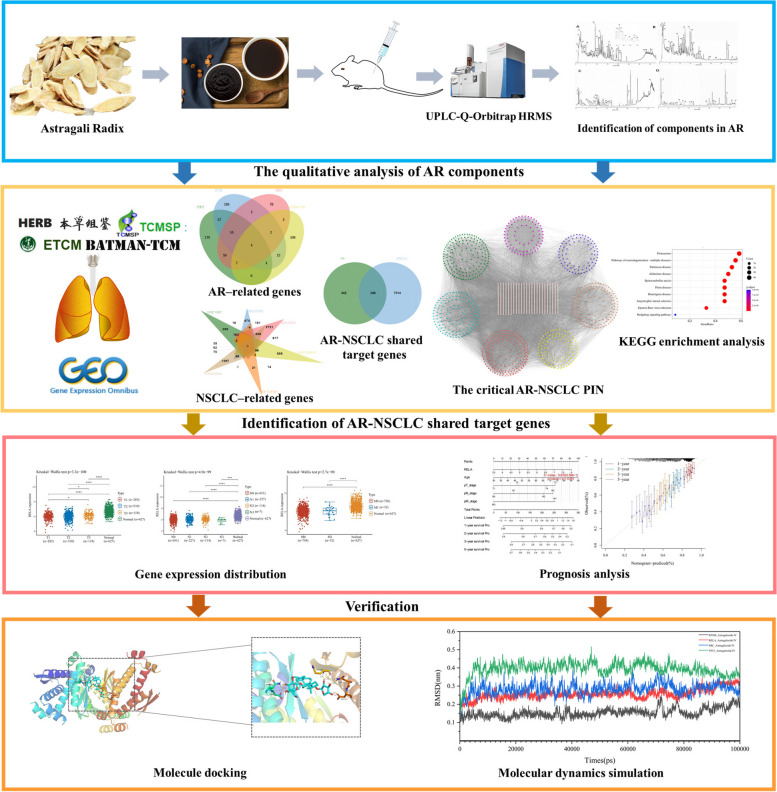
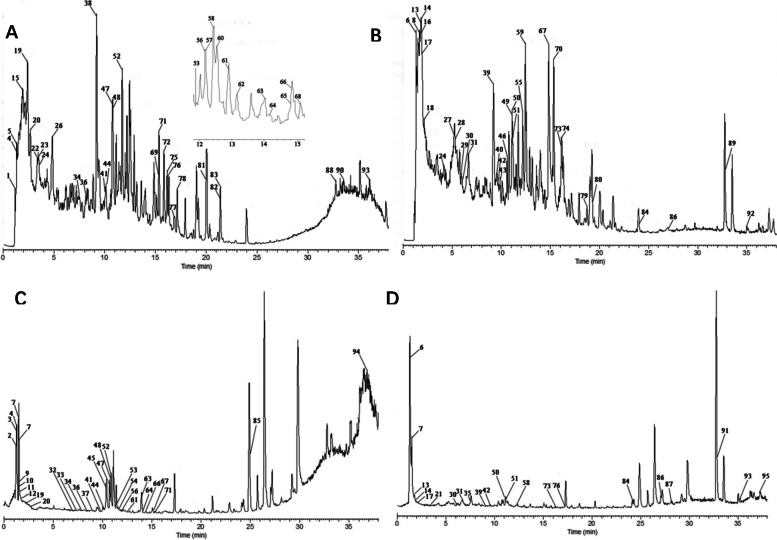
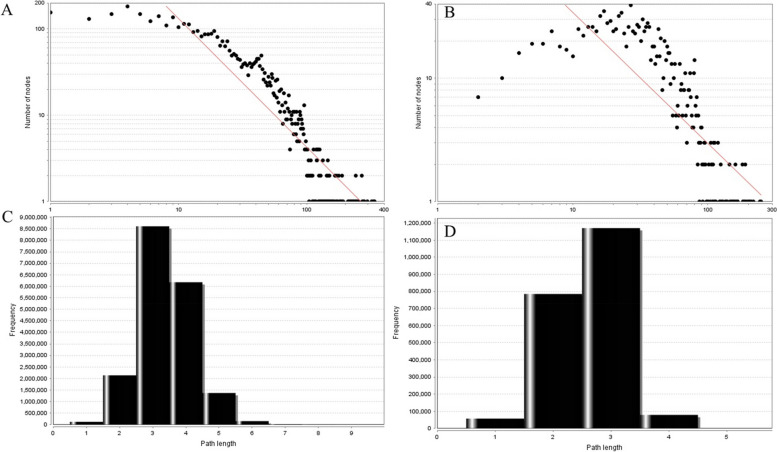
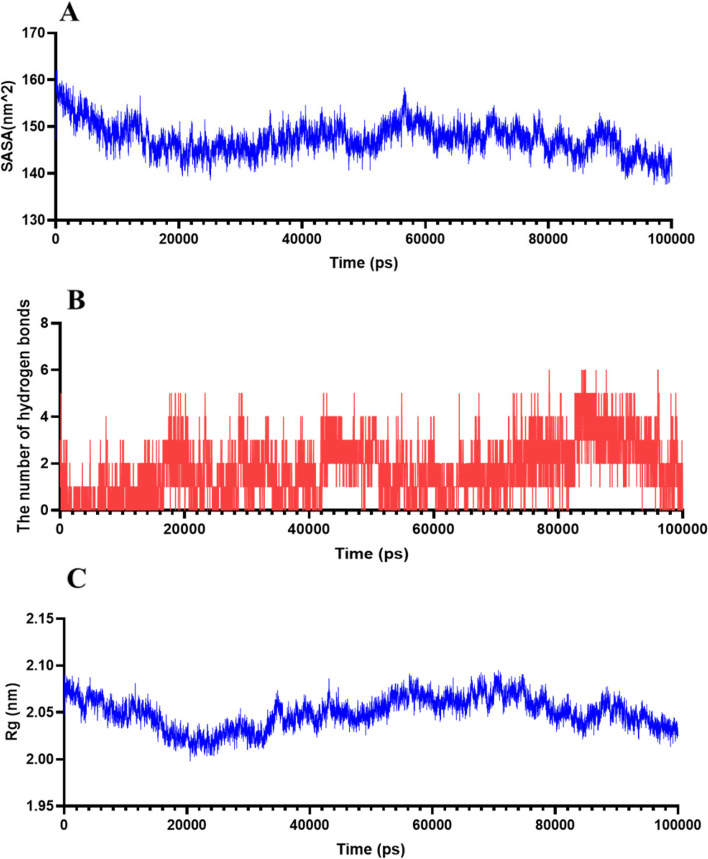
Ultra Performance Liquid Chromatography system coupled with Q-Orbitrap HRMS (UPLC-Q-Orbitrap HRMS) was performed for the qualitative analysis of AR components. Then, network module analysis and molecular docking-based approach was conducted to explore underlying mechanisms of AR on NSCLC. The target genes of AR were obtained from four databases including TCMSP (Traditional Chinese Medicine Systems Pharmacology) database, ETCM (The Encyclopedia of TCM) database, HERB (A high-throughput experiment- and reference-guided database of TCM) database and BATMAN-TCM (a Bioinformatics Analysis Tool for Molecular mechanism of TCM) database. NSCLC related genes were screened by GEO (Gene Expression Omnibus) database. The STRING database was used for protein interaction network construction (PIN) of AR-NSCLC shared target genes. The critical PIN were further constructed based on the topological properties of network nodes. Afterwards the hub genes and network modules were analyzed, and enrichment analysis were employed by the R package clusterProfiler. The Autodock Vina was utilized for molecular docking, and the Gromacs was utilized for molecular dynamics simulations Furthermore, the survival analysis was performed based on TCGA (The Cancer Genome Atlas) database.
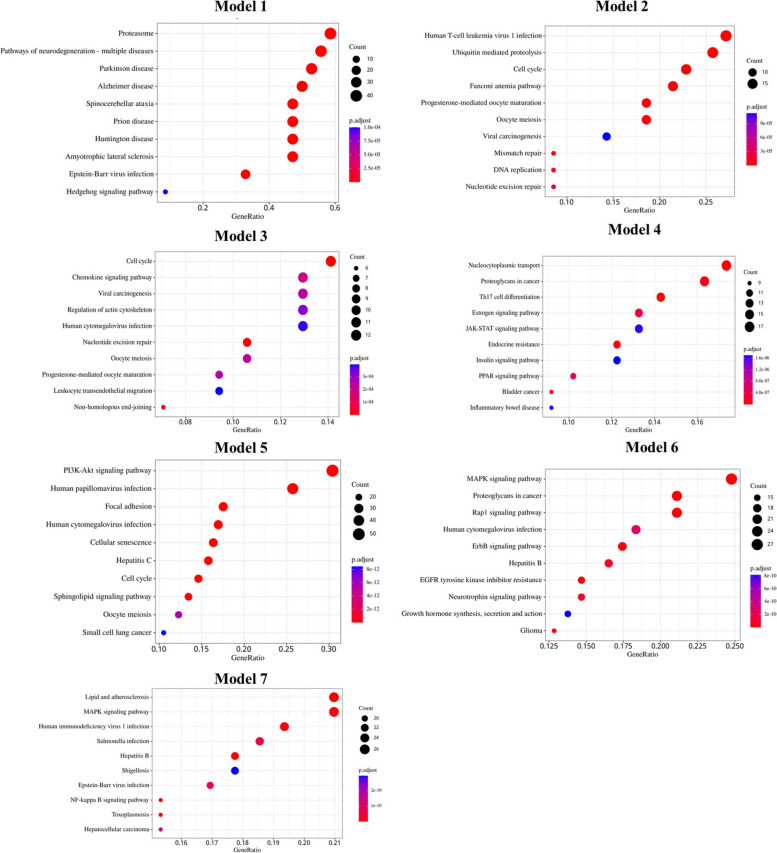
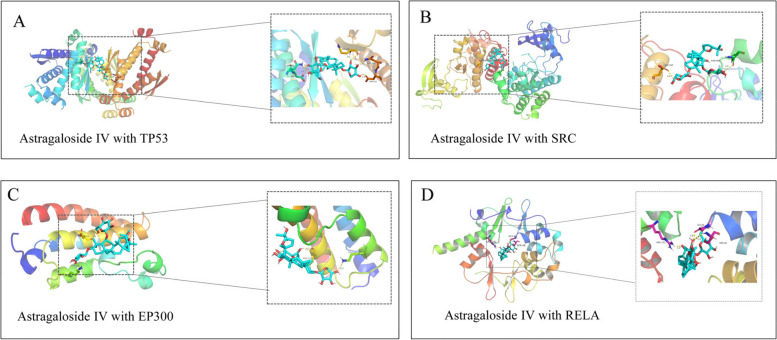
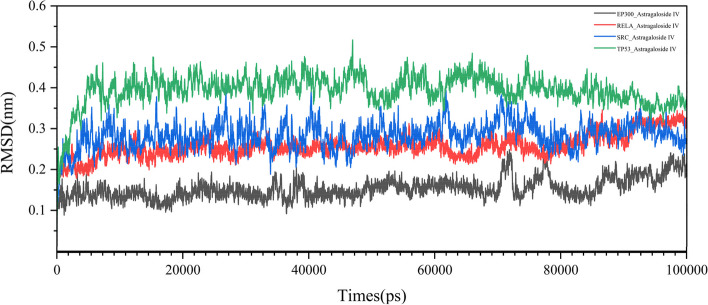
Seventy-seven AR components absorbed in blood were obtained. The critical network was constructed with 1447 nodes and 28,890 edges. Based on topological analysis, 6 hub target genes and 7 functional modules were gained. were obtained including TP53, SRC, UBC, CTNNB1, EP300, and RELA. After module analysis, Kyoto Encyclopedia of Genes and Genomes (KEGG) pathway analysis showed that AR may exert therapeutic effects on NSCLC by regulating JAK-STAT signaling pathway, PI3K-AKT signaling pathway, ErbB signaling pathway, as well as NFkB signaling pathway. After the intersection calculation of the hub targets and the proteins participated in the above pathways, TP53, SRC, EP300, and RELA were obtained. These proteins had good docking affinity with astragaloside IV. Furthermore, RELA was associated with poor prognosis of NSCLC patients.
This study could provide chemical component information references for further researches. The potential pharmacological mechanisms of AR on NSCLC were elucidated, promoting the clinical application of AR in treating NSCLC. RELA was selected as a promising candidate biomarker affecting the prognosis of NSCLC patients.
全球大多数肺癌患者(IV 期非小细胞肺癌,NSCLC)预后较差:25%-30%的患者在 3 个月内死亡。然而,在存活超过 3 个月的患者中,有 10%-15%的患者能够长期存活。黄芪是一种广泛用于非小细胞肺癌(NSCLC)的有效中药。然而,黄芪对 NSCLC 的药理机制仍有待阐明。
采用超高效液相色谱系统结合 Q-Orbitrap HRMS(UPLC-Q-Orbitrap HRMS)对黄芪成分进行定性分析。然后,采用网络模块分析和基于分子对接的方法探讨黄芪对 NSCLC 的潜在作用机制。通过 TCMSP(中药系统药理学数据库)数据库、ETCM(中药百科全书)数据库、HERB(中药高通量实验和参考引导数据库)数据库和 BATMAN-TCM(中药分子机制的生物信息学分析工具)数据库获得黄芪的靶基因。通过 GEO(基因表达综合数据库)数据库筛选 NSCLC 相关基因。STRING 数据库用于构建黄芪-NSCLC 共享靶基因的蛋白质相互作用网络(PIN)。基于网络节点的拓扑性质构建关键 PIN。然后分析关键基因和网络模块,并使用 R 包 clusterProfiler 进行富集分析。利用 Autodock Vina 进行分子对接,利用 Gromacs 进行分子动力学模拟。此外,还基于 TCGA(癌症基因组图谱)数据库进行生存分析。
得到了 77 种吸收于血液中的黄芪成分。构建了一个包含 1447 个节点和 28890 条边的关键网络。基于拓扑分析,获得了 6 个关键靶基因和 7 个功能模块,包括 TP53、SRC、UBC、CTNNB1、EP300 和 RELA。经过模块分析,KEGG 通路分析显示,黄芪可能通过调节 JAK-STAT 信号通路、PI3K-AKT 信号通路、ErbB 信号通路和 NFkB 信号通路对 NSCLC 发挥治疗作用。在对关键靶点和参与上述通路的蛋白质进行交集计算后,得到了 TP53、SRC、EP300 和 RELA。这些蛋白质与黄芪甲苷 IV 具有良好的对接亲和力。此外,RELA 与 NSCLC 患者的不良预后相关。
本研究可为进一步研究提供化学成分信息参考。阐明了黄芪对 NSCLC 的潜在药理机制,促进了黄芪在治疗 NSCLC 中的临床应用。RELA 被选为影响 NSCLC 患者预后的有前途的候选生物标志物。